
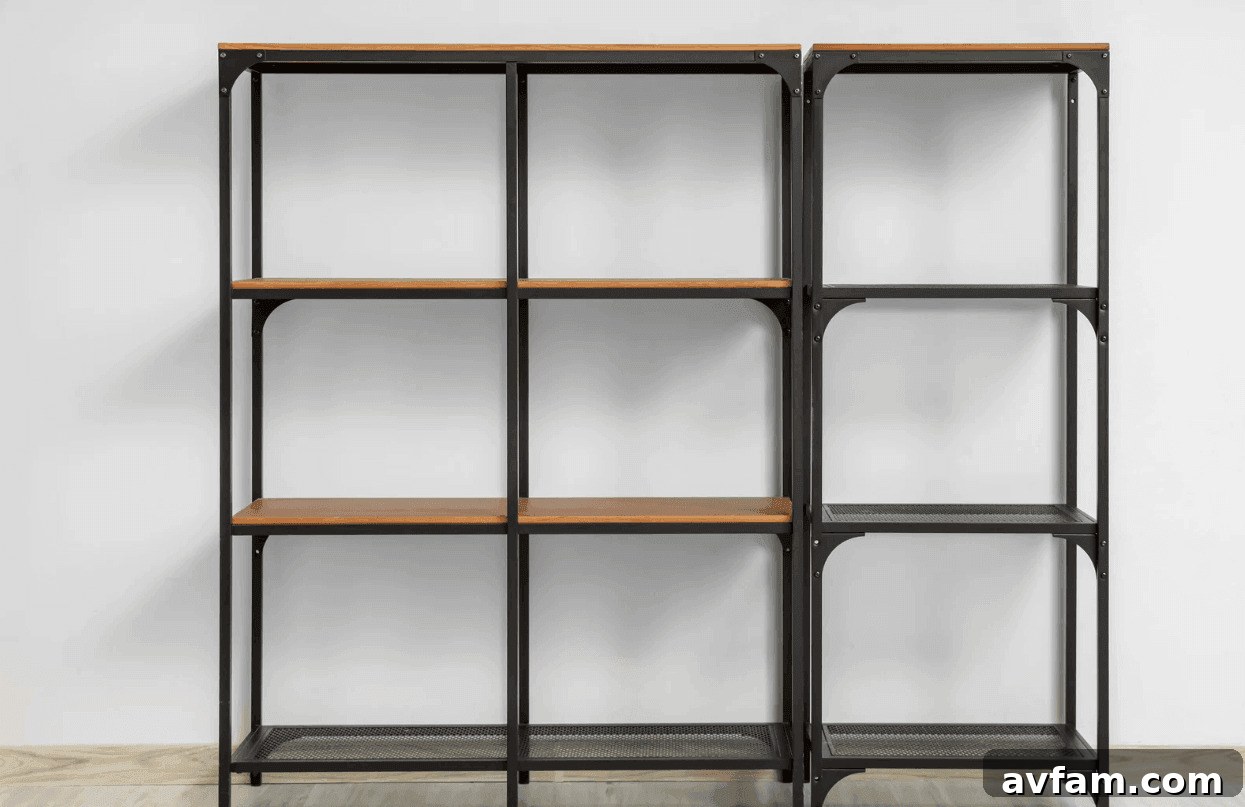
Living in small rental spaces often presents a unique challenge: how to maximize storage without making permanent alterations to the property. Traditional shelving systems, while effective, are typically fixed to walls and unsuitable for tenants who need to maintain the original condition of their leased premises. This is where the ingenuity of removable shelving comes into play. These flexible, temporary storage solutions offer a brilliant way to organize belongings, utilize underutilized vertical space, and ensure the property remains in its pristine state upon move-out. They provide renters with the freedom to customize their living environment without the commitment or potential damage associated with permanent fixtures.
The beauty of removable shelving lies in its adaptability. It’s a perfect fit for individuals residing in apartments, dorm rooms, or rented houses where drilling into walls or making structural modifications is strictly prohibited by lease agreements. Beyond compliance, these systems are champions of vertical space utilization, transforming often-neglected areas above eye level into valuable storage real estate. With careful planning and the right approach, these shelves can be installed and removed seamlessly, offering a long-term, versatile storage solution that can move with you from one rental to the next. Let’s delve into practical strategies for building and implementing effective removable shelving, specially tailored for the constraints and opportunities of small rental spaces.
Initial Space Assessment for Optimal Removable Shelving
Before embarking on any shelving project, a thorough assessment of your available space is paramount. This initial evaluation involves meticulous measurements of wall width, ceiling height, and floor clearance to identify the most efficient and practical design for your removable shelving. Even seemingly minor measurements can significantly impact the functionality and aesthetic appeal of your shelves in a compact room. Understanding the precise dimensions will allow you to select or design units that fit perfectly, avoiding awkward gaps or cramped layouts.
Beyond static measurements, consider the dynamic aspects of your living area. It’s advisable to identify zones with minimal foot traffic where shelving won’t obstruct daily movement or create hazards. Think about entryways, hallways, and areas around existing furniture. During this stage, it’s also crucial to assess the current placement of furniture. Your new shelving should complement, not overcrowd, the existing layout, enhancing the room’s flow and usability. For tenants exploring options for rent in Calgary or other bustling urban markets, recognizing the inherent adaptability of modular shelving systems early on can unlock the most suitable and functional solutions for limited-space living conditions, offering unparalleled versatility.
Also, factor in natural light sources, electrical outlets, and ventilation. You wouldn’t want your new shelves to block a window, render an outlet unusable, or impede airflow. Sketching out different configurations can be incredibly helpful. This preliminary planning ensures that your removable shelving integrates seamlessly into your rental unit, maximizing storage potential without compromising comfort or accessibility. Consider the specific items you plan to store – books, kitchenware, decorative items – as this will influence shelf depth and height requirements. A well-planned layout can make a small space feel organized and expansive rather than cluttered.
Choosing Materials for Robust Temporary Structures
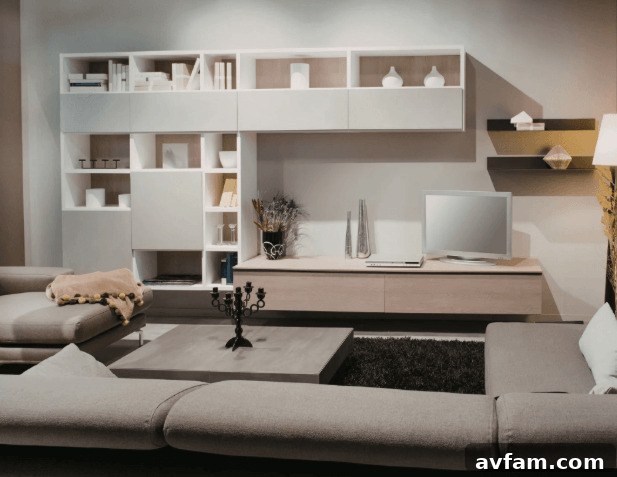
The selection of materials is a critical step in designing removable shelving that is both sturdy and easy to dismantle without causing damage. The ideal materials combine strength with lightweight properties, ensuring they can bear sufficient weight without becoming cumbersome during installation or removal. High-quality plastic supports, aluminum brackets, and lightweight wood panels (such as pine or engineered wood like MDF) are often preferred choices. These materials offer excellent structural integrity while minimizing the risk of wall damage when the system is taken down. Plastic components are typically budget-friendly and waterproof, ideal for bathrooms or kitchens. Aluminum is known for its strength-to-weight ratio and sleek modern look, while lightweight wood offers a warmer, more traditional aesthetic.
Equally important is the careful selection of fasteners and mounting systems, as they must not leave permanent marks or holes. Tension rods, which rely on pressure between two surfaces (like floor and ceiling or two walls), are an excellent damage-free option. Adhesive mounting systems, specifically designed for rentals, offer another viable solution; these often use strong, removable strips or hooks. Adjustable freestanding frames provide robust support without any wall contact. The primary objective is to create a weight-bearing system that can securely hold your belongings while remaining fully removable without the need for repairs. This consideration is particularly vital for renters who are meticulous about their lease terms and want to avoid potential disputes, such as those concerning tenant abandonment issues or damage claims upon vacating a property.
When choosing materials, also consider the aesthetic impact. While functionality is key, the shelves should also complement your room’s decor. Modern materials like clear acrylic or powder-coated metal can add a contemporary touch, while natural wood can enhance a minimalist or bohemian style. Durability is another factor; ensure the materials can withstand the weight of your items over time and resist wear and tear, especially if you plan to move them frequently. Investing in good quality materials upfront can save you headaches and expenses in the long run.
Designing Adjustable Shelf Layouts for Maximum Flexibility
The hallmark of effective shelving in small rental spaces is flexibility. Adjustable shelves are indispensable, allowing users to effortlessly alter the vertical distance between shelves to accommodate varying storage requirements. Whether you need space for tall books, bulky kitchenware, or small decorative items, the ability to customize shelf height ensures optimal space utilization. This inherent flexibility significantly enhances the usefulness and longevity of your shelving system, adapting to your evolving needs over time and making it a truly versatile investment for any renter.
Efficiency can be further boosted by designing with modular sections. Instead of a single, rigid structure, think in terms of individual units that can be reconfigured, stacked, or separated in countless ways. This modularity makes it incredibly easy to adapt the shelving to new rooms or different layouts should you move to another rental property. It also minimizes waste, as components can be reused and repurposed rather than discarded. Imagine a system of interlocking cubes or freestanding units that can be arranged as a tall bookcase, a low media console, or even split into multiple smaller storage solutions for different rooms. This dynamic approach to design empowers renters to take full control of their storage needs, ensuring their shelving systems are always perfectly suited to their current living situation.
Beyond adjustability, consider features like varying shelf depths. Deeper shelves might be useful for larger items in a less-trafficked area, while shallower shelves could be perfect for spices in a kitchen or small toiletries in a bathroom, keeping items within easy reach without protruding too much into the room. Incorporating elements like integrated drawers or baskets within the shelving system can also add another layer of organization, allowing you to hide clutter while maintaining a clean, streamlined look. The goal is to create a system that is not just functional but also aesthetically pleasing and effortlessly adaptable to any change.
Installing Without Permanent Wall Damage: Rental-Friendly Methods
The core principle of removable shelving is stability without creating permanent marks or damage. One of the most effective methods involves the application of pressure-mounted frames, which utilize tension between the floor and ceiling or two opposing walls. These ingenious systems distribute weight evenly across a large surface area and critically, do not require any drilling, screws, or anchors into the walls. They are especially suitable for apartments or rental units where making structural changes is explicitly prohibited by lease agreements, offering a secure yet completely reversible installation.
Another excellent alternative for damage-free installation is the use of adhesive mounting systems specifically engineered for rental settings. These systems, which often utilize high-strength, removable adhesive strips or hooks, are designed to hold moderate weight securely. The key is knowing how to apply and remove them correctly according to the manufacturer’s instructions to prevent any surface damage. When properly installed, these adhesive solutions provide reliable support without compromising the integrity of the rental property’s walls. Some advanced adhesive systems even boast industrial-strength hold that can rival light-duty drilling, yet peel away cleanly when no longer needed.
Freestanding shelving units are perhaps the simplest solution, requiring no wall contact at all. These units, which can range from simple bookcases to complex modular systems, stand independently on the floor. While they offer the ultimate in damage-free installation, careful consideration of their footprint and stability is necessary, especially in homes with children or pets. Anchoring straps (which might use very small, easily patchable holes or heavy-duty adhesives) can be used to prevent tipping if required, enhancing safety without significant impact on the property. Proper installation, regardless of the method chosen, is crucial not only to safeguard your belongings but also to protect the rental property itself, ensuring its condition remains impeccable for future inspections and turnovers.
Maximizing Vertical Storage Efficiency in Compact Spaces
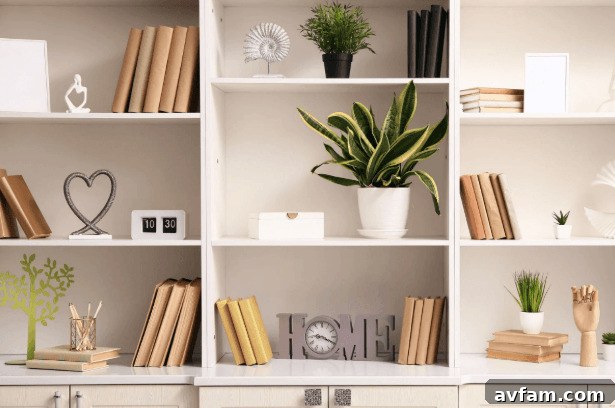
In many small rental units, vertical space is an often-overlooked and underutilized asset. By thinking upwards rather than outwards, renters can significantly expand their storage capacity without encroaching upon valuable floor space. This strategy is particularly transformative in tiny apartments, studio flats, or compact bedrooms where every square inch matters. Implementing shelving that extends towards the ceiling can dramatically increase the volume of items you can store, making a small room feel less cluttered and more organized.
To achieve maximum efficiency, shelves must be arranged strategically, considering both the height of the items being stored and their frequency of use. Frequently accessed items should be positioned at eye level or within easy reach, ensuring convenience and minimizing strain. Conversely, items that are rarely used or seasonal can be stored on higher shelves, out of the way but still accessible with a step stool. This thoughtful organization not only enhances accessibility but also contributes to the overall order, balance, and aesthetic appeal of your living space. Consider using storage bins or decorative boxes on higher shelves to keep items tidy and contained, adding to the room’s visual coherence.
Beyond simply adding shelves, think about integrating various vertical storage solutions. Over-the-door organizers, hanging shoe racks, and tall, narrow cabinets can complement your removable shelving, creating a layered approach to vertical storage. Even the space above doors and windows can be utilized with shallow ledges or floating shelves (again, using damage-free mounting methods). By intentionally designing your storage vertically, you unlock hidden potential in your rental, transforming cramped quarters into highly functional and comfortable living environments. This approach is key to creating a spacious feel even in the most modest of footprints.
Adapting Removable Shelving for Multi-Use Rooms
Many rental spaces, especially studio apartments or open-plan layouts, require rooms to serve multiple functions – sleeping, working, dining, and storage. Removable shelving offers an elegant and non-permanent solution for defining these distinct zones within a single space. Unlike permanent walls or bulky furniture, lightweight, strategically placed shelves can act as subtle visual barriers while simultaneously providing essential storage. They can delineate a home office area from a living room, or a sleeping nook from a general living space, all without the need for costly or irreversible modifications.
This inherent flexibility allows renters to reconfigure their space on demand, adapting to changing needs or preferences. For instance, a versatile shelving unit might serve as a stylish room divider in a living room, then later be easily transferred to a bedroom to function as a bedside table with integrated storage, or even a hallway catch-all unit. This level of adaptability is invaluable, particularly for long-term rentals where living conditions, personal needs, or even furniture arrangements may evolve over time. Removable shelves empower tenants to redesign their environment with ease, fostering a sense of ownership and personalization that is often missing in rented accommodations.
When using shelves as room dividers, consider open-back designs to allow light to pass through, preventing the space from feeling too closed off. You can also incorporate plants, decorative objects, or art within the shelves to enhance their aesthetic appeal and soften their appearance as a barrier. The choice of materials can also play a role; translucent plastics or light-colored wood can make the division feel less imposing. By thoughtfully integrating removable shelving, multi-use rooms can be transformed into highly functional, aesthetically pleasing, and remarkably versatile living areas that cater precisely to the renter’s lifestyle.
Maintenance and Safe Removal Practices for Longevity
To ensure the longevity of your removable shelving and prevent any potential damage to your rental property, proper maintenance is essential throughout its use. Periodical inspection of all fittings, such as screws, clips, or tension mechanisms, should be a regular habit to ensure they remain secure and tight. Any signs of looseness or shifting should be addressed immediately to prevent accidents or collapses. Furthermore, routine cleaning to prevent dust accumulation is not just about aesthetics; excessive dust can affect the stability of some materials over time and certainly impact the overall appearance of your organized space.
When the time comes to remove the shelving, whether for relocation or to vacate the property, the process must be carried out gradually and cautiously. For adhesive systems, always follow the manufacturer’s specific instructions for removal, which often involve warming the adhesive or using a specific technique to loosen it gently. This prevents paint from peeling or surface finishes from being damaged. Hydraulic or pressure-release systems, such as tension rods, should be discharged slowly and evenly to avoid abrupt movements that could cause structural stress or accidental damage. Rushing the removal process can lead to avoidable repairs and potential deductions from your security deposit.
This meticulous approach to both maintenance and removal ensures that the state of the rental property remains pristine, simplifying the final inspection or tenant turnover process without any troubles or disputes. By caring for your removable shelving and executing its removal with diligence, you not only preserve your investment in the storage system itself but also uphold your responsibilities as a tenant, fostering positive landlord-tenant relations and ensuring a smooth transition. This responsible practice contributes to a hassle-free move-out experience, saving you both time and potential financial repercussions.
Conclusion: The Ultimate Rental-Friendly Storage Solution
Removable shelving stands out as an exceptionally viable and versatile solution for enhancing storage capacity in small rental spaces while meticulously preserving the condition of the property. Its paramount benefit lies in its inherent flexibility, empowering tenants to plan, adapt, and reorganize their living environments without committing to permanent structural modifications. When properly planned, installed, and maintained, these innovative systems seamlessly integrate into daily life, offering robust storage without contravening the stipulations of rental agreements. They represent an intelligent compromise between the need for organization and the limitations of temporary residency.
In the long term, investing in flexible shelving significantly enhances space utilization efficiency, transforming even the most compact rooms into tidier, more functional, and visually spacious areas. With attentive removal practices and consistent maintenance, both the shelving elements themselves and the rental unit remain in excellent condition, ready for future use or smooth tenant transitions. This makes removable shelving a truly sustainable and transferable solution; it moves with the tenant from one space to another, eliminating unnecessary waste, avoiding costly repairs, and maximizing the utility of every rental experience. For anyone navigating the challenges of small-space living, removable shelving is not just a convenience—it’s an essential strategy for creating an organized, adaptable, and harmonious home.