
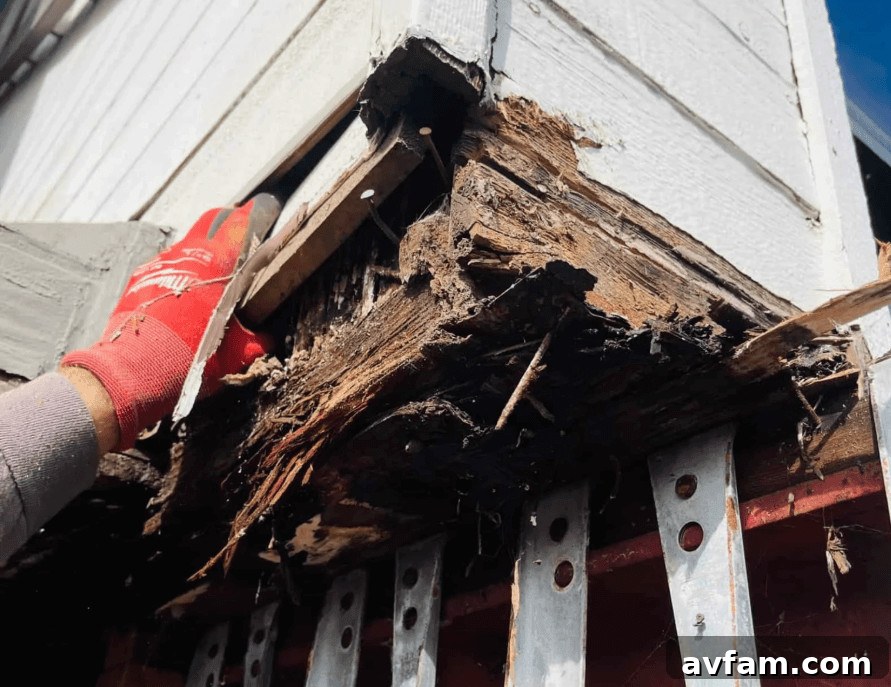
Three bids arrive for the same building. One is thin and cheap. One is thick and expensive. One sits in the middle. Board members and owners instinctively compare the totals first because those figures look comparable. But they usually are not. Each contractor has priced a different job. Nothing on the cover page usually explains that.
The deciding factor is scope. A bid that assumes sound framing will always beat a bid that assumes hidden rot. The lower number is not necessarily the better deal; it is a different prediction about what lies beneath the surface. Decks & Balcony approaches estimating from the other direction: beginning with an on-site assessment rather than a square-foot count. Reading a bid well means identifying the assumptions before signing, not after demolition begins.
Start with the license, not the price
Verifying credentials takes only a few minutes and answers many questions at once. Any California contractor working at this scale should pass these checks without hesitation.
- Confirm the CSLB license number, its current status and its classification.
- Ensure the license matches the company on the letterhead—people move, but licenses sometimes stay behind.
- Request a current certificate of insurance sent directly by the carrier.
- Confirm bonding and verify workers’ compensation coverage for the crew that will be on site.
- Ask who holds the license and whether that person will visit the property.
- For structural work, ask whether a licensed structural engineer is involved and at what stage.
A contractor who treats these items as routine is familiar with commercial-scale work. One who treats them like an insult is not. Documents should arrive promptly, not after repeated reminders.
What “repair the balcony” leaves out
The phrase “repair the balcony” covers everything and specifies nothing. A useful line item names the assembly, defines the extent of work and specifies the finish. “Replace joists as required” is not scope—it’s a placeholder. “Replace joists in the outer third of each balcony where moisture readings exceed X, then rebuild the deck to the detail shown” is scope. The second version can be checked; the first cannot.
Watch for words that quietly shift risk: “as needed,” “if necessary,” “where accessible.” Each phrase moves a decision out of the contract and onto the job site, where changes get priced at job-site rates.
Quantities deserve the same clarity. A bid should state how many balconies, stair landings and walkways it covers. Counts drift when nobody writes them down. So does the definition of an element: railings, deck surface and framing are three separate items, and closing one does not close the others.
Allowances and the part nobody can see
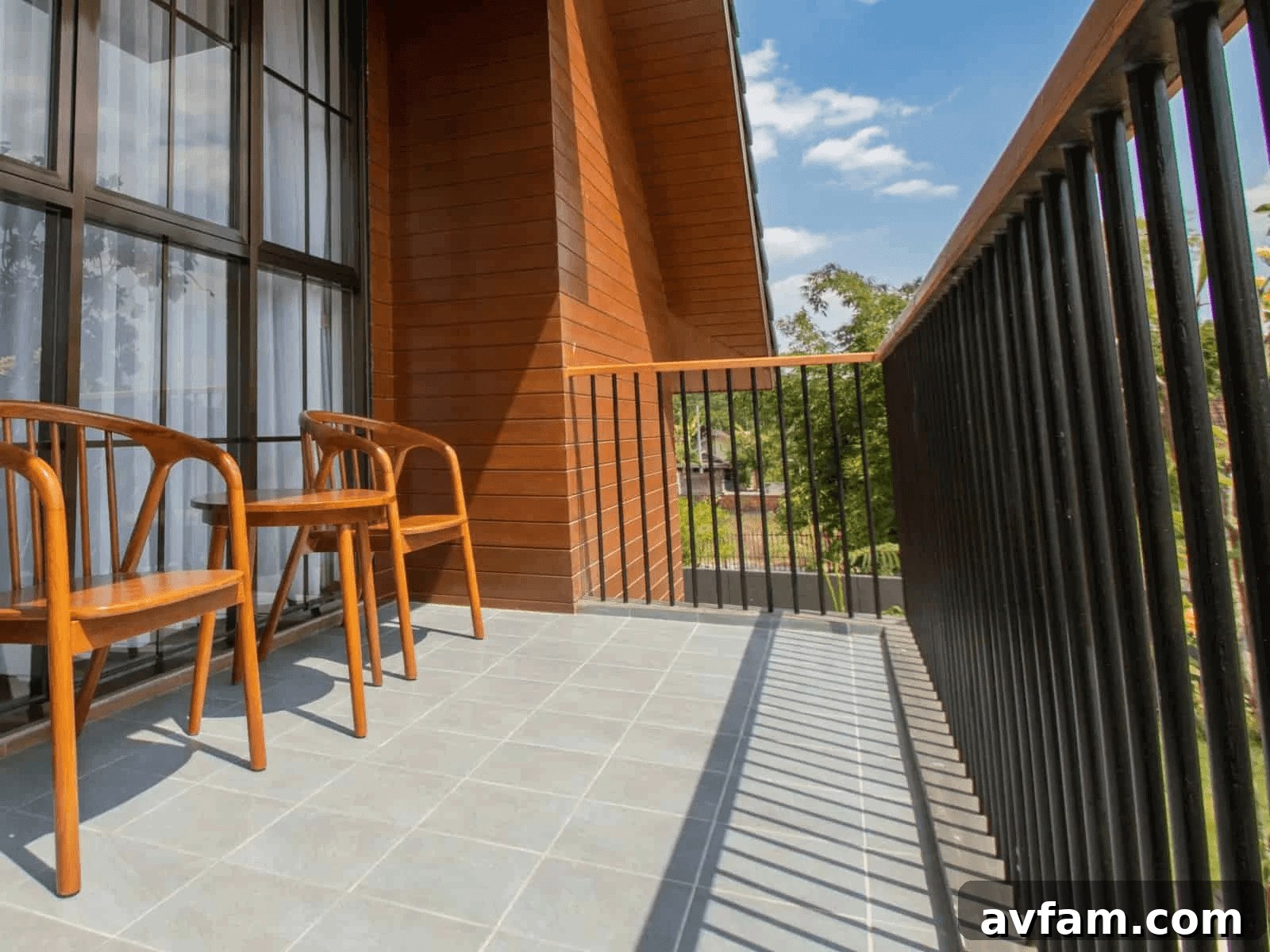
Honest estimating for older buildings accepts some uncertainty. You cannot know the condition of every joist until the surface comes off. Contractors differ in how they handle that unknown.
A weak bid ignores concealed issues and issues change orders later. A strong bid names the assumptions, sets an allowance for concealed damage and defines the unit rate that applies if more is found. That way the owner sees the exposure up front rather than in week three of construction.
Ask every bidder one question: what happens if the framing is worse than expected? The answer separates thorough estimators from salespeople selling a low number.
One contract or several
Splitting work across multiple contractors can look cheaper on paper but rarely finishes that way. Every handoff between trades creates a seam that belongs to nobody. Those seams are where balconies fail:
- Demolition crews leave behind a substrate they did not inspect, which the carpenters then inherit.
- Carpenters finish, and a coating contractor finds the slope is incorrect.
- A coating crew seals the deck, and a railing crew drills through it afterward.
- When something leaks, each firm points to the one that worked before them.
- Manufacturers may void warranties if installation deviated from their specifications.
- The owner ends up managing disputes instead of the building’s maintenance.
Keeping repair, membrane, surface and railings under one licensed crew removes those seams and places a single warranty on the finished result. Decks & Balcony, for example, backs its workmanship for two years, with membrane systems carrying the manufacturer’s warranty on top of that.
Timelines that mean something
Duration estimates should be tied to units, not to the entire property. A typical single-balcony repair that includes joist replacement, surface restoration and waterproofing commonly runs one to three days. A full balcony reconstruction tends to run five to ten days. Multiply those durations by the count, add mobilization and weather contingencies, and the schedule becomes realistic.
Phasing should appear in the bid. Occupied buildings cannot lose every balcony at once. A credible proposal states how many units each phase affects, how residents will be notified and how much advance warning they will receive.
Ask about emergency response times separately. Something will need attention outside the planned schedule at some point. Established clients generally see a 24-hour response window; newer properties might expect 48 hours.
The line items bids forget
Some real costs rarely get written down and then surface later as extras—this is how a low bid becomes a mid-priced one.
Staging is a common example. Lifts and equipment need room to sit, and that space often consumes resident parking. Debris removal matters: demolished framing and old coatings require containers, which need a permitted spot. Protection matters too—vehicles, landscaping and finished surfaces below the work all need coverings and safeguards.
Working hours belong in the bid. Noise ordinances differ by city, and associations often add their own rules. A schedule based on ten-hour workdays may conflict with CC&Rs and delay progress.
What the paperwork should include
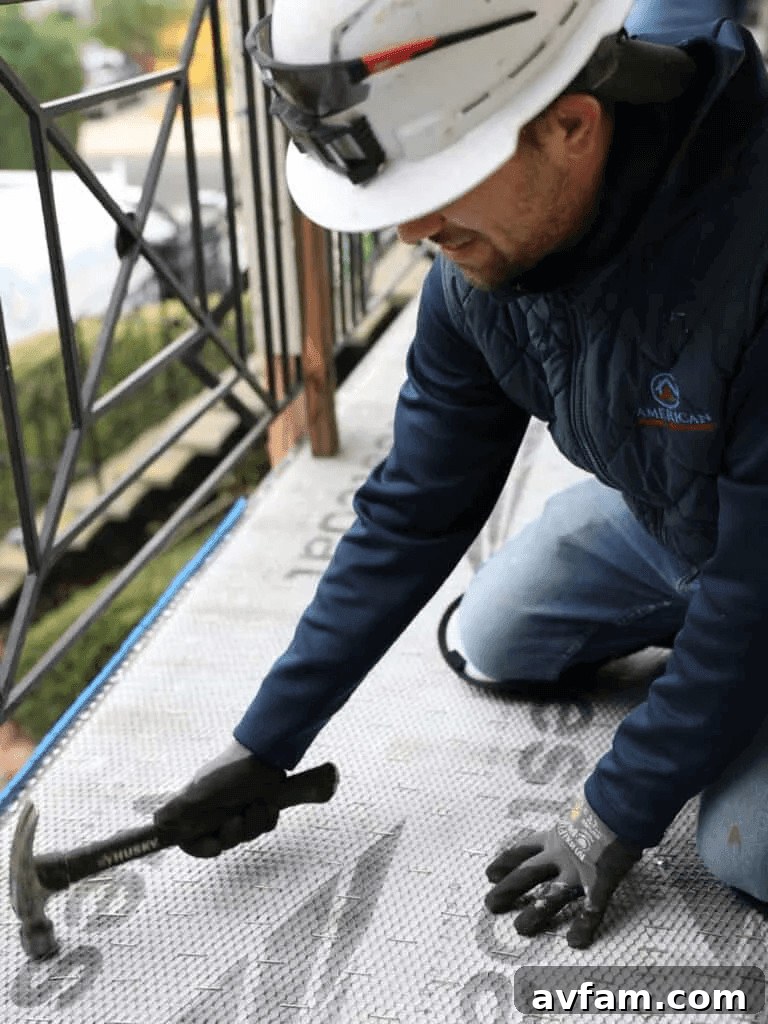
The end of the job matters as much as the middle. Ask what arrives with the final invoice. As-built documentation should go in the property file, along with photographs of concealed work taken before it was closed up. Product data for the installed system and warranty registration belong there too.
That file has a long life. Rental buildings and associations are subject to periodic inspections and staff turnover; the next inspector will read records, not memories.
Comparing like with like
The practical fix is simple: give every bidder the same written scope, or ask each to state their assumptions in writing. Then the numbers become comparable, and the lowest bid may legitimately win on merit.
One further efficiency is worth noting. Combining the inspection and resulting repairs into a single contract typically saves 15–25 percent because the assessment work is not duplicated. Decks & Balcony offers a free on-site consultation with no obligation and follows with a detailed written estimate within five business days. That estimate is built to be read line by line—and every bid deserves the same care.