
Unlocking Style on a Budget: The Unexpected Elegance of Plywood Flooring
For decades, hardwood flooring has held an undeniable charm in home design, dominating sales and decorating trends with its natural beauty and exceptional durability. It’s a material revered for its ability to enhance a home’s aesthetic, providing a timeless foundation that complements a vast array of interior styles. From classic oak to exotic cherry, the diverse range of colors, grains, and textures available in solid wood makes it a sought-after choice for homeowners aiming to achieve a sophisticated and lasting look. However, the aspiration for gleaming hardwood often bumps into a significant hurdle: its considerable cost. Installing genuine hardwood across an entire home, or even just a few rooms, can quickly escalate into a substantial investment, pushing it beyond the reach of many budget-conscious individuals.
The Quest for Affordable Elegance: Why Consider Hardwood Alternatives?
The desire for beautiful, resilient flooring that doesn’t break the bank has driven many to explore ingenious alternatives. While options like laminate, vinyl plank, and engineered wood have gained popularity, one material often overlooked, yet brimming with potential, is making a remarkable resurgence: plywood. Far from its typical role as a subfloor or construction material, plywood is being reimagined as an attractive, durable, and incredibly cost-effective finished flooring option. This innovative approach to flooring offers a fresh perspective for DIY enthusiasts and homeowners looking to infuse their spaces with unique character without the hefty price tag associated with traditional hardwood.
Discovering Plywood: A Versatile and Cost-Effective Flooring Solution
Plywood flooring offers a compelling alternative for those captivated by the aesthetic of wood but deterred by the expense of solid hardwood. Its adaptability and affordability make it an ideal choice, especially for the savvy DIYer. At its core, plywood is an engineered wood product made by gluing together thin layers (veneers) of wood. These layers are oriented at alternating angles, which gives plywood exceptional strength and stability. When transformed into planks and properly installed, it can mimic the appearance of traditional hardwood flooring with surprising realism and charm.
What Exactly is Plywood Flooring?
Instead of purchasing costly pre-finished hardwood planks, plywood flooring involves acquiring large sheets of plywood, cutting them into desired plank sizes, and then installing them as the finished floor. This method allows for immense customization in terms of plank width, length, and even pattern. The key is selecting the right grade of plywood, typically a high-quality hardwood plywood (like birch or oak plywood) or an exterior-grade plywood for its durability and resistance to voids. While the original article alluded to the versatility of plywood through color and texture variation, it’s worth noting that its true potential lies in how it can be treated after installation—stained, painted, or sealed—to achieve virtually any desired look.
Why Choose Plywood Over Traditional Hardwood?
The advantages of opting for plywood flooring are numerous, making it a highly attractive option for a wide range of projects:
- Unbeatable Cost-Effectiveness: This is arguably the biggest draw. Plywood sheets are significantly cheaper per square foot than hardwood planks. You can typically floor an entire room, or even multiple rooms, for a fraction of the cost you would incur with traditional hardwoods, making it an ideal choice for large areas or extensive renovations on a tight budget.
- DIY-Friendly Installation: With basic woodworking skills and tools, installing plywood flooring is a highly achievable DIY project. While it requires precision, the process is generally less complex and more forgiving than installing solid hardwood, which often demands specialized tools and expertise.
- Exceptional Versatility in Aesthetics: Plywood serves as a blank canvas. It can be stained to replicate various wood species, painted for a bold or minimalist look, or left in its natural state for a rustic or industrial feel. The possibilities are virtually endless, allowing for complete creative control over your floor’s final appearance.
- Good Durability (with Proper Finishing): While not as hard as some exotic hardwoods, quality plywood, especially when properly sealed and maintained, can withstand considerable wear and tear. Its engineered construction makes it relatively stable and less prone to gapping or cupping than solid wood in fluctuating humidity.
- Sustainable Option: In many cases, plywood can be sourced from sustainably managed forests. Choosing it over exotic solid hardwoods can be a more environmentally conscious decision, especially if you opt for brands with FSC (Forest Stewardship Council) certification.
Transforming Plywood into Stunning Floor Planks
The journey from a plain sheet of plywood to a beautiful finished floor involves a few crucial steps that unleash its aesthetic potential.
Selecting the Right Plywood Grade
The type of plywood you choose will significantly impact the look and longevity of your floor. Avoid construction-grade plywood, which often has voids and imperfections. Instead, look for higher-grade options:
- Hardwood Plywood: Made with veneers from birch, maple, oak, or other hardwoods, these sheets offer a smooth, attractive surface suitable for staining. Birch plywood, in particular, is popular for its fine grain and light color, which takes stains beautifully.
- Baltic Birch Plywood: Known for its uniform, void-free core and multiple thin plies, Baltic birch is highly stable and strong, making it an excellent, albeit slightly pricier, option for premium plywood flooring.
- Exterior Grade Plywood: While not typically chosen for its aesthetic, exterior-grade plywood is bonded with waterproof glue, making it more resistant to moisture, which can be an advantage in certain areas, though it may require more surface preparation.
Preparing Your Plywood: Cutting and Sanding
Once you’ve selected your plywood sheets, the transformation begins. You’ll want to cut the large sheets into planks of your desired width and length. Common widths range from 4 to 8 inches, mimicking traditional hardwood planks. A table saw with a fine-tooth blade is ideal for achieving clean, straight cuts. After cutting, each plank should be thoroughly sanded. Start with a coarser grit sandpaper (e.g., 80-100 grit) to remove any imperfections or mill marks, then progress to finer grits (120-150 grit, then 180-220 grit) to achieve a smooth, ready-to-finish surface. This meticulous sanding is critical for ensuring that stains absorb evenly and finishes adhere properly, making the plywood look more refined and less like a utilitarian building material.
The DIYer’s Guide to Plywood Floor Installation
One of plywood flooring’s most appealing attributes is its relative ease of installation compared to other flooring types. However, “easy” doesn’t mean skipping essential steps. Careful planning and execution are vital for a professional-looking and durable result.
Essential Tools and Materials
Before you begin, gather your supplies: plywood sheets, a table saw or circular saw with a guide, sandpaper (various grits), a nail gun or hammer, flooring nails or screws, wood glue (optional but recommended for stability), measuring tape, a pencil, a chalk line, spacers, and your chosen finish (stain, paint, sealant).
Subfloor Preparation: The Foundation of Success
Just like any flooring installation, a solid, clean, and level subfloor is paramount. Ensure your existing subfloor is free of debris, completely dry, and perfectly flat. Address any squeaks by screwing down loose areas. If there are significant undulations, consider leveling compounds. A well-prepared subfloor prevents future issues like uneven planks, squeaks, and premature wear.
Laying Your Plywood Planks: Patterns and Precision
You have a vast array of pattern options when laying plywood planks. The most common is a staggered or random plank pattern, similar to traditional hardwood. However, you could also experiment with herringbone, chevron, or even basket weave patterns for a truly unique look. Start laying planks from one wall, typically the longest, working your way across the room. Use spacers against the walls to maintain an expansion gap, which is crucial for allowing the wood to naturally expand and contract with changes in humidity.
Fastening Methods: Nails, Screws, and Adhesives
The original article noted simply “attach those to your floor using flooring nails.” While nails are a valid option, especially pneumatic flooring nails, screws can offer superior holding power and reduce squeaks. Many DIYers opt for a combination of wood glue applied to the back of the planks and screws or nails to secure them firmly to the subfloor. Ensure fasteners are countersunk slightly below the surface so they can be filled and hidden before finishing. For a more industrial or visible aesthetic, some homeowners intentionally leave screw heads exposed, using decorative screws as part of the design.
Unleashing Creativity: Finishing Options for Plywood Floors
This is where plywood truly shines as a customizable flooring material. The finish you choose will dictate the final look, feel, and durability of your floor.
Stains: Deepening the Natural Beauty
If you appreciate the natural wood grain but want to alter its color, wood stain is your best friend. Plywood, particularly birch, takes stain beautifully. You can choose stains that mimic oak, walnut, or cherry, or opt for more contemporary grey or white washes. Always test your stain on a scrap piece of plywood first, as the final color can vary significantly based on the wood’s natural tone and porosity. Apply stain evenly and wipe off excess for a consistent finish.
Paints: A Canvas for Personal Expression
For a bold, modern, or whimsical look, paint offers limitless possibilities. You can paint your plywood floors a solid color, create stripes, stencils, geometric patterns, or even checkerboards. Light colors can make a room feel larger and brighter, while dark colors can add a dramatic, sophisticated touch. Ensure you use a high-quality floor paint designed for heavy foot traffic and apply multiple thin coats for durability.
Sealants: Protecting and Enhancing Your Investment
Whether you stain or paint your plywood, or leave it in its raw state, sealing is non-negotiable for longevity and protection. A good sealant protects against moisture, spills, scratches, and everyday wear and tear, making your floor easier to clean and maintain. As the original article mentioned, you can choose a high-gloss finish for a shiny, polished look or a matte sealant for a more natural, raw aesthetic that complements industrial or minimalist designs.
- Polyurethane: This is the most common and durable sealant for wood floors. Available in oil-based (more durable, ambering effect) and water-based (dries faster, clearer finish) formulas, polyurethane offers excellent protection against scratches and moisture.
- Epoxy: For extremely high-traffic areas or a very modern, robust, and sometimes glossy finish, epoxy coatings can be applied. They offer unparalleled durability and chemical resistance.
- Penetrating Oils/Waxes: For a truly natural, matte finish that highlights the wood’s texture, penetrating oils or hardwax oils are excellent choices. They soak into the wood rather than forming a film on top, providing a more “raw” feel and are easily repairable.
Design Inspiration: Plywood Floors for Every Aesthetic
The adaptability of plywood flooring means it can suit an incredibly diverse range of interior design styles.
Modern Minimalist
For a clean, uncluttered look, consider light-colored stains or a clear, matte sealant on birch plywood. This creates a bright, airy foundation that allows furniture and decor to stand out. Simple, wide planks laid in a regular pattern enhance the minimalist aesthetic.
Rustic Charm
Embrace the natural imperfections and grain variations of plywood. A light stain that enhances the wood’s warmth, or even leaving it raw with a matte oil finish, can complement a rustic farmhouse or cabin style. Paired with exposed beams and natural textures, plywood can add an authentic, earthy feel.
Industrial Edge
Plywood flooring is a perfect match for industrial interiors. Its raw, utilitarian nature beautifully complements exposed brick, metal accents, and concrete elements. A clear, low-sheen sealant highlights the plywood’s texture. As the original article suggested, this raw look is an ideal complement to exposed pipes and other “unfinished” elements, creating a cohesive, edgy aesthetic.
Geometric Patterns
Beyond simple plank layouts, plywood’s versatility allows for intricate geometric patterns. Think painted checkerboards, bold stripes, or even custom stenciled designs. This is a fantastic way to add a playful or artistic touch to a room, especially in children’s rooms or creative spaces.
Maintaining Your Plywood Floors: Care and Longevity
Proper care is essential to ensure your plywood floors remain beautiful and durable for years to come.
Regular Cleaning
Sweep or vacuum regularly to remove dirt and grit, which can scratch the finish. For deeper cleaning, use a damp mop with a pH-neutral cleaner specifically designed for sealed wood floors. Avoid excessive water, as moisture is the enemy of any wood product.
Protecting Against Moisture
Plywood is susceptible to water damage. Mop up spills immediately. In areas prone to moisture, like kitchens or bathrooms, ensure you’ve used a highly water-resistant sealant and consider using rugs or mats in high-splash zones. Proper ventilation is also key.
Addressing Wear and Tear
Minor scratches and scuffs can often be touched up with a matching stain pen or a light re-application of sealant in localized areas. For heavily worn floors, a complete re-sanding and re-finishing might be necessary, much like traditional hardwood, extending its lifespan considerably.
Plywood vs. Other Budget-Friendly Flooring Options
While plywood offers unique advantages, it’s helpful to understand how it compares to other popular affordable flooring choices.
Plywood vs. Laminate
Laminate flooring is typically a multi-layer synthetic product fused with a lamination process. It offers a wide variety of designs, including realistic wood and stone looks. While often easier to install (click-lock systems) and very scratch-resistant, laminate can sound hollow, is difficult to repair if damaged, and cannot be refinished. Plywood offers a genuine wood feel and can be refinished multiple times.
Plywood vs. Vinyl Plank (LVT/LVP)
Luxury Vinyl Tile/Plank (LVT/LVP) is renowned for its excellent water resistance and durability, making it ideal for bathrooms and kitchens. It can also mimic wood and stone effectively. However, it is a synthetic product with no natural wood components. Plywood provides the warmth and character of real wood, along with the ability to customize finishes, which LVT does not.
Plywood vs. Engineered Wood
Engineered wood flooring has a top layer of real wood veneer over a core of plywood or MDF. It shares some advantages with plywood, such as stability. However, engineered wood is generally more expensive than DIY plywood flooring and offers less customization in terms of plank size and raw wood aesthetics. The top veneer layer can also only be sanded a limited number of times.
Is Plywood Flooring Right for Your Home? Considerations and Potential Drawbacks
While plywood flooring offers significant benefits, it’s important to consider potential drawbacks. It may not be as hard-wearing as some premium hardwoods without a robust sealant. It’s also more susceptible to moisture damage if not properly sealed and maintained. The “DIY” aspect, while a cost-saver, requires time, effort, and a certain level of skill. Additionally, for resale value, custom plywood floors might appeal to a niche buyer rather than universally boosting property value in the same way traditional hardwood might.
Embrace the Potential: Your Plywood Flooring Journey Awaits
Plywood flooring stands out as an ingenious, versatile, and budget-friendly alternative to traditional hardwood. It empowers homeowners and DIY enthusiasts to create truly unique and personalized spaces, transforming a humble building material into a statement of style. From its cost-effectiveness and ease of installation to its boundless finishing options, plywood offers a compelling solution for anyone looking to achieve a stunning wood floor without the exorbitant price tag. So, would you consider this as an alternative to hardwoods? The possibilities are as vast as your imagination.
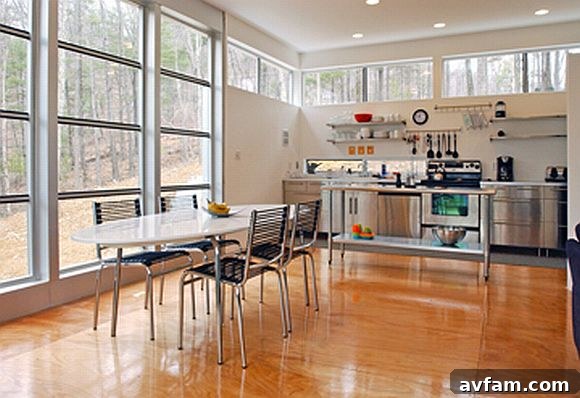
Photo courtesy of DIY Maven.