
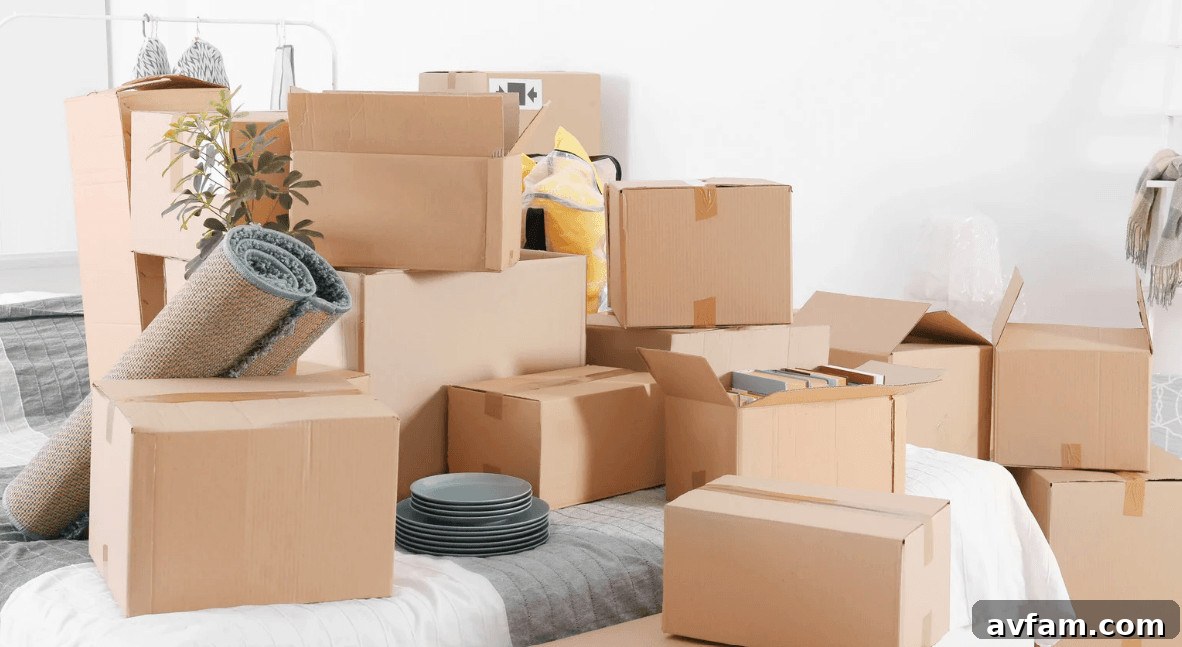
Trading Southern California for the Connecticut coast is a larger adjustment than a map suggests. Many Angelenos relocate to Greenwich for work in the New York area, family ties, or simply for more space. No matter where you’re coming from, the boxes and stairs are seldom the biggest challenges.
What causes the most trouble are often the small, overlooked details: a parking restriction nobody checked, an internet installation that arrives days late, or a treasured armchair that won’t fit through the hallway. Greenwich presents its own set of logistics—historic and modern homes sit side by side, private roads feed into busy thoroughfares, and neighborhoods can have different rules. You cannot plan for every contingency, but most moving-day surprises are predictable when you know where to look.
Why a Greenwich move needs more than a standard checklist
If you’re used to Los Angeles ranch houses and open-plan layouts, Greenwich homes can be a surprise. Older colonials often have narrower staircases, smaller landings, basements, and attics. Apartment and condo buildings frequently require elevator reservations, scheduled loading times, or a certificate of insurance from your mover before a truck is allowed on site.
A wide driveway does not always guarantee easy truck access. Long or steep backcountry driveways and private roads governed by homeowners associations can force a full-size moving truck to park on the street, or require a smaller shuttle truck for the last leg. This changes timing and costs, so identify driveway, street, and association rules ahead of time.
Route planning matters: commercial vehicles, including moving trucks, are prohibited on the Merritt Parkway, so trucks must use I-95 or local roads. Downtown Greenwich and the area around Greenwich Avenue are often congested with limited curbside parking, so contact the town administration early to confirm legal parking locations for your moving truck.
When evaluating moving companies, ask how each would handle your specific building type, driveway, and parking restrictions, and whether access-related services are already included in the estimate.
The hidden price of last-minute decisions
Most people budget for boxes and transportation, but fewer set aside funds for extra labor when furniture needs disassembly or when the carrying distance from the truck to your door turns out to be much longer than expected. Same-day changes increase labor time, can delay other scheduled jobs, and often inflate the final bill. Many expensive problems start as five-minute oversights.
Long-distance moves carry additional requirements. Any mover transporting goods across state lines must be registered with the federal motor carrier authorities, so verify the carrier’s registration number before signing a contract. Ask whether your written estimate is binding and get the expected delivery window in writing. Cross-country shipments typically arrive within a range of days rather than on a fixed date, and that affects when you book hotels, schedule cleaners, and set utility start dates.
Plan backward instead of forward
Most moving guides start with packing every room, which can lead to wasted time and misplaced priorities. A more practical approach begins by picturing your first evening in the new house. Ask: which room must be functional immediately? What items absolutely cannot go missing? Which pieces of furniture need to be assembled before bedtime?
Planning backward shifts focus to essentials. Phone chargers and bedside lamps matter more than decorative pillows. Coffee mugs become more important than framed art that can wait until the weekend. For long-distance moves, decide what you’ll carry with you versus what goes on the truck, since the truck may arrive days after you do.
Divide belongings by priority
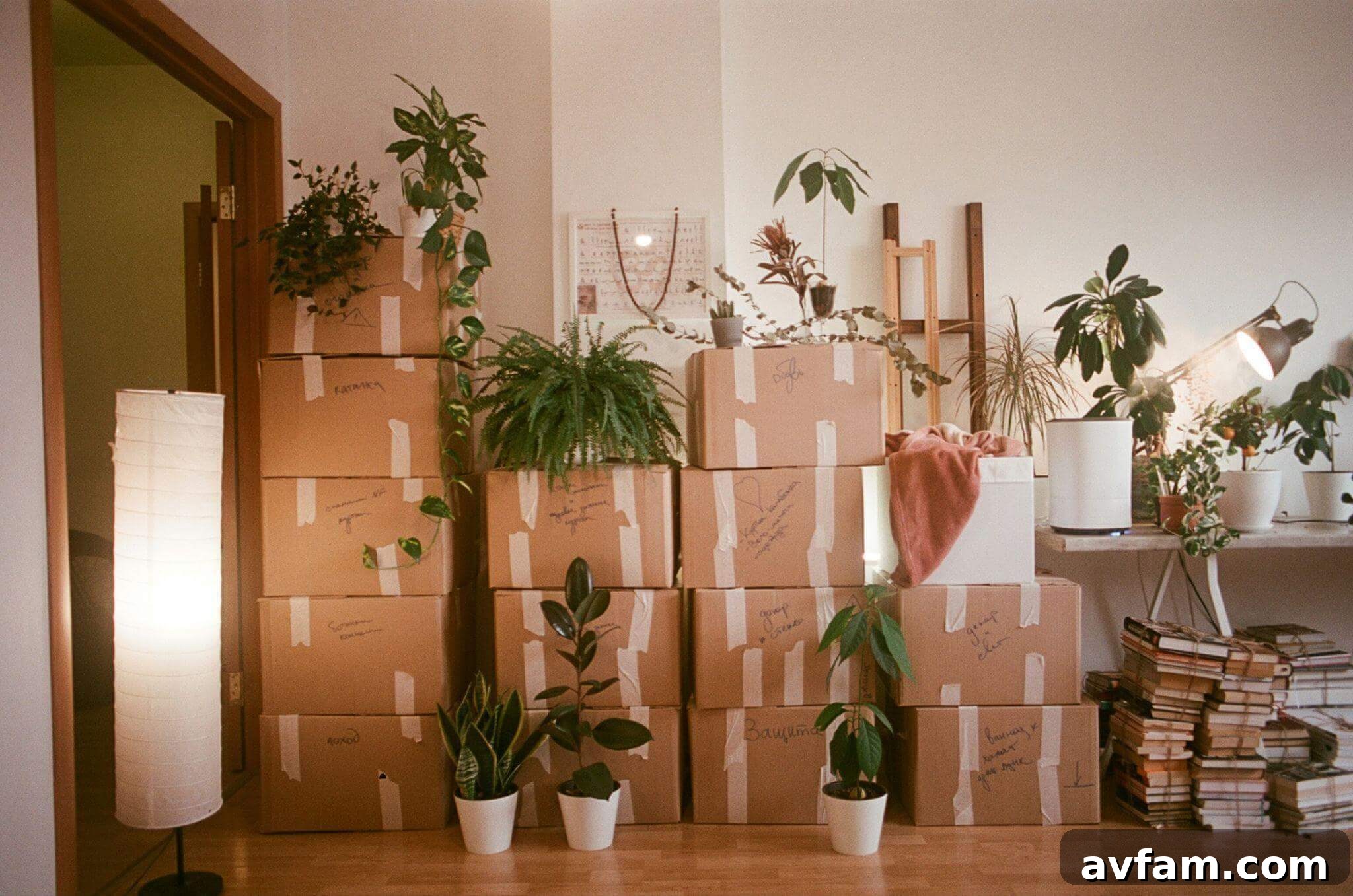
Instead of writing exhaustive descriptions on each box, sort items into three clear categories to simplify unpacking and reduce decision fatigue.
- Open first: documents, medications, chargers, toiletries, basic kitchen items, and seasonal outerwear if you’re moving in colder months.
- Within one day: bedding, towels, everyday clothing, and essential cleaning supplies.
- Later: books, decorations, seasonal items, and hobby equipment.
This three-group system streamlines choices and prevents the mental exhaustion that comes from making hundreds of small decisions during packing and unpacking.
Measure the route, not just the furniture
Many people measure sofas and other large pieces before a move but forget to measure the route those items must travel inside the new home. Doorway width matters, but so do hallways, stairwell clearance, ceiling heights at landings, and tight turns. These factors are especially important when moving from a single-story Los Angeles home to a multi-level colonial in Greenwich.
A sofa must clear every doorway, landing, and turn on the way to its final placement. Ask the seller or your real estate agent for measurements of key doorways and stairways, and spend five minutes with a tape measure to avoid hours of struggling with oversized furniture—or the expense of shipping items 3,000 miles that won’t fit.
The digital move counts too
Modern moving involves more than physical belongings. Schedule internet service, transfer insurance policies, update delivery addresses, and arrange utilities before moving day. Book internet installation a few weeks in advance—appointment slots fill quickly.
Set up mail forwarding with the postal service to ensure important mail reaches your new home. Connecticut law gives new residents a limited window to update driver’s licenses and vehicle registrations, so check the current DMV deadlines and prepare the needed documents before you arrive.
A better move starts before the first box
The smoothest Greenwich moves rarely happen because everything goes perfectly; they occur because small problems are identified and resolved before they become moving-day emergencies. Measuring doorways, confirming truck access, preparing an essentials box, and verifying parking rules all reduce stress and delay.
Plan for the foreseeable surprises—those you can anticipate—and your move will feel organized and manageable from the first box to the last key turn.