
Your Complete Guide to Planning and Building the Perfect Backyard Deck
A backyard deck is more than just an outdoor platform; it’s a transformative addition to your home. It creates an inviting space for morning coffee, family barbecues, and quiet evenings under the stars. While the finished product may look effortlessly simple, a truly great deck is the result of meticulous planning. It should feel like a natural extension of your home, not a hastily attached afterthought.
Achieving this seamless integration requires careful consideration of layout, materials, long-term maintenance, and even unseen factors like drainage. Many homeowners jump straight to browsing design photos, but the most successful projects begin with fundamental questions. How will you actually use this space? What level of upkeep is realistic for your lifestyle? What environmental challenges will your deck face over the next decade?
Answering these questions first will guide every subsequent decision, from the choice of boards to the placement of stairs, ensuring the final result is both beautiful and perfectly functional for years to come.
Before You Build: Defining Your Deck’s Purpose
It’s tempting to start the planning process by looking at impressive, large-scale designs online. However, a sprawling, multi-level deck that looks stunning in a magazine might not align with how you and your family actually live. The most common mistake is overbuilding, creating a space that is too large or complex for its intended use.
The key to a successful design is to put function before form. Before you think about colors or railing styles, consider your daily life. Do you envision a bustling hub for grilling and dining with friends? Or do you need a safe, contained area for children to play? Perhaps your ideal outdoor space is a private sanctuary for reading and relaxation. The perfect deck for one family could feel completely impractical for another.
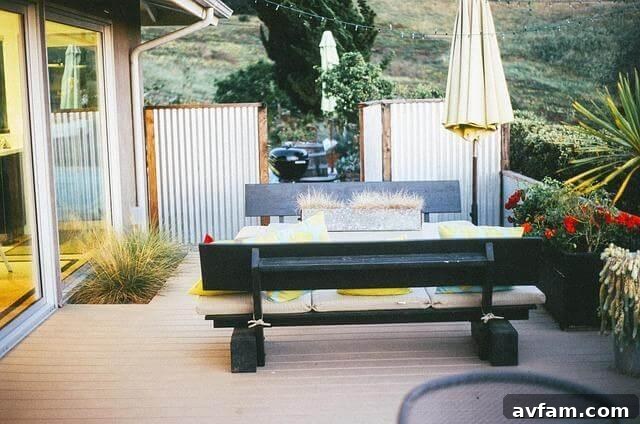
Think about the practical details. Consider traffic flow from the house to the yard. How does the sun move across the area throughout the day? Features like built-in seating, integrated planters, and dedicated storage can dramatically improve usability. Even a seemingly minor detail, like the placement and width of the stairs, can completely alter how you interact with your yard.
Once you have a clear vision of your lifestyle needs, selecting materials becomes much simpler. Homeowners often spend time comparing stone and composite decking materials because each offers a unique mix of aesthetics, durability, and maintenance requirements. Some prefer the authentic look of natural wood, while others value the low-maintenance appeal of modern composites. The best choice isn’t about following a trend; it’s about finding a surface that supports the way you plan to live on your deck.
Budgeting for Your Deck: More Than Just Materials
One of the most significant surprises for homeowners building a deck is the range of costs that extend beyond the decking boards and railings. A comprehensive budget must account for the entire scope of the project, from initial prep work to the final touches.
Essential costs often include building permits, professional labor, site preparation like grading, and foundation footings. You may also need to budget for electrical work for lighting and outlets, as well as adjustments to your home’s drainage system. On older properties, it’s not uncommon to uncover unexpected issues once construction begins, so building a contingency fund into your budget is a wise move.
Your budget should also consider the long-term financial picture. Natural wood like pressure-treated pine may have a lower upfront cost, but it requires regular staining, sealing, and potential board replacements to prevent rot and wear. Conversely, composite and PVC decking products command a higher initial price but significantly reduce annual maintenance costs and effort. Investing more at the start can save you a great deal of time and money over the life of the deck. After all, the goal is to spend your weekends enjoying the space, not laboring over it.
Navigating Building Codes and Permits Like a Pro
While a deck might feel like a simple addition, it is a significant structural element attached to your home. Consequently, most municipalities have strict building codes and require permits and inspections for deck construction. These regulations are not arbitrary obstacles; they are in place to ensure your family’s safety.

Critical errors in construction—such as improper footing depth, insecure ledger board attachment, or weak railings—can lead to structural failure and serious safety hazards. Exposure to rain, snow, and fluctuating temperatures only magnifies these risks over time. Before breaking ground, it is crucial to understand your local requirements for:
- Permit applications and approval processes
- Required setbacks from property lines
- Structural load-bearing capacities
- Proper dimensions for stairs (rise and run)
- Minimum guardrail height and spindle spacing
- Required footing depth to get below the frost line
- Regulations for any electrical or gas line installations
Attempting to bypass this step can result in costly project delays, failed inspections, and, in worst-case scenarios, an order to tear down a non-compliant structure. A reputable contractor will manage the permitting process, but as the homeowner, understanding these fundamental requirements empowers you to ensure the job is done right.
Choosing the Right Decking Material for Your Home
The material you choose for your deck surface is one of the most important decisions you’ll make, impacting its appearance, durability, and maintenance needs. Sun, rain, and temperature shifts will all affect how your deck ages, so selecting a material that can withstand your local climate is key.
Pressure-treated lumber is a popular choice due to its affordability and wide availability. However, it requires consistent maintenance to resist rot and warping. Cedar and Redwood offer beautiful natural color and inherent resistance to insects and decay, but they are softer woods that require regular sealing to maintain their appearance. Composite decking has surged in popularity because it combines wood fibers and recycled plastics to create a durable, low-maintenance material that resists fading, staining, and mold. However, some composites can get hot in direct sun and may be more prone to scratching than wood.
Consider the trade-offs of each option. How hot will the surface get in the summer sun? Does it feel comfortable underfoot? How does it perform in a freeze-thaw cycle? The goal is to choose a material that not only looks great on day one but also complements your home and lifestyle for many years to come.
The Unseen Essentials: Drainage and Ventilation
While rarely featured in glossy design magazines, proper moisture management is perhaps the single most important factor in determining your deck’s longevity. Water is the primary enemy of any outdoor structure.
If water is allowed to pool beneath your deck, it creates a perfect environment for mold, mildew, and rot, which can compromise the entire structure and even your home’s foundation. Proper grading of the ground beneath the deck is essential to direct water away from the house. Spacing between the deck boards is also critical, as it allows water to drain through and promotes airflow.
Adequate ventilation underneath the deck is just as important. Trapped, humid air can lead to premature decay, even with pressure-treated lumber. A well-designed deck allows for cross-ventilation, helping the underside dry out quickly after rain. These behind-the-scenes details are easy to overlook, but they are fundamental to preventing costly repairs down the road.
Mastering Sun and Shade for All-Day Comfort
An outdoor living space is only useful if it’s comfortable. A deck that feels perfect in the morning can become an unusable hot spot by mid-afternoon. Before finalizing your design, take time to observe how sunlight travels across your yard at different times of the day and in different seasons. Note the location of trees, your house, and neighboring structures that cast shadows.
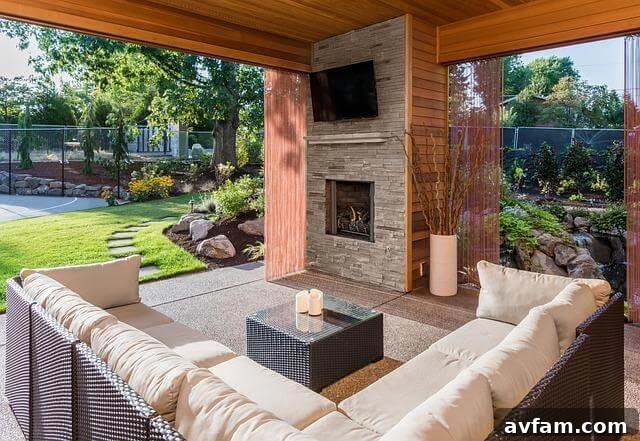
Planning for shade from the beginning can save you money and ensure your deck is a pleasant retreat. Consider integrating a permanent shade structure like a pergola or a covered roof section into the design. Other flexible options include retractable awnings, large cantilever umbrellas, or strategically placed sail shades. Shade not only enhances comfort but also helps protect your decking materials and outdoor furniture from fading and damage caused by constant UV exposure.
Illuminate Your Nights: A Guide to Deck Lighting
Thoughtful lighting can transform your deck from a daytime-only area to a magical evening destination. Good lighting design serves both practical safety and aesthetic purposes. Low-voltage lighting on stair risers and along the perimeter improves safety and helps define the space after dark. Soft, ambient fixtures, such as post cap lights or under-rail lighting, create a warm and inviting atmosphere for entertaining.
Without any lighting, a deck becomes unusable once the sun sets. The goal is to extend the utility of the space into the evening without creating harsh, overpowering glare. Warm-toned LED lights are generally best for outdoor settings as they provide a soft, welcoming glow. Subtle, strategically placed fixtures are far more effective than a few intensely bright ones. A well-lit deck feels like a natural extension of your indoor living area, not a starkly illuminated stage.
How to Hire the Right Deck Building Contractor
The highest quality materials in the world cannot make up for subpar workmanship. Choosing the right contractor is critical to the success of your project. A reliable professional will be transparent, communicative, and skilled.
When vetting potential builders, look for clear written estimates, a portfolio of past work, and positive client references. A good contractor should be able to explain the construction process in detail, provide a realistic timeline, and confidently manage the permitting and inspection process. Be wary of anyone who provides vague answers or uses high-pressure sales tactics. Before signing a contract, be sure to ask about warranties, insurance, and their cleanup process. Trustworthy builders welcome these questions. Often, it’s the simple things—showing up on time, returning phone calls promptly, and listening to your vision—that signal a professional you can trust to bring your dream deck to life.