

Modern life asks more from our homes than ever before. With busy schedules and a growing focus on comfort and functionality, interior doors are evolving beyond simple room dividers. The right door manages privacy, controls noise, supports energy efficiency, and improves a room’s look and feel.
Selecting doors is as important as placing them correctly. A door that works well in one room can be a poor fit in another: too solid for a home office that benefits from light, too restrictive for a pantry that needs airflow, or too susceptible to moisture for a bathroom. Below are clear, practical guidelines to help you choose the best interior doors for each room in your home.
Why Choosing the Right Interior Home Doors Matters
Not all interior home doors perform the same. Construction, core material, and fit determine how well a door functions over time. In a busy household, these performance differences affect comfort, privacy, and durability.
Privacy and Noise Reduction
Quiet, private rooms are essential for rest and concentration. Sound travels through the weakest paths, and a thin or poorly fitted door is often the easiest route. Thicker, heavier doors made from denser materials—such as solid wood or solid-core constructions—do the best job of blocking sound because they minimize gaps and weak points.
Functionality and Space Efficiency
Flow and practicality matter. The type of door you choose affects how people move through rooms and how effectively space is used:
- Swing doors are classic and easy to install, but require clear swing space, so they work best in larger rooms.
- Pocket doors slide into a wall cavity and disappear, making them ideal for tight spaces, though their hidden hardware can be harder to service.
- Sliding doors run on a wall- or ceiling-mounted track and save floor space, while also offering a range of aesthetic options.
Style and Home Value
Doors help tie a home together visually. Using a consistent door style, color, or material throughout creates cohesion and elevates perceived value. Consider these approaches:
- Neutral tones like white provide seamless transitions and highlight furniture and decor.
- Darker shades such as black or deep navy create a bold, sophisticated look when used consistently.
- Matching materials and finishes—consistent wood grain, glass panes, or metal accents—help rooms feel connected even when styles differ.
Understanding the Main Types of Interior Home Doors
Knowing common door types will make your selection easier and more appropriate for each location:
Panel Doors
Panel doors feature recessed or raised panels and provide a timeless, versatile look that fits both traditional and modern interiors.
Flush Doors
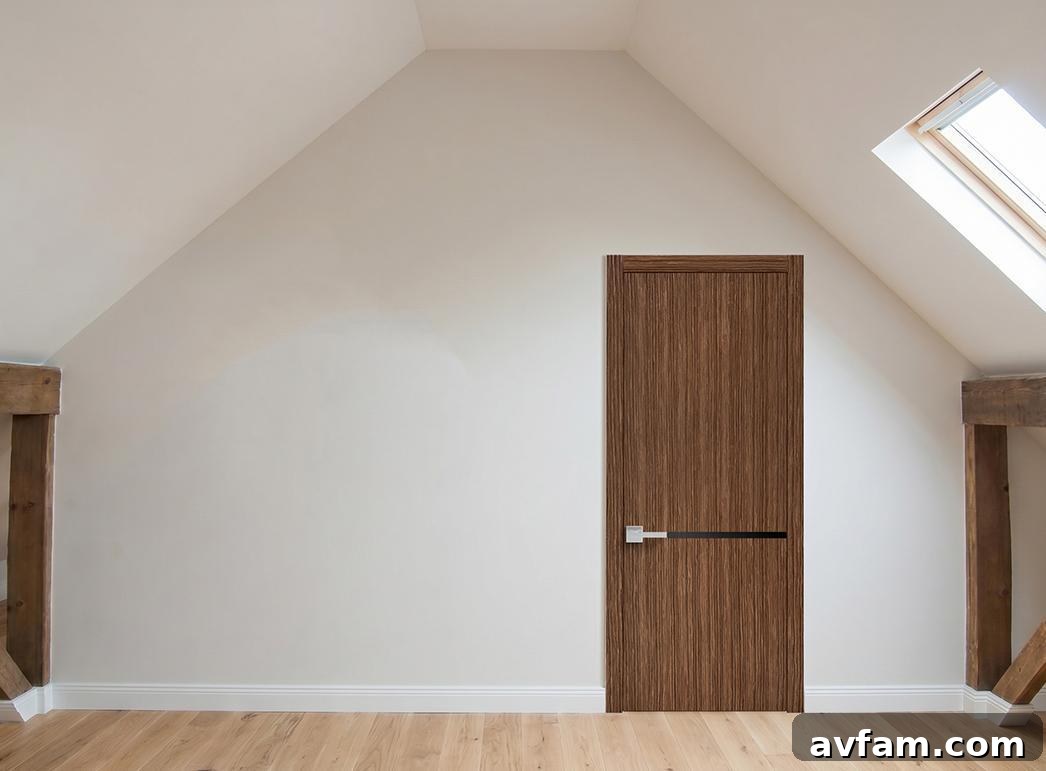
Flush doors have a smooth, unadorned surface and appeal to minimalist aesthetics. They are easy to paint or finish to match any decor.
French Doors
French doors come in pairs with glass panes that let light flow between rooms while offering the option of privacy when needed. They work well for living and dining areas.
Pocket Doors
Pocket doors slide into wall cavities to save space. They are excellent for bathrooms, closets, and tight hallways where a swinging door would be impractical.
Barn Doors
Barn doors slide along exposed tracks and bring rustic or industrial character. They make striking focal points and are useful where full privacy is not required.
Bi-Fold Doors
Bi-fold doors fold back in panels, allowing wide openings in compact spaces. They’re common for closets and pantry doors when you need full access without a large swing area.
Glass Doors
Glass doors increase natural light and create a more open feel. Frosted or textured glass variants preserve privacy while still transmitting light.
Best Interior Home Doors for Bedrooms
Your bedroom should be a quiet sanctuary. Solid-core doors are the best choice for sound insulation and privacy. Simple panel styles—flat, raised, or plank—paired with warm wood veneers create a cozy, inviting atmosphere. Neutral colors and matte finishes reduce glare and help maintain a restful environment.
Choosing Interior Home Doors for Bathrooms
Bathrooms need moisture-resistant doors to prevent warping and mold. Materials like PVC or WPC stand up to humidity, and frosted glass can provide privacy while allowing light to pass through. If ventilation is limited, louvered doors improve airflow and help prevent moisture buildup.
Best Door Options for Home Offices
A productive home office balances privacy with light. Solid-core doors block distracting noise, while frosted or textured glass doors let natural light in without exposing the workspace. Choose doors that support focus while keeping the room visually open when needed.
Ideal Interior Home Doors for Living Rooms and Dining Areas
Living and dining rooms are social spaces where doors impact first impressions. French doors add elegance and light, creating a seamless connection between rooms. Decorative glass doors are another option to introduce style and customization without sacrificing brightness.
Space-Saving Interior Home Doors for Closets, Laundry Rooms, and Pantries
Closets, laundry rooms, and pantries benefit from compact door solutions like pocket, bi-fold, or sliding barn doors. Consider wall cavity space for pocket doors, airflow requirements for louvered panels, and the visual effect you want when choosing among these options.
Common Mistakes to Avoid When Selecting Interior Home Doors
Function should guide style choices. A beautiful door that doesn’t meet a room’s needs—poor sound insulation for a bedroom or a swelling material for a humid bathroom—can create long-term problems. Measure clearances and consider door swing before purchasing, and avoid using the same door type everywhere; different rooms have different needs for light, privacy, ventilation, and space.
Conclusion
Choosing the right interior doors means matching each door to its room’s specific needs: privacy, noise control, durability, aesthetics, and space. There’s no one-size-fits-all solution. Thoughtful choices tailored to function and style help your home feel cohesive, comfortable, and well designed.