
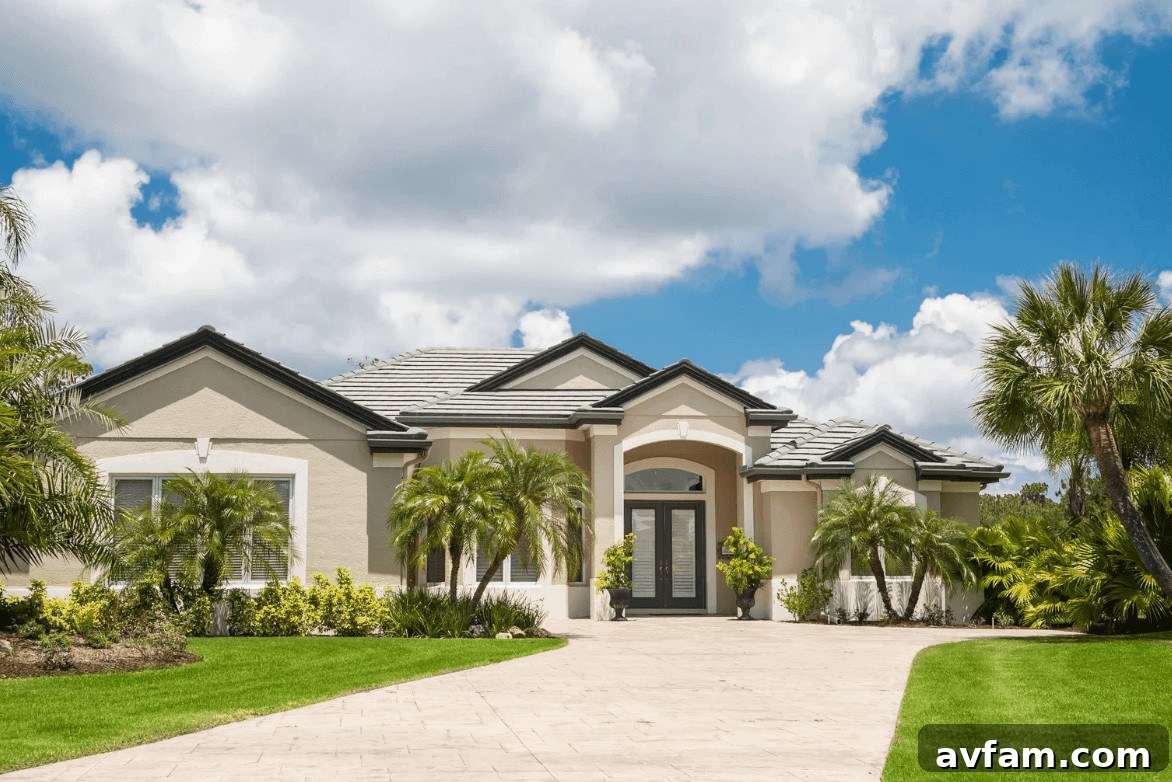
New homes across Pennsylvania are evolving in subtle but meaningful ways. It’s less about trend-driven features and more about creating spaces that support how people live, work, gather, rest, and feel every day.
From suburban neighborhoods outside Philadelphia to the rolling farmland of Lancaster County, the wooded parcels of the Poconos, and the expanding communities around Pittsburgh, buyers want homes that feel personal, practical, and made for everyday life. They want comfortable spaces without excess, style without the showroom feel, and houses that handle busy mornings, quiet evenings, remote work, visiting family, muddy shoes, and shifting seasons.
These design directions aren’t about chasing popular aesthetics. They prioritize steadiness, flexibility, and genuinely livable choices that improve daily routines and long-term satisfaction.
Image source: pexels.com
Flexible Spaces Are Essential
One noticeable shift in Pennsylvania’s new houses is toward flexibility. Rooms that once had a single, formal purpose are now expected to adapt as needs change.
A dining room may double as a homework station during the week. A guest bedroom can function as a home office. Basements are being finished as multi-use spaces—media rooms, gyms, playrooms, or quiet retreats depending on the family’s needs. These flexible zones don’t need to be large; thoughtful design—good light, built-in storage, and some privacy—makes them highly functional.
Builders and designers respond by including bonus rooms, pocket offices, flex lofts, and usable lower levels. The goal is a home that can shift with life stages without requiring frequent costly renovations.
Warm, Natural Materials Are Trending
After years of cool grays and bright whites, there’s a return to warmth and texture. Wood tones, stone accents, and natural textiles are increasingly popular, helping new builds feel grounded and connected to local context.
Materials such as linen, matte tile, warm brick, and brushed metal soften modern finishes and echo Pennsylvania’s architectural roots—farmhouses, barns, and masonry traditions. Skilled local designers can connect these material choices to the landscape and neighborhood, creating homes that feel like they belong where they sit rather than a look applied everywhere.
Regional variations show up in the details: classic millwork and natural stone in Chester County, durable, relaxed finishes near State College, or a blend of clean modern lines with rustic touches in the Lehigh Valley. The aim is authenticity over uniformity.
Energy Efficiency Is Part of Good Design
Energy efficiency has become integral to design. Pennsylvania’s cold winters and humid summers make insulation, window performance, HVAC quality, ventilation, and lot orientation essential to comfort.
High-performance windows, improved insulation, smart thermostats, and efficient heating and cooling systems are common features in modern new homes. These elements reduce energy use and improve day-to-day comfort—warmer winters, cooler summers, quieter interiors—often in ways that aren’t immediately visible but are clearly felt over time.
Good energy-conscious design blends seamlessly into the home while delivering measurable benefits: lower bills, more consistent temperatures, and a more comfortable living environment year-round.
Indoor and Outdoor Living Are Blending
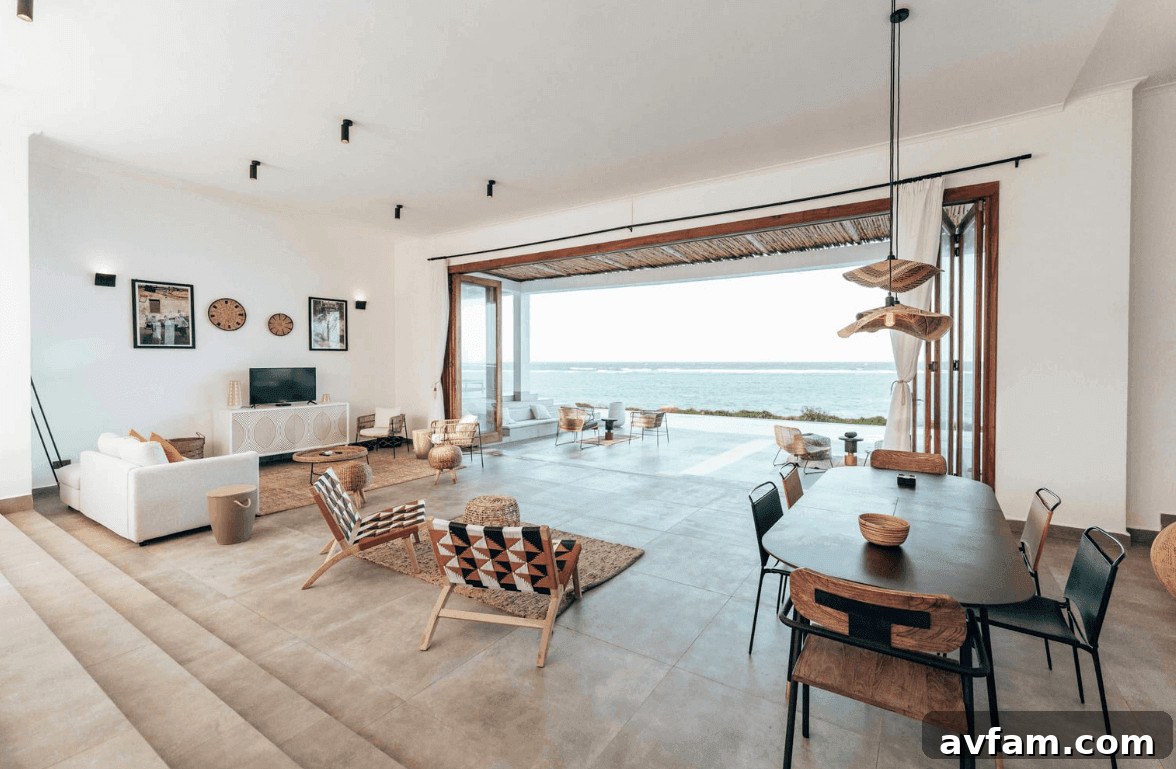
Outdoor spaces are no longer afterthoughts. Porches, patios, and decks are designed as year-round extensions of interior living, with covered areas, durable materials, and intentional layouts that encourage regular use.
Covered porches offer shade in summer, shelter in spring rain, and shelter on crisp fall evenings. Simple, well-executed outdoor spaces—a stone patio, comfortable seating, layered lighting, and a clear view—often outperform elaborate yard designs by being more usable and welcoming.
Features like large sliding doors, screened porches, and thoughtfully placed windows help blur the line between inside and out while preserving indoor comfort, especially in tree-lined or scenic Pennsylvania settings.
Kitchens Are for Gathering, Not Just Cooking
Kitchens continue to be the heart of the home but now serve many roles: cooking, casual dining, homework, remote work, and socializing. Function leads design, and large islands remain popular because they deliver seating, storage, prep space, and integrated outlets for modern needs.
Walk-in pantries and sculleries are rising in popularity to keep clutter out of sight and to streamline entertaining. Secondary prep areas help households that cook frequently or host holidays.
Design choices emphasize warmth and personality over uniformity—stained wood cabinets, soft green or blue accents, stone countertops, handmade tile, and mixed-metal fixtures create kitchens that feel lived-in rather than staged. A successful kitchen is one that works smoothly every day.
Mudrooms and Smart Storage Matter
Practical storage is increasingly prioritized. Mudrooms, drop zones, and built-in organization protect the main living areas from daily clutter and make routines easier—especially in a state with snowy winters and active lifestyles.
Well-planned mudrooms include durable flooring, benches, hooks at varied heights, cubbies, and storage tailored to household habits. Some designs integrate laundry areas, pet-washing stations, or direct access to the garage, which improves functionality and circulation.
Thoughtful storage may not be glamorous, but it shapes the daily experience: when things have a place, the home feels calmer and more orderly.
Smaller Details Add Personality
Homebuyers want personalization that adds character without making a home hard to maintain or adapt. Small, well-placed features—reading nooks, window seats, built-in coffee bars, patterned powder-room tile, custom fireplace surrounds, and compact libraries—give a house personality and tell a story.
New homes in Pennsylvania often carry a sense of regional history; these personal touches help avoid a generic or overly perfect look. The key is restraint: a handful of thoughtful details has more impact than competing features everywhere.
Wellness Shapes Layout and Light
Wellness-driven design focuses on everyday comfort: natural light, good airflow, quiet corners, and restful primary suites. With more people working from home, window placement, calm color palettes, and layouts that minimize noise where people sleep or work are becoming priorities.
Design that supports mental and physical well-being doesn’t always require a dedicated spa or meditation room. Often it’s achieved through small decisions—better daylighting, quieter orientations, and spaces that genuinely allow people to recharge.
Homes That Feel Human
Overall, the defining trends in Pennsylvania’s new homes aim to make living easier, warmer, and more connected to the people who use the spaces. Flex rooms, natural materials, energy-smart systems, intentional outdoor areas, functional kitchens, ample storage, personal details, and wellness-minded layouts all point toward more human-centered design.
Buyers want houses that perform well in everyday life—not just photograph well. They want homes that feel comfortable on a hectic weekday morning, relaxed on a quiet weekend afternoon, and welcoming when family gathers for dinner. That practical warmth and thoughtful utility are driving the next chapter of home design across Pennsylvania.