
Illuminating Your Home’s Future: A Comprehensive Guide to Energy-Efficient Lighting
For years, the warm glow of incandescent lightbulbs was a familiar comfort in homes around the world. But times are changing, and with growing environmental concerns and a global push for energy efficiency, a new era of home lighting has dawned. You’ve likely heard the news: governments worldwide are phasing out traditional incandescent bulbs, ushering in a mandatory shift towards more sustainable alternatives like Compact Fluorescent Lamps (CFLs) and Light Emitting Diodes (LEDs).
This transition isn’t just about complying with new regulations; it’s about embracing a smarter, more cost-effective, and environmentally friendly way to illuminate our living spaces. The journey from Edison’s classic invention to today’s cutting-edge LEDs has been remarkable, transforming not just how we see, but also how we interact with light in our daily lives.
The Global Shift: Why Energy-Efficient Lighting is Non-Negotiable
The push towards energy-efficient lighting isn’t a mere trend; it’s a global imperative driven by significant concerns. Traditional incandescent bulbs, while providing a pleasant light, are incredibly inefficient. Up to 90% of the energy they consume is converted into heat, not light, making them significant contributors to wasted electricity. This inefficiency places a heavy burden on power grids, increases carbon emissions, and inflates household energy bills.
Governments and environmental agencies worldwide have recognized the profound impact of lighting choices. Mandates for phasing out incandescents are designed to reduce overall energy consumption, lessen our reliance on fossil fuels, and combat climate change. By shifting to more efficient technologies, countries aim to achieve ambitious energy targets, ensuring a sustainable future for generations to come. This widespread adoption of CFLs and LEDs represents a pivotal step in reducing our collective environmental footprint and promoting responsible energy usage in every home.
Bidding Farewell to the Incandescent Bulb: A Look Back
For over a century, the incandescent lightbulb was the undisputed king of illumination. Its simple design – a tungsten filament heated to incandescence by an electric current within a vacuum-sealed glass bulb – provided instant, warm light that became synonymous with home and comfort. From chandeliers to reading lamps, incandescents were ubiquitous, offering a predictable and reliable source of light.
However, despite their historical significance and sentimental value, their inherent inefficiencies became too significant to ignore. As mentioned, the vast majority of energy consumed by an incandescent bulb is lost as heat, making them energy guzzlers in an age where energy conservation is paramount. With lifespans typically ranging from 750 to 1,000 hours, they also required frequent replacement, adding to consumer inconvenience and waste. The gradual discontinuation of these bulbs, with 100W, 75W, and even 60W versions becoming increasingly rare or completely extinct in many markets, marks the end of an era and opens the door for superior alternatives.
CFLs: The First Major Leap Towards Efficiency
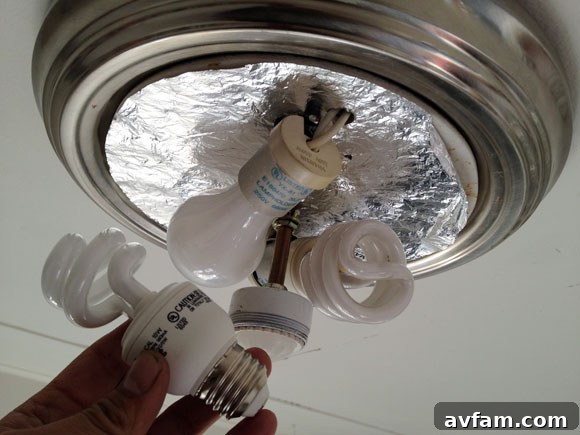
Compact Fluorescent Lamps (CFLs) emerged as one of the first widely adopted energy-efficient alternatives to incandescents. These spiral-shaped bulbs marked a significant step forward, offering substantial energy savings and a longer lifespan. When they first appeared on the market, CFLs were revolutionary, promising to cut electricity bills and reduce the hassle of frequent bulb changes.
Advantages of CFLs:
- Energy Efficiency: CFLs use approximately 75% less energy than incandescent bulbs, leading to significant savings on electricity bills.
- Longer Lifespan: With an average lifespan of 8,000 to 10,000 hours, CFLs outlast incandescents by several years, reducing replacement frequency.
- Reduced Heat Output: Emitting far less heat, CFLs contribute to cooler indoor temperatures, potentially lowering air conditioning costs.
Challenges and Evolution of CFLs:
Despite their benefits, CFLs faced initial resistance and criticism. Early versions were often plagued by a slow warm-up time, producing a dim, often greenish light before reaching full brightness. Their light quality, typically a cooler, harsher white, was a stark contrast to the warm glow of incandescents, leading to consumer dissatisfaction. Dimming capabilities were also limited, and flickering could be an issue.
Perhaps the most significant concern surrounding CFLs is their mercury content. Although the amount is very small – typically 1-5 milligrams per bulb – it poses an environmental risk if bulbs are broken or improperly disposed of. This led to specific recycling guidelines and a heightened awareness about proper hazardous waste management. Over time, manufacturers improved CFL technology, offering warmer color temperatures, faster warm-up times, and better dimming options, but the mercury issue remained a notable drawback as consumers began to look for even more advanced solutions.
LEDs: The Apex of Modern Lighting Technology
Light Emitting Diodes (LEDs) represent the pinnacle of modern lighting technology, offering unparalleled efficiency, longevity, and versatility. Once prohibitively expensive, the cost of LED bulbs has dropped considerably, making them an accessible and highly attractive option for every homeowner. LEDs are not just replacements for old bulbs; they are a fundamental shift in how we think about and use light.
Unrivaled Benefits of LEDs:
- Exceptional Energy Efficiency: LEDs are incredibly efficient, using up to 85% less energy than incandescents and significantly less than CFLs. This translates to drastic reductions in electricity consumption and utility bills.
- Extraordinary Lifespan: LEDs boast an astonishing lifespan, often ranging from 25,000 to 50,000 hours or even more. A single LED bulb can last for decades, virtually eliminating the need for frequent replacements.
- Instant Full Brightness: Unlike CFLs, LEDs illuminate instantly at full brightness, providing immediate light without any warm-up period.
- Durability: LEDs are solid-state lights, meaning they have no filament to burn out or glass tubing to break. This makes them highly durable and resistant to vibrations and impacts.
- Versatile Light Quality: LEDs offer an extensive range of color temperatures, from warm, cozy whites to crisp, cool daylight, allowing homeowners to customize the ambiance of any room. Many are also fully dimmable without flickering or humming.
- Environmentally Friendly: Critically, LEDs do not contain mercury or other hazardous materials, making them a safer and easier-to-dispose-of option compared to CFLs. Their long lifespan also means less waste in landfills.
- Compact Size and Design Freedom: The small size of individual LED chips allows for innovative lighting designs, from sleek fixtures to integrated smart lighting solutions.
Addressing the Initial Drawbacks:
Early LEDs faced challenges with high upfront costs and sometimes inconsistent light quality. However, technological advancements and increased production have driven prices down dramatically. Light quality has also vastly improved, with manufacturers now offering bulbs that perfectly mimic the warm glow of incandescents, alongside a spectrum of other options. While they still represent a higher initial investment than CFLs or the last remaining incandescents, the long-term savings and benefits of LEDs far outweigh the initial outlay.
Navigating the Transition: Practical Tips for Homeowners
Switching to energy-efficient lighting doesn’t have to be overwhelming. Here are some practical tips to help you make a smooth and informed transition:
- Understand Lumens, Not Just Watts: Forget the old wattage equivalency for brightness. Lumens measure light output, while watts measure energy consumption. A 60-watt incandescent bulb produces about 800 lumens, so look for an LED or CFL that offers similar lumen output for comparable brightness.
- Choose the Right Color Temperature: Light color, measured in Kelvins (K), significantly impacts a room’s mood.
- Warm White (2700K-3000K): Mimics incandescent light, ideal for living rooms, bedrooms, and dining areas where a cozy atmosphere is desired.
- Cool White (3500K-4100K): More neutral, good for kitchens, offices, and bathrooms.
- Daylight (5000K-6500K): Closest to natural sunlight, often preferred for task lighting, garages, or areas where bright, clear light is needed.
- Consider Dimmable Options: If you use dimmer switches, ensure you purchase “dimmable” LEDs or CFLs. Standard energy-efficient bulbs may flicker or be damaged by dimmers.
- Assess Your Fixtures: Some older fixtures might not be compatible with certain types of new bulbs, especially if they are enclosed or have heat dissipation issues. While LEDs generate less heat forward, they do dissipate heat backward, so check manufacturer recommendations for enclosed fixtures.
- Phased Replacement: You don’t have to replace all your bulbs at once. Start with the most frequently used lights in your home to maximize immediate savings. When an old bulb burns out, replace it with an LED.
- Proper Disposal of CFLs: Remember, CFLs contain mercury and should not be thrown in regular trash. Look for local recycling centers or hazardous waste disposal sites that accept CFLs. LEDs, being mercury-free, can often be recycled with general electronics.
- Explore Smart Lighting: For those interested in home automation, smart LED bulbs offer features like remote control, scheduling, color changing, and integration with voice assistants.
Beyond Efficiency: The Rise of Smart Lighting
The evolution of lighting hasn’t stopped at energy efficiency. The advent of smart lighting systems, predominantly built around LED technology, is revolutionizing how we interact with light. These sophisticated systems allow for unprecedented control over brightness, color, and even timing, all from a smartphone app or voice command.
Imagine setting your lights to gently wake you up in the morning, having them dim automatically for movie night, or changing the color scheme of your living room with a simple tap. Smart lighting integrates seamlessly with smart home ecosystems, offering enhanced security features (like vacation mode), energy monitoring, and personalized ambiance. This intelligent control not only adds convenience and aesthetic appeal but also provides another layer of energy saving by optimizing light usage based on presence and schedule. The future of lighting is not just bright; it’s smart, intuitive, and deeply integrated into our digital lives.
Embrace the Luminous Future
The shift to energy-efficient lighting is more than just a regulatory change; it’s an opportunity for every homeowner to contribute to a greener planet while simultaneously enjoying significant long-term financial benefits. While the initial investment in LEDs might seem higher, their unparalleled energy savings, exceptional lifespan, and superior light quality make them the clear choice for a modern, sustainable home. The days of incandescent hoarding are rapidly fading, replaced by a luminous future powered by intelligent, efficient, and environmentally conscious lighting. Embrace this change, and illuminate your home with the brilliance of tomorrow.