
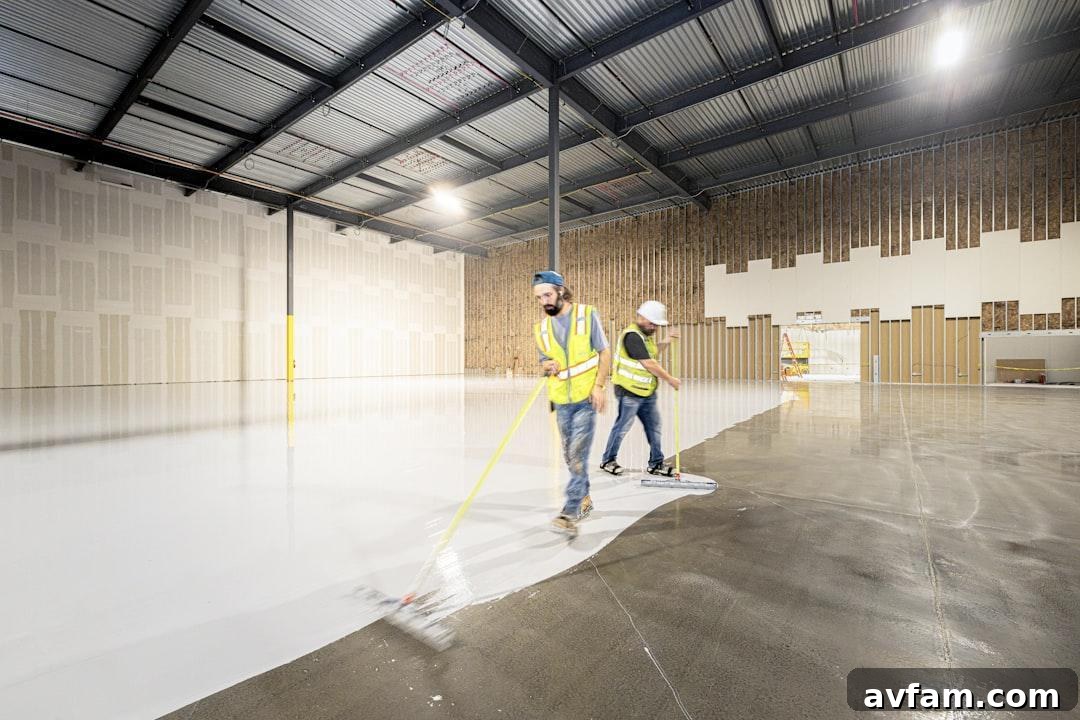
A mop and bucket can handle small spills, but once a floor is large, busy, or heavily soiled, manual cleaning becomes slow, tiring, and often ineffective. In those situations a purpose-built floor cleaning machine pays for itself by cleaning faster, more thoroughly, and with consistent results.
From workshops and garages to gyms, retail spaces and warehouses, the right machine makes large cleaning tasks manageable. Floor cleaning specialists supply and hire machines designed for commercial and industrial use. This guide explains why machines matter, outlines the main types available, and offers practical advice on choosing and maintaining the right equipment for your needs.
Why Manual Cleaning Falls Short
For a small bathroom or a lightly used kitchenette, a mop is usually adequate. Problems arise as floor area and foot traffic increase. Mopping tends to move dirty water around and struggles to remove deeply embedded grime. On high-traffic floors the result is often dull, streaky surfaces that need frequent re-cleaning.
By contrast, cleaning machines scrub, lift and extract dirt, returning the surface clean and dry in far fewer passes. For areas above a few hundred square feet, or anywhere that sees continuous traffic, the efficiency and performance gap between manual and machine cleaning quickly becomes obvious.
Common Types of Floor Cleaning Machines
The term “machine” covers several different tools, each designed for specific floor types and tasks. Understanding the main categories helps you pick the right equipment.
The primary types are:
- Scrubber dryers. Clean and vacuum hard floors in a single pass, leaving them ready to use almost immediately.
- Sweepers. Quickly remove loose dirt and debris from large areas.
- Rotary machines. Provide heavy-duty scrubbing, polishing and finish stripping.
- Carpet extractors. Deep-clean carpets and upholstery by injecting cleaning solution and extracting soil.
Scrubber dryers are generally the most versatile option for hard floors, while sweepers and rotary machines address specific needs such as debris removal or finish care. Choosing the correct machine for the surface and type of soiling is the single most important decision.
How to Choose the Right Machine
Selecting the right machine comes down to matching equipment capability to your space and cleaning demands. Ask clear, honest questions about how and where you will use it, and let function drive the choice.

Key factors to consider:
- Floor type. Match the machine and pad/brush to the surface—tile, sealed concrete, vinyl and wood have different needs.
- Area size. Larger areas benefit from machines with wider heads and bigger solution/recovery tanks.
- Soil level. Heavier grime requires stronger scrubbing power or more aggressive brushes.
- Storage and handling. Ensure you have space for the machine and that staff can operate it safely.
Think about the user as well: walk-behind models suit smaller sites and tighter areas, while ride-on machines increase productivity in expansive spaces. Choosing the right fit improves cleaning quality and extends equipment life.
Buy or Hire: Which Is Better?
Whether to buy or hire depends mainly on frequency of use. Both options have advantages depending on your circumstances.
Consider these points:
- Buy. Cost-effective for frequent, ongoing cleaning; gives immediate access to equipment.
- Hire. Affordable for occasional deep cleans, events or seasonal needs.
- Try before you buy. Hiring lets you test different models to find the best match.
- Budget realistically. Include storage, consumables, servicing and repairs in your cost calculations.
For businesses cleaning daily, ownership often pays off within a year or two. If you only need a machine sporadically, hiring is usually the smarter option. Renting first is also a sensible way to confirm the model you prefer before investing.
Maintaining Machines and Floors
A well-maintained machine performs reliably and protects floor surfaces. Simple daily checks and routine servicing prevent many problems and extend equipment life.
Essential maintenance routines:
- Empty and rinse solution and recovery tanks after each use to avoid residue and odors.
- Inspect and clean brushes, pads and the squeegee; replace worn parts promptly.
- Store machines in a clean, dry area away from extremes of temperature.
- Follow the manufacturer’s servicing schedule and use recommended consumables.
Clean floors are also safer floors. Regular, effective cleaning reduces slip hazards and maintains a professional appearance. Good cleaning protocols and regular machine care deliver consistent results and protect your investment.
Work Smarter, Not Harder
The right floor cleaning machine transforms a time-consuming chore into a quick, effective task. Understand where manual methods fall short, identify the machine type that suits your surface and workload, decide whether to buy or hire, and maintain the equipment properly. With the correct equipment and basic care, you’ll achieve better-looking, safer floors with far less effort.
Frequently Asked Questions
Do I really need a floor cleaning machine?
It depends on your floors and how often they become dirty. For small residential areas, a mop may suffice. For larger spaces, busy commercial environments or heavily soiled floors, a machine saves time and produces superior results. As a general rule, spaces over a few hundred square feet or those with constant foot traffic benefit from mechanised cleaning.
Is it better to buy or hire a machine?
Frequency of use determines the best option. Buy if you need regular, ongoing cleaning; hire for one-off jobs or occasional deep cleans. Hiring also allows you to test different models before committing to a purchase.
Which machine is best for hard floors?
Scrubber dryers are usually the best choice for most hard floors because they scrub and extract in one pass, leaving the floor dry and ready to use. Rotary machines are useful for polishing or stripping, and sweepers remove loose debris efficiently. Match the machine and settings to your floor to avoid damage.
How do I keep a floor cleaning machine in good condition?
Consistent, simple care is key: rinse tanks after use, check and replace worn brushes and squeegees, store the machine in a dry place, and follow the manufacturer’s maintenance schedule. These habits prevent breakdowns, protect floors and extend the life of the equipment.