
Chimney Bee Infestation: Your Definitive Guide to Safe and Humane Removal
The quiet comfort of home can be abruptly interrupted by an unexpected invasion – a honeybee infestation in your chimney. This unsettling scenario recently became a vivid reality for a friend who returned to find her living room buzzing with activity. Tracing the source, she quickly realized the bees were pouring in from the chimney. Her quick thinking was impressive: she immediately covered the fireplace opening with a large sheet of Saran Wrap, then secured it further with painter’s plastic to create an effective seal. This swift action prevented more bees from entering her living space, buying her crucial time to figure out a permanent solution.
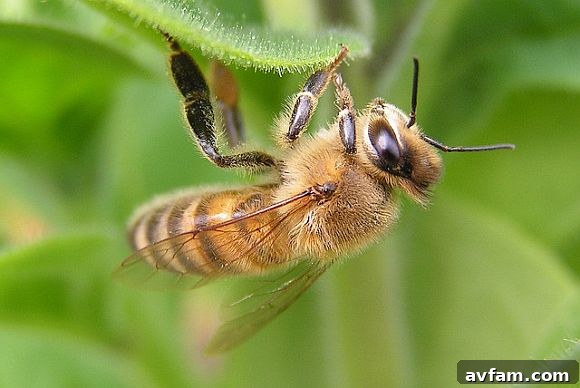
If you have a fireplace and chimney, this unnerving situation is not as rare as you might think. Bees, particularly honeybees, are constantly searching for suitable locations to build new hives or establish swarms. A chimney, with its dark, sheltered, and often undisturbed environment, can seem like an ideal sanctuary. So, if you ever find yourself facing a buzzing chimney, the pressing question becomes: what is the safest and most effective course of action?
Why Do Bees Choose Your Chimney? Understanding the Allure
Before diving into removal methods, it’s helpful to understand why bees might select your chimney as their new home. Chimneys offer several attractive features for a swarming bee colony or a nascent hive:
- Protection from Elements: The enclosed structure provides excellent shelter from wind, rain, and extreme temperatures, ensuring a stable environment for the colony’s survival.
- Predator Defense: The narrow, vertical passage deters many natural predators, offering a relatively safe haven for the queen and her workers to establish themselves.
- Dark and Quiet: Bees prefer dark, secluded spaces to build their comb and raise their young without disturbance. A chimney flue, especially one not in active use, perfectly fits this description.
- Thermal Insulation: The masonry of a chimney provides good insulation, helping the bees maintain the optimal internal temperature for their hive, particularly crucial during colder months or intense heat.
- Accessibility: For a swarming colony on the move, a chimney top can be an easily accessible entry point, leading to a spacious and protected void below that’s often overlooked by homeowners.
While various types of bees, and even wasps, might occasionally take residence in a chimney, honeybees are the most common culprits for large, established hives due to their colony structure and preference for large, enclosed spaces.
Immediate Steps When You Discover Bees in Your Chimney
Discovering a bee infestation can be alarming, but maintaining a calm and methodical approach is crucial. Your actions in the first few hours can significantly impact the safety of your home and the bees themselves. Here are the immediate steps you should take:
- Containment is Key: Similar to our friend’s swift action, your first priority is to prevent bees from entering your living space. Seal the fireplace opening securely. Heavy-duty plastic sheeting, cardboard, or even a wet blanket taped tightly around the edges can serve as a temporary barrier. Ensure there are no gaps for bees to escape.
- Do Not Panic or Agitate: Bees are generally not aggressive unless they feel threatened. Avoid swatting, spraying water, or disturbing them unnecessarily. Stay calm and observe from a safe distance.
- Avoid Lighting a Fire: This is perhaps the most dangerous and misguided advice often given. While it might seem intuitive to smoke them out, doing so can have severe negative consequences, which we will detail shortly.
- Observe, Don’t Interact: Try to observe the bees from a safe distance. Are they a small swarm just resting temporarily, or do they appear to be entering and exiting a specific point, suggesting an established hive with comb and brood? This information will be vital for professionals.
- Contact a Professional Immediately: For chimney infestations, professional help is almost always the best course of action. Do not delay in seeking expert advice from a qualified bee removal specialist or local beekeeper.
The Dangers of DIY: Why You Should Never Light a Fire to Remove Bees
Our friend, like many others, received conflicting advice, including the suggestion to light a fire to drive the bees out with heat and smoke. While this might seem like a straightforward solution, it is fraught with risks and is highly discouraged by bee removal experts and fire safety professionals alike. Here’s why this approach is not only ineffective but also dangerous:
- Severe Fire Hazard: An established bee hive can contain significant amounts of beeswax and honey. These materials are highly flammable. Lighting a fire below could ignite the hive, potentially leading to a chimney fire. Chimney fires can quickly spread to your home’s structure, causing extensive damage or even loss of life.
- Honey and Wax Catastrophe: Even if a full-blown fire doesn’t occur, the intense heat will melt the beeswax and honey. This sticky, sugary mess will drip down your chimney, creating a horrible odor that permeates your home. It will also stain the masonry, damage the flue liner, and attract other pests like ants, mice, and even more bees in the future, creating a much larger problem.
- Drives Bees Deeper into Your Home: Instead of leaving the chimney altogether, the smoke and heat may disorient the bees and drive them further down into your home through small cracks or gaps in the chimney structure, worsening the infestation inside your living space and posing a direct threat to occupants.
- Harms Vital Pollinators: Honeybees are crucial pollinators, vital for our ecosystem and food supply. Lighting a fire is a lethal method that can kill thousands of bees, including the queen, which is environmentally irresponsible and contributes to the decline of these essential insects. Humane removal and relocation are always preferred.
- Structural Damage to Your Chimney: The sudden, extreme heat from a fire can cause thermal shock to the chimney’s masonry, leading to cracks, spalling, or other significant structural damage that can be expensive to repair and compromise the chimney’s integrity.
Therefore, the advice to light a fire should be unequivocally rejected. The goal is always a complete, safe, and humane removal of the hive to ensure the bees do not return and your home remains secure.
Considering DIY Bee Removal: The Mesh Cone Method and Its Limitations
There are DIY methods available for bee removal, most notably the mesh cone method. This approach aims for humane removal, but it is time-consuming and often presents significant challenges when dealing with a chimney infestation. Here’s how it generally works and why it might not be suitable for your situation:
The DIY method involves sealing all but one main entrance point to the hive, typically at the top of the chimney. A mesh cone is then attached to this single exit point, with the wider end pointing towards the hive and the narrow end pointing out. The idea is that foraging worker bees can exit through the narrow end but cannot easily find their way back in through the cone. An adjoining box hive, baited with a frame of honey or an attractive scent, is then placed near the cone’s exit. Over several weeks, the worker bees leave the old hive, are funneled out by the cone, and eventually find and establish themselves in the new box hive. Once the queen (who typically cannot leave as she is too large or reluctant to exit the old hive) and most of the colony have perished or relocated to the box hive, the box can be moved to a faraway location and released.
While this method sounds appealing for its humane approach, the reality for chimney infestations is often complex and fraught with potential issues:
- Extensive Time Commitment: This process can take several weeks, or even months, for the bees to completely abandon the original hive and relocate to the new box. Many homeowners simply do not have the time or patience to wait this long, especially with bees potentially in their home.
- Accessibility Challenges: Attaching and monitoring a cone and box hive securely and safely at the top of a chimney can be extremely difficult and dangerous without proper equipment and experience working at heights.
- Incomplete Removal and Re-infestation Risk: The cone method primarily removes foraging bees. The queen often remains in the original hive, especially if there’s sufficient comb, brood, and resources. If the queen stays behind, a new colony will eventually re-establish itself, rendering the effort fruitless.
- Leaving Behind Honey and Comb: Even if the bees are successfully removed, the old comb and honey often remain in the chimney. This residue will attract new swarms, other pests (like rodents, ants, or even wasps), cause unpleasant fermenting odors, and can lead to structural damage due to moisture and decay within the chimney flue.
- Safety Concerns for Homeowners: Working at heights, dealing with potentially agitated bees, and the technicalities of setting up the system safely are significant hurdles for the average homeowner, posing risks of falls or stings.
Given these complexities and potential risks, attempting a DIY bee removal from a chimney is generally not recommended and can lead to frustration, prolonged infestation, and potentially dangerous situations that professionals are better equipped to handle.
The Professional Advantage: Why a Specialist is Your Best Bet for Chimney Bee Removal
When dealing with a bee infestation in your chimney, calling in a specialist with extensive experience in bee removal is by far the most recommended and effective course of action. These professionals, often beekeepers or dedicated bee removal services, offer a range of benefits that DIY methods simply cannot match, ensuring a safe, complete, and humane resolution:
- Expertise in Bee Behavior: Specialists possess a deep understanding of bee colony dynamics, swarming patterns, and the specific challenges of removing bees from confined or elevated spaces like chimneys. They can quickly assess whether it’s a new swarm or an established hive, which dictates the best removal strategy.
- Humane and Ethical Removal: Reputable bee removal specialists prioritize the safe relocation of honeybee colonies. They use techniques that minimize harm to the bees, often carefully extracting the comb and transporting the entire colony to an apiary where they can thrive. This approach supports vital bee conservation efforts.
- Proper Tools and Safety Equipment: Removing bees from a chimney often requires specialized equipment, including tall ladders, scaffolding, protective bee suits, and tools designed to access difficult areas without damaging your property. Professionals are equipped for safe operation at heights and in confined spaces, minimizing risks.
- Complete Hive and Honeycomb Removal: This is a critical aspect often overlooked by DIY attempts. Professionals don’t just remove the bees; they meticulously remove all traces of honeycomb and honey. Failing to remove these materials can lead to future infestations, attract other pests (like rodents or ants), cause unpleasant odors, and contribute to moisture damage or mold growth within your chimney.
- Minimizing Property Damage and Facilitating Repairs: While some chimney structures may require temporary disassembly (e.g., removing a few bricks or a section of the flue liner) to access a deeply embedded hive, specialists are trained to do this with minimal damage. They can also advise on necessary repairs or even perform them themselves, ensuring the chimney is sealed, structurally sound, and ready for future use after removal. Your chimney may suffer if bricks have to be removed in order to get to the hive, but rest assured, the chimney can be fixed once the bees are completely gone.
- Preventative Measures and Advice: After successful removal, a professional can provide expert advice and even install preventative measures, such as proper chimney caps with screens, to deter future bee infestations and other wildlife from taking residence.
- Insurance and Guarantees: Most professional services are insured, protecting you from any accidental damage during the removal process. Many also offer guarantees against re-infestation for a certain period, providing valuable peace of mind.
When selecting a specialist, look for those who emphasize humane removal and relocation. Inquire about their specific experience with chimney infestations, their methods for complete hive removal, and whether they offer any guarantees or post-removal services.
Post-Removal: Preventing Future Chimney Bee Infestations
Once the bees and their hive have been safely and thoroughly removed from your chimney, the next crucial step is to implement robust preventative measures to ensure you don’t face a similar situation again. Prevention is always easier and less costly than removal:
- Install a Chimney Cap with Screen: This is arguably the most effective preventative measure. A sturdy chimney cap not only prevents bees but also birds, squirrels, leaves, and rain from entering your flue. Ensure the cap includes a mesh screen with openings small enough to block insects but large enough not to impede airflow or collect creosote.
- Seal Cracks and Gaps: Thoroughly inspect your chimney’s exterior for any cracks, loose mortar, deteriorated flashing, or small openings where bees or other pests could gain access. Seal these with appropriate masonry sealant or caulk to eliminate potential entry points.
- Regular Chimney Inspections and Maintenance: Have your chimney professionally inspected and cleaned annually by a certified chimney sweep. A professional can identify potential entry points, signs of early pest activity, and ensure your chimney is in good repair, addressing any vulnerabilities before they become problems.
- Trim Overhanging Branches: If tree branches are close to or touching your chimney, trim them back. Overhanging branches can provide an easy landing and access point for swarming bees or other climbing animals.
- Understand Swarming Season: Be particularly vigilant during peak bee swarming season (typically spring and early summer in many regions). This is when new colonies are most actively searching for new homes. Promptly address any signs of bee activity around your chimney during these months.
The Ecological Importance: Why Humane Removal Matters
Beyond the immediate concern of a home infestation, it’s vital to remember the significant ecological role honeybees play. These industrious insects are responsible for pollinating a vast array of crops and wild plants, contributing billions of dollars to the agricultural economy and supporting global biodiversity. The alarming global decline in bee populations due to habitat loss, pesticide use, and climate change makes every colony precious and worth preserving.
Choosing humane removal and relocation by a professional beekeeper or bee removal specialist ensures that these vital pollinators are given a second chance to contribute to our ecosystem. It’s a responsible choice that benefits both your home by resolving the infestation and the broader environment by protecting these essential creatures.
Conclusion: A Buzz-Free and Safe Home Awaits
A bee infestation in your chimney is certainly an unwelcome surprise, but it doesn’t have to be a long-term problem that compromises your comfort or safety. While immediate containment, like our friend’s clever use of Saran Wrap, can buy you valuable time, the complexities and potential dangers associated with DIY solutions – particularly methods involving fire – underscore the absolute importance of professional intervention. A qualified bee removal specialist offers the expertise, specialized equipment, and humane practices necessary for a complete, safe, and environmentally responsible resolution.
By understanding why bees choose chimneys, knowing the immediate steps to take, unequivocally avoiding dangerous DIY tactics, and investing in professional removal and subsequent prevention, you can ensure your home remains safe, pest-free, and contributes positively to the well-being of these essential creatures. Your chimney can be fixed, and your peace of mind restored, allowing you to enjoy your home without the unwanted buzz.
Have you experienced a bee infestation in your chimney or home? How did you deal with it? Share your experiences and advice in the comments below!
Photo Credit: Flickr.com/photos/joosteto/55140865