
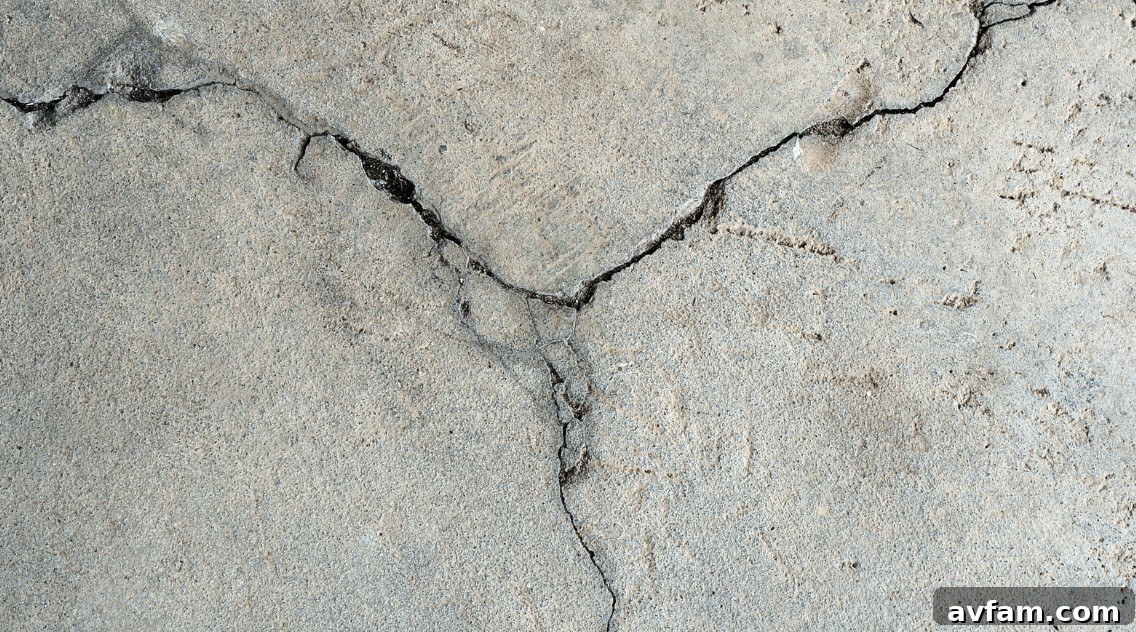
A crack in a driveway or patio does not always mean the concrete must be replaced. Hairline cracks often remain stable for years and cause no functional problems. Cracks that continue to widen, develop a raised edge, or appear next to a sinking section, however, indicate a deeper issue that requires attention.
To choose the right repair strategy, you first need to understand what is happening beneath and around the slab. In Upstate South Carolina—Greenville, for example—red clay soils, heavy seasonal rainfall, and poor drainage put extra stress on concrete. The same principle applies anywhere: diagnose the cause of the damage before deciding how to fix it.
Sometimes a crack or worn surface can be filled or resurfaced. Other times the slab has shifted or deteriorated to the point that full replacement is the most cost-effective long-term solution. The following guidance explains how to tell the difference and what repairs are likely to last.
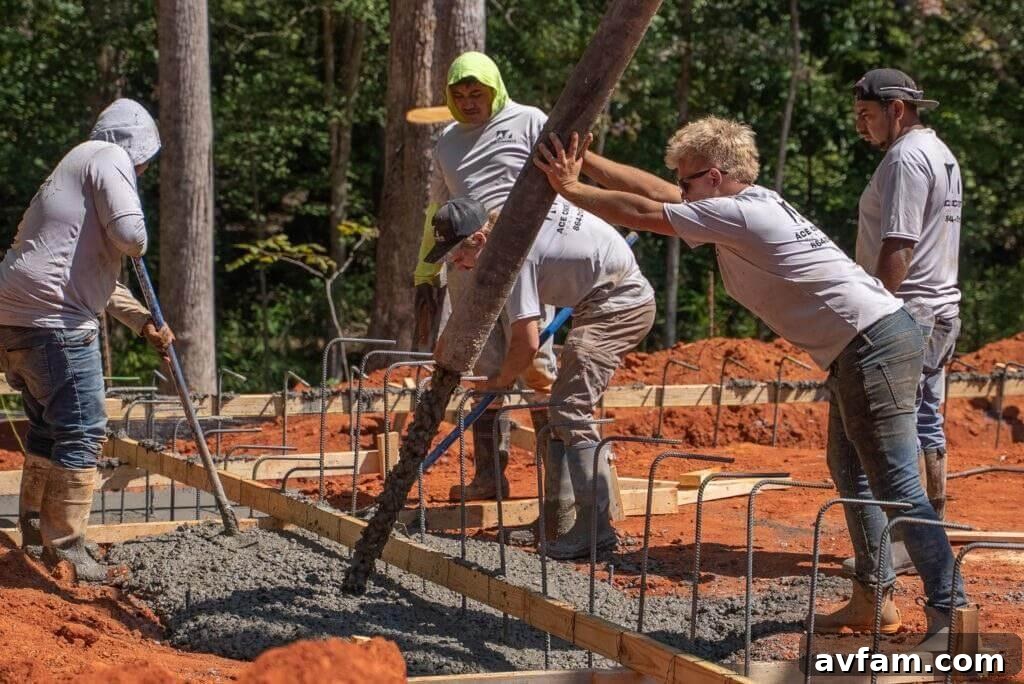
By the Ace Concrete Construction team
How to Read Cracks in Concrete
Thin, shallow cracks that meander across the surface are usually shrinkage cracks from curing. They can look concerning but rarely affect the slab’s performance. These are often cosmetic and can be sealed if desired for appearance or to prevent debris from collecting.
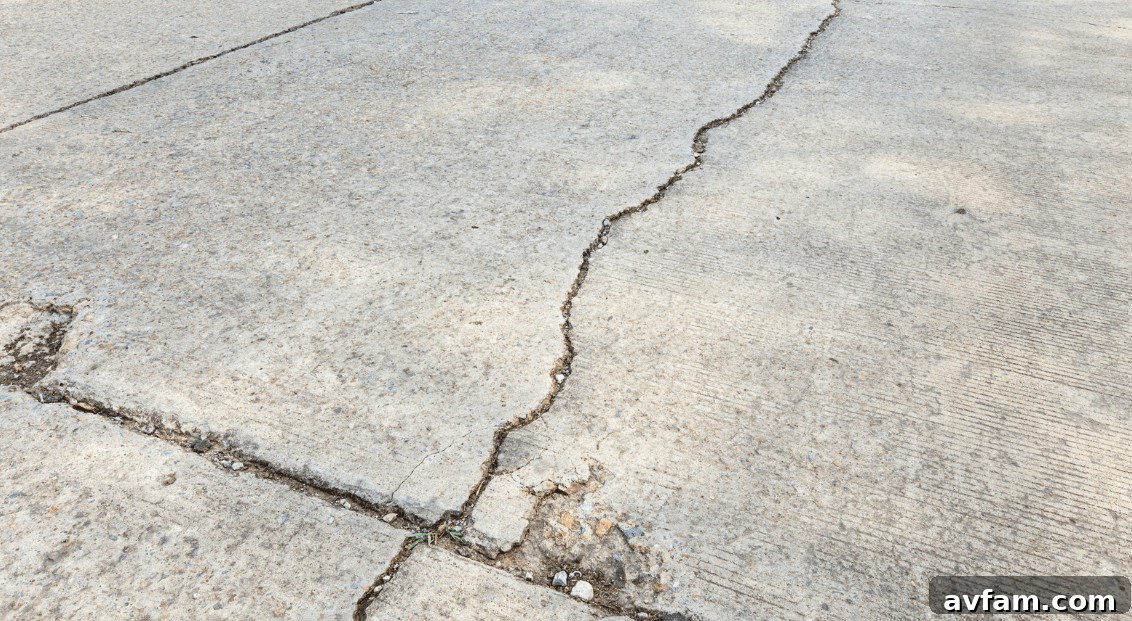
The more serious signs are cracks that keep widening, display a vertical offset between sides, or form straight lines where a slab has visibly dropped. A lip you can catch your toe on indicates differential settlement—one section has settled lower than its neighbor—suggesting problems with the supporting base, such as washed-out material or poorly compacted fill.
Common Causes of Slab Damage in Upstate Areas
Clay soils common to Greenville and surrounding counties expand and contract with moisture. That movement stresses anything built on top, including driveways and patios. Drainage issues are a frequent root cause of severe concrete failure.
Downspouts discharging next to a slab, a yard graded toward the concrete, or depressions that collect standing water will gradually erode or soften the base beneath the slab. Original construction details also matter: concrete poured on loose fill, placed too thin for expected loads, or finished poorly is more likely to develop problems sooner.
Surface deterioration such as spalling—where the top layer flakes and pits—can result from a weak surface finish, exposure to de-icing salts, or freeze-thaw cycles where absorbed water expands. These issues may be localized but can signal broader weakness if left unchecked.
Effective Repairs When the Slab Is Fundamentally Sound
If the concrete remains largely intact and the damage is limited to a crack, joint, or worn surface, full replacement is usually unnecessary. Small cracks can be cleaned and sealed with flexible sealants or polymer patches that accommodate normal expansion and contraction. Proper sealing also reduces water infiltration that can worsen the underlying base.
Spalled or pitted surfaces can often be corrected with a bonded overlay that restores appearance and surface strength. When one section has settled but the concrete itself is structurally sound, slab lifting techniques—injecting grout or other materials under the slab to raise it—can restore levelness without removing the existing concrete.
Whatever repair you choose, address the contributing factors. Fixing a crack without correcting poor drainage or an unstable base risks repeat failure. If water is washing out soil beneath the slab, that underlying issue must be corrected for a durable outcome.
When Replacement Is the Right Choice
Sometimes patching becomes a band-aid that only delays an unavoidable replacement. If the slab is fractured into multiple panels that rock independently, if the base has washed out over a wide area, or if the concrete is crumbling rather than simply cracked, repairs are unlikely to hold. In these cases, removing the failed slab, correcting the base and drainage issues, and pouring new concrete is the most reliable solution.
Addressing the base and drainage when replacing concrete prevents a repeat failure. The strength and longevity of new concrete depend on what lies beneath it, so skipping the base correction is a false economy that often leads to a second replacement sooner than expected.
Preventing Further Damage
Early intervention makes repairs easier and less expensive. Inspect problem areas after heavy rain, watch for sections that begin to sink or lift, and check where downspouts discharge. A visible crack is often only one symptom; the underlying soil and water flow patterns tell the whole story.
This is especially important in regions with reactive clay soils and variable rainfall, but it applies anywhere concrete is placed on marginal or poorly drained ground. Fix the cause—poor drainage, inadequate base, or improper grading—not just the visible crack.
Minor surface defects can often be repaired at modest cost. Heavily settled or crumbling slabs, by contrast, are better addressed with complete removal and replacement after correcting drainage and compaction. Choosing the right approach the first time typically saves time and money compared with repeating ineffective repairs.