
Embarking on any outdoor construction project, whether it’s building a sturdy deck, erecting a reliable fence, or setting up a shed, demands meticulous planning, especially concerning the foundation. The stability and longevity of any structure built above ground depend heavily on its footings. However, a critical factor often overlooked by DIY enthusiasts and even some contractors is the frost line. If you reside in a region where the ground freezes during winter, understanding and accounting for the frost line is not just a recommendation—it’s an absolute necessity to prevent costly structural damage caused by a phenomenon known as frost heave.
This comprehensive guide delves into the nuances of the frost line, explaining what it is, why it matters, and how to determine the precise depth required for your footings. By following these guidelines, you can ensure your outdoor projects remain stable and resilient against the forces of nature for years to come.
Understanding the Frost Line: A Foundation for Stability
At its core, the frost line, also known as the frost depth or freezing depth, represents the maximum depth to which the ground is expected to freeze during the coldest winter months. This depth is not arbitrary; it’s a crucial measurement for any construction work involving foundations, particularly in colder climates. For instance, water pipes are invariably laid below the frost line to protect them from freezing, expanding, and potentially bursting, which can lead to significant plumbing issues and property damage.
Similarly, for structures like decks, fences, and various outbuildings, placing footings sufficiently below this line is paramount. If footings are set too shallow, they become susceptible to the powerful forces of freezing and thawing soil, leading to structural shifts and instability. The exact depth varies considerably by geographical location, influenced by factors such as average winter temperatures, soil type, moisture content, and even snow cover, which can act as an insulating layer. Always consult your local building codes and authorities, as they provide the definitive frost line depth required in your specific area, ensuring compliance and structural integrity.
Decoding Frost Heave: The Silent Destroyer of Foundations
Frost heave is a destructive geological process that occurs when water in the soil freezes and expands, pushing the ground upwards. This phenomenon is particularly problematic for foundations and footings that are not adequately deep. Here’s how it unfolds:
- Water Infiltration: During warmer periods or wet seasons, moisture permeates the soil around footings.
- Freezing Temperatures: As temperatures drop below freezing, this soil moisture begins to freeze.
- Ice Lens Formation: Unlike surface freezing, water in the soil forms “ice lenses”—layers of ice that grow larger by drawing more moisture from the surrounding, unfrozen soil through capillary action. These ice lenses exert immense upward pressure.
- Upward Movement: This pressure literally lifts the soil, and anything embedded within it, including deck posts, fence posts, and even shallow building foundations.
- Thawing and Settlement: When the ground thaws, the ice lenses melt, leaving voids in the soil. The lifted structures then settle back down, often unevenly, leading to cracked foundations, leaning posts, misaligned decks, and compromised structural integrity.
The repetitive cycle of freezing and thawing exacerbates this damage over time, progressively weakening the structure and potentially leading to expensive repairs or even complete failure. This underscores precisely why awareness of the frost line and diligently digging below it is not just good practice, but an essential safeguard for your investment.
Optimal Timing for Your Construction Projects
While some projects can’t wait, if you’re planning outdoor construction in a colder climate zone and aren’t facing an immediate deadline, patience can pay dividends. The ideal time to commence digging for footings is typically in the spring. By then, the ground will have fully thawed, making the excavation process significantly easier and less labor-intensive. Attempting to dig through frozen or partially frozen soil can be incredibly challenging, slow, and potentially damaging to your equipment. Moreover, digging in thawed ground ensures you can accurately reach the required frost depth without encountering unexpected frozen layers that might lead to an insufficient foundation.
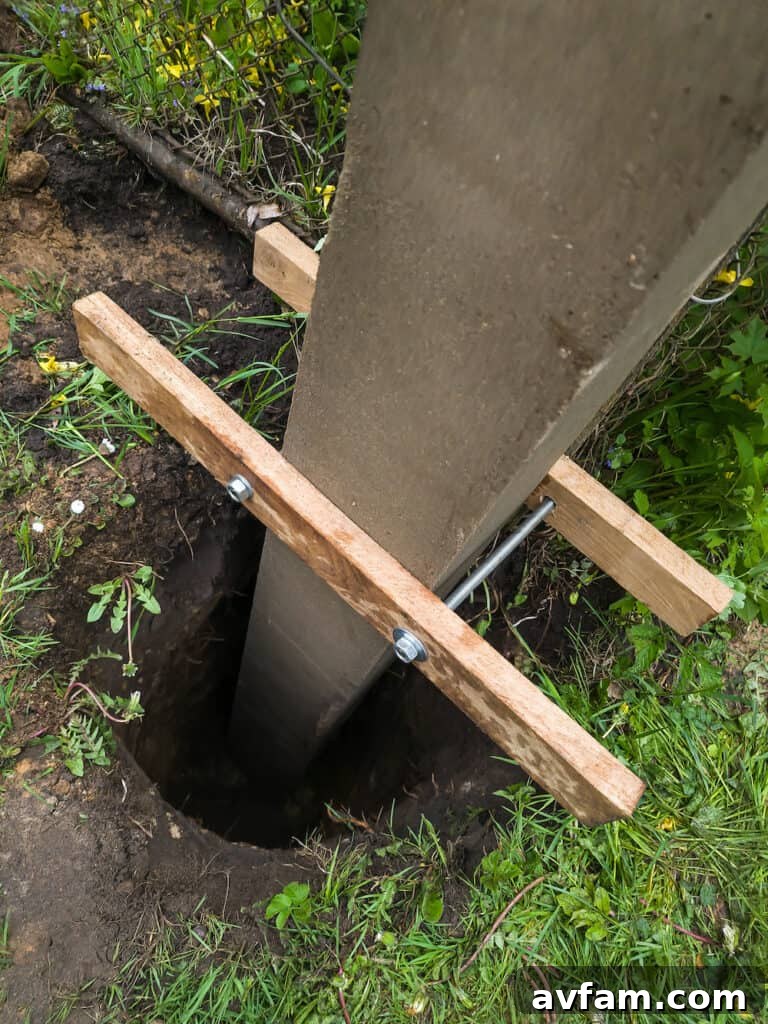
Before you start, it’s beneficial to mark a stick or a piece of rebar at your determined frost line depth. Keep this measurement tool readily accessible throughout your project. Regularly use it to verify that each hole you dig reaches the required depth, providing consistent and reliable support for all your footings. This simple step helps maintain precision and prevents any oversight that could compromise your project’s long-term stability.
Locating Your Frost Line: Maps and Local Resources
Determining the exact frost line depth for your location is a critical initial step. While general maps provide a helpful overview, local resources offer more precise information:
General Frost Line Maps
Maps like the one provided by the National Snow and Ice Data Center (NSIDC) offer a valuable starting point, illustrating the varying frost line depths across vast geographical regions, such as the United States. These maps typically show a spectrum of depths, ranging from a maximum of 100 inches in the coldest northern regions (e.g., northern Minnesota, North Dakota, Alaska) to zero inches in consistently warm areas (e.g., Florida, southern Arizona, southern California).
When using such a map, if your property lies on the border between two different depth recommendations, it’s always prudent to default to the deeper, “colder side” recommendation. This provides an additional margin of safety and minimizes the risk of future frost heave issues, ensuring a more robust and compliant foundation.
Precision via Zip Code and Local Authorities
For more granular and accurate data, especially for obtaining building permits, relying solely on broad maps isn’t sufficient. Several resources provide localized frost line information:
- National Weather Service (NWS) Resources: Many regional NWS offices offer detailed frost depth maps or tools that allow you to check the frost line by zip code or address. These resources are often updated frequently and reflect current meteorological conditions more accurately.
- Local Building Departments: This is arguably the most authoritative source. Before initiating any excavation, contact your city or county’s building department. They will provide the official frost line depth required by local building codes, which is essential for permit applications and compliance. These codes are legally binding and designed to ensure structural safety and longevity.
- Geotechnical Engineers: For larger, more complex projects, or if you have unusual soil conditions, hiring a geotechnical engineer to perform a site-specific soil analysis can provide the most precise frost depth recommendations.
Always cross-reference information and prioritize the requirements set forth by your local building codes, as these are the standards your project will be inspected against.
Essential Tips for Safe and Efficient Digging
Digging, regardless of the project, requires careful planning and execution. Beyond just reaching the frost line, several other considerations are crucial for safety and efficiency.
Call Before You Dig: Protecting Underground Utilities
Before breaking ground, the absolute first step is to contact 811, the national “Call Before You Dig” hotline, or your local utility marking service. This free service ensures that all buried utility lines—such as gas, water, sewer, electrical, and communication cables—are located and marked on your property. Striking an underground utility line can lead to severe injury, costly repairs, service interruptions, and hefty fines. In areas where the ground rarely freezes, like Los Angeles, irrigation and sprinkler pipes may not be buried very deep, making extra caution even more vital during excavation.
Choosing the Right Tools for the Job
The type of soil and the number of holes you need to dig will dictate the best tools for your project:
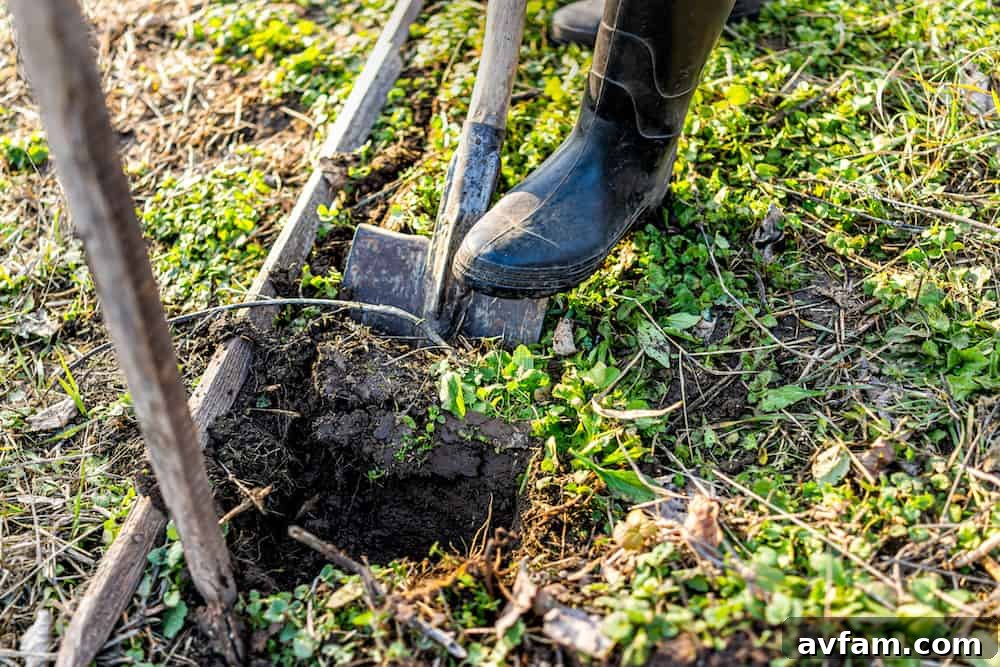
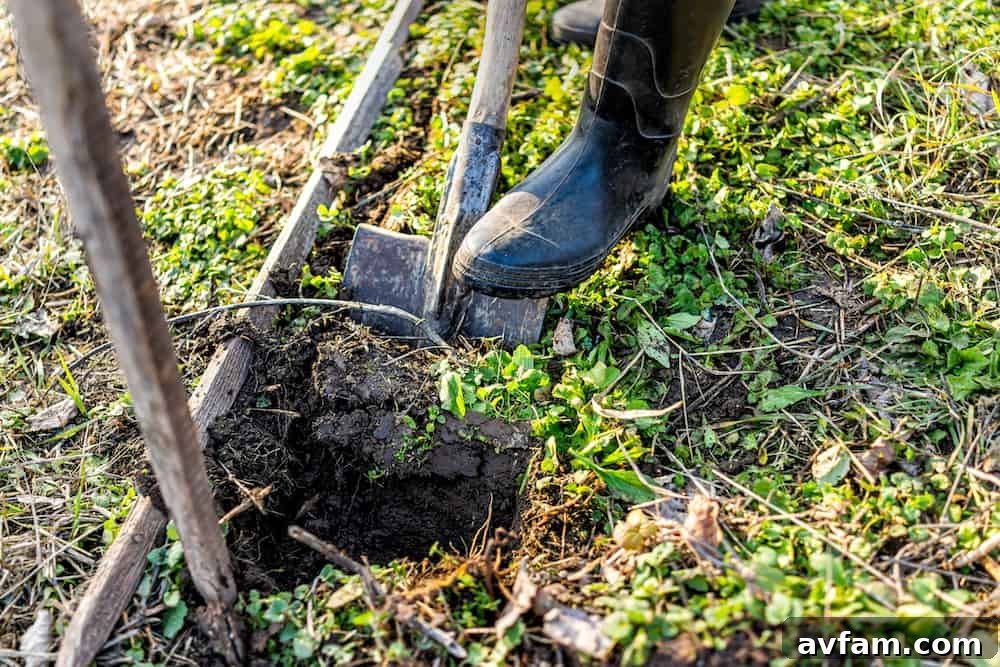
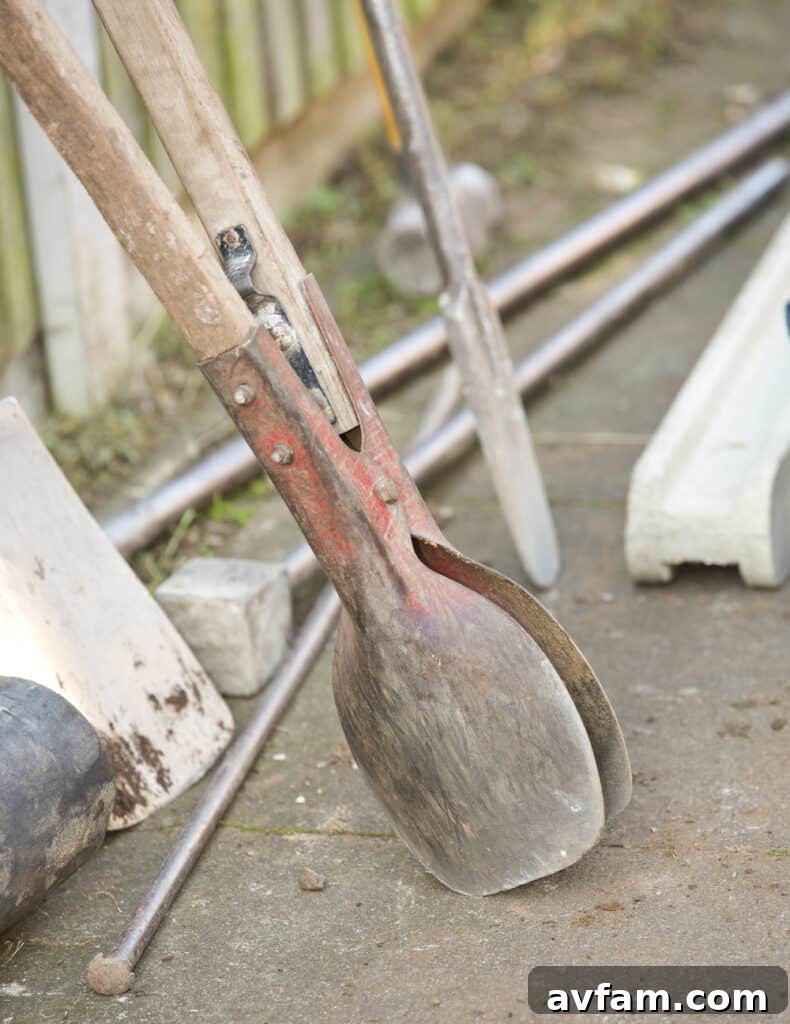
- Shovel and Post Hole Digger: For a few holes in manageable soil, a sturdy shovel and a manual post-hole digger are often sufficient. A post-hole digger excels at creating narrow, deep holes, ideal for fence posts.
- Long Pry Bar: If your soil contains large rocks, hard clay, or compacted earth, a heavy-duty long pry bar can be invaluable for breaking up stubborn material and leveraging out obstructions.
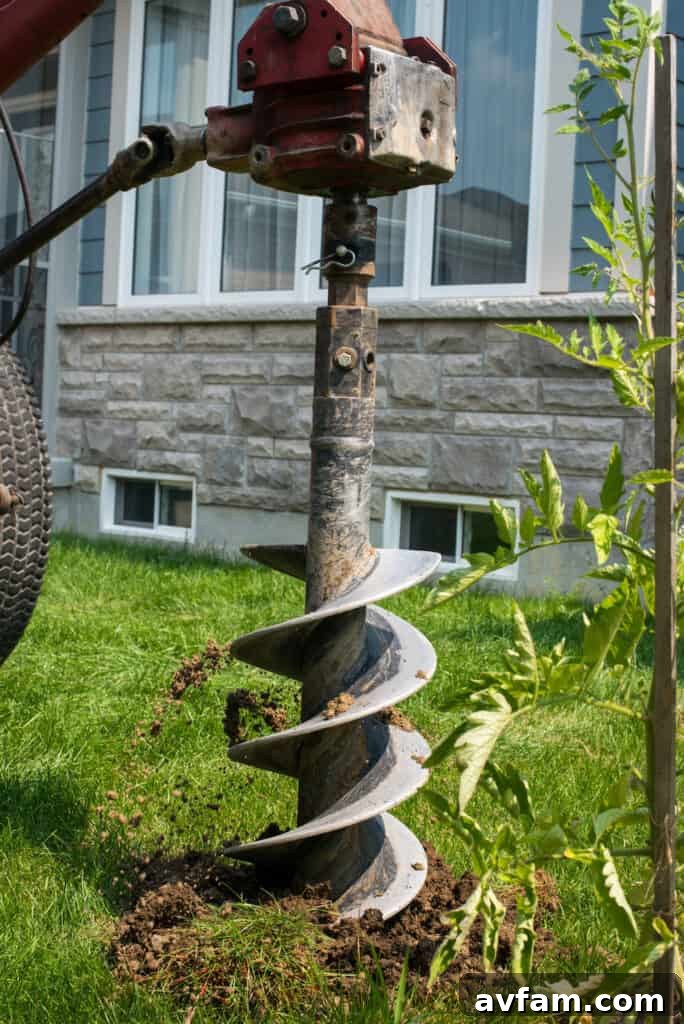
- Augers: For numerous holes or very hard ground, an auger is the most efficient choice, significantly reducing time and labor.
- Handheld Gas-Powered Augers: These are excellent for most homeowner projects. They are powerful enough to dig through various soil types, relatively easy to rent, and offer good maneuverability for individual holes.
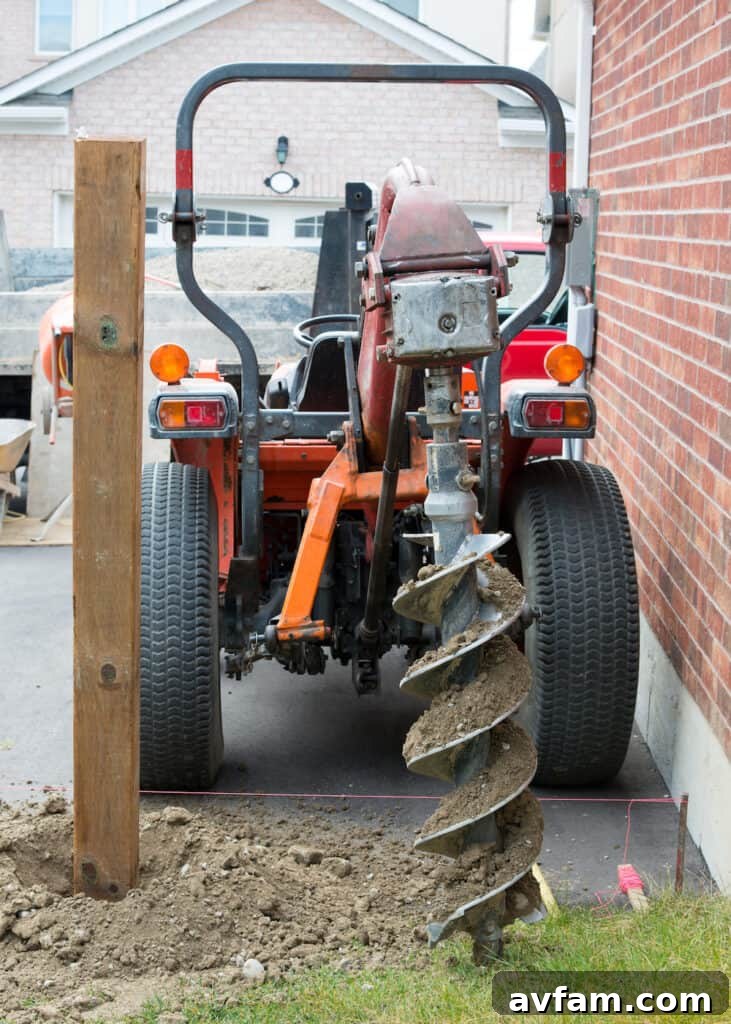
- Tractor-Mounted or Bobcat Augers: For extensive projects like long fence lines, large deck foundations, or commercial applications, a PTO (Power Take-Off) auger attached to a tractor or a hydraulic auger on a skid-steer loader (Bobcat) offers unmatched speed and precision. While the rental cost is higher, the time savings can make it a worthwhile investment for large-scale work.
Ensuring Proper Drainage
Good drainage around your footings is just as important as proper depth. Ensure that water drains away from your foundation to prevent it from saturating the soil and exacerbating potential frost heave issues. This can involve grading the surrounding landscape or installing drainage systems.
Selecting the Right Footing Type
While the depth is crucial, the type of footing also contributes to frost heave resistance:
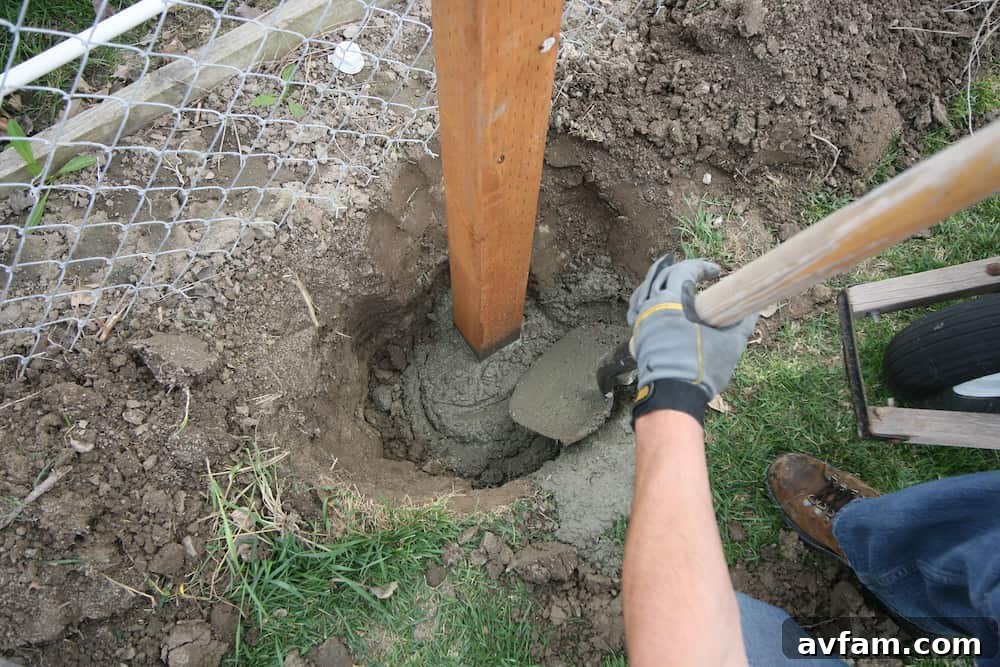
- Bell Footings: These concrete footings have a wider base at the bottom, providing greater stability and resistance to uplift from frost heave.
- Sonotubes (Concrete Piers): Cardboard forms are inserted into the dug holes, filled with concrete, and often extend above ground level. The smooth sides of the Sonotube can reduce friction with freezing soil, minimizing the upward pull.
- Pre-Cast Concrete Piers: These ready-made footings are dropped into prepared holes. Ensure they are designed for frost protection and meet local code requirements.
Common Mistakes to Avoid
- Ignoring Local Building Codes: Always consult and adhere to your local building department’s specific requirements for frost depth and footing design.
- Shallow Digging: The most frequent error is not digging deep enough, leaving footings vulnerable to frost heave.
- Not Calling 811: Neglecting to locate underground utilities can lead to dangerous and costly accidents.
- Improper Backfill: Using unsuitable material for backfilling can create drainage issues or compromise footing stability.
- Building in Winter: While possible with precautions, building during freezing temperatures can be challenging and less efficient without specialized equipment and techniques to prevent soil from re-freezing during construction.
Conclusion: Building to Last
Understanding and respecting the frost line is a foundational principle for any successful outdoor construction project in cold climates. By diligently researching your local frost depth, utilizing appropriate digging techniques and tools, and adhering to building codes, you can protect your structures from the damaging effects of frost heave. This proactive approach ensures the long-term stability, safety, and durability of your decks, fences, and other outdoor installations, allowing you to enjoy your craftsmanship for many seasons to come without the worry of shifting foundations or structural failure. Invest the time and effort upfront to build right, and your projects will stand the test of time.