
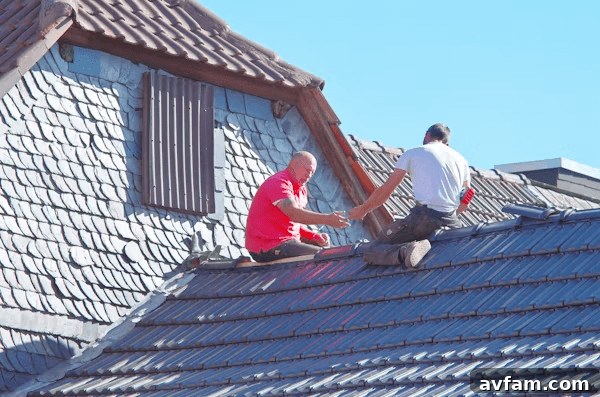
I skipped one gutter cleaning last fall. Nine months later I paid to repair a rotted fascia board. That’s the reality of roofs in Florida: constant sun, heavy rain, and the occasional tropical storm all add up, and most damage develops slowly and out of sight until a water stain appears on your ceiling. The good news is that the biggest savings come from consistent habits rather than costly upgrades. Most preventive steps are free, many take only minutes, and none require you to climb a ladder if you’d rather not.
Below are the practical habits that protect a roof in the Sunshine State, why Florida accelerates roof wear, and how to decide when a problem is a do-it-yourself fix and when it needs a professional.
Why Florida Roofs Age Faster Than You’d Expect
UV radiation is a quiet but relentless enemy. Shingles are exposed to direct sunlight for much of the year, which dries the asphalt and loosens the protective granules. When granules wash away, the mat beneath begins to bake, crack, and curl. That’s why a roof in Florida often reaches the end of its useful life years earlier than the same materials would in a cooler climate.
Rain and humidity add a second layer of stress. Afternoon thunderstorms can dump large volumes of water in a short time. If drainage or flashing fails, water finds its way under shingles or behind fascia boards. Over time that moisture causes rot and hidden leaks that only become obvious once interior stains or mold appear.
Attic heat and poor ventilation also matter. A stalled, overheated attic cooks the underside of the roof deck; combined with solar heating from above, this creates a two-sided aging effect. Proper attic ventilation and insulation help move heat and moisture out instead of allowing them to sit against your roof deck.
Your Monthly Ten-Minute Walkaround
Set a monthly reminder on your phone and walk the perimeter of your property. You’re not doing a full diagnosis—just looking for what’s changed or out of the ordinary. Keep a short note with dates and observations; that log can be invaluable later when you need a timeline.
- Shingle tabs that are cracked, missing, or curling at the edges
- Granules collecting in gutters or at the bottom of downspouts
- Rust or dark streaks on flashing around chimneys, vents, and skylights
- Sagging gutters or gutters that remain full after a storm
- Any new stain on an interior ceiling or wall, especially after heavy rain
If you notice granules after every rain, don’t immediately assume the worst. On sun-facing slopes this can be normal wear. Get a professional inspection before committing to a full roof replacement.
Gutters, Attics, and the Two Chores That Pay for Themselves
Clean gutters at least twice a year and after any debris-heavy storm. Pine needles, oak leaves, and other yard debris are common clogs. When gutters are blocked, water runs toward the foundation and fascia instead of away from the house. Clearing gutters is inexpensive and prevents costly water damage.
The attic is the other key area. On a cool morning, take a flashlight upstairs and look for daylight coming through the roof deck, dark stains on wood, or damp insulation. Check that soffit and ridge vents are not blocked by insulation. Proper airflow keeps heat and moisture moving out rather than letting them sit against the roof structure.
An often-overlooked benefit: a cooler, well-ventilated attic reduces strain on your air conditioning. So attic maintenance protects the roof and can lower cooling costs at the same time.
Storm Prep: What to Do Before and After
Before a storm, clear the yard of anything that could become wind-driven debris: patio furniture, loose fencing, trash cans, and unfinished landscaping piles. Objects blown by strong winds frequently cause the most visible shingle damage.
After the storm, perform a ground-level inspection before calling a contractor. Look for lifted or missing shingles, dented gutters, and debris on the roof. Take timestamped photos of any damage you see. These images are valuable when filing an insurance claim or getting repair estimates, because they document the roof’s condition immediately after the event.
Be cautious if a contractor appears uninvited after a storm and offers to handle your insurance claim. Get a second opinion and read any paperwork carefully before signing. Doing so helps you avoid scams or unnecessarily losing control of the claims process.
Repair, Maintain, or Replace? A Simple Decision Guide
When evaluating roof problems, ask three questions in order:
Is the damage localized? A single missing section of shingles near a vent while the rest of the roof looks sound is often a repair job. Not every issue requires a full replacement.
How old is the roof? If the roof has passed the expected lifespan for its material and problems appear in multiple areas, repeated patching quickly becomes uneconomical and replacement starts to make sense.
Is it leaking inside? Active water intrusion is urgent. Water travels along decking and can affect areas beyond the visible stain, so address interior leaks promptly.
When hiring a contractor, focus on reviews and feedback that mention cleanliness, matched shingles, clear communication, and respect for landscaping and driveways. Those details indicate a crew that takes care with your property and will leave a tidy job site. Also consider whether a reflective roof coating might help: coatings can extend life and reduce heat gain on roofs that are still structurally sound, but they are not a fix for a roof already failing beneath the surface.
The Habit That Beats Every Repair
The most effective strategy is consistency. Walk the perimeter once a month, clear gutters twice a year, peek in the attic a couple of times a year, secure yard items before storms, and keep a simple log with dates and photos. That routine takes only a few hours across a year and gives you a major advantage when problems appear: you noticed them early.
Roofing in Florida is an ongoing maintenance relationship, not a one-time purchase. Homeowners who spend the least on repairs are those who caught small issues early. This week’s action: pick a morning, walk the perimeter, and jot down anything that looks off. If something makes you uneasy, get it inspected now rather than waiting for the next storm.