

Most DIY enthusiasts enjoy projects with a clear finish line: buy the tools, load the truck, and tackle one room at a time. Some properties, however, require far more than a few good weekends and steadily growing repair lists can outpace what a handy homeowner can take on or afford.
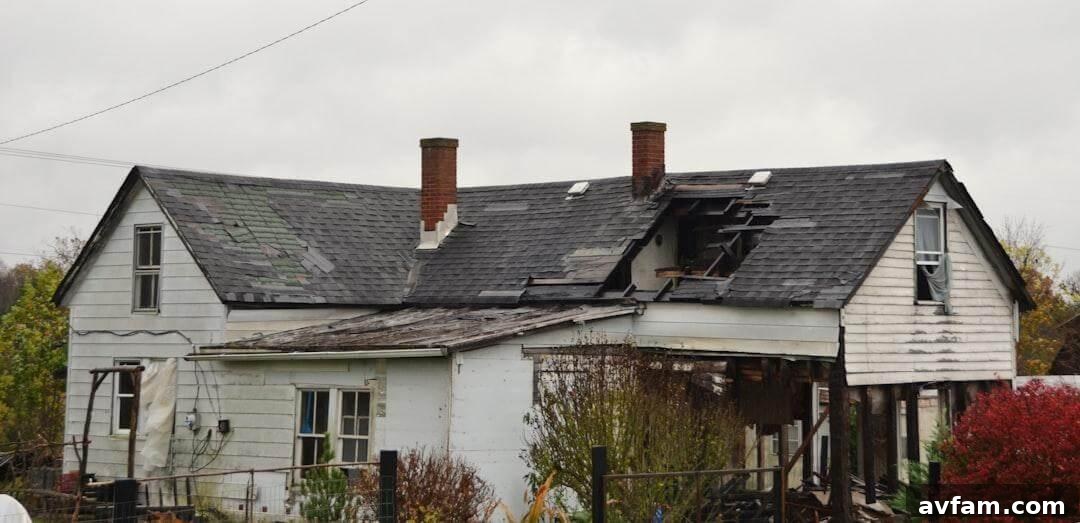
Photo by Roger Starnes Sr on Unsplash
When repair costs and holding expenses rise, selling to a cash buyer who purchases the house as-is—without required repairs or agent commissions—often becomes the practical option. This guide explains when a fixer-upper stops making financial sense, how to calculate real repair costs, and what Texas sellers should know about as-is cash sales.
When Does a Fixer Cost More Than It’s Worth?
A fixer ceases to be a good investment when the cost of repairs approaches or exceeds the finished market value of the home. At that point, sweat equity no longer delivers a meaningful return.
Major systems and structural issues are the clearest warning signs. Problems such as a failing foundation, a roof at the end of its life, or full-home electrical rewiring commonly run into five figures. Combine two or more of these, and the math quickly turns unfavorable.
Time is also a significant cost. Every month a property sits unsold you may still be responsible for property taxes, utilities, insurance, and maintenance. Vacant properties can even lose standard homeowner coverage, so holding the property longer increases risk and expense.
Many repairs require licensed tradesmen, permits, and inspections you cannot legally or practically perform yourself. When permit-dependent work piles up, selling cleanly can be cheaper and faster than a prolonged rebuild.
How Do You Add Up the Real Repair Bill?
Begin with a written inspection checklist and a proper budget before you commit to fixing anything. A clear, line-itemed tally reveals whether repairs make financial sense.
Walk the house and price each category:
- Assess roof, foundation, and framing for structural problems first.
- Inspect the electrical panel, wiring, and plumbing for code compliance and safety issues.
- Note HVAC age and condition; a full system replacement can cost several thousand dollars.
- Separate cosmetic work such as paint, flooring, cabinetry, and fixtures.
- Add a 15 percent contingency for hidden problems behind walls or under subfloors.
- Compare the total repair estimate to recent sale prices of renovated homes in your neighborhood.
A renovation budget that breaks down each category prevents unseen costs from derailing the project. If your repair estimate exceeds what a renovated home would likely sell for, consider pausing and evaluating an as-is sale instead.
What Should Texas Sellers Know About an As-Is Sale?
An as-is sale means the buyer accepts the property in its current condition and the seller generally makes no repairs. However, sellers still must disclose known defects. In Texas, most previously occupied homes require a seller’s disclosure notice that lists known problems with the property. This disclosure informs potential buyers and protects sellers by documenting what was known at the time of sale.

Photo by Emilio Takas on Unsplash
Cash buyers typically review the disclosure, account for needed work in their offer, and proceed. Skipping the required form can lead to disputes and give buyers a reason to cancel after closing, so completing disclosures accurately is important even when selling as-is.
The timeline for an as-is cash sale is usually short and predictable: a buyer can inspect the property within a day or two, deliver a written offer, and close in as little as one week once title issues are resolved. That speed is often the main appeal for sellers who want to avoid months of holding costs and repair coordination.
Which Repairs Drive Financed Buyers Away?
Lenders often require repairs before approving a mortgage, so problems that block financing will shrink the pool of buyers. Common deal-breakers for financed buyers include:
- Foundation cracks, uneven or sloping floors, and other signs of structural movement.
- A roof near or past its useful life with active leaks or missing roofing material.
- Outdated or unsafe electrical systems, undersized panels, or lack of GFCI protection.
- Failing plumbing, broken water heaters, or septic and well system issues.
- Mold, water intrusion, or long-term moisture damage that affects habitability.
Cash buyers do not require lender approvals, so they often purchase properties with these issues that would otherwise kill a financed sale.
How Do You Choose Between Fixing and Selling?
Decide based on your time, budget, and skill set. Cosmetic upgrades—fresh paint, new fixtures, refinished floors—can increase marketability at modest cost and suit owners willing to invest time. By contrast, major system replacements or structural repairs that require licensed contractors and large cash outlays typically favor a sale as-is.
Run the numbers: add repair estimates, include holding costs, and compare the total to likely sale prices for renovated homes nearby. If repairs and holding expenses exceed the expected sale price or would deplete your savings, a cash sale can end the financial strain quickly.
The Quick Decision Checklist
- Create a detailed, written list of every repair with realistic cost estimates.
- Compare the repair total to nearby comparable sales for renovated homes.
- Factor monthly holding costs such as taxes, insurance, and utilities.
- Opt to sell as-is when structural or major system repairs exceed your budget.
- Keep cosmetic projects you can complete affordably and safely.
Is an As-Is Cash Sale the Smarter Move?
An as-is cash sale is not the right choice for every property, but it can be the sensible move when repair costs and holding expenses outpace the home’s value or your available funds. A clean cash offer removes repair risk, shortens the timeline, and stops ongoing expenses. Evaluate the costs carefully, complete required disclosures, and select the path that best protects your budget and schedule.
Frequently Asked Questions
How do I know a house needs more than a DIY fix?
Look for structural issues, roof failure, or full-system problems that require permits and licensed trades. When two or more of these exist, the project typically goes beyond DIY scope.
Do I still need a seller’s disclosure for an as-is cash sale?
Yes. In Texas, most previously occupied homes require a seller’s disclosure notice listing known defects. You are not required to make repairs, but omission of known issues can lead to later disputes.
How fast can an as-is cash sale close in Texas?
Many cash transactions close within 7 to 14 days after title clearance. Without lender delays like appraisals or underwriting, timing is mostly limited by title work and the chosen closing date.
Will a bad roof or foundation block a cash sale?
No. Cash buyers are not bound by lender property condition requirements and often purchase homes with substantial issues that financed buyers would decline.