
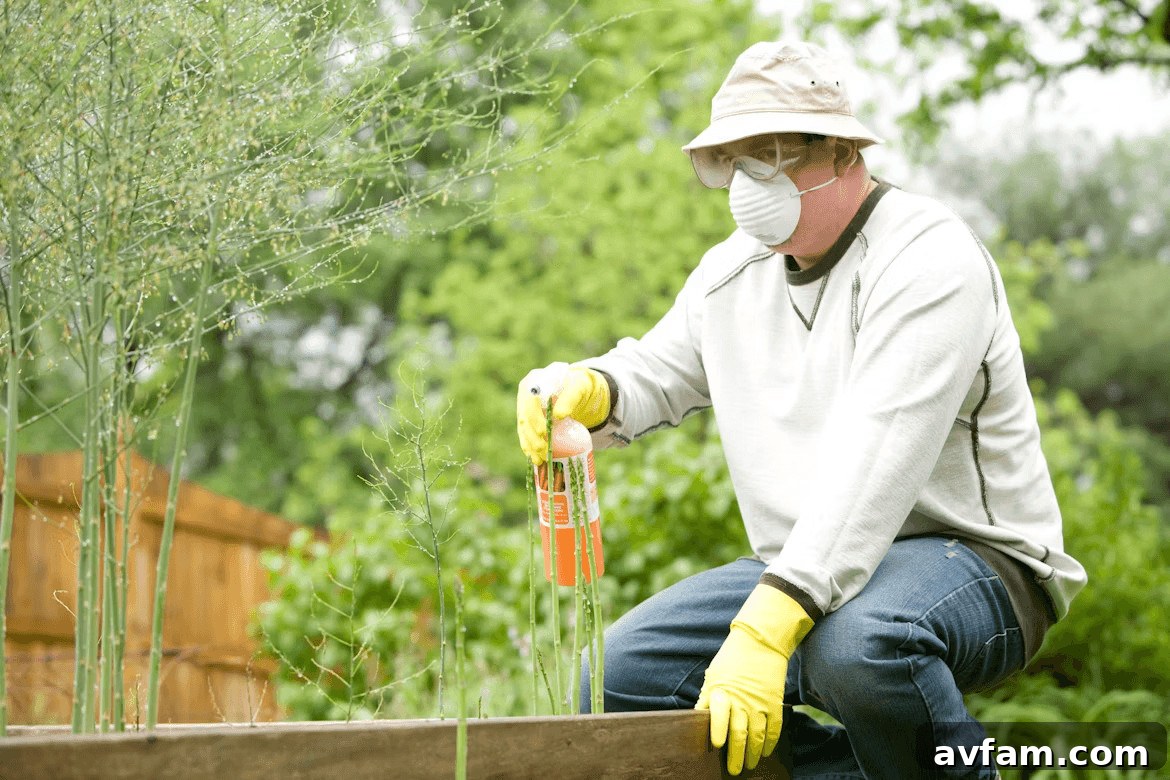
Just when you finally get ants under control in summer, mice start showing up in autumn. Winter brings spiders and other overwintering insects, and by spring termites and ants are active again. It can feel like pests rotate through the seasons nonstop. That’s exactly why seasonal pest control exists: to work with the calendar so your home stays protected year-round instead of reacting only after a problem appears.
A season-by-season plan anticipates which pests are most active at each time of year and applies the right methods when they will have the greatest impact. This proactive approach reduces the chance that pests will find shelter, food, or breeding sites at your property and prevents small problems from becoming costly infestations.
Why a One-Time Spray Won’t Cut It
A single treatment may temporarily reduce visible pest activity, but it rarely provides long-term protection. Pesticide residues break down, weather affects treatments, and different pests become threats as temperatures and conditions change. The ant species you see in spring often have different behaviors and vulnerabilities than the rodents or overwintering bugs that appear in cool months.
Seasonal pest control adjusts timing and tactics throughout the year, maintaining a protective barrier and allowing professionals to detect early signs of new infestations. Skipping a scheduled season gives pests an opportunity to nest, reproduce, and spread—turning a minor nuisance into a major problem that’s more difficult and expensive to fix.
How the Threat Shifts With Each Season
Pest activity follows predictable patterns tied to weather, food availability, and mating cycles. Addressing each group at the right moment is both efficient and effective.
- Spring: Warmer temperatures bring out winged termites and foraging ants searching for food and nesting sites. Early inspections and targeted treatments stop colonies before they establish.
- Summer: Heat and standing water encourage mosquitoes, flies, and wasps. Yard-focused services and barrier applications help reduce breeding around the home.
- Fall: Rodents and other animals start seeking warm, sheltered places for the colder months. Sealing entry points and adding exterior defenses prevents them from coming indoors.
- Winter: Some insects and rodents shelter inside walls, attics, and basements. Interior checks and timely interventions stop small populations from growing unseen.
Understanding these seasonal shifts lets homeowners and pest professionals focus effort where it matters most, cutting infestation risk and protecting both property and health.
Why Staying Ahead Protects Your Family’s Health
Pests are more than an annoyance; many pose real health and sanitation risks. Rodents can contaminate food and surfaces and are associated with multiple illnesses; cockroaches can worsen allergy and asthma symptoms for sensitive individuals; and mosquitoes and ticks can transmit diseases in affected regions. Preventing infestations reduces these risks and contributes to a healthier home environment.
Seasonal pest programs focus on vulnerable moments in each pest’s lifecycle, reducing populations before they enter living spaces or contaminate food. Regular monitoring also helps detect signs—droppings, chew marks, nests—that often go unnoticed until an infestation is advanced.
How Seasonal Treatments Stop Infestations Before They Start
Timing is the main advantage of seasonal treatment. Many pests multiply rapidly during short periods; intervening early interrupts their breeding cycles. For example, addressing wasps or ant activity in spring and early summer often prevents large, established nests later in the season. Treating potential termite activity in spring reduces the chance of destructive colonies forming over time.

A single seasonal visit typically accomplishes several important tasks:
- Establish a fresh barrier around the foundation so pests encounter treated zones before reaching the home.
- Inspect and seal likely entry points such as vents, pipe openings, and cracks near rooflines.
- Apply treatments appropriate for current seasonal threats—from mosquito control and yard treatments in summer to rodent exclusion work in fall.
- Remove small nests and eliminate early colonies while they are still manageable.
Skilled technicians also catch early warning signs the average homeowner might miss—mud tubes, fresh gnaw marks, or isolated worker ants near windows—which allows for fast, cost-effective corrections before the situation escalates.
Over the course of a year, these scheduled visits create a consistent defense that prevents pests from gaining a foothold. That steady rhythm is far more effective and economical than waiting until pests are well established and harder to control.
Simple Steps You Can Take Between Visits
Professional treatments work best when combined with practical home maintenance. Implementing a few simple habits makes your property less attractive to pests and extends the effectiveness of seasonal services:
- Seal gaps around doors, windows, utility pipes, and dryer vents to reduce entry points.
- Repair leaking faucets and pipes and eliminate excess moisture that attracts insects and rodents.
- Remove standing water from gutters, birdbaths, buckets, and planters where mosquitoes breed.
- Store food in sealed containers and take out trash regularly to deny pests easy food sources.
- Keep firewood, mulch, and dense landscaping away from the home’s exterior to reduce hiding places.
These straightforward measures require little time but make a meaningful difference, helping seasonal treatments maintain longer-lasting control.
Conclusion
Pests change with the seasons, but protecting your home doesn’t have to be an endless battle. A year-round, seasonal pest control plan addresses threats at the times they’re most active, reducing the risk of infestations, property damage, and health concerns. When professional treatments are combined with routine maintenance and sensible habits, you gain reliable, long-term protection and greater peace of mind through every season.