
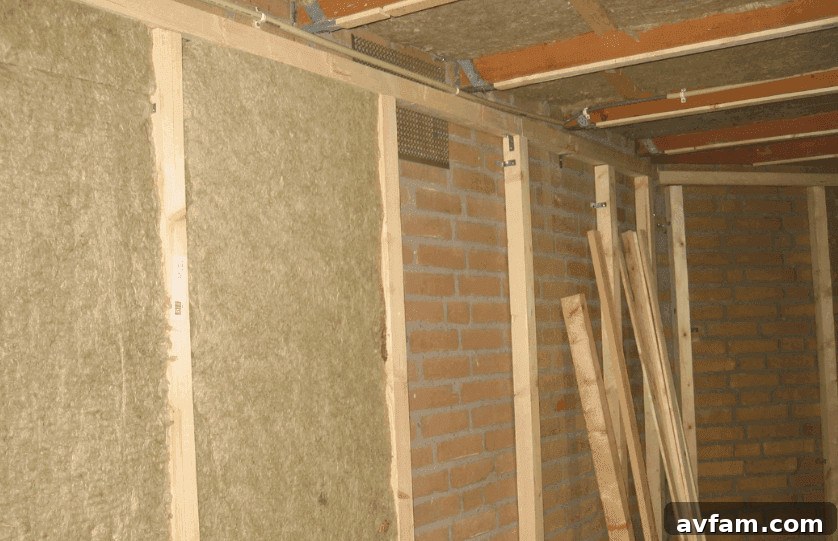
Insulation is one of those home components that usually goes unnoticed day to day, which is precisely why under-insulation can remain hidden for years. There’s no single dramatic failure or obvious visible sign like a burst pipe. Instead, the problem reveals itself through a series of small, often dismissible symptoms: uneven room temperatures, higher monthly energy bills, drafts you barely notice, and moisture problems that gradually become more serious. Left unaddressed, these issues quietly add up to significant expense and discomfort over time.
Uneven Temperatures Between Rooms
A clear sign of insufficient insulation is inconsistent temperatures from room to room. You might find main living spaces stay comfortable while bedrooms at the far end of the house, rooms above garages, or converted attic spaces feel noticeably colder in winter and hotter in summer. When one room requires a higher thermostat setting or a space heater to stay warm, inadequate insulation in walls, floors, or ceilings in that specific area is a likely cause.
High Energy Bills That Don’t Match Usage
If your heating and cooling bills are higher than comparable homes in your neighborhood or significantly higher than your own past bills without a clear reason, poor insulation should be high on the list of suspects. A home that leaks conditioned air through poorly insulated walls, an under-insulated attic, or gaps in floors forces the HVAC system to run longer and harder to maintain comfort. That continual extra runtime shows up directly on utility bills as wasted energy and higher costs.
In many cases homeowners see only incremental increases in monthly bills and write them off as price changes or seasonal variation, but the long-term cumulative cost of that wasted energy is often far greater than the one-time investment needed to upgrade insulation properly.
Ice Dams Forming Along the Roofline
Ice dams—ridges of ice that collect at the edge of a roof—are commonly blamed on roofing or gutter issues alone, but they frequently indicate inadequate attic insulation and poor attic ventilation. Heat that escapes from the living space into the attic warms the underside of the roof unevenly, melting snow on the upper roof while the eaves stay cold. Meltwater then refreezes at the edge, forming dams that can back up under shingles and cause leaks. If ice dams recur from season to season, improving attic insulation and air sealing should be investigated along with the roof itself.
Drafts You Can Feel, or Ones You Can’t
Some drafts are obvious around windows and doors and get remedied quickly. Less obvious air leaks, however, can occur through electrical outlets, around recessed lighting, along baseboards, and through attic access points or poorly insulated floor and ceiling junctions. These subtle drafts are easy to ignore but contribute significantly to heat loss. Effective insulation paired with careful air sealing makes a big difference in reducing these invisible losses.
A Home That Feels Stuffy or Damp
Insulation and moisture control are closely related. When walls or attic spaces are poorly insulated, warm, moist indoor air can reach colder surfaces and condense. That condensation contributes to a stuffy feeling, lingering odors, and in more severe cases can support mold growth inside wall cavities or attic spaces. Controlling moisture — through proper insulation, ventilation, and sealing — helps maintain healthier indoor air and prevents long-term damage to building materials.
What Under-Insulation Actually Costs Over Time
The cost of under-insulation goes beyond slightly higher monthly utility bills. Over years, an HVAC system working harder and longer to compensate for heat loss experiences increased wear and tear, often leading to more frequent repairs and a shorter system lifespan. The energy wasted each heating and cooling season compounds, and over time those added costs can exceed what it would have cost to install adequate insulation in the first place.
Investing in the right insulation and air-sealing measures typically pays back through lower energy bills, reduced maintenance on heating and cooling equipment, and a more comfortable, durable home environment.
Where Insulation Gaps Most Commonly Show Up
Certain areas are especially prone to being under-insulated, particularly in older or poorly constructed homes. Common trouble spots include:
- Attics — insulation can settle, become compressed, or be disturbed by past electrical or plumbing work, reducing its effectiveness.
- Rooms above garages — floors that separate living spaces from unconditioned garages are easy to under-insulate and often produce noticeable temperature differences.
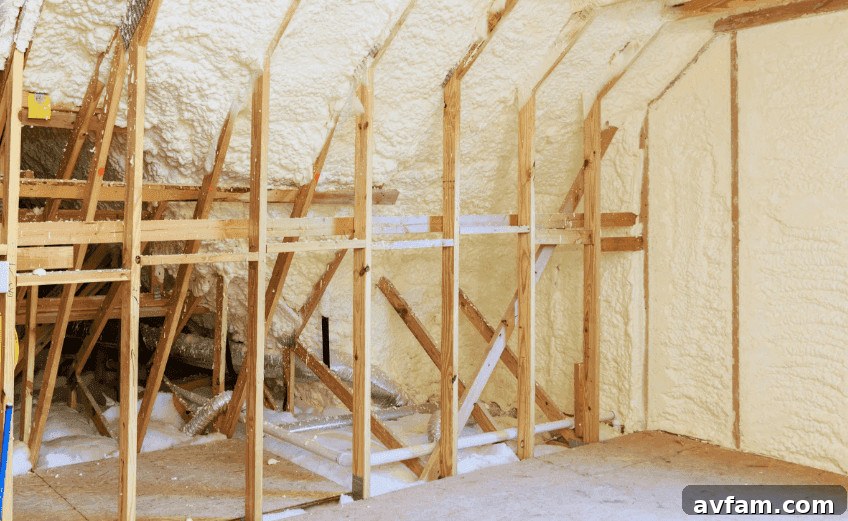
- Knee walls in finished attic spaces — attic conversions sometimes overlook the short walls and cavities that need proper insulation and air sealing.
- Rim joists and basement ceilings — older homes frequently lack adequate insulation at the rim joist or between the basement and the living area, allowing significant heat loss.
Getting an Accurate Picture of Where Your Home Stands
Because insulation issues are mostly invisible without the right inspection tools, guessing where the problem is rarely gives a complete picture. A professional energy assessment or home performance audit can identify where heat is escaping, whether through inadequate insulation, air leaks, or a combination of both. Starting with a proper assessment lets you prioritize the most effective upgrades rather than simply adding more material in the wrong places. Targeted improvements—adding insulation where it’s actually needed, sealing air leaks, and addressing moisture or ventilation issues—deliver the best results for comfort, energy savings, and long-term durability of the home.