
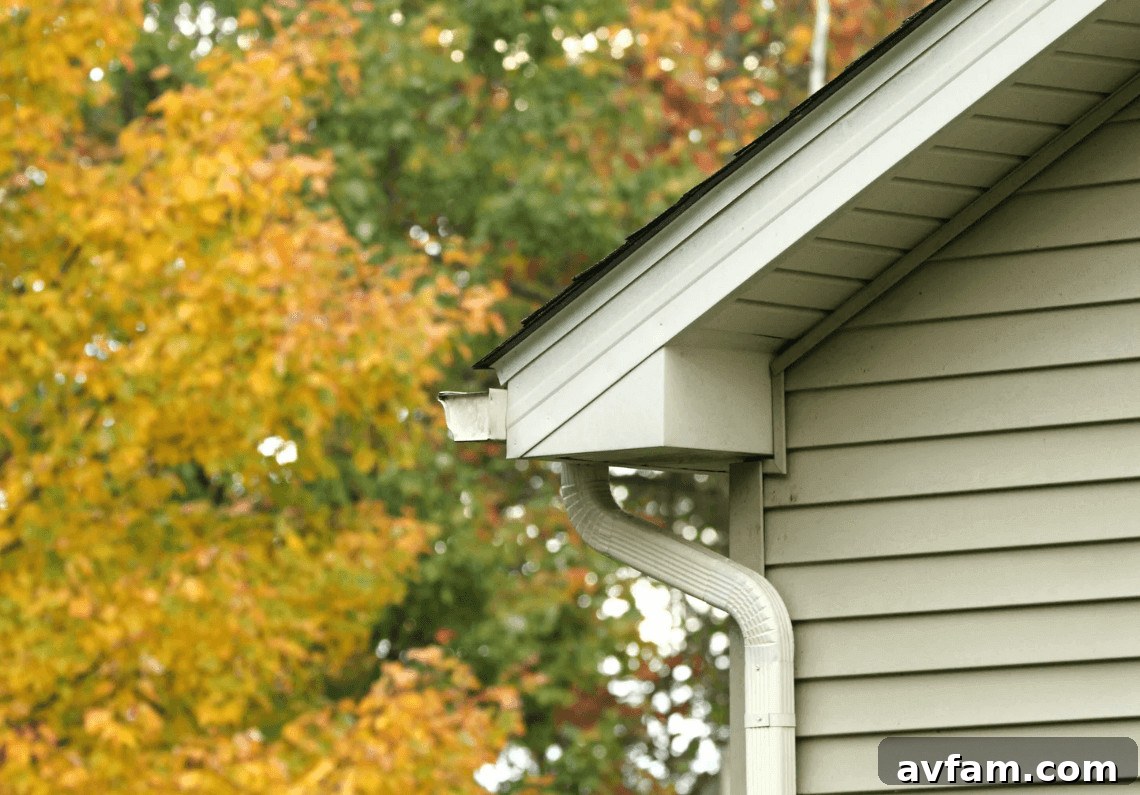
Soffit and fascia are essential elements of a home’s roofline that often go unnoticed, yet they play a vital role in ventilation, weather protection, and curb appeal.
Many homeowners wonder:
- What are soffit and fascia?
- How do soffit and fascia function on a house?
- When should soffit and fascia be repaired or replaced?
Recognizing the differences and functions of these components helps homeowners protect the roof structure, maintain proper attic ventilation, and preserve the exterior appearance of the property.
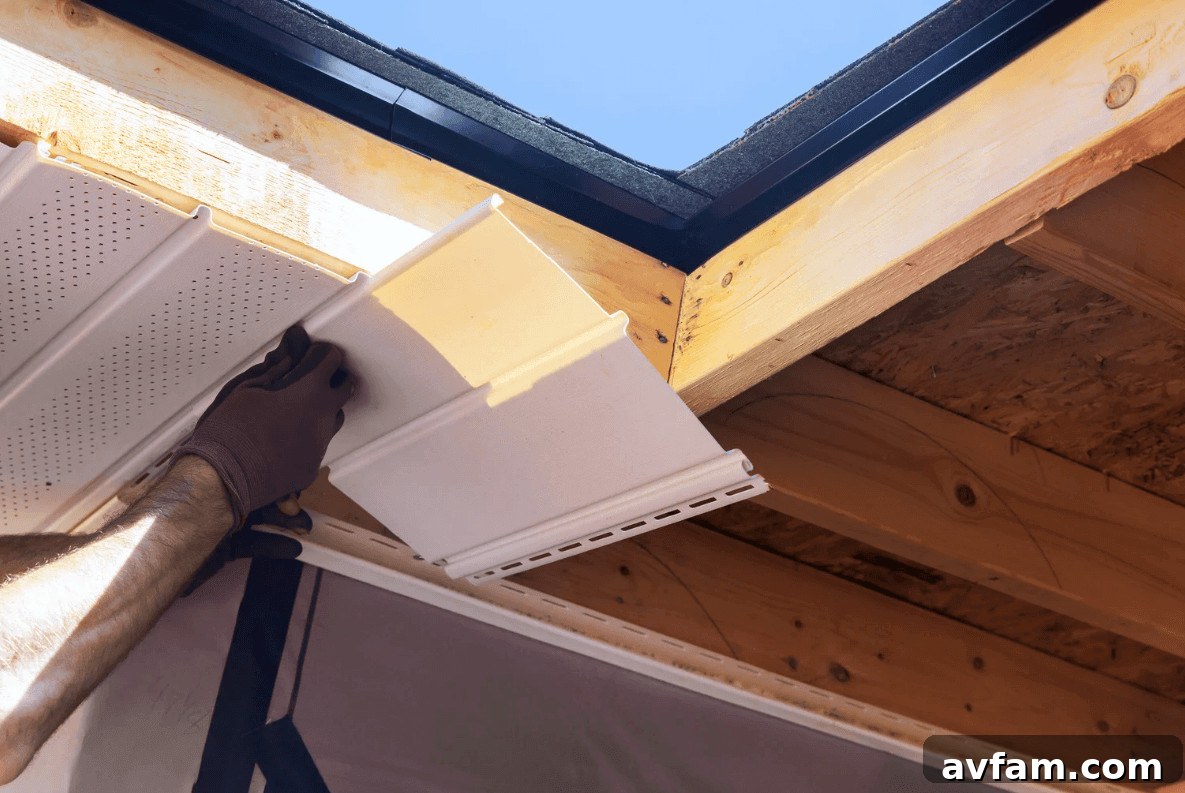
What Is Soffit?
The soffit is the material that covers the underside of a roof overhang, located between the exterior wall and the roof edge. Soffits can be flat or vented and are installed along eaves and overhangs to create a finished underside to the roofline.
Key Functions of Soffit
- Ventilation: Soffits frequently include vents or perforations that allow air to flow into the attic space. Proper ventilation reduces moisture buildup, helps regulate attic temperature, and lowers the risk of mold and rot.
- Protection: A well-installed soffit blocks birds, insects, and small animals from entering the attic or roof cavity, preventing nests and infestations that can cause structural damage.
- Aesthetics: Soffits create a clean, continuous underside to the eaves, improving the visual finish of a home’s exterior and contributing to curb appeal.
Common soffit materials include aluminum, vinyl, wood, and fiber cement. Each material has advantages in terms of durability, maintenance, and appearance, so homeowners should choose based on climate, budget, and desired look.
What Is Fascia?
Fascia is the vertical board or band that runs along the roof edge, attached to the ends of the rafters and forming the outer edge of the roof. It creates a transition between the roof and the exterior wall and provides a solid surface for attaching gutters.
Key Functions of Fascia
- Gutter Support: Fascia boards serve as the mounting surface for gutters, helping to channel rainwater away from the foundation and prevent water damage to siding and landscaping.
- Rafter Protection: Fascia protects rafter ends and roof components from prolonged exposure to weather, thereby reducing the risk of water infiltration and rot.
- Aesthetics: A neat fascia board gives the roofline a finished, uniform look and complements soffits and trim for an attractive exterior.
Typical fascia materials include wood, aluminum, vinyl, and composite materials. Material choice affects longevity, maintenance needs, and resistance to moisture and pests.
How Soffit and Fascia Work Together
Soffit and fascia are installed as complementary parts of the roofline system. The soffit covers the underside of overhangs while the fascia forms the roof’s outer edge. Together they:
- Support proper attic ventilation, allowing intake at the eaves and exhaust at roof vents.
- Shield roof rafters and attic spaces from water, pests, and weather exposure.
- Create a cohesive, finished roofline that enhances curb appeal and property value.
Correct installation and flashing are critical to prevent water infiltration, ensure adequate airflow, and maintain the long-term performance of both soffit and fascia.
Signs You Need Soffit or Fascia Replacement
Regular inspections can reveal problems early. Common signs that soffit or fascia needs repair or replacement include:
- Cracked, rotted, or soft wood
- Peeling, blistering, or flaking paint
- Sagging, warped, or detached boards
- Visible water stains or evidence of leaks
- Insect, bird, or rodent damage or nesting
- Rust, corrosion, or deterioration on metal components
Addressing these issues promptly prevents more extensive roof or attic damage, preserves insulation performance, and avoids costly repairs down the line.
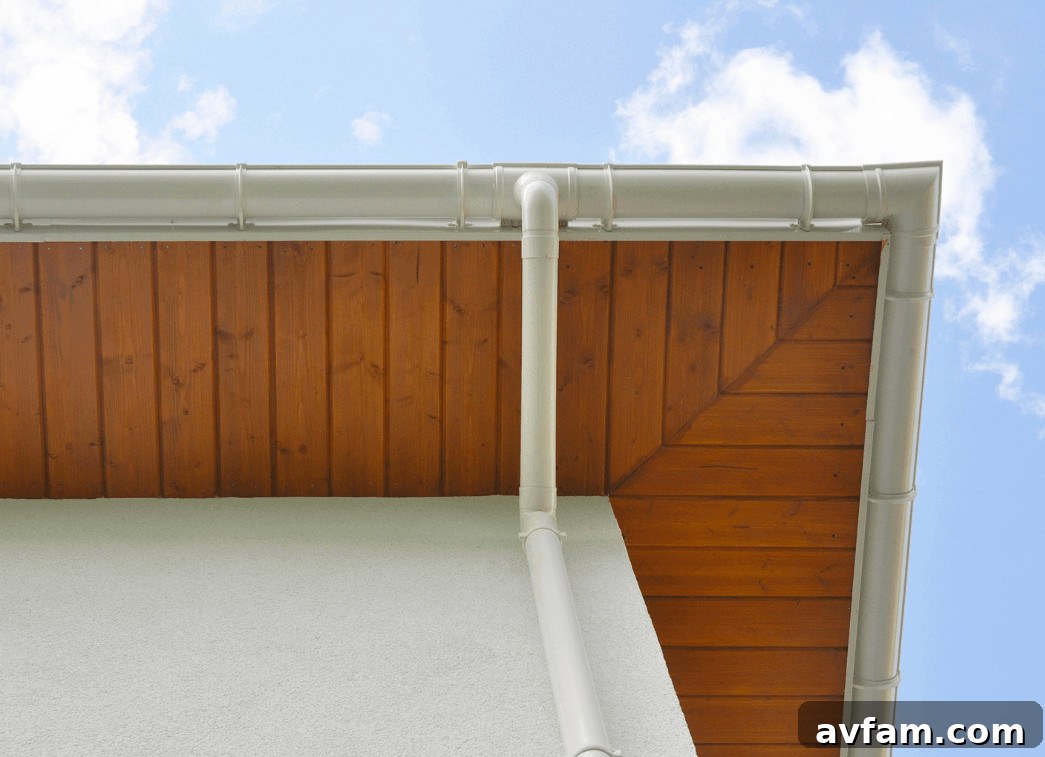
Benefits of Professional Installation
Hiring experienced contractors for soffit and fascia work provides several advantages:
- Proper ventilation design and installation to protect attic health
- Use of durable, weather-resistant materials that extend service life
- Correct flashing and sealing to prevent water intrusion and mold
- Improved curb appeal through neat, professionally finished trim
Working with certified local contractors ensures compliance with building codes and manufacturer installation requirements, resulting in dependable performance and warranty protection.
Conclusion
Soffit and fascia are more than cosmetic trim—they are functional components that protect the roof structure, support proper attic ventilation, and enhance a home’s exterior. Routine inspection, timely repairs, and professional installation when needed will preserve the roofline, prevent moisture and pest problems, and maintain the home’s long-term durability and curb appeal.