

Most drivers instinctively view traction as a fundamental, straightforward concept. As long as their tires maintain a firm grip on the road, control feels absolute. When that grip inevitably falters, the immediate solution seems simple: slow down. While this logic serves well for the average passenger car and daily commute, it falls short when applied to the complex world of commercial trucks. The sheer scale, immense weight, and unique structural design of these vehicles introduce an entirely different dimension to traction, making it far less predictable and significantly more critical. For truck drivers, this translates to a razor-thin margin for error and exponentially greater consequences when the delicate balance of traction is lost.
Recent incidents involving semi-trucks and other large commercial vehicles consistently highlight that a loss of traction isn’t solely attributable to reckless driving or negligence. More often, it’s a dynamic interplay between the vehicle’s inherent characteristics, external environmental factors like powerful winds and challenging road conditions, and the intricate physics of weight distribution. Gaining a deeper understanding of truck traction is essential, as it illuminates why seemingly minor events can rapidly escalate into severe accidents with devastating outcomes.
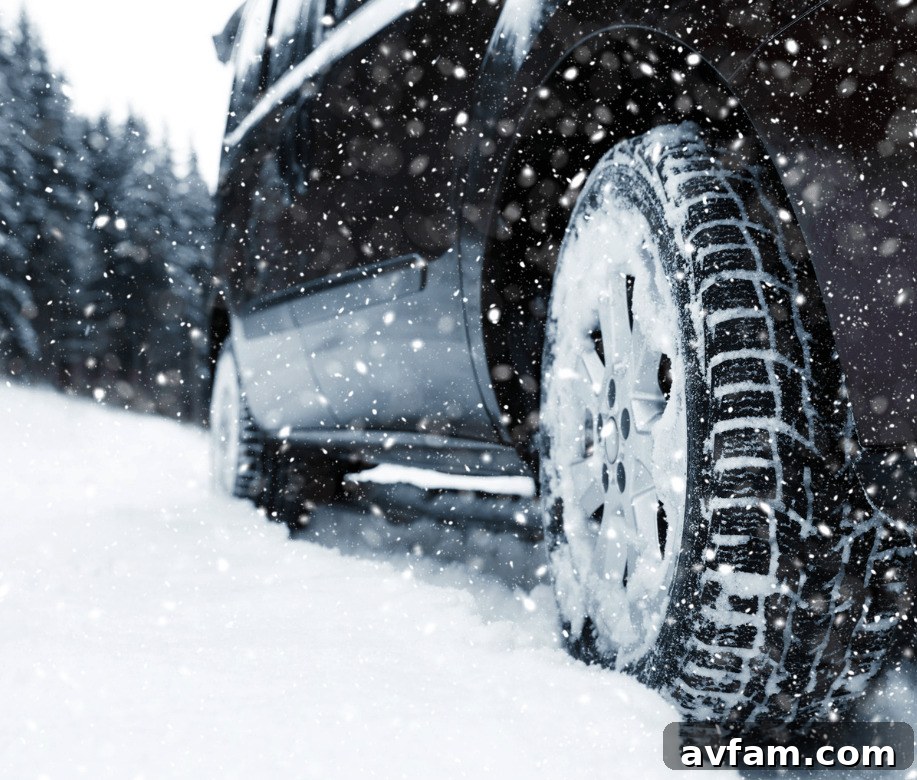
The Critical Role of Weight Distribution in Truck Traction
One of the most persistent misconceptions surrounding heavy vehicles is the belief that greater weight automatically equates to superior road grip. While a certain amount of downward force is necessary, the reality is far more nuanced. For a truck, the way its immense weight is distributed across its multiple axles and tires holds significantly more importance than the total load it carries. Effective traction isn’t merely about the absolute weight; it hinges on how uniformly and consistently that weight presses each tire against the road surface, maximizing the contact patch and ensuring optimal friction.
Consider the insights shared by experienced truck drivers in a KOAA report, which frequently reveal a counter-intuitive truth: a fully loaded semi-trailer, potentially weighing up to 80,000 pounds, can often exhibit greater stability in strong crosswinds than an empty trailer. This phenomenon is a direct result of physics. The added mass of cargo acts as an anchor, effectively increasing the normal force exerted by the tires on the road. This enhanced downward pressure improves the integrity of the contact between the tires and the surface, bolstering stability and control. Conversely, an empty trailer lacks this crucial downward force. Its lighter mass makes it exceptionally vulnerable to aerodynamic forces, sudden shifts in momentum, and the general unpredictability of external conditions, significantly increasing the risk of sway, fishtailing, or even a complete loss of control.
This reality directly challenges the common assumption that lighter vehicles are inherently easier to manage. In the context of heavy-duty trucking, reduced weight can paradoxically diminish traction and amplify instability, particularly for the trailer component. This underscores a fundamental principle: truck traction is not a fixed attribute. It’s a constantly evolving dynamic, heavily influenced by the specific load configuration, the trailer type (e.g., dry van, flatbed, tanker, reefer), and the constant barrage of external forces encountered on the road. Understanding these subtle yet powerful interactions is paramount for safe and effective commercial vehicle operation, especially when navigating varying terrains and weather conditions.
Types of Trailers and Their Impact on Stability
The type of trailer a truck hauls significantly affects weight distribution and, consequently, traction. A dry van, for example, typically distributes its load across a wider area, but if improperly loaded, can still become front- or rear-heavy. Tankers, carrying liquids, present a unique challenge due to the sloshing effect of their cargo, which can create dynamic shifts in weight and momentum, potentially destabilizing the truck during turns or braking. Flatbeds, while offering flexibility for oversized loads, demand precise securement and distribution to prevent shifting and maintain balance. Even specialized trailers like car carriers or heavy haulers require expert loading to prevent uneven pressure on tires and axles, which can severely compromise traction and steering capabilities. Each trailer type necessitates a distinct approach to loading and weight management to ensure optimal grip and stability, highlighting the complex relationship between cargo, vehicle design, and road contact.
When Environmental Conditions Dictate Control, Driver Skill Alone Is Insufficient
The existence of stringent traction laws is not arbitrary; they are a direct response to the inherent limitations of vehicle control under severe conditions. As elucidated in a FOX Weather article, these laws mandate the use of tire chains or specialized traction devices during periods of extreme weather, such as heavy snow, ice, or freezing rain. These regulations are not merely optional guidelines; they represent critical, practical interventions designed for situations where even the most experienced driver’s skill set cannot independently ensure the maintenance of control. When the crucial grip between tires and the road is severely compromised, vehicles behave in fundamentally different and often unpredictable ways. Braking distances multiply, steering inputs become less responsive and potentially erratic, and minor corrections that would typically suffice in good conditions are rendered ineffective.
This is precisely why state and local authorities rigorously enforce these rules, often with substantial fines for non-compliance. The primary objective of traction laws is to proactively reduce the probability of vehicles losing control, thereby preventing the chain of events that can lead to multi-vehicle pile-ups, road closures, and serious injuries or fatalities. Ignoring these essential safeguards does far more than simply increase individual risk; it dismantles a vital layer of collective protection that both drivers and the broader public depend on during hazardous conditions. Once this critical layer is absent, the very notion of control becomes precarious, and even seemingly routine driving scenarios can rapidly degenerate into highly dangerous and unmanageable situations, highlighting the profound importance of adherence to these safety measures.
Beyond Chains: Understanding Tire Technology and Road Conditions
While chains are essential in extreme conditions, the type of tire also plays a pivotal role. All-season tires offer a balance for varied conditions but may struggle in heavy snow or ice. Winter tires, with their specialized rubber compounds and aggressive tread patterns, excel in cold temperatures and on slippery surfaces, significantly improving traction and braking performance. Mud and snow (M+S) rated tires provide enhanced grip in specific off-road or slushy conditions. Understanding the appropriate tire for expected conditions is a proactive step in maintaining traction. Furthermore, adverse road conditions extend beyond just snow and ice; heavy rain can lead to hydroplaning, where a layer of water separates the tires from the road, while gravel, loose dirt, or uneven pavement can also drastically reduce grip. Drivers must continuously assess and adapt to these diverse challenges, recognizing that each presents a unique threat to vehicle stability and control.
Loss of Traction: A Subtle Progression to Dramatic Outcomes
A catastrophic loss of vehicle control rarely manifests as a sudden, unambiguous event. More typically, it’s a gradual, insidious process, quietly developing as traction incrementally weakens under dynamic and often imperceptible changing conditions. Drivers, especially those focused on long hauls, may not immediately register the subtle shifts that herald impending danger. Environmental phenomena, such as powerful crosswinds that buffet large trailer bodies or the sudden onset of localized lake-effect snow, can transform seemingly predictable roadways into highly treacherous surfaces in a matter of moments, particularly during seasonal transitions when conditions are inherently volatile.
A recent, tragic incident in Medina County, Ohio, involving a pickup truck that veered off the road, struck a guardrail, and ultimately overturned, resulting in a fatality, serves as a stark reminder of this reality. While the precise causal factors remained under investigation, prevailing weather conditions were identified as a significant potential contributor. Concurrently, nearby regions, including the metropolitan area of Cleveland, were grappling with intense lake-effect snowfalls. These conditions dramatically reduced visibility, obscured lane markings, and crucially, severely compromised the ability of vehicle tires to maintain adequate traction.
In such precarious scenarios, one critical issue can rapidly trigger a cascading series of events. When a large commercial truck loses control, jackknifes, or overturns, the ramifications extend far beyond the immediate vehicle. The immense size and momentum of a semi-truck mean that it can act as a formidable, unpredictable obstacle, initiating a chain reaction that engulfs nearby passenger vehicles, causing extensive damage and placing multiple drivers and passengers in grave danger. In the aftermath of such complex and often devastating crashes, seeking legal guidance becomes crucial. A local auto accident attorney in Cleveland or Medina County, such as those at Piscitelli Law Firm, can provide invaluable assistance. They meticulously review accident reports, methodically gather critical evidence, and adeptly identify how various contributing factors—ranging from weather and road conditions to vehicle maintenance and driver actions—intertwined to cause the crash. Furthermore, they play a pivotal role in navigating the often-complex landscape of insurance claims and skillfully guiding the legal process toward a fair and just resolution of liability.

Minor Decisions, Major Consequences: The Ripple Effect of Traction Choices
Often, the fine line between a routine, uneventful journey and a catastrophic incident can hinge on a singular, seemingly inconsequential decision made in the heat of the moment. Drivers, facing tight schedules or feeling the pressure of the road, might perceive conditions as manageable, making it easy to rationalize skipping a crucial precaution or underestimating its potential impact. However, when operating colossal vehicles like commercial trucks, even the slightest deviation from best practices or the most minor misjudgment can trigger a cascading series of events with severe and far-reaching consequences.
An illuminating report from AOL highlighted precisely such a case: a truck driver, under challenging snowy conditions, opted to disregard mandated chain control requirements. The repercussions of this decision extended far beyond a simple traffic citation or a monetary fine. The heavy vehicle swiftly lost its grip, became immobilized, and required extensive professional assistance to be freed. Critically, this incapacitated truck transformed into an unexpected and dangerous hazard for all other motorists on the roadway, significantly elevating the risk of subsequent collisions and further incidents. This scenario starkly illustrates how quickly a situation can escalate once the foundational element of traction is compromised.
What might begin as a seemingly minor judgmental error—such as opting not to install chains, maintaining excessive speed for the conditions, or failing to adequately inspect tires—can rapidly lead to a complete loss of vehicle control, resulting in blocked roadways, extensive property damage, or even devastating multi-vehicle collisions. Decisions pertaining to traction often feel small and immediate, but within the demanding context of operating heavy commercial vehicles, they strip away almost all margin for recovery once an adverse event is set in motion. This underscores the paramount importance of meticulous planning, constant vigilance, and unwavering adherence to safety protocols when dealing with the dynamic and unforgiving realities of truck traction.
Technology’s Role in Modern Truck Traction Management
While driver skill and adherence to safety protocols remain paramount, modern trucking technology has introduced advanced systems designed to augment traction and stability. Anti-lock Braking Systems (ABS) prevent wheel lock-up during braking, allowing the driver to maintain steering control on slippery surfaces. Traction Control Systems (TCS) work to prevent drive wheels from spinning by reducing engine power or applying individual wheel brakes, thereby optimizing grip during acceleration. Electronic Stability Control (ESC) goes a step further, detecting and mitigating skids and rollovers by selectively applying brakes to individual wheels and modulating engine power to help the driver maintain control of the vehicle’s trajectory. Lane Departure Warning systems alert drivers if their truck drifts out of its lane without signaling, which can be a precursor to losing control. Automatic Emergency Braking (AEB) systems can help prevent or reduce the severity of rear-end collisions by detecting obstacles and applying brakes autonomously. While these technologies significantly enhance safety and provide an additional layer of protection, they are not infallible. They rely on sensor input and can be overwhelmed by extreme conditions or poor driver judgment. Therefore, technology serves as an invaluable aid, but it cannot fully replace the critical decision-making, awareness, and experience of a skilled truck driver when managing traction.
Frequently Asked Questions About Truck Traction and Safety
What exactly is traction in a commercial truck?
In the context of a commercial truck, traction refers to the fundamental grip or friction established between its tires and the road surface. This critical force is what enables a driver to effectively accelerate, steer with precision, and brake reliably without any undesirable slipping or skidding. Robust and consistent traction is absolutely essential for maintaining optimal control over the vehicle, particularly when confronted with unpredictable changes in weather conditions, road surface quality, or during emergency maneuvers. It’s the silent force that keeps thousands of pounds of steel and cargo moving safely on the designated path.
What proactive measures should be taken when the road becomes slippery for a truck?
When encountering slippery road conditions, the immediate and most crucial action is to significantly reduce your speed to match the prevailing conditions. Aggressive maneuvers, such as sudden braking or sharp, abrupt turns, must be rigorously avoided as they can easily induce a loss of traction. It is imperative to maintain a substantially increased following distance from other vehicles, allowing ample reaction time and stopping space. All steering and braking inputs should be executed with exceptional smoothness and deliberation to preserve the delicate balance of control. Furthermore, in severely adverse conditions like heavy snow or ice, equipping the truck with appropriate winter-rated tires or installing tire chains can dramatically enhance grip and stability, providing an essential layer of safety in challenging environments.
How does the distribution and total weight of a truck influence its traction?
The total weight of a truck and, more importantly, its distribution, profoundly affect traction by dictating the amount of downward force pressing the tires onto the road surface. When weight is properly and evenly distributed across all axles and tires, it optimizes the contact patch for each tire, thereby maximizing grip and enhancing overall stability, especially under demanding conditions like turns, braking, or strong winds. Conversely, unevenly distributed weight—such as a heavily loaded front axle with a light rear, or vice versa—can lead to insufficient pressure on certain tires, drastically reducing their traction. This imbalance makes the vehicle considerably harder to control, increasing the risk of jackknifing, rollovers, or skidding. For commercial trucks, understanding and meticulously managing weight distribution is a cornerstone of safe operation and effective traction.
When one transcends the immediate moment of impact and examines the broader context, the profound significance of truck traction becomes undeniably clear. It is not merely a technical detail for engineers; it is the fundamental cornerstone of control on the open road. As numerous incidents vividly demonstrate, this essential control can rapidly deteriorate and vanish under a confluence of specific conditions. The intricate dynamics of weight shifts, the relentless push of strong winds, the ever-changing characteristics of road surfaces, and even seemingly minor decisions made by drivers all interact in complex ways that most individuals may not fully appreciate or consider.
What sets commercial trucks apart, and what makes their traction so critical, is the alarmingly narrow margin for recovery when grip is lost. A slight, almost imperceptible, reduction in tire-to-road friction can swiftly initiate a devastating chain reaction that, once started, becomes incredibly difficult, if not impossible, to halt. This inherent vulnerability is precisely why comprehensive traction laws are not just recommended but are strictly enforced, and why seasoned, experienced truck drivers pay an almost obsessive level of attention to monitoring and adapting to changing road and weather conditions. For them, traction isn’t just a concept; it’s the lifeline that keeps them, their cargo, and everyone else on the road safe.