
While the vibrancy of summer might suggest a reprieve from the sneezing and congestion that often accompany spring, the reality for millions of Americans is quite different. The notion that seasonal allergies pack their bags with the last spring shower is a common misconception, one that leaves many battling persistent symptoms throughout the warmer months. Far from disappearing, allergens merely transform, presenting new challenges to our respiratory systems and overall well-being. Summer allergies are a powerful and pervasive force, continuing to kick the literal snot out of sinuses both near and far, demanding our attention and proactive strategies.
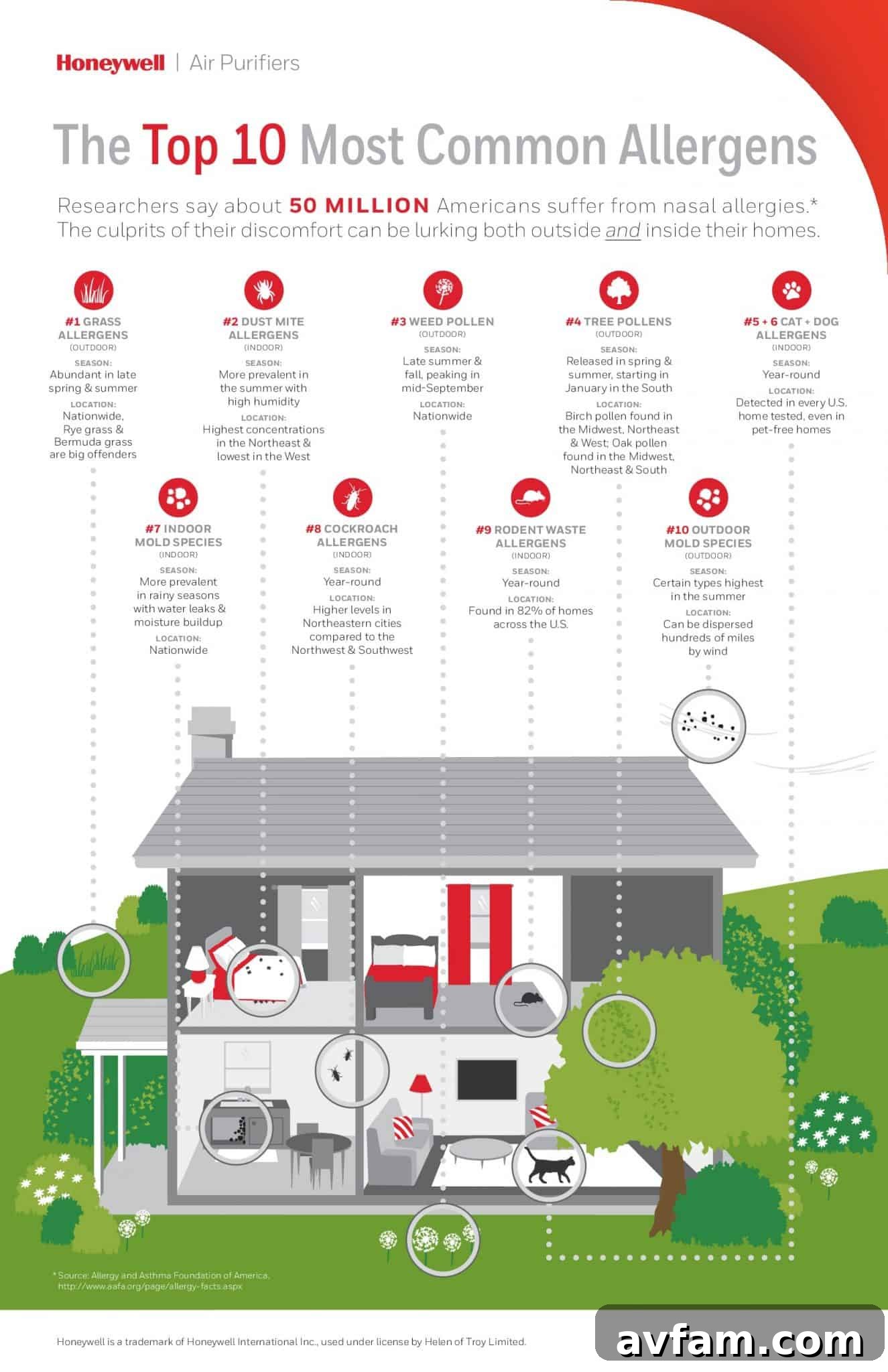
Understanding the culprits behind summer sniffles is the first step towards relief. To shed light on this often-underestimated problem, the experts over at Honeywell, in collaboration with the Allergy and Asthma Foundation of America (AAFA), have compiled invaluable resources, including handy infographics that illustrate the top allergens prevalent across the nation. We believe such comprehensive guides are essential for anyone looking to navigate the warmer seasons with greater comfort and clarity.
The Hidden Threats: A Deeper Look at Summer Allergens
For individuals who have undergone extensive medical interventions to alleviate extreme sinusitis and environmental allergies, like myself, a comprehensive list of allergens often reveals a few surprising sources beyond the usual suspects. While pollen, dust mites, and pet dander are well-known adversaries, others, such as cockroach allergens, can catch us off guard. It is critical to recognize that summer brings its unique array of airborne irritants, both natural and man-made, that can significantly impact our health.
Pollen’s Persistence: Not Just a Spring Fling
While tree pollen dominates spring, summer introduces its own potent pollens. Weeds, such as ragweed, pigweed, and plantain, release vast amounts of pollen from late summer into autumn. Various grasses, including Bermuda grass, Timothy grass, and Johnson grass, also pollinate heavily during the early to mid-summer months. These microscopic particles can travel for miles on wind currents, affecting even those far from their source. Understanding regional variations in pollen seasons is crucial; what might be dormant in one area could be thriving in another, making summer travel a potential trigger for allergy sufferers.
The Menace of Mold: A Humid Hazard
Summer’s increased humidity and frequent thunderstorms create an ideal breeding ground for mold spores, both indoors and outdoors. Outdoors, mold thrives in damp soil, decaying leaves, compost piles, and shaded areas. Indoors, it can proliferate in basements, bathrooms, kitchens, and any area with poor ventilation or water leaks. These invisible spores can cause respiratory symptoms, skin irritations, and even more severe reactions for sensitive individuals. The musty odor often associated with mold is a clear indicator of its presence, demanding immediate attention.
Dust Mites Thrive in Warmth and Humidity
Dust mites are year-round pests, but their populations explode during the warm, humid conditions of summer. These microscopic creatures feed on shed human skin cells and prefer environments with relative humidity levels above 70%. They are commonly found in bedding, mattresses, upholstered furniture, carpets, and curtains. Symptoms of dust mite allergy can include sneezing, runny nose, itchy eyes, and even asthma attacks. Managing indoor humidity becomes paramount during summer to curb their proliferation.
Unexpected Adversaries: Pet Dander and Cockroach Allergens
Pet dander, consisting of tiny flakes of skin, is a constant allergen for those sensitive to cats, dogs, and other furry animals. While not seasonal, the warmer weather often means pets spend more time indoors, potentially increasing allergen exposure within the home. More surprisingly, cockroach allergens are a significant, yet often overlooked, cause of allergic reactions and asthma, particularly in urban environments. Cockroach droppings, saliva, and decomposing body parts contain proteins that become airborne and can be inhaled, triggering symptoms similar to those caused by dust mites. Effective pest control is therefore an integral part of comprehensive allergen management.
Environmental Irritants: Smog, Pollution, and Wildfire Smoke
Beyond biological allergens, summer air often carries a heavy load of environmental irritants. Smog, ozone, and other air pollutants generated by industrial activity and vehicle emissions can irritate airways, exacerbating allergy and asthma symptoms. Furthermore, the increasing frequency of wildfires during dry summer months can blanket vast regions with smoke, composed of fine particulate matter that is extremely damaging to respiratory health. These non-allergic triggers can mimic or worsen allergic reactions, making a clear distinction between them challenging but important for effective symptom management.
DIY Dilemmas: Protecting Yourself During Home and Yard Projects
Whether you’re working outside on your latest landscaping masterpiece or tackling an indoor renovation project, it’s crucial to be cognizant of the potential allergens you might be stirring up. DIY tasks, while rewarding, often come with expected messes that can have serious ramifications for someone with severe environmental allergies, especially when combined with the specific conditions of summer.
The Risks of Renovation: Unearthing Hidden Allergens
Consider a seemingly simple task like tearing up old carpet. Depending on the carpet’s age, location, and what has “lived upon” it, this act can unleash a host of gross and harmful substances. Trapped dust mites, pet dander, mold spores (especially if there’s been any moisture), old pollen, and general accumulated dust can become aerosolized, creating an instant allergy nightmare. Similarly, demolition work, sanding walls, or even replacing insulation can release fine particles, fibers, and microscopic allergens into the air. Always wear appropriate personal protective equipment, including an N95 respirator mask, safety glasses, and gloves. Ensure proper ventilation by opening windows and using fans, or consider using professional dust containment systems.
Outdoor Undertakings: Beyond Just Grass Pollen
Even simple outdoor tasks like cutting grass can have serious ramifications for someone with severe plant- and pollen-based allergies. Grass pollen is highly allergenic, and mowing it sends vast quantities into the air. But it’s not just pollen; disturbing damp soil can release mold spores, and pruning hedges or weeding can expose you to various plant allergens and irritants. If you’re gardening, remember that many ornamental plants also produce pollen, and touching certain plants can cause contact dermatitis. Plan your outdoor work strategically, opting for early morning or late evening when pollen counts are typically lower. Wear long sleeves, gloves, and a mask, and shower immediately afterward to remove any lingering allergens from your skin and hair.
Summer’s Amplifiers: Heat, Humidity, and Smog
Add to the mix the inherent conditions of summer—intense heat, elevated humidity, and increased smog levels—and the situation can actually get pretty scary, pretty quickly. High temperatures can worsen inflammation in the airways, while humidity fuels the growth of mold and dust mites. Smog and air pollution act as irritants, sensitizing the respiratory system and making it more susceptible to allergic reactions. This triple threat means that even typically manageable allergen exposures can become severe during the summer months, leading to more intense symptoms like wheezing, shortness of breath, and prolonged sinus congestion. Staying hydrated and minimizing exposure during peak pollution days are vital strategies.
Cultivating an Allergen-Resistant Environment: Proactive Strategies for Home & Garden
Armed with knowledge about summer’s specific allergen challenges, you can take proactive steps to create an allergen-resistant environment, both indoors and out. This holistic approach ensures greater comfort and reduces the impact of seasonal sensitivities.
Indoor Air Quality Mastery: Your Home as a Sanctuary
Your home should be a haven from allergens. Start with your HVAC system: install high-efficiency particulate air (HEPA) filters or filters with a MERV (Minimum Efficiency Reporting Value) rating of 11 or higher, changing them every 1-3 months, especially during peak allergy season. Consider investing in a dedicated air purifier with a True HEPA filter for key living areas and bedrooms; these devices are designed to capture even the smallest airborne particles, including pollen, dust mites, mold spores, and pet dander. Controlling indoor humidity with a dehumidifier is also critical, aiming for levels between 30-50% to inhibit mold and dust mite growth. Regular, thorough cleaning is non-negotiable: vacuum carpets with a HEPA-filtered vacuum cleaner at least twice a week, wet dust surfaces to capture rather than redistribute allergens, and wash bedding in hot water (130°F/54°C) weekly. Encase mattresses and pillows in allergen-proof covers to create a barrier against dust mites. Finally, maintain diligent pest management to prevent cockroach infestations.
Outdoor Living, Allergy-Friendly: Smart Yard Practices
While enjoying the outdoors is a cornerstone of summer, smart practices can significantly reduce your exposure to outdoor allergens. If you suffer from grass or weed pollen allergies, delegate lawn mowing and gardening tasks to others, or wear a respirator mask if you must perform them yourself. Opt for low-allergen plants in your landscaping, such as certain types of flowers (e.g., roses, tulips) and trees (e.g., dogwood, magnolia) that produce less wind-borne pollen. After spending time outdoors, especially after yard work, shower immediately and change into clean clothes to prevent tracking allergens into your home. Keep windows and doors closed during high pollen counts, hot and humid days, or when air quality advisories for smog are in effect. Utilize your home’s air conditioning with a clean filter to circulate filtered, cool air.
Your Ally in the Fight: Introducing the Honeywell Smart Bluetooth True HEPA Air Purifier
We believe that combining awareness with effective tools is key to enjoying a healthy summer. This guide serves as a great reminder of how to keep your home and yard as allergen-free as possible, whether you’re building from scratch, moving into your next project or new home, or simply need a good deep cleaning. Later this week, we’ll be providing an in-depth review of the brand-new Honeywell Smart Bluetooth True HEPA Air Purifier unit. This innovative device touts a designation to fight the most severe indoor allergens and comes from the #1 brand recommended by allergists. We’ll be sharing how it has performed during some of the highest allergen count days of the summer thus far, offering valuable insights for those seeking advanced indoor air purification solutions.
Embracing a Clearer Summer
Summer should be a season of enjoyment, relaxation, and outdoor adventure, not constant sniffles and discomfort. By understanding the unique allergen landscape of the warmer months and implementing proactive strategies, you can significantly reduce your exposure and symptoms. From diligent indoor air quality management to smart outdoor practices, taking control of your environment empowers you to breathe easier and embrace a clearer, more comfortable summer.