
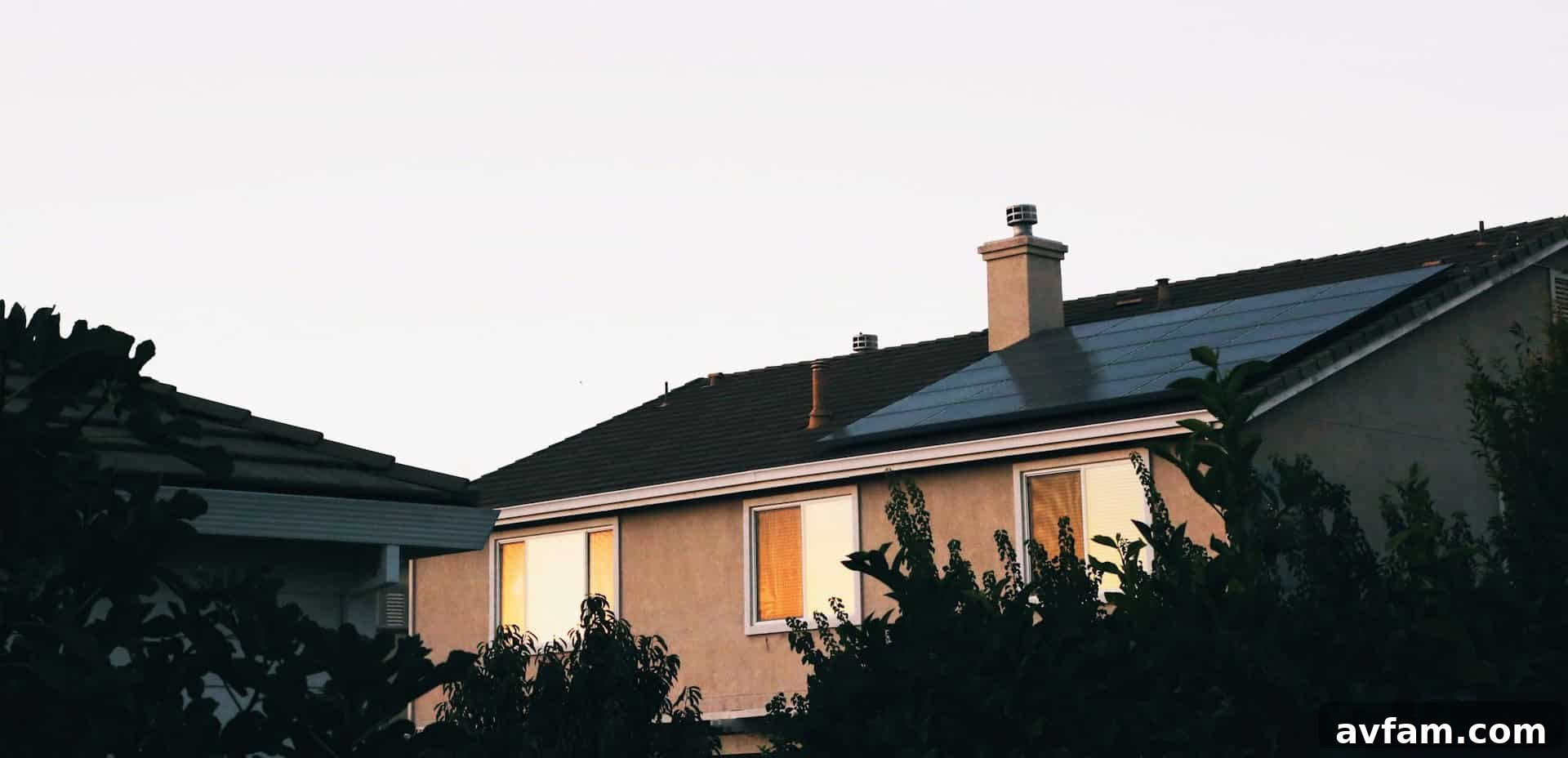
Building a green home represents a profound commitment to a sustainable future, transcending the conventional idea of shelter to embrace ecological responsibility. This noble endeavor, however, often encounters the intricate realities of meticulous planning and budgeting, elevating it to a whole new level of complexity. Far more than just an architectural trend, constructing an eco-friendly residence is a lifestyle choice that promises long-term benefits for both the planet and its inhabitants.
The core tenets of building a green home revolve around sustainability and minimizing environmental impact. It’s about making conscious choices that support the long-term viability and efficiency of your living space. From selecting materials with low embodied energy to designing for optimal natural light and ventilation, every decision contributes to a holistic system where your home works in harmony with its surroundings. This comprehensive guide will navigate you through essential considerations, helping you make informed choices on your journey to creating a truly sustainable and environmentally conscious dwelling.
1. Your Lifestyle Shapes Your Sustainable Home
Embarking on the journey of building an eco-friendly home begins not with blueprints, but with introspection. As Seville wisely points out, a critical first step is to honestly assess your family’s daily habits and energy consumption patterns. Before a single brick is laid or a design concept sketched, take a thorough inventory of your household’s relationship with energy and resources. Do you frequently leave lights blazing in empty rooms, or the television humming in the background? Are digital picture frames and chargers constant fixtures on your walls, drawing passive power even when not actively used? Do you rely heavily on air conditioning even when a gentle breeze could suffice?
These seemingly small behaviors collectively form a significant portion of your home’s energy footprint. Seville rightly emphasizes that “occupant behavior is the biggest predictor of energy use.” Even the most technologically advanced, energy-efficient home can have its benefits negated by wasteful habits. Understanding and consciously shaping your personal power consumption habits is paramount. It’s about cultivating an eco-conscious mindset that complements your sustainable dwelling. Consider implementing smart home technologies that monitor and control energy usage, helping you visualize and adjust your habits. By aligning your lifestyle with the principles of sustainability, you unlock the full potential of your green home, ensuring it remains an emblem of true environmental responsibility.
2. Partner with Green Building Experts
Once you’ve reflected on your habits and solidified your commitment to sustainable living, the next crucial step is to connect with experts who can guide you through the complexities of green construction. Your first call should be to your local green homebuilders association. Organizations like Atlanta’s EarthCraft House are invaluable educational nonprofits. They serve as pillars of knowledge, holding builders to the highest, most up-to-date environmental processes and practices. More importantly, they ensure that you, the consumer, are fully informed about every aspect of your build, understanding the ‘what’ and ‘why’ behind each sustainable choice.
Barry Reid of Georgia Pacific highlights another vital role these associations play: providing rigorous inspections that enforce an unparalleled attention to detail. He notes, “Important but small items like chimney flashing are often installed incorrectly. This can make a huge difference in the efficiency of your home.” These expert eyes catch the nuances that an untrained individual might miss, ensuring that even the subtlest components of your home contribute to its overall efficiency and durability. You don’t need to be an expert on knee walls or sustainable material certifications; these organizations are. They certify homes only when builders adhere to strict sustainability criteria, offering you peace of mind and guaranteeing that your new residence meets the highest standards for environmental performance, energy efficiency, and healthy indoor living.
3. Location: The Unsung Hero of Sustainability
As you delve into the exciting realm of green construction methods and envision the eco-friendly features of your future dream home, it’s imperative to seriously consider your chosen location. Often overlooked, the neighborhood you select plays a profound role in shaping your home’s long-term sustainability and significantly impacting your family’s overall carbon footprint. Seville points out that people tend not to connect their neighborhood choices with environmental impact, but they absolutely should.
To truly maximize the sustainability of your new home, think beyond its four walls and look at its integration into the wider community. Building in a location that facilitates walking, biking, or public transportation for daily commutes and errands dramatically reduces reliance on personal vehicles. A “walkable neighborhood” means your family will consume less energy and generate fewer emissions in the long term, contributing to cleaner air and a healthier lifestyle. Beyond transportation, consider proximity to local amenities such as schools, grocery stores, and parks. A well-chosen location reduces travel time, fosters community engagement, and can even influence your home’s passive design potential by optimizing for local microclimates and prevailing winds. The goal is to create a harmonious relationship between your home, your lifestyle, and its environment, making location a cornerstone of your sustainable building strategy.
4. Size Matters: Embracing Efficient Design
In the quest for a green home, the adage “size matters” holds particular weight. Perhaps you’ve discovered a charming, urban lot nestled near excellent schools and vibrant cultural activities, but worry that it might not accommodate a sprawling house. Fear not, as Seville wisely states, “Smaller is better if your home design is right — people tend to like cozy spaces over very big ones anyway.” This perspective marks a significant shift away from the era of oversized “McMansions” towards homes that prioritize smart design and efficiency over sheer square footage.
Architect Sarah Susanka’s “Not So Big House” series eloquently champions this philosophy, teaching readers to seek intelligent designs that use “less space to give a greater quality of life.” Designing a home from scratch offers a unique and perfect opportunity to embrace this principle: to use fewer resources to create much more for your family and the environment. A smaller house inherently requires fewer raw materials for its construction, reducing embodied energy and waste. Furthermore, it demands less energy to heat, cool, and light throughout its lifetime, translating into lower utility bills and a significantly reduced carbon footprint. By focusing on multi-functional spaces, clever storage solutions, and an overall sense of intentionality, a smaller, well-designed green home can offer unparalleled comfort, efficiency, and a profound connection to sustainable living, proving that true luxury lies in quality, not just quantity.
5. Strategic Orientation: Harnessing Nature’s Energy
One of the most impactful, yet often overlooked, aspects of designing a truly green home is its orientation on the building site. It is extremely important to meticulously design a home that strategically utilizes natural sunlight for illumination and thermal regulation. Your home’s ideal orientation might differ significantly from that of your neighbors, depending on your specific elevation, geographical location, and the particular climate zone you inhabit—considering the United States alone encompasses eight distinct climate zones, this variability is substantial.
The goal is to maximize beneficial solar gain in colder months while minimizing unwanted heat gain during warmer periods, simultaneously promoting optimal natural air circulation. This involves a collaborative effort between your builder and architect to carefully map out your habitat. They will consider factors such as the sun’s path throughout the day and year, prevailing wind directions, and surrounding landscaping or structures that might cast shadows. Strategic placement of windows, doors, and even roof overhangs can dramatically enhance daylighting, reducing the need for artificial lighting, and facilitate cross-ventilation, which naturally cools your home. A well-oriented home is a passive energy-saver, drastically cutting down on heating and cooling demands and showcasing a deep understanding of sustainable architectural principles from the ground up.
6 & 7. Master Energy Use and Optimize Airflow: The Building Envelope Synergy
In the realm of sustainable home building, it’s virtually impossible to discuss energy efficiency without concurrently addressing airflow and the integrity of the building envelope. As Reid highlights, “New home builders want to know how they can reduce their burden and their expense. Energy efficiency and air flow have become intertwined.” This intertwining is centered on the concept of the “building envelope” – the critical barrier that separates the interior of your home from the exterior environment. A truly efficient green home boasts a meticulously designed and expertly constructed building envelope that works as a cohesive system.
Reid emphasizes ensuring “the right amount of insulation falls in the right places for a tightly built home.” This means not just ample insulation, but the correct type and proper installation, ensuring continuous thermal barriers in walls, attics, floors, and foundations. Beyond insulation, air sealing is paramount. Tiny cracks and gaps, often invisible to the naked eye, can lead to significant energy loss and allow unwanted moisture or pollutants to infiltrate. Technologies like blower door tests are used to pinpoint and seal these leaks, creating an exceptionally airtight structure. Complementing this tight envelope are high-quality, energy-efficient windows and doors, specifically chosen for their U-values and solar heat gain coefficients. When these components are aligned properly, allowing controlled air to circulate through thoughtful ventilation systems (like Energy Recovery Ventilators – ERVs), you will already be cutting your energy bill considerably. A well-designed, airtight, and insulated home significantly reduces the workload on your heating and cooling systems, keeping your heater running less in the cold months and the air conditioning running less when it’s hot, ensuring year-round comfort with minimal energy expenditure and superior indoor air quality.
8. Combat Moisture: A Foundation of Green Building
Effective moisture management is a non-negotiable aspect of sustainable construction and a cornerstone of maintaining a healthy, durable home. As Reid attests, having witnessed “more than his fair share of moldy wall assemblies, basements, attics and closets,” he stresses that “good building practices don’t allow moisture to accumulate in the home.” Many homeowners are consistently “surprised by how leaky houses are, by how much water is actually getting into your home through places like vents, windows or tops of doors.” This permeability allows moisture to seep in, creating prime conditions for mold growth, structural damage, and diminished indoor air quality, which can have serious health implications for occupants.
Stopping moisture in its tracks requires a multi-pronged approach, starting from the very foundation of construction. Builders must ensure proper flashing around windows, doors, and roof penetrations, install effective vapor barriers and drainage planes, and maintain meticulous water diversion during the framing stage. Beyond internal moisture prevention, managing external water is equally critical. The other element of the water management equation in a new home is runoff. Builders must take into consideration proper site grading to divert water away from the foundation, integrate permeable landscaping to reduce stormwater runoff, and potentially incorporate rainwater collection systems. These measures protect both your home’s integrity and the surrounding environment by preventing soil erosion and reducing the burden on municipal stormwater systems. Your green homebuilders association will undoubtedly have stringent requirements for these water management strategies, ensuring a dry, healthy, and resilient home.
9. The Invisible Excellence: Process Makes Perfect
Perhaps the most critical, yet often least visible, aspect of a truly high-performance green home design lies in its underlying processes. As Seville profoundly notes, “Our society prefers things. We want solar panels or something we can brag about, but a well-built house is a sophisticated thing.” He cannot emphasize enough the paramount importance of good design in an Earth-friendly new home, particularly concerning the seamless integration of various systems. These ‘invisible’ processes are the silent architects of efficiency and comfort, working behind the scenes to optimize every resource.
Consider the plumbing, for example. Seville explains, “your designer should lay out your pipes so the hot water gets to the faucet without you having to run the water for a long time, wasting all that cold water.” This simple yet elegant design choice significantly reduces water waste and energy consumption. Similarly, the three main legs of the home efficiency stool – energy efficiency, airflow, and water management – rely heavily on the intelligent processes your home employs to handle these elements. Is your HVAC system strategically located in the attic or the basement, and is it precisely sized for the specific space it inhabits? An oversized or undersized unit will operate inefficiently, wasting energy and failing to provide optimal comfort. Before approving blueprints, engage in thorough discussions about these efficient methods with your builder and architect, and verify their implementation with your green homebuilders association (HBA). This integrated design approach, where every system is thoughtfully planned for maximum efficiency and minimal resource use, is what truly elevates a green home from a collection of eco-friendly features to a holistically sustainable living environment.
10. Material Science: Conscious Choices for a Sustainable Build
While fundamental elements such as smart insulation and proper ventilation undeniably form the backbone of a green home, the materials you select for both its construction and finishing can make a world of difference. Barry Reid emphasizes that while everyone knows a refrigerator can be “a huge energy pig,” and that “there is more to do than making sure you have a low-flow toilet,” the material choices extend far beyond appliances and basic fixtures. It’s about understanding the entire lifecycle of each product, from its origin to its end-of-life.
Conscious material selection involves considering factors like embodied energy (the total energy consumed in producing, transporting, and installing a material), recycled content, and whether materials are locally sourced to reduce transportation emissions. Opt for rapidly renewable resources like bamboo flooring or cork, which regenerate quickly. Prioritize materials with low volatile organic compound (VOC) emissions for paints, adhesives, and finishes, significantly improving indoor air quality and occupant health. Explore innovative materials such as insulated concrete forms (ICFs) for superior thermal performance, or cellulose insulation made from recycled paper. Even reclaimed wood, recycled steel, and durable fiber cement siding contribute to sustainability by diverting waste from landfills and extending material lifespans. Investing in Energy Star appliances is an obvious first step, but also consider smart irrigation systems that optimize water use outdoors. By making informed choices about every material that goes into your home, you actively reduce its environmental impact, enhance its performance, and create a healthier living space that truly reflects a commitment to sustainable material science.
Building a green home is a journey that intertwines thoughtful planning, expert guidance, and a commitment to sustainable choices. From assessing your personal habits to meticulously selecting materials and optimizing every system, each step contributes to creating a dwelling that is not only environmentally responsible but also healthier, more comfortable, and ultimately more economical in the long run. Embrace these principles, and you’ll build more than just a house; you’ll build a legacy of sustainable living for generations to come.