
As the days progressively shorten and the crisp air signals the approach of autumn, there’s an undeniable shift in our homes and routines. Daylight Saving Time looms, threatening to steal precious hours of evening light and leaving our exteriors shrouded in darkness far too early. While this seasonal transition can feel melancholic, it also presents a wonderful opportunity to enhance the warmth, comfort, and allure of your home.
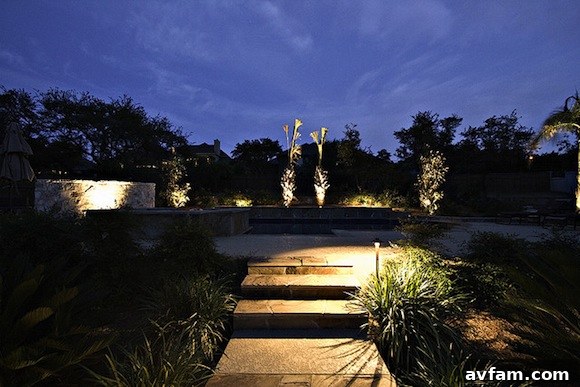
One of the most impactful ways to embrace the changing seasons and prepare for the festive holiday period is through the strategic installation of landscape lighting. Beyond merely illuminating your property, a thoughtfully designed outdoor lighting system transforms your home’s exterior into a welcoming beacon, significantly boosting curb appeal and extending your living spaces long after the sun has set. It’s an investment that pays dividends in beauty, safety, and security.
Transform Your Home: The Multifaceted Benefits of Landscape Lighting
Landscape lighting is far more than just a string of lights. It’s a design element, a safety feature, and a security measure all rolled into one. Understanding its comprehensive benefits can help you envision the potential it holds for your property.
Elevate Curb Appeal and Aesthetic Charm
Imagine your home emerging from the twilight, not as a dark silhouette, but as a warmly lit sanctuary. Landscape lighting artfully highlights architectural features, showcases beloved garden elements, and casts a soft, inviting glow across your property. Different lighting techniques, such as uplighting trees, silhouetting statues, or washing a wall with diffused light, create depth and drama, making your home a captivating spectacle after dusk. This visual appeal is particularly potent during the cooler months and holiday season, instantly making your home feel cozier and more welcoming to guests.
Enhance Safety and Improve Navigation
Dark pathways, unseen steps, and shadowy driveways are not just unsightly; they pose significant trip hazards. Landscape lighting mitigates these risks by brightly illuminating critical areas, guiding visitors safely to your door. Pathway lights, step lights, and discreet fixtures along garden edges ensure clear visibility, preventing accidents and offering peace of mind. This is especially crucial for elderly family members or guests unfamiliar with your property’s layout.
Boost Home Security and Deter Intruders
A well-lit exterior is a strong deterrent to potential intruders. Dark corners and obscured entry points provide cover for unwanted visitors, whereas a brightly lit property eliminates these hiding spots. Security lighting, strategically placed to cover vulnerable areas like doors, windows, and garage entrances, makes your home less appealing to criminals. Motion-sensor lights can further enhance this security, startling intruders and alerting residents to unexpected activity.
Extend Outdoor Living and Entertainment Areas
Why let the setting sun dictate the end of your outdoor enjoyment? Landscape lighting extends the usability of your patios, decks, pergolas, and garden spaces well into the evening. Whether you’re hosting an intimate dinner party, enjoying a quiet evening with a book, or simply admiring your garden, proper lighting transforms these areas into inviting extensions of your indoor living space. It creates an ambiance that encourages relaxation and social interaction outdoors, even on cooler evenings.
Increase Property Value and Market Attractiveness
Beyond the immediate benefits, landscape lighting is a smart investment that can significantly increase your home’s market value. A beautifully lit exterior speaks volumes about a property’s care and aesthetic appeal, making it stand out to potential buyers. It’s a feature that offers both practical advantages and emotional appeal, contributing to a higher perceived value and a faster sale should you decide to move in the future.
Choosing the Perfect Landscape Lighting System for Your Home
The market offers a diverse range of landscape lighting systems, each with its own advantages. Selecting the right one depends on your specific needs, budget, and desired aesthetic.
Understanding System Types: Low Voltage, Solar, and Line Voltage
- Low Voltage Systems: These are the most popular choice for homeowners due to their safety, energy efficiency, and ease of installation. Operating on a 12-volt current, they require a transformer to convert your home’s standard 120-volt electricity. They offer flexibility in design and are ideal for DIY projects.
- Solar Powered Systems: Environmentally friendly and incredibly easy to install, solar lights require no wiring. They harness sunlight during the day to power LED bulbs at night. While convenient, their performance can be inconsistent in shaded areas or during prolonged cloudy weather. They are often best suited for accent lighting rather than primary illumination.
- Line Voltage Systems: Operating on your home’s standard 120-volt current, these systems are typically reserved for high-power applications like security floodlights or complex, professional installations. Due to the inherent electrical risks, line voltage systems usually require professional installation and adherence to strict electrical codes.
Fixture Styles, Materials, and Light Sources
The style of your fixtures should complement your home’s architecture and landscape design. Classic lantern-style lights, for instance, exude a timeless charm that pairs beautifully with most traditional home exteriors. For modern homes, sleek, minimalist fixtures might be more appropriate. Consider the materials as well: brass and copper offer durability and develop a beautiful patina over time, while aluminum and stainless steel provide a more contemporary look. When it comes to light sources, LED technology has become the gold standard. LEDs are incredibly energy-efficient, boast an exceptionally long lifespan, and offer a wide range of color temperatures, from warm white to cool white, allowing you to fine-tune the ambiance.
Key Considerations for a Smart Selection
Before making a purchase, ask yourself:
- What is the primary purpose? Are you highlighting a tree, lighting a pathway, or providing security? Different purposes call for different fixture types and light outputs.
- What is your home’s architectural style? The lighting should harmonize with your home’s existing design elements.
- What existing landscape features do you want to highlight? Consider the size and texture of trees, shrubs, and architectural details.
- What is your budget? Factor in not just the initial cost of the system, but also long-term energy consumption and maintenance. LED systems, while sometimes having a higher upfront cost, save significantly on energy and bulb replacements over time.
- Do you need expandability? Choose a system that allows for easy addition of more lights in the future.
- Are smart features important to you? Many modern systems offer app control, dimming capabilities, and integration with smart home ecosystems, allowing for ultimate convenience and customization.
Planning Your Landscape Lighting Design: A Blueprint for Brilliance
A successful landscape lighting installation begins with a well-thought-out design. Don’t just place lights randomly; create a plan that maximizes impact and functionality.
Step-by-Step Design Strategy
- Evening Walkthrough: The best way to identify areas needing light is to walk your property at night. Note dark spots, potential trip hazards, and interesting features you’d like to highlight.
- Sketch Your Layout: Draw a simple diagram of your property, including your home, pathways, garden beds, trees, and any other elements. Mark where you envision lights, indicating the type of fixture and its purpose.
- Define Lighting Layers: Think about creating layers of light.
- Path and Step Lighting: Evenly spaced lights to illuminate walkways and stairs for safety.
- Accent Lighting: Spotlights or uplights to highlight specific features like a beautiful tree, a statue, or a textured wall.
- Area Lighting: Broader illumination for patios or seating areas.
- Downlighting (Moonlighting): Lights placed high in trees to cast a natural, dappled light pattern on the ground below.
- Wash Lighting: Soft, diffused light to illuminate larger surfaces like walls or hedges.
- Avoid Glare: Position lights so they illuminate surfaces, not directly into people’s eyes. Shielded fixtures and careful aiming are key to creating a comfortable and inviting atmosphere.
- Test with Temporary Lights: If possible, use temporary or flashlight setups to simulate the effect before committing to installation. This helps fine-tune placement and light intensity.
DIY Landscape Lighting Installation: A Step-by-Step Guide
Many low-voltage landscape lighting systems are designed for straightforward DIY installation, empowering you to transform your exterior without the need for professional help. Here’s how to do it:
Essential Tools You’ll Need
- Shovel or trenching tool
- Wire strippers
- Screwdriver set
- Tape measure
- Waterproof wire connectors (often included)
- Gloves and safety glasses
- Landscape staples (optional, for securing wires before burial)
The Installation Process
- Unpackage and Layout: Carefully unpackage all components. Lay out the lights and main cable along your planned path – this allows you to visualize the final result and make any last-minute adjustments to spacing and placement.
- Transformer Placement: Select a discreet, weather-protected location near an existing outdoor GFCI (Ground Fault Circuit Interrupter) outlet. Ensure the transformer’s wattage capacity is sufficient for all your planned lights. Add up the wattage of each bulb to get your total; it’s wise to leave about 10-20% buffer.
- Cable Routing and Trenching: Plan the most efficient path for your main low-voltage cable. Using your shovel, dig shallow trenches (typically 6-12 inches deep) along this path. Remember to call your local utility company (e.g., “811” in the US) before digging to avoid underground utilities.
- Connecting Fixtures to Cable: At each desired light location, strip a small section of insulation from the main cable. Connect the wires from each light fixture to the main cable using the provided waterproof connectors, ensuring a secure, tight connection.
- Installing the Lights: Secure each light fixture into the ground using its stake, pushing it firmly into the soil. Adjust the angle of the light head to achieve the desired illumination effect (uplighting, pathway lighting, etc.).
- Connecting to the Transformer: Once all lights are connected, run the main low-voltage cable back to the transformer. Connect the cable ends to the appropriate terminals on the transformer, following the manufacturer’s instructions carefully.
- Testing the System: Plug the transformer into the GFCI outlet and turn on the power. Walk around your property to ensure all lights are working correctly and are aimed as desired. This is the time to make any final adjustments to light angles or placement.
- Burying the Cable and Finishing Touches: Once you’re satisfied with the system’s performance, carefully bury the main cable in the trenches. Replace any disturbed sod or grass, gently packing the material around the light fixtures to secure them. Clean up your workspace, and enjoy your beautifully lit landscape!
Maintenance and Troubleshooting: Keeping Your Lights Shining Bright
To ensure your landscape lighting system continues to perform optimally and look its best, regular maintenance is key.
- Regular Cleaning: Over time, dust, dirt, leaves, and even mineral deposits can accumulate on fixture lenses, dimming their output. Periodically wipe down lenses and clean fixtures with a damp cloth.
- Bulb Replacement: While LEDs have a long lifespan, older halogen systems will require bulb replacements. Always use the correct wattage and type of bulb for your fixture. Replace burned-out bulbs promptly to maintain a consistent look.
- Wire Inspection: Periodically check buried wires for any signs of exposure or damage, especially after heavy rain or gardening activities. Repair any exposed wiring immediately to prevent hazards.
- Fixture Adjustment: As plants grow and seasons change, you may need to re-aim your lights. Prune overgrown foliage that might be obstructing light beams.
- Timer and Sensor Checks: If your system uses a timer or photocell sensor, ensure it’s functioning correctly, adjusting settings as daylight hours shift.
When to Call a Professional
While DIY installation is feasible for many low-voltage systems, there are times when professional expertise is invaluable:
- Complex Designs: If you envision an elaborate lighting scheme involving multiple zones, intricate layering, or specialized fixtures, a professional designer can bring your vision to life seamlessly.
- High Voltage Systems: Any installation involving 120-volt line voltage wiring should always be handled by a licensed electrician to ensure safety and compliance with building codes.
- Large Properties: Extensive landscapes can be challenging to light effectively. Professionals have the experience to plan efficient layouts and manage long cable runs.
- Integration with Smart Home Systems: If you want seamless integration with an existing smart home system or require advanced automation, a professional installer can ensure everything works harmoniously.
- Uncertainty: If you’re uncomfortable with any aspect of the electrical work or the installation process, it’s always safer and more reliable to consult with a qualified professional.
And there you have it – the path to a brighter, more beautiful home exterior! As the days continue to shorten, don’t let your home fade into the night. Embrace the magic of landscape lighting to create a welcoming ambiance, enhance safety, and showcase your property’s best features. Whether you choose a hands-on DIY approach or enlist the help of a professional, the transformation will be immediate and enduring.
If you’ve already enhanced your home with landscape lighting, we’d love to hear about your experiences and your top picks for lighting systems!
Photo: Flickr.com/OLP_SanAntonio