
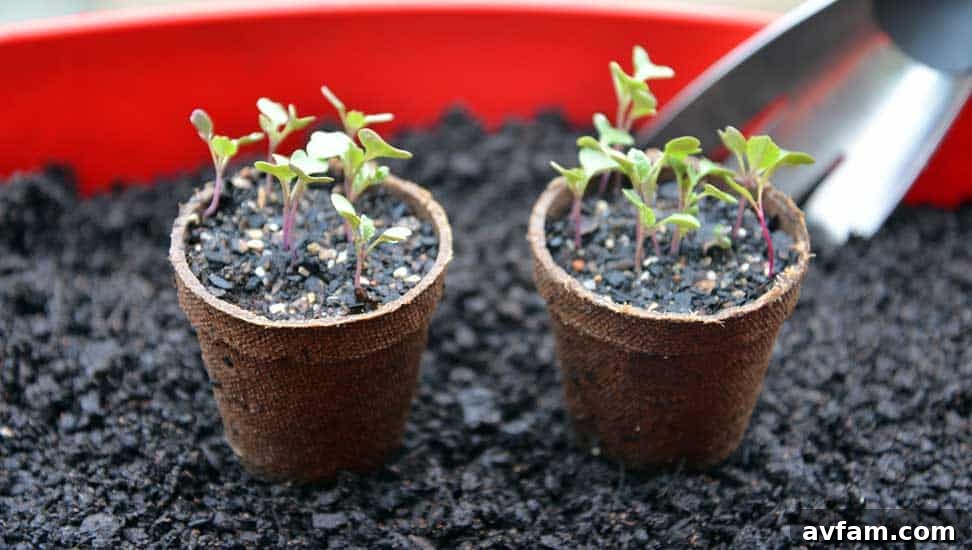
For those blessed with a naturally green thumb, the sheer joy of nurturing life from seed to harvest is an unparalleled experience. And if the crisp air of autumn has you reminiscing about sun-drenched days spent cultivating your garden, prepare to be delighted! The truth is, your gardening journey doesn’t have to end with summer. In fact, fall gardening presents a fantastic opportunity, one that many horticultural experts enthusiastically advocate, often even preferring it over spring planting.
Autumn offers unique advantages for growing certain crops. As detailed in a report from North Carolina State University’s Department of Horticulture Science, “Many cool-season vegetables produce their best flavor and quality when they mature during cool weather.” This insight highlights a key benefit: vegetables like lettuce and spinach, which might ‘bolt’ (go to seed prematurely) or develop a bitter taste when maturing in the rapid heat of spring and early summer, thrive in the more temperate conditions of fall.
The milder, more consistent temperatures of autumn, especially in regions like North Carolina where spring can transition quickly into hot summer, create an ideal environment for delicate, leafy greens and root vegetables. This extended period of cool growing conditions allows plants to develop fuller flavors and better textures, elevating your culinary experience with fresh, homegrown produce.
Getting Started with Your Fall Garden: Initial Steps
To embark on your fall gardening adventure successfully, some strategic planning is crucial. By September, you’ll want to focus on quick-maturing vegetables that can reach harvest before the deep freezes set in. Think crisp turnips, vibrant leafy greens such as kale and collards, and hardy root vegetables. A wise first step is always to consult with your local nursery or cooperative extension office. They possess invaluable, region-specific knowledge about which plants and vegetables will genuinely flourish in your area’s unique autumn climate, offering tailored advice that can make all the difference to your garden’s success.
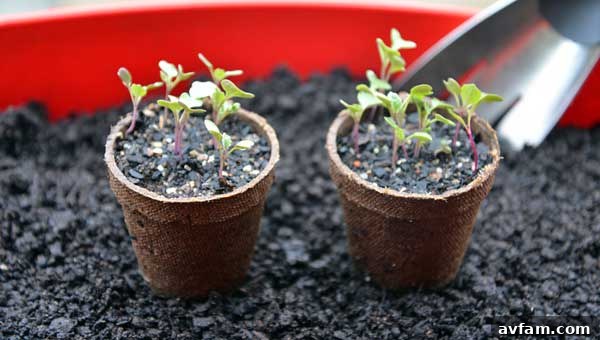
When planting seeds in the fall, a crucial tip is to sow them deeper into the earth than you would in spring or summer. This seemingly small adjustment is vital because, during autumn, the soil surface tends to be warmer and drier, while deeper layers retain more moisture and a more stable, cooler temperature. Planting deeper ensures your precious seeds receive the consistent moisture and appropriate thermal conditions necessary for successful germination and robust early growth. This technique mitigates the risk of dehydration and temperature stress, giving your autumn crops a stronger start.
Furthermore, vigilant monitoring of your local weather forecast is absolutely non-negotiable. While predicting Mother Nature’s exact whims is impossible, staying informed about impending cold fronts and potential early freezes allows you to be prepared. Should an unexpected dip in temperature threaten your young plants, having covers like row covers, blankets, or even simple overturned buckets ready can provide critical protection, safeguarding your investment and hard work.
Preparing the Perfect Site for Your Autumn Harvest
Before any new seeds or transplants find their home, meticulous site preparation lays the foundation for a thriving fall garden. The first order of business involves addressing the remnants of your summer garden. In most scenarios, this decision is straightforward: cool-season crops have long since been harvested, and warm-season vegetables, having given their all, are likely beginning to look spent and ragged. It’s essential to diligently remove all previous crop residue, including spent stalks, leaves, and any lingering weeds. This step not only cleans up the bed but also helps prevent the carryover of pests and diseases from one season to the next.
Once cleared, the soil needs revitalization. Prepare the bed by tilling or spading the earth to a depth of at least 6 to 8 inches. This process aerates the soil, improves drainage, and creates a loose, welcoming environment for new roots. If your spring crops were heavily fertilized, your soil might still retain sufficient nutrients, potentially negating the need for an initial pre-plant fertilization. However, if the soil feels depleted or if you’re uncertain, a general application of 1 to 2 lbs of a balanced complete fertilizer, such as 10-10-10, per 100 square feet of bed space is often beneficial. Thoroughly incorporate this fertilizer into the top few inches of soil to ensure even distribution and immediate availability for your developing plants. Consider also adding compost or other organic matter to enrich soil structure and fertility over time.
Mastering the Art of Planting Your Fall Garden
When it comes to planting your fall garden, you have a couple of primary options: direct seeding or using transplants. Direct seeding, which involves planting seeds directly into the garden bed, is a common and often preferred method for crops like broccoli, cabbage, collards, and various root vegetables. However, the success of direct seeding in autumn hinges critically on having an adequate and consistent moisture supply to keep young seedlings actively growing after germination. Autumn soils can sometimes be drier than spring soils, making irrigation a key factor. If you lack a reliable irrigation source, or if your climate tends to be particularly dry in early fall, a wise alternative is to purchase robust vegetable transplants from a reputable local garden center. Transplants offer a head start, bypassing the vulnerable germination phase and increasing your chances of success.
As previously mentioned, seeds should be planted deeper in the fall. The rationale is clear: the soil’s surface typically retains less moisture and is warmer than the deeper layers, especially during hot, dry spells that can extend into early autumn. To ensure seeds access the consistent moisture and cooler temperatures vital for germination, planting depth may need to be 1.5 to 2 times deeper than for the same crop planted in spring. For instance, if a seed is typically planted at half an inch in spring, consider planting it at one to one and a half inches in the fall.
A common challenge in many regions, particularly after a hot and dry summer, is the formation of a hard crust over the soil surface. This crust can significantly impede seed germination, especially in heavy clay soils, preventing tender sprouts from pushing through. Moreover, seeds of sensitive crops like lettuce and spinach will fail to germinate if the soil temperature exceeds 85°F. To combat these issues, several techniques can be employed. Covering the newly seeded area with materials such as burlap cloth, old newspapers, or wooden boards helps to keep the soil consistently cool and moist. Alternatively, shading the soil with shade cloth or applying a very light layer of mulch (like vermiculite or fine compost) over the seed row can create more favorable temperature and moisture conditions for germination. Crucially, these shading materials must be removed promptly as soon as the first signs of germination appear, to allow seedlings access to essential sunlight.
Another effective technique for challenging conditions is to open a furrow, sow your seeds, and then cover them with potting soil or vermiculite instead of the native garden soil. Potting soil is lighter, drains well, and is less prone to crusting, providing an ideal environment for tiny seedlings to emerge. Similarly, young transplants can greatly benefit from light shading for the first few days after planting. This temporary protection helps them acclimate to their new environment and reduces transplant shock, allowing their root systems to establish more effectively.
Optimal Watering and Fertilization for Fall Crops
Maintaining proper hydration and nutrient levels is paramount for a successful fall garden. Most vegetables require approximately 1 inch of water per week, whether from rainfall or irrigation. It’s generally best to provide a single, deep watering session that thoroughly saturates the soil, rather than frequent, shallow applications. Deep watering encourages roots to grow further down, making the plants more resilient and better able to access nutrients and moisture in deeper soil layers. However, young seedlings and recently germinated seeds are an exception; they often require more frequent, lighter waterings to keep their shallow root systems adequately moist. Crucially, never allow young seedlings to dry out excessively, as this can stunt their growth or even lead to their demise. New transplants also benefit from frequent, light waterings during their initial establishment phase, helping them develop a strong new root system.
Many fall-maturing vegetables, especially leafy greens, greatly benefit from a “sidedressing” of nitrogen. This involves applying a nitrogen-rich fertilizer along the side of the plant rows as the plants grow, much like spring-maturing vegetables. For most leafy varieties, an application of nitrogen three to six weeks after planting can significantly boost lush foliage growth. Nitrogen is a key component for vigorous vegetative development, contributing to the crisp, vibrant leaves that are a hallmark of healthy fall greens. Always follow fertilizer package instructions for application rates to avoid over-fertilization, which can harm plants and the environment.
Managing Pests and Diseases in Your Autumn Garden
It’s a common misconception that pests and diseases disappear with the summer heat. In reality, it’s not uncommon for insect and disease populations to be quite abundant in the fall, often a result of their buildup throughout the spring and summer seasons. However, there is plenty of hope for keeping these garden adversaries at tolerable levels by adopting a few strategic practices. The most fundamental defense is to cultivate healthy, actively growing fall vegetables. Robust, well-nourished plants are inherently more resistant and less susceptible to the onslaught of pests and diseases. Strong plants can often outgrow minor damage or fight off infections more effectively.
Regular, frequent inspection of your plants for any signs of insect activity or disease damage is vital. Early detection is key to effective management. Look for chewed leaves, discolored spots, wilting, or the presence of visible pests. When sufficient damage is detected, or pest populations begin to soar, consider using an approved pesticide. Always opt for the least toxic option first, such as organic sprays, insecticidal soaps, or neem oil, and ensure it is approved for edible crops. Read labels carefully and apply according to instructions to protect both your plants and beneficial insects.
Furthermore, you might decide to strategically avoid growing certain vegetables that are particularly prone to severe insect and disease problems during the late summer and fall. For instance, crops like squash, corn, and cucumbers are notorious for attracting a wide array of pests and diseases as the season progresses. By choosing to plant hardier, less problematic cool-season crops, you can significantly reduce your battle with garden pests and focus on a more successful and less stressful autumn harvest.
Effective Frost Protection: Extending Your Growing Season
One of the most rewarding aspects of fall gardening is the ability to extend the growing season for tender vegetables by providing timely protection against the first early frosts. In many regions, including North Carolina, gardeners often enjoy several weeks of excellent growing conditions even after the initial frost event. This means a little effort in frost protection can yield a significantly prolonged harvest of fresh produce.
For entire growing beds or rows, simple covers can make a world of difference. Burlap or lightweight floating row covers are excellent choices. These materials should be supported by stakes or wire hoops to ensure they do not directly touch the plant foliage, as direct contact can transfer cold. These covers trap residual ground heat, raising the ambient temperature around the plants by several degrees, often enough to ward off a light frost. For individual, more valuable plants, milk jugs with the bottoms cut out, paper caps (like newspaper cones), or water-holding walls (such as ‘Wall-o-Water’ protectors) can provide targeted insulation and protection, especially for larger specimens or those just beginning to produce.
Most semi-hardy and fully hardy vegetables, however, will require little to no frost protection. Semi-hardy vegetables, which can tolerate a light frost but not a hard freeze, include many varieties of cabbage, chard, and some lettuces; these should ideally be harvested before a heavy freeze is anticipated. Fully hardy vegetables, such as kale, collards, carrots, and parsnips, are incredibly resilient and can often withstand multiple hard freezes, sometimes even tasting sweeter after a touch of frost. Root crops like carrots and radishes, while hardy, should either be harvested before a hard freeze or, alternatively, heavily mulched in place. A thick layer of straw, leaves, or wood chips over their beds will insulate the soil, preventing the ground from freezing solid. This mulching technique can often extend the harvest of these root crops well into the winter months, and in particularly mild winters, you might even continue harvesting fresh roots until spring arrives. This strategy allows you to enjoy fresh, homegrown vegetables long after most gardens have succumbed to winter’s chill.
Do you engage in any planting or gardening activities during the autumn? We’re always eager to learn from fellow gardeners! Please share any additional tips, tricks, or successful strategies you’ve discovered for making fall gardening a truly rewarding experience.