
Reclaim Your Outdoor Space: Effective Strategies for a Pest-Free Summer
Summer is a time for enjoying lush green yards, vibrant gardens, and memorable outdoor gatherings. However, environmental factors like prolonged droughts can significantly alter insect behavior, driving pests such as wasps, yellow jackets, and flies closer to human habitats in search of food and water. What starts as a minor nuisance can quickly escalate, as these insects can be aggressive, pose health risks through stings, and generally detract from the pleasure of spending time outdoors.
Many homeowners are reporting a noticeable increase in flying insects around their properties. The presence of these unwelcome guests can be particularly concerning for families with young children or pets who love to play outside. Ensuring the safety and comfort of your loved ones becomes a top priority when faced with buzzing threats that can deliver painful stings or transmit germs.
Understanding the Upsurge in Outdoor Pests
Drought conditions, while challenging for vegetation, often create unexpected advantages for certain insect populations. As natural water sources and floral nectar become scarce, wasps, yellow jackets, and flies are compelled to forage more aggressively in irrigated lawns, gardens, and near human activity. They are drawn to food scraps, sweet beverages, and even the moisture found in damp soil or leaky faucets. This increased proximity to homes and outdoor living areas means a higher likelihood of encounters, making effective pest management more critical than ever.
Beyond being mere annoyances, these insects carry potential dangers. Wasp and yellow jacket stings can be incredibly painful, and for individuals with allergies, they can trigger severe, life-threatening reactions. Flies, on the other hand, are notorious carriers of bacteria and pathogens, landing on food and surfaces and potentially spreading illness. Therefore, proactive measures to control their presence are essential for maintaining a safe and hygienic outdoor environment.
Advanced Trapping Solutions: A Smart First Line of Defense
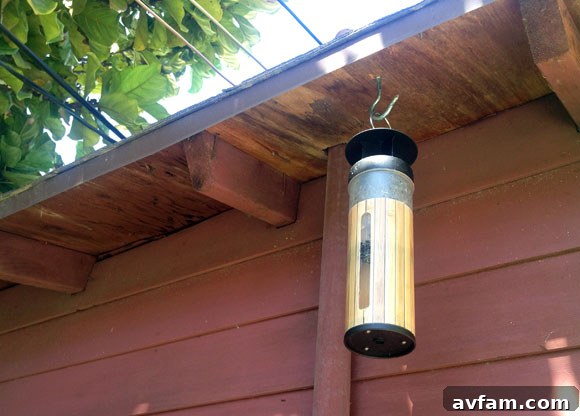
When it comes to tackling a significant insect problem, a targeted approach is often the most effective. Modern insect traps offer a non-toxic and discreet solution that can dramatically reduce pest populations around your home. Unlike older methods, such as the often ineffective and malodorous hanging bags filled with water, contemporary traps are engineered for superior performance and user convenience.
The Science Behind Effective Insect Traps
Advanced flying insect traps utilize specialized lures designed to attract specific pests like flies and wasps. These lures often mimic natural attractants such as pheromones or food sources, drawing insects into a contained trap from which they cannot escape. The beauty of these systems lies in their targeted action, effectively reducing the number of pests without the need for harmful chemical sprays that could affect children, pets, or beneficial insects.
Many users find that traps marketed specifically for wasps tend to be highly effective against a broader spectrum of flying insects, including various types of flies. This multi-pest efficacy makes them a versatile tool in your outdoor pest management arsenal. Furthermore, many designs are crafted to blend seamlessly into your backyard landscape, ensuring they perform their duty without becoming an eyesore.
Maintenance and Best Practices for Traps
While highly effective, it’s important to acknowledge that managing insect traps does involve a small commitment. The only real drawback to these highly effective solutions is the occasional necessity of emptying the collected insects and reactivating the lure. This can admittedly be a somewhat unpleasant task, given the accumulation of dead bugs and the strong scent of the attractant. However, the relief and peace of mind that come from significantly reducing the insect population around your outdoor living areas far outweigh this minor inconvenience. To minimize the “ick” factor, consider wearing gloves and emptying the trap directly into a sealed waste bag before disposing of it. Regular maintenance, typically every few weeks depending on the infestation level, ensures continuous effectiveness.
Beyond Traps: Comprehensive Outdoor Pest Management Strategies
While effective traps are a fantastic starting point, a truly pest-free outdoor experience requires a multi-faceted approach. Integrating a few simple habits and natural deterrents can significantly enhance your comfort and safety during the warmer months. Here are five essential strategies to keep bugs from ruining your outdoor enjoyment:
1. Master Waste Management: The Foundation of Pest Control
One of the primary attractants for flies, wasps, and other nuisance insects is readily available food waste. Implement a stringent waste management strategy by using trash cans with tightly fitting lids. This prevents odors from escaping and blocks insects from accessing decaying food. Furthermore, always place trash receptacles a significant distance from your main party or gathering areas. Position them downwind, if possible, to ensure any lingering scents are carried away from your guests. Regularly emptying and cleaning your bins will further deter pests, making your outdoor space less appealing for foraging insects.
2. Strategic Lighting: Illuminating Your Space, Not Your Pests
Many flying insects, particularly moths and certain types of mosquitoes, are strongly attracted to light, a phenomenon known as phototaxis. To avoid inadvertently creating a bug magnet in your social areas, keep lamps, lanterns, and other light-emitting devices away from where people congregate. Consider using yellow “bug lights” or specific LED outdoor lighting that emits wavelengths less attractive to insects. For ambient lighting closer to seating areas, opt for downward-facing fixtures or indirect light sources. If you use bug zappers, place them a good distance away from your gathering spot; they are designed to attract and eliminate insects, which is counterproductive if placed right where you’re trying to relax.
3. Impeccable Food Hygiene: A Sweet Spot for Humans, Not Bugs
Outdoor dining is a quintessential summer pleasure, but it also presents a feast for pests if not managed correctly. Always cover food when it’s not actively being served or consumed. Use cling film, serving domes, or tightly fitting lids to protect dishes from flies and wasps. As soon as your meal is finished, clear away all plates and food items promptly. Discard any leftovers or pack them away immediately. Pay special attention to cleaning up spills and crumbs from tables, chairs, and the ground. Even small remnants of food or sugary drinks can attract a swarm of ants, flies, and wasps, turning a pleasant gathering into a frustrating battle against bugs. Consider using tablecloths that can be easily shaken out or laundered to remove any hidden crumbs.
4. Harness Nature’s Repellents: The Power of Plants
Embrace the power of nature by incorporating specific herbs and plants known for their insect-repelling properties into your garden or potted arrangements. Plants like lavender, rosemary, peppermint, garlic, chives, and basil emit natural aromatic compounds that insects find unpleasant, making them less likely to linger in the vicinity. Strategically place these plants in small gardens or pots around your outdoor dining area, patio, or entryways. Beyond their practical benefits as natural insect deterrents, many of these herbs also offer culinary uses and add aesthetic appeal and delightful fragrances to your outdoor space. Other effective choices include citronella grass, marigolds, and catnip, all known for their potent repelling qualities.
5. Citrus Auras: A Fresh Scent for You, a Warning for Bugs
The refreshing aroma of citrus fruits, so appealing to humans, is often a strong deterrent for various insects. Filling decorative bowls with fresh orange and lemon peels can be an effective, natural, and pleasant-smelling way to repel flies, mosquitoes, and other flying pests. The essential oils present in the peels are what insects find offensive. For enhanced effect, you can also rub the peels directly onto outdoor surfaces or even your skin (exercise caution with sensitive skin). Beyond just peels, consider using essential oil diffusers with lemon, eucalyptus, or citronella oils in sheltered outdoor areas. This provides a constant, gentle diffusion of repellent scents, creating an invisible barrier against unwanted invaders without resorting to harsh chemicals.
Embrace Your Outdoor Oasis
By combining effective trapping solutions with these practical and natural pest management strategies, you can significantly reduce the presence of annoying and potentially dangerous insects. Reclaiming your backyard means creating a safer, more enjoyable environment for your family and guests. With a little planning and consistent effort, you can ensure that your summer days and evenings are filled with cherished memories, not bothersome bugs.