
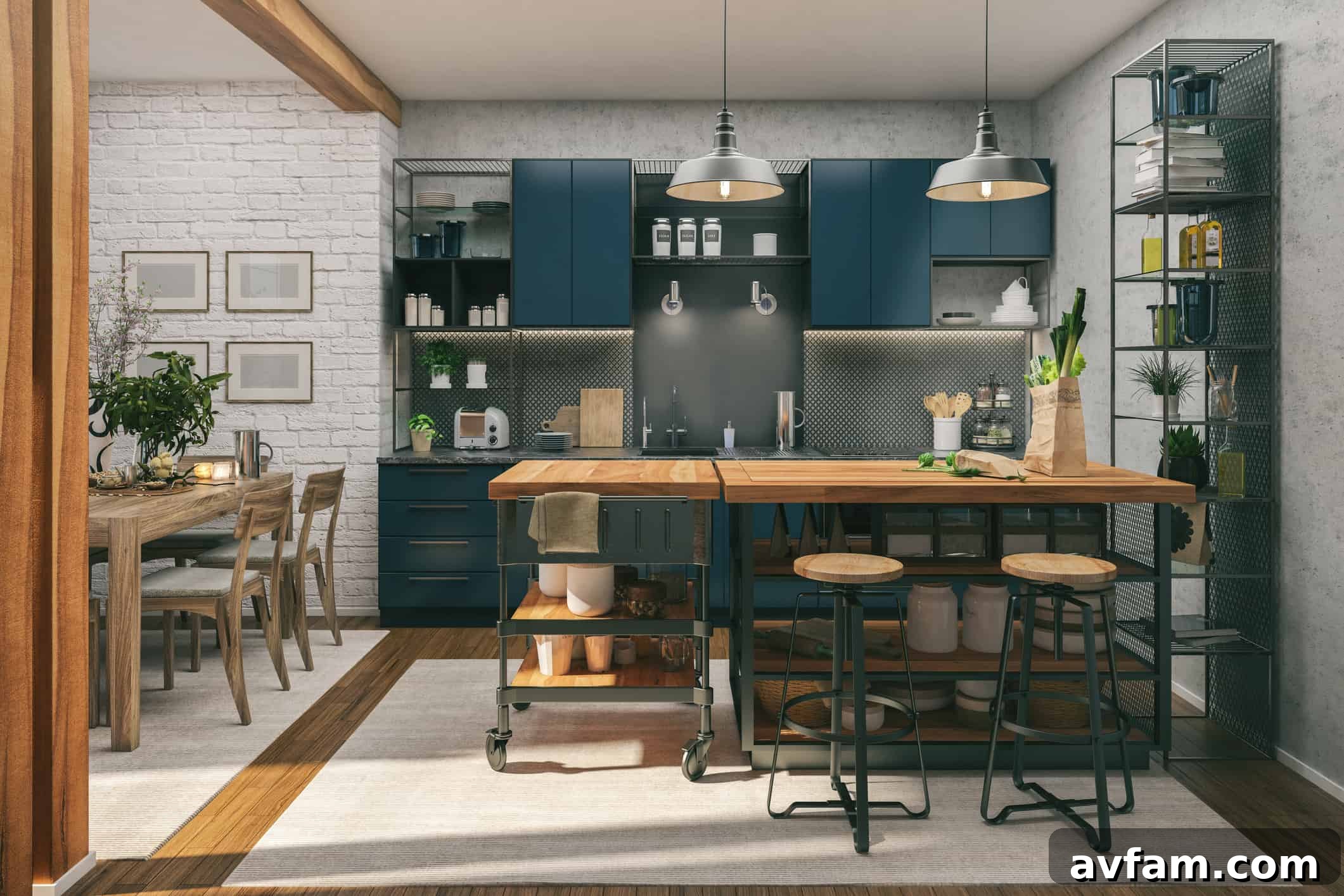
As we navigate the evolving landscape of interior aesthetics, kitchen and bath design trends for 2023 stand out as a testament to homeowners’ increasing desire for spaces that are not only supremely functional but also deeply rooted in aesthetic pleasure. The overarching theme that binds these trends is the embrace of an organic and natural, often referred to as biophilic look, seeking to connect inhabitants with the natural world within their homes. Insights gleaned from industry showcases, most notably the prestigious KBIS tradeshow, have illuminated the key design directions that are poised to redefine our most intimate living spaces in the coming year and beyond.
Revolutionizing Kitchen Design: Blending Functionality with Natural Beauty
The modern kitchen is far more than just a place to prepare meals; it’s the heart of the home, a hub for family gatherings, entertaining, and even remote work. Kitchen design trends for 2023 reflect this multifaceted role, with designers expertly combining a myriad of elements to craft unique, highly personalized spaces for their clients. A significant shift is evident in material choices, prioritizing durability, ease of maintenance, and natural aesthetics.
Sophisticated Countertop Selections: Quartz and Sintered Stone
When it comes to countertops, the preference for robust yet elegant surfaces is clear. Statistics indicate that a staggering 81% of designers are choosing quartz for kitchen countertops. Quartz continues its reign due to its exceptional durability, non-porous nature, resistance to scratches and stains, and the vast array of colors and patterns available, mimicking natural stone without the maintenance demands. Beyond its practical advantages, quartz contributes to a sleek, contemporary aesthetic that aligns perfectly with the desire for clean and uncluttered spaces.
Gaining substantial traction, particularly among the remaining 19% of designers, is sintered stone, exemplified by brands like Dekton or Lapitec. This engineered material is quickly becoming a favorite for its unparalleled resilience. Manufactured from a sophisticated blend of natural minerals subjected to extreme heat and pressure, sintered stone boasts superior resistance to UV rays, heat, scratches, and abrasions, making it ideal for both indoor and outdoor applications. Its large format slabs also allow for seamless designs, contributing to the streamlined, minimalist looks currently in vogue. As homeowners increasingly seek materials that offer both enduring beauty and practical performance, quartz and sintered stone are set to dominate the luxury kitchen market.
Backsplashes: The Art of Seamless Integration
The pursuit of clean, uninterrupted surfaces extends seamlessly to backsplashes. Homeowners are increasingly opting for statement slabs or long, continuous subway tiles that minimize grout lines and create a visually expansive effect. Slab backsplashes, often crafted from the same material as the countertop, offer a luxurious, monolithic appearance, elevating the kitchen’s aesthetic appeal while providing an easy-to-clean surface. This trend eliminates the visual clutter of smaller tiles and complex patterns, reinforcing the desire for a serene and uncluttered environment. Alternatively, elongated subway tiles, laid in innovative patterns such as vertical stacks or herringbones, introduce subtle texture and visual interest without overwhelming the space, all while maintaining a sleek and contemporary feel.
The Enduring Appeal of Wood: Warmth and Texture
Echoing the trend towards a natural, organic look, wood continues to assert its timeless appeal in kitchen design. Its inherent warmth, varied grain patterns, and tactile quality make it an indispensable material for creating inviting and grounding spaces. We’re seeing wood integrated in myriad ways: from rich, wood grain cabinets that add character and depth, to natural wood flooring that brings an earthy foundation, and even unexpected applications like wood ceilings that introduce architectural interest and a cozy, cocoon-like ambiance. Different wood species and finishes—from light, Scandinavian-inspired woods to darker, more rustic tones—allow for endless customization, ensuring wood remains a versatile choice for any kitchen aesthetic, bridging the gap between traditional charm and modern sophistication.
Foundational Flooring Choices: Hardwood, Engineered Wood, and LVP
For kitchen flooring, durability and aesthetics go hand-in-hand. Hardwood and engineered wood remain top choices, lauded for their classic beauty, warmth, and ability to elevate a space. Engineered wood, in particular, offers greater stability in fluctuating humidity levels, making it a practical choice for kitchens. However, luxury vinyl plank (LVP) flooring has rapidly emerged as a formidable contender. Its remarkable resilience, waterproof properties, and realistic wood or stone visuals make it an ideal solution for high-traffic areas prone to spills. LVP offers the sophisticated look of natural materials with superior performance and ease of maintenance, catering to the active lifestyles of modern families.
Color Palette for 2023: Embracing Green and Blue Hues
Looking ahead, green and blue are anticipated to be the most popular colors in kitchens over the next two to three years. These colors, inherently linked to nature, perfectly align with the biophilic design movement. Deep forest greens evoke a sense of tranquility and connection to lush landscapes, while serene blues bring a calming, watery element into the home. These hues can be incorporated through cabinetry, accent walls, backsplashes, or even through smaller details like bar stools or decorative accessories. Their versatility allows them to be paired with natural wood tones, crisp whites, or elegant metallics, creating kitchens that feel both vibrant and profoundly peaceful.
Elevating Bathroom Design: From Sanctuary to Spa
The bathroom, once purely utilitarian, is being transformed into a personal sanctuary—a place for relaxation, rejuvenation, and self-care. Bathroom design trends for 2023 emphasize creating spa-like atmospheres that are easy to maintain and aesthetically pleasing.
Effortless Elegance: Easy-Care Countertops
In bathrooms, the demand for easy-care countertops continues, with quartz and quartzite maintaining their popularity. Quartz, as in kitchens, offers a non-porous, stain-resistant surface that is simple to clean and requires no sealing. Quartzite, a natural stone, provides the luxurious look of marble but with significantly greater durability and resistance to etching, making it a practical yet opulent choice for bathroom vanities. These materials contribute to the overall desire for a pristine, low-maintenance environment that supports a tranquil retreat.
The Rise of Wood in Bathroom Vanities
The integration of wood in bathroom design is experiencing a significant surge, particularly for vanities. Once considered too vulnerable to moisture, advancements in wood treatments and sealants have made it a viable and desirable option. Wood vanities introduce warmth, texture, and a natural element that softens the often hard surfaces of a bathroom. From sleek, minimalist floating vanities in light oak to more traditional styles in rich walnut, wood adds an organic touch, aligning perfectly with the biophilic and natural aesthetic. Designers are carefully selecting moisture-resistant woods and finishes to ensure longevity and beauty in this humid environment.
Resilient and Refined Flooring: Ceramic and Porcelain Tiles
For bathroom flooring, easy-to-clean and water-resistant materials are paramount. Ceramic and porcelain tiles remain the top choices for primary bathrooms due to their exceptional durability, vast design versatility, and impermeability. Large-format tiles minimize grout lines, contributing to a seamless, expansive look and simplifying cleaning. Innovations in tile manufacturing allow for realistic imitations of natural stone, wood, and concrete, offering endless possibilities for creating luxurious and practical bathroom floors. Hexagonal, penny, or geometric tiles can also add a touch of personality and intricate detail to the space, particularly in smaller areas like shower floors or accent zones.
Crafting Spa-Like Atmospheres
The concept of the “spa-like bathroom” is more prominent than ever. Designers are meticulously crafting environments that promote relaxation and well-being, primarily through the use of warm, soothing color palettes. Soft neutrals, muted greens, tranquil blues, and earthy tones create a serene backdrop. Beyond color, the spa experience is enhanced through thoughtful details: freestanding tubs become sculptural focal points, rainfall showerheads offer an immersive experience, and strategically placed lighting (including dimmers and natural light maximization) contributes to a calming ambiance. Integrating elements like natural stone, smooth pebbles, and even indoor plants further reinforces the connection to nature and enhances the restorative qualities of the space.
Glamorous Accents and Statement Walls
While tranquility is key, 2023 bathroom trends also embrace opportunities for sophisticated glamour. Metallic fixtures, in finishes like brushed brass, matte black, or polished nickel, serve as elegant jewelry for the bathroom, adding a touch of luxury and personality. Bold wallpaper, featuring intricate patterns, rich textures, or even subtle metallics, can transform a powder room or a specific zone within a larger bathroom into a captivating design moment. Furthermore, statement walls—whether clad in unique tiles, natural stone, or even wood paneling—are being utilized to enhance the look of a small bathroom, drawing the eye and creating a focal point that imbues the space with character and depth.
Embracing the Future: Evolving Kitchen and Bath Spaces
Looking ahead, several overarching trends are set to shape kitchen and bath design for years to come, emphasizing a holistic approach to living.
The Enduring Reign of Organic and Natural Aesthetics
The organic and natural look is not a fleeting trend but a foundational shift expected to continue dominating the kitchen and bath space. This means a sustained preference for natural materials such as wood, stone, and bamboo, alongside color palettes inspired by landscapes and seascapes. The integration of plants, natural light, and textures that evoke the outdoors will become even more prevalent, fostering environments that promote well-being and a sense of calm amidst our busy lives. This trend underscores a deeper connection to nature and a desire for authenticity in our most personal spaces.
The Integration of Functional Technology
Functional technology is becoming increasingly ubiquitous and seamlessly integrated into kitchen and bath design. In the kitchen, this translates to smart appliances that can be controlled remotely, motion-activated or touchless faucets, integrated charging stations, and intelligent lighting systems. In the bathroom, expect to see smart toilets with advanced bidet functions and heated seats, digital showers that allow precise temperature control and personalized settings, anti-fog mirrors with integrated lighting, and even subtle sound systems. The goal is to enhance convenience, efficiency, and comfort without compromising aesthetic appeal, making daily routines smoother and more luxurious.
Expanding Kitchens: Bigger and More Complex
Kitchens are expected to grow not just in size, but also in complexity and functionality. The emphasis will be on creating multifaceted zones for different activities: a dedicated prep area, a state-of-the-art cooking zone, a comfortable dining or entertaining island, and perhaps even a small desk area. More storage and pantry space will be crucial, moving beyond simple cabinets to include walk-in pantries, butler’s pantries, and highly organized drawer systems. This expansion reflects the kitchen’s role as a central living space, accommodating a wider range of activities and ensuring every item has its designated, easily accessible place.
Luxurious Bathrooms: Designed for Two (or More)
Bathrooms are also expanding to accommodate more lavish features and shared experiences. The trend towards “two-person or more showers” means larger walk-in showers with multiple showerheads, body jets, and even built-in benches, offering a spa-like experience for couples. Dressing rooms are increasingly being integrated into the primary bathroom suite, blurring the lines between the two spaces and creating a cohesive, opulent changing area. This expansion transforms the bathroom into a private retreat, offering ample space for relaxation and personal grooming, designed for comfort and shared luxury.
Health and Wellness at the Forefront of Bath Design
The focus on health and wellness will continue to drive bath design, influencing every aspect from material selection to fixture choices. This includes features like chromotherapy lighting in showers and tubs, aromatherapy diffusers, steam shower capabilities, and even built-in sound therapy. Materials that are easy to sanitize and promote a clean environment will be favored. Additionally, accessible design principles, such as curbless showers and comfort-height toilets, are becoming standard, ensuring that bathrooms are not only beautiful but also safe and comfortable for all users throughout their lives.
The Enduring Appeal of Simplicity: Clean Lines and Uncluttered Spaces
Finally, simplicity and clean lines will remain perennially popular, with fussy details and ornate embellishments being phased out. Modern design favors minimalism, characterized by handle-less cabinetry, integrated appliances that blend seamlessly into the decor, and smooth, uncluttered surfaces. This design philosophy creates a sense of calm and order, allowing the natural beauty of materials and the quality of craftsmanship to take center stage. The removal of unnecessary visual noise contributes to a timeless aesthetic that is both sophisticated and profoundly peaceful, reflecting a desire for tranquility and effortless living.
Kitchen and bath design trends for 2023 are therefore heavily influenced by the desire for functional yet aesthetically pleasing spaces that embody the organic and natural look. From the considered use of sustainable materials like wood and high-performance engineered stones to the creation of immersive spa-like atmospheres in bathrooms, designers are skillfully combining multiple elements. These efforts culminate in unique, personalized styles that not only reflect the latest design sensibilities but also cater to a deeper yearning for well-being, efficiency, and a harmonious connection with nature within the confines of our homes.