
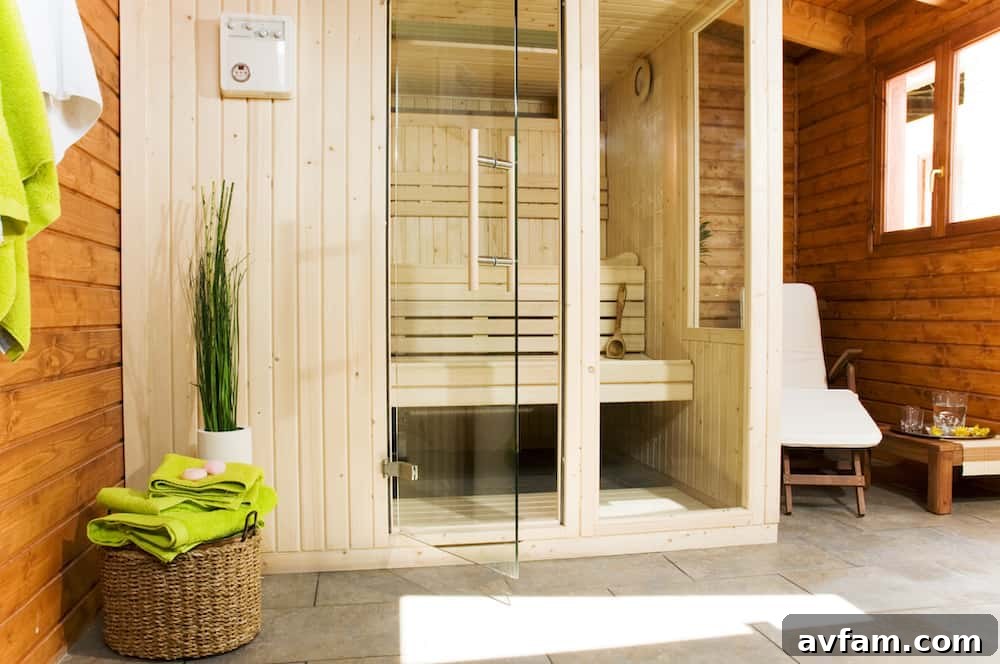
A wood sauna represents a significant investment in your home, offering a sanctuary for relaxation, health benefits, and personal well-being. Its rustic charm and therapeutic warmth make it a coveted feature, but like any valuable asset, it demands diligent care and attention to maintain its beauty, functionality, and most importantly, its longevity. Neglecting routine maintenance can lead to a host of problems, from cosmetic blemishes like discoloration and warping to more severe issues such as structural damage, mold growth, and premature wear of components. Such problems often necessitate costly repairs or, in the worst-case scenario, the complete replacement of your beloved sauna.
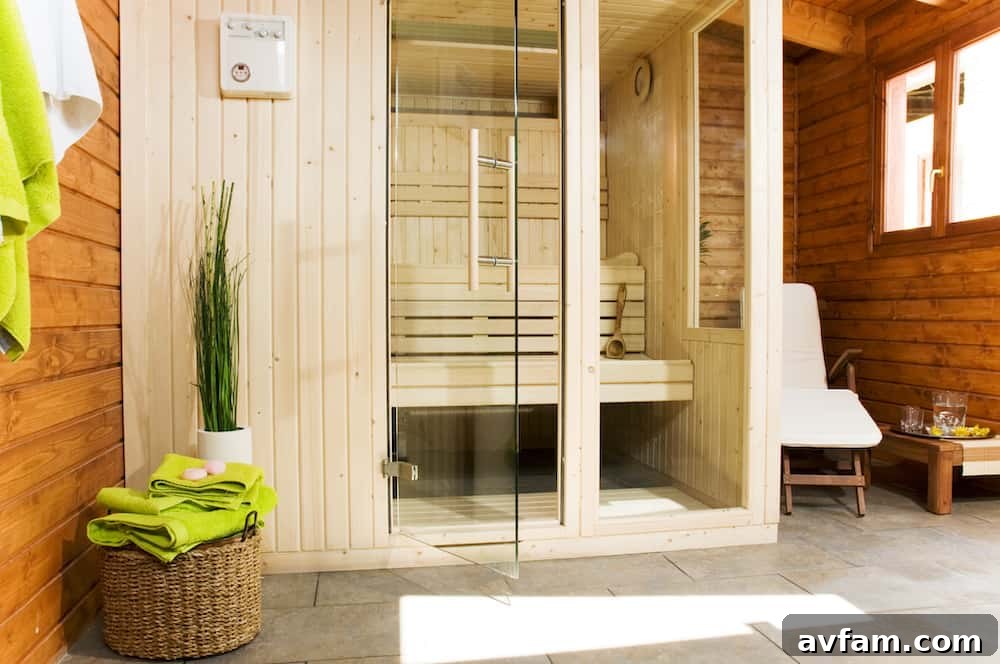
Whether you’ve just installed a brand-new sauna in your home or have inherited one from a previous owner, understanding proper maintenance techniques is paramount. For new installations, the manufacturer’s care instructions are your primary guide and should be meticulously followed. However, for all wood sauna owners, this comprehensive guide provides essential tips and proven techniques designed to maximize the life of your wood sauna, ensuring it continues to deliver years of enjoyment and therapeutic benefits.
The Foundation of Longevity: Regular Cleaning and Hygiene
Regular cleaning is the cornerstone of effective wood sauna maintenance. It not only keeps your sauna looking pristine but also plays a critical role in preventing the buildup of bacteria, sweat, skin oils, and other residues that can degrade the wood over time. A clean sauna is a hygienic sauna, ensuring a pleasant and healthy environment for every session.
To keep your sauna in top condition, establish a consistent cleaning routine. After each use, it’s advisable to gently wipe down the benches and walls with a clean towel to absorb any excess moisture and sweat. For a deeper clean, which should be performed regularly (e.g., weekly or bi-weekly depending on usage), use a soft-bristled nylon brush or a microfiber cloth. Focus on areas prone to accumulation, such as the seating benches, backrests, and wall panels. Don’t forget the floor, where dirt, dust, and debris can easily accumulate in corners, joints, and between boards. A thorough cleaning regimen will significantly extend the life of your wood surfaces and maintain a welcoming atmosphere.
Gentle Care: Avoiding Harsh Chemicals
The natural beauty and integrity of your sauna’s wood are delicate, making the choice of cleaning agents critically important. Harsh chemicals such as bleach, ammonia-based cleaners, abrasive scrubs, or strong detergents can be incredibly damaging. These substances can strip the wood of its natural oils, leading to discoloration, dryness, and cracking. They can also leave behind residues that, when heated, may release unpleasant or even harmful fumes, compromising the sauna experience and your health.
Instead, opt for mild, wood-friendly cleaning solutions. A diluted solution of mild, unscented soap (like a gentle dish soap or castile soap) mixed with warm water is often sufficient. Alternatively, you can find specialized sauna cleaners specifically formulated for wood surfaces. These products are designed to clean effectively without damaging the wood or leaving behind harmful residues. Always apply cleaners sparingly with a soft cloth or brush, and wipe down thoroughly with clean water afterward to remove any soap residue. For tougher spots or stains, a mixture of white vinegar and water (1:1 ratio) can be an effective and natural disinfectant, but always test on an inconspicuous area first.
Battling the Elements Within: Keeping Your Sauna Dry
Moisture is arguably the greatest adversary of any wood structure, and your sauna is no exception. Prolonged exposure to excess moisture creates an ideal breeding ground for mold, mildew, and bacteria, which can cause unsightly stains, unpleasant odors, and, more critically, lead to wood rot and structural deterioration. Preventing moisture buildup is crucial for the longevity and hygiene of your wood sauna.
Effective ventilation is key. After each sauna session, always leave the sauna door ajar or fully open for several hours, or even overnight, to allow for proper air circulation and drying. This helps dissipate residual heat and moisture. Many saunas also feature adjustable vents; ensure these are open after use to facilitate airflow. Additionally, wiping down the benches and walls with a clean, dry towel immediately after use can significantly reduce excess moisture, preventing it from soaking into the wood fibers. If you notice any signs of water damage, such as persistent dampness, discoloration, or a musty smell, it’s important to address the issue promptly. Small problems can quickly escalate, so consider consulting a professional for repairs if the damage is beyond a simple wipe-down.
Precision Environment: Maintaining Proper Temperature and Humidity
Beyond cleanliness and dryness, maintaining the correct temperature and humidity levels inside your sauna is vital for both the performance of the sauna and the long-term health of its wooden components. Extreme fluctuations or consistently incorrect levels can stress the wood, leading to warping, cracking, or accelerated degradation.
For most traditional wood saunas, an ideal temperature range falls between 150-195°F (65-90°C). This range provides the optimal therapeutic experience while being safe for the wood. The humidity level, crucial for preventing the wood from drying out too much or becoming overly saturated, should typically be maintained between 10-30%. Monitoring these levels is straightforward with a sauna-specific thermometer and hygrometer. These instruments allow you to accurately gauge the internal climate and make necessary adjustments. If humidity is too low, you might add a small amount of water to the hot stones in a traditional sauna (following manufacturer guidelines). Conversely, excessive humidity indicates poor ventilation or too much water being applied. Consistent monitoring and adjustment ensure your sauna operates efficiently and remains structurally sound.
Protective Layers: Sealing and Staining the Wood
Protecting the wood surfaces of your sauna from environmental factors and daily wear is essential. Sealing and staining are two methods that can significantly extend the life and enhance the appearance of your wood sauna, though careful consideration must be given to which parts of the sauna are treated.
It’s generally recommended to leave the interior benches and backrests of a sauna untreated. This allows the wood to breathe naturally and prevents any chemicals from leaching into your skin or releasing fumes when heated. However, for the exterior walls, floor, and sometimes the interior wall panels (away from direct skin contact), sealing and staining can be highly beneficial. A quality sealant acts as a protective barrier against moisture, stains, and UV radiation (especially for outdoor saunas), preventing the wood from absorbing sweat, oils, and environmental pollutants. Stains, on the other hand, can deepen the wood’s color, enhance its grain, and offer an additional layer of protection. When choosing a sealant or stain, always select products specifically designed for saunas or high-heat environments. These products are typically non-toxic, heat-resistant, and allow the wood to respire. Follow the manufacturer’s instructions meticulously for application and reapplication frequency, which often depends on usage and the product type. Regular reapplication, perhaps every few years, will keep your sauna looking its best and protect its structural integrity.
Vigilance Pays Off: Regular Inspection for Damage
A proactive approach to maintenance includes regular and thorough inspections of your sauna. Early detection of potential issues can prevent them from escalating into major, costly repairs or posing safety hazards. Make it a habit to visually inspect your sauna frequently, perhaps monthly, or more often with heavy use.
What should you look for?
- Wood Surfaces: Check for any signs of cracking, splintering, warping, or discoloration. Pay close attention to corners and joints, which can be prone to movement. Soft spots might indicate early stages of rot or pest infestation.
- Loose Fittings: Ensure all benches, backrests, and heater guards are securely fastened. Tighten any loose screws or bolts to prevent accidents and ensure stability. Check door hinges and handles for wear or looseness.
- Electrical Components: This is a critical safety aspect. Carefully inspect the sauna heater elements for any signs of damage, corrosion, or unusual wear. Examine wiring for fraying or exposure. Test the functionality of control panels and lighting fixtures. Any flickering lights, strange odors (like burning plastic), or unusual sounds from the heater should be addressed immediately by a qualified electrician or sauna technician.
- Ventilation System: Ensure intake and exhaust vents are clear of obstructions and functioning properly to maintain adequate airflow.
- Structural Integrity (especially for outdoor saunas): Check the foundation, roof, and exterior walls for any signs of water intrusion, shifting, or damage from pests or weather.
Addressing any detected issues promptly is paramount. A small crack can widen, a loose bench can become a safety hazard, and a minor electrical problem can lead to serious risks. Knowing when to call a professional for repairs is also important; for complex issues, especially electrical, always seek expert assistance.
Maximizing Your Sauna Experience and Investment
By diligently following these simple yet crucial maintenance tips and techniques, you can ensure that your wood sauna remains a source of enjoyment, relaxation, and wellness for many years to come. Investing time in routine care protects not only the physical structure of your sauna but also the health benefits and serene atmosphere it provides. Remember, consistent and thoughtful maintenance is not merely a task; it’s an investment in the longevity, safety, and continued pleasure your wood sauna offers. Make sauna care a part of your wellness routine, and your sanctuary will reward you tenfold.