
Ultimate Winter Pet Safety Guide: Keeping Your Furry Friends Warm, Happy, and Healthy
As winter’s icy grip tightens, many of us are well-versed in preparing our homes and families for the relentless onslaught of blizzards, freezing rain, and bone-chilling temperatures. We’ve mastered the art of layering, weatherproofing, and emergency preparedness. However, amidst our own comfort and safety concerns, there’s a vital aspect of family security that often gets overlooked: the well-being of our beloved pets during the harshest months of the year.
For dedicated pet parents, ensuring the safety and comfort of our four-legged companions is a year-round priority. But winter presents a unique set of challenges that can transform familiar routines into potential hazards. From the risk of hypothermia and frostbite to hidden dangers lurking under snow and ice, the cold season demands extra vigilance and specific preventative measures. This comprehensive guide is designed to equip you with essential tips and insights, guaranteeing that Fido and Fluffy remain as warm, secure, and joyful as you are until spring finally arrives.
The Golden Rule: Keep Your Pets Indoors When Temperatures Drop
The most crucial and fundamental rule for pet safety in winter is simple: if it’s too cold for you, it’s too cold for your pet. Dogs and cats are susceptible to the same cold-related health issues as humans, including hypothermia and frostbite, but their outdoor exposure can quickly escalate into a life-threatening situation. Being left outside in freezing temperatures can lead to rapid onset of these conditions, not to mention the increased risk of becoming lost, injured, or worse.
Understanding the Dangers of Cold Exposure:
- Hypothermia: This occurs when a pet’s body temperature drops dangerously low. Signs include shivering, lethargy, weakness, shallow breathing, and a stiff gait. Severe hypothermia can lead to organ failure and death.
- Frostbite: Exposed skin, especially ears, tail, and paws, can freeze. Affected areas may appear pale or bluish, become cold to the touch, and later swell or blister. Frostbite is incredibly painful and can result in permanent tissue damage or loss.
- Increased Vulnerability: Puppies, senior pets, those with short coats, thin body fat, or pre-existing medical conditions (like heart disease or diabetes) are particularly vulnerable to cold stress. They have a harder time regulating their body temperature and should have minimal, supervised outdoor time.
For these reasons, our strongest recommendation is to bring all pets indoors, especially overnight and during periods of extreme cold, snow, or ice storms. Their rightful place is inside, nestled safely with their human family.
When Outdoor Living is Unavoidable: Providing Essential Shelter and Care
While we advocate for indoor living for pets whenever possible, we understand that some animals, especially working dogs or community cats, may spend significant time outdoors. For these animals, providing adequate protection is not just a recommendation; it’s an absolute necessity for their survival and well-being. An outdoor pet must have access to a warm, dry, and insulated shelter that offers robust protection against snow, ice, rain, and wind.
Key Components of a Safe Outdoor Shelter:
- Insulation: The shelter should be properly insulated to retain warmth. Materials like straw (not hay, which can get moldy) make excellent bedding that pets can burrow into. Change bedding regularly to keep it dry and clean.
- Elevation: Elevate the shelter off the cold ground to prevent heat loss and keep the interior dry. Wooden pallets or bricks can serve this purpose.
- Appropriate Size: The shelter should be large enough for the pet to stand and turn around comfortably, but small enough to retain body heat efficiently. A space that is too large will be difficult to warm.
- Wind Protection: The entrance should be covered with a heavy, waterproof flap to keep wind and precipitation out. Position the entrance away from prevailing winds.
Beyond adequate shelter, access to fresh, unfrozen water is paramount. Dehydration can be just as dangerous as starvation, and in cold weather, water sources can freeze over rapidly. Consider investing in a heated pet bowl to ensure a continuous supply of drinkable water. Check water bowls multiple times a day, even heated ones, to confirm they are functioning and clear of ice. While animals can survive weeks without food, severe dehydration can lead to critical health issues in mere hours, making consistent access to water absolutely vital.
Additionally, outdoor pets may require slightly more food during colder months to help them maintain body temperature. However, ensure they are not overfed, as obesity can lead to other health problems. Consult with your veterinarian for specific dietary recommendations based on your pet’s breed, size, and activity level.
Navigating the Great Outdoors Safely: Tips for Winter Walks and Yard Time
Even indoor pets need their daily walks and outdoor potty breaks. However, winter walks come with their own set of unique challenges and dangers. Being prepared and aware of your surroundings can prevent accidents and ensure these essential outings remain safe and enjoyable for both of you.
Leash Up for Winter Walks: Preventing Panic and Loss
Winter conditions can be disorienting and frightening for pets. The unfamiliar crunch of snow underfoot, the sudden slide on ice, or the blinding glare of a winter sun can startle even the most well-behaved dog or cat, causing them to panic and bolt. This is why keeping your pet on a leash during any outdoor excursion in winter is non-negotiable. If a pet gets loose, the snow and ice can obscure familiar scents, making it incredibly difficult for them to find their way home. The cold also amplifies the dangers of being lost, as exposure sets in much more quickly. Tragically, more dogs are lost during the winter months than any other season, and it is undoubtedly the most perilous time to be adrift and alone.
Always double-check that your pet’s collar is secure and their leash is properly attached. Consider using a harness for dogs that tend to pull or slip out of collars. For added safety, especially during dusk or dawn walks, equip your pet with reflective collars, leashes, or even light-up accessories to ensure they are visible to drivers and others, particularly if visibility is reduced by snow or fog.
Watch for Ice and Hidden Hazards: Protecting Paws and Preventing Injuries
Beyond the simple risk of slipping and falling, which can cause severe injuries like sprains, fractures, or even concussions, ice and snow present other insidious dangers. Sharp shards of ice can cut paw pads, while deep snow can conceal hidden obstacles such as sharp objects, open drains, or even thin ice over frozen water. Always keep a vigilant eye on your pet, guiding them away from obvious hazards.
Paw Protection is Paramount:
- Chemicals and Salt: Sidewalks and roads are often treated with rock salt, deicers, and antifreeze. These substances are highly irritating to paw pads and can be toxic if ingested. When pets lick their paws or fur after a walk, they can inadvertently consume these dangerous chemicals.
- Ice Build-up: Ice and snow can accumulate between your pet’s toes, forming painful ice balls that can cause chafing, bleeding, and infection. This is particularly common in long-haired breeds.
- Prevention: Consider using paw balm or wax (such as Musher’s Secret) to create a protective barrier on your pet’s paw pads before going out. Pet booties are another excellent option, offering superior protection against chemicals, ice, and sharp objects. Ensure booties fit well and your pet is comfortable wearing them.
Upon returning indoors after any outdoor excursion, make it a habit to thoroughly clean your pet’s paws. Use a warm, damp cloth to wipe down their paw pads and meticulously check between their toes. This simple ritual removes potentially harmful chemicals and prevents ice from becoming impacted, safeguarding against irritation and infection.
The Silent Killer: Antifreeze Awareness
One of the most dangerous winter toxins for pets is antifreeze. Its sweet taste unfortunately makes it attractive to curious animals, but even a small amount can be lethal. Antifreeze can leak from vehicles in driveways or streets. Be hyper-vigilant during walks and immediately clean up any spills you encounter on your property. If you suspect your pet has ingested antifreeze, seek emergency veterinary care immediately – time is of the essence in these cases.
Beyond the Walk: Everyday Winter Safety Measures
Tap Your Hood: A Lifesaving Knock for Feline Friends
If you live in an area with stray or feral cats, or even if neighborhood cats roam freely, it’s common for them to seek warmth in the most unexpected places. The engine compartment of parked vehicles, still warm from a recent drive, offers a deceptively cozy shelter from the cold. Before starting your car, especially if it’s been sitting for a while on a cold day, please make it a habit to bang loudly on the hood a couple of times. This simple act can save a cat’s life by giving them a chance to escape before the engine starts and potentially causes horrific injury or death. This tragic event has unfortunately happened to many families, leaving behind deep trauma, and it is entirely preventable.
Never Leave Pets Unattended in Cold Vehicles
Just as a car can become a deathtrap in the summer heat, it can quickly turn into a freezing ice box in winter. The internal temperature of a vehicle can plummet rapidly, leading to hypothermia and frostbite even in relatively mild winter conditions. Leaving a pet unattended in a cold car, even for a short errand, is incredibly irresponsible and can have dire consequences. It also often violates animal cruelty laws in many jurisdictions. Always take your pet with you or leave them safely at home. Your quick trip is not worth their life.
Grooming for Warmth and Health
While a longer coat provides natural insulation, proper grooming is still essential in winter. Mats and tangles can reduce the insulating properties of fur, trapping moisture close to the skin and leading to cold spots or skin irritation. Regular brushing helps to maintain a healthy, insulating coat. For some breeds, a light trim might be necessary to prevent ice and snow from clinging to long fur, especially around the paws and belly. Keep nails trimmed to provide better traction on slippery surfaces and prevent discomfort.
Special Considerations for Vulnerable Pets
Puppies and kittens, senior pets, and those with chronic health conditions are more susceptible to the cold. Their immune systems may be weaker, their ability to regulate body temperature less efficient, or their mobility compromised. Provide extra warmth for these vulnerable companions, such as sweaters or cozy blankets, and limit their outdoor exposure even more strictly. Consult with your veterinarian on specific care instructions for pets with particular health concerns.
Adjusting Exercise Routines
While fresh air and exercise are still important in winter, adjustments may be necessary. Shorten walk times during extreme cold, and be mindful of your pet’s energy levels. If your dog is reluctant to go outside or shows signs of discomfort, don’t force them. Indoor play, puzzle toys, and training sessions can provide mental and physical stimulation when outdoor activities are limited by weather.
Ensuring Permanent Identification and Preparedness
Year-round, but especially in winter when disorientation and loss are heightened risks, proper identification is a pet’s best chance of being reunited with their family. Always ensure your pets are wearing a collar with up-to-date identification tags that include your current phone number.
Microchipping: The Ultimate Safety Net: While collars can fall off, microchips provide a permanent form of identification. A microchip, no larger than a grain of rice, is painlessly inserted under your pet’s skin. It contains a unique ID number that can be scanned by veterinary clinics and animal shelters. It is absolutely crucial to register your microchip and keep your contact information updated with the microchip registry whenever you move or change phone numbers. A microchip is only effective if the registered information is current.
Finally, being a responsible pet owner also means being an advocate for animal welfare. Never hesitate to contact your local animal shelter, humane society, or animal control services if you suspect potential animal abuse or neglect. Their well-being is our collective responsibility.
Share Your Winter Wisdom!
We hope these comprehensive tips help you keep your beloved pets safe and warm throughout the remaining winter months. How do you make the cold season bearable and enjoyable for your four-legged buddies? Do you have any unique tips or heartwarming stories of winter pet care? Share your insights and photos in the comments below – we’d love to see your furry companions embracing the snow safely!
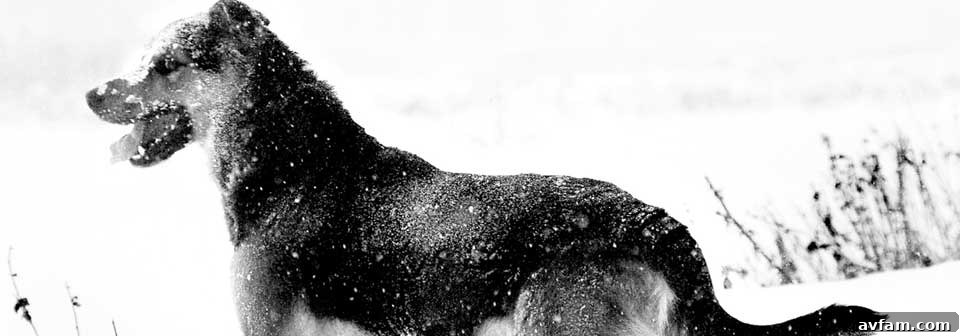
Special thanks to Kari & Nate Hutson for the lovely photo of their dog, Satchel.
Ultimate Winter Pet Safety Guide: Keeping Your Furry Friends Warm, Happy, and Healthy
As winter’s icy grip tightens, many of us are well-versed in preparing our homes and families for the relentless onslaught of blizzards, freezing rain, and bone-chilling temperatures. We’ve mastered the art of layering, weatherproofing, and emergency preparedness. However, amidst our own comfort and safety concerns, there’s a vital aspect of family security that often gets overlooked: the well-being of our beloved pets during the harshest months of the year.
For dedicated pet parents, ensuring the safety and comfort of our four-legged companions is a year-round priority. But winter presents a unique set of challenges that can transform familiar routines into potential hazards. From the risk of hypothermia and frostbite to hidden dangers lurking under snow and ice, the cold season demands extra vigilance and specific preventative measures. This comprehensive guide is designed to equip you with essential tips and insights, guaranteeing that Fido and Fluffy remain as warm, secure, and joyful as you are until spring finally arrives.
The Golden Rule: Keep Your Pets Indoors When Temperatures Drop
The most crucial and fundamental rule for pet safety in winter is simple: if it’s too cold for you, it’s too cold for your pet. Dogs and cats are susceptible to the same cold-related health issues as humans, including hypothermia and frostbite, but their outdoor exposure can quickly escalate into a life-threatening situation. Being left outside in freezing temperatures can lead to rapid onset of these conditions, not to mention the increased risk of becoming lost, injured, or worse.
Understanding the Dangers of Cold Exposure:
- Hypothermia: This occurs when a pet’s body temperature drops dangerously low. Signs include shivering, lethargy, weakness, shallow breathing, and a stiff gait. Severe hypothermia can lead to organ failure and death.
- Frostbite: Exposed skin, especially ears, tail, and paws, can freeze. Affected areas may appear pale or bluish, become cold to the touch, and later swell or blister. Frostbite is incredibly painful and can result in permanent tissue damage or loss.
- Increased Vulnerability: Puppies, senior pets, those with short coats, thin body fat, or pre-existing medical conditions (like heart disease or diabetes) are particularly vulnerable to cold stress. They have a harder time regulating their body temperature and should have minimal, supervised outdoor time.
For these reasons, our strongest recommendation is to bring all pets indoors, especially overnight and during periods of extreme cold, snow, or ice storms. Their rightful place is inside, nestled safely with their human family.
When Outdoor Living is Unavoidable: Providing Essential Shelter and Care
While we advocate for indoor living for pets whenever possible, we understand that some animals, especially working dogs or community cats, may spend significant time outdoors. For these animals, providing adequate protection is not just a recommendation; it’s an absolute necessity for their survival and well-being. An outdoor pet must have access to a warm, dry, and insulated shelter that offers robust protection against snow, ice, rain, and wind.
Key Components of a Safe Outdoor Shelter:
- Insulation: The shelter should be properly insulated to retain warmth. Materials like straw (not hay, which can get moldy) make excellent bedding that pets can burrow into. Change bedding regularly to keep it dry and clean.
- Elevation: Elevate the shelter off the cold ground to prevent heat loss and keep the interior dry. Wooden pallets or bricks can serve this purpose.
- Appropriate Size: The shelter should be large enough for the pet to stand and turn around comfortably, but small enough to retain body heat efficiently. A space that is too large will be difficult to warm.
- Wind Protection: The entrance should be covered with a heavy, waterproof flap to keep wind and precipitation out. Position the entrance away from prevailing winds.
Beyond adequate shelter, access to fresh, unfrozen water is paramount. Dehydration can be just as dangerous as starvation, and in cold weather, water sources can freeze over rapidly. Consider investing in a heated pet bowl to ensure a continuous supply of drinkable water. Check water bowls multiple times a day, even heated ones, to confirm they are functioning and clear of ice. While animals can survive weeks without food, severe dehydration can lead to critical health issues in mere hours, making consistent access to water absolutely vital.
Additionally, outdoor pets may require slightly more food during colder months to help them maintain body temperature. However, ensure they are not overfed, as obesity can lead to other health problems. Consult with your veterinarian for specific dietary recommendations based on your pet’s breed, size, and activity level.
Navigating the Great Outdoors Safely: Tips for Winter Walks and Yard Time
Even indoor pets need their daily walks and outdoor potty breaks. However, winter walks come with their own set of unique challenges and dangers. Being prepared and aware of your surroundings can prevent accidents and ensure these essential outings remain safe and enjoyable for both of you.
Leash Up for Winter Walks: Preventing Panic and Loss
Winter conditions can be disorienting and frightening for pets. The unfamiliar crunch of snow underfoot, the sudden slide on ice, or the blinding glare of a winter sun can startle even the most well-behaved dog or cat, causing them to panic and bolt. This is why keeping your pet on a leash during any outdoor excursion in winter is non-negotiable. If a pet gets loose, the snow and ice can obscure familiar scents, making it incredibly difficult for them to find their way home. The cold also amplifies the dangers of being lost, as exposure sets in much more quickly. Tragically, more dogs are lost during the winter months than any other season, and it is undoubtedly the most perilous time to be adrift and alone.
Always double-check that your pet’s collar is secure and their leash is properly attached. Consider using a harness for dogs that tend to pull or slip out of collars. For added safety, especially during dusk or dawn walks, equip your pet with reflective collars, leashes, or even light-up accessories to ensure they are visible to drivers and others, particularly if visibility is reduced by snow or fog.
Watch for Ice and Hidden Hazards: Protecting Paws and Preventing Injuries
Beyond the simple risk of slipping and falling, which can cause severe injuries like sprains, fractures, or even concussions, ice and snow present other insidious dangers. Sharp shards of ice can cut paw pads, while deep snow can conceal hidden obstacles such as sharp objects, open drains, or even thin ice over frozen water. Always keep a vigilant eye on your pet, guiding them away from obvious hazards.
Paw Protection is Paramount:
- Chemicals and Salt: Sidewalks and roads are often treated with rock salt, deicers, and antifreeze. These substances are highly irritating to paw pads and can be toxic if ingested. When pets lick their paws or fur after a walk, they can inadvertently consume these dangerous chemicals.
- Ice Build-up: Ice and snow can accumulate between your pet’s toes, forming painful ice balls that can cause chafing, bleeding, and infection. This is particularly common in long-haired breeds.
- Prevention: Consider using paw balm or wax (such as Musher’s Secret) to create a protective barrier on your pet’s paw pads before going out. Pet booties are another excellent option, offering superior protection against chemicals, ice, and sharp objects. Ensure booties fit well and your pet is comfortable wearing them.
Upon returning indoors after any outdoor excursion, make it a habit to thoroughly clean your pet’s paws. Use a warm, damp cloth to wipe down their paw pads and meticulously check between their toes. This simple ritual removes potentially harmful chemicals and prevents ice from becoming impacted, safeguarding against irritation and infection.
The Silent Killer: Antifreeze Awareness
One of the most dangerous winter toxins for pets is antifreeze. Its sweet taste unfortunately makes it attractive to curious animals, but even a small amount can be lethal. Antifreeze can leak from vehicles in driveways or streets. Be hyper-vigilant during walks and immediately clean up any spills you encounter on your property. If you suspect your pet has ingested antifreeze, seek emergency veterinary care immediately – time is of the essence in these cases.
Beyond the Walk: Everyday Winter Safety Measures
Tap Your Hood: A Lifesaving Knock for Feline Friends
If you live in an area with stray or feral cats, or even if neighborhood cats roam freely, it’s common for them to seek warmth in the most unexpected places. The engine compartment of parked vehicles, still warm from a recent drive, offers a deceptively cozy shelter from the cold. Before starting your car, especially if it’s been sitting for a while on a cold day, please make it a habit to bang loudly on the hood a couple of times. This simple act can save a cat’s life by giving them a chance to escape before the engine starts and potentially causes horrific injury or death. This tragic event has unfortunately happened to many families, leaving behind deep trauma, and it is entirely preventable.
Never Leave Pets Unattended in Cold Vehicles
Just as a car can become a deathtrap in the summer heat, it can quickly turn into a freezing ice box in winter. The internal temperature of a vehicle can plummet rapidly, leading to hypothermia and frostbite even in relatively mild winter conditions. Leaving a pet unattended in a cold car, even for a short errand, is incredibly irresponsible and can have dire consequences. It also often violates animal cruelty laws in many jurisdictions. Always take your pet with you or leave them safely at home. Your quick trip is not worth their life.
Grooming for Warmth and Health
While a longer coat provides natural insulation, proper grooming is still essential in winter. Mats and tangles can reduce the insulating properties of fur, trapping moisture close to the skin and leading to cold spots or skin irritation. Regular brushing helps to maintain a healthy, insulating coat. For some breeds, a light trim might be necessary to prevent ice and snow from clinging to long fur, especially around the paws and belly. Keep nails trimmed to provide better traction on slippery surfaces and prevent discomfort.
Special Considerations for Vulnerable Pets
Puppies and kittens, senior pets, and those with chronic health conditions are more susceptible to the cold. Their immune systems may be weaker, their ability to regulate body temperature less efficient, or their mobility compromised. Provide extra warmth for these vulnerable companions, such as sweaters or cozy blankets, and limit their outdoor exposure even more strictly. Consult with your veterinarian on specific care instructions for pets with particular health concerns.
Adjusting Exercise Routines
While fresh air and exercise are still important in winter, adjustments may be necessary. Shorten walk times during extreme cold, and be mindful of your pet’s energy levels. If your dog is reluctant to go outside or shows signs of discomfort, don’t force them. Indoor play, puzzle toys, and training sessions can provide mental and physical stimulation when outdoor activities are limited by weather.
Ensuring Permanent Identification and Preparedness
Year-round, but especially in winter when disorientation and loss are heightened risks, proper identification is a pet’s best chance of being reunited with their family. Always ensure your pets are wearing a collar with up-to-date identification tags that include your current phone number.
Microchipping: The Ultimate Safety Net: While collars can fall off, microchips provide a permanent form of identification. A microchip, no larger than a grain of rice, is painlessly inserted under your pet’s skin. It contains a unique ID number that can be scanned by veterinary clinics and animal shelters. It is absolutely crucial to register your microchip and keep your contact information updated with the microchip registry whenever you move or change phone numbers. A microchip is only effective if the registered information is current.
Finally, being a responsible pet owner also means being an advocate for animal welfare. Never hesitate to contact your local animal shelter, humane society, or animal control services if you suspect potential animal abuse or neglect. Their well-being is our collective responsibility.
Share Your Winter Wisdom!
We hope these comprehensive tips help you keep your beloved pets safe and warm throughout the remaining winter months. How do you make the cold season bearable and enjoyable for your four-legged buddies? Do you have any unique tips or heartwarming stories of winter pet care? Share your insights and photos in the comments below – we’d love to see your furry companions embracing the snow safely!
Special thanks to Kari & Nate Hutson for the lovely photo of their dog, Satchel.