
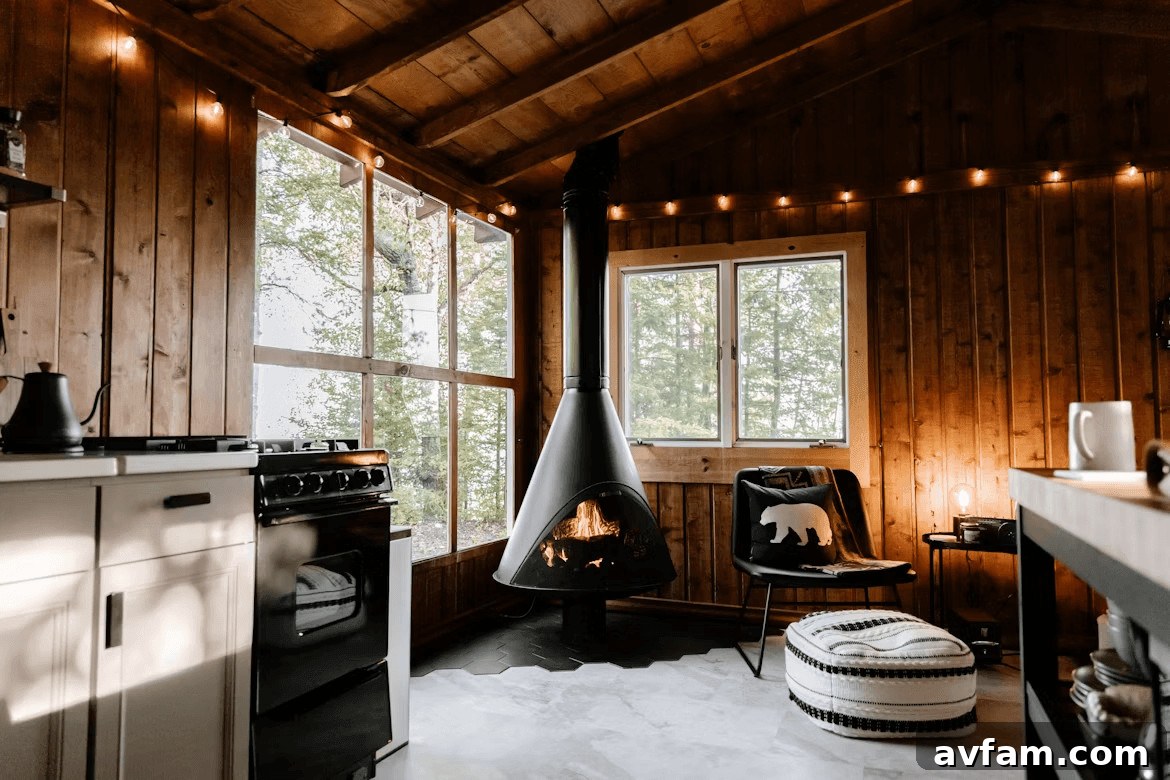
Standing next to a thermostat turned high while cold air drifts through a room is instantly frustrating. Homeowners often crank the dial without seeing temperature improvements in specific spaces. Understanding why heat escapes or fails to distribute evenly is the first step to fixing uncomfortable areas. Small adjustments to equipment, insulation, and everyday habits can noticeably improve overall warmth and comfort.
Drafts and Hidden Air Leaks
Cold spots inside living areas often come from unsealed openings around doors, windows, baseboards, and other perimeter gaps. Routine efforts to keep a home warm fall short when outdoor air slips in through small cracks. Sealing gaps around window frames with weatherstripping and caulk helps maintain steady indoor temperatures.
Exterior electrical outlets, attic access doors, and basement rim joists are common leak points. These drafts force heating systems to run longer cycles without actually raising room temperatures. Simple foam gaskets behind outlet covers and weatherstripping on doors can block unwanted air movement and reduce strain on heating equipment.
Walk through the home on a windy day with a candle or smoke stick to find where cold air enters; this quick test reveals many minor leaks. Recessed ceiling lights on upper floors can also pull warm air into cold attic cavities. Sealing around light fixtures with caulk or installing fire-rated covers reduces the chimney-like effect and keeps warm air where it belongs.
Heat Loss Through Glass Surfaces
Windows exchange heat more quickly than insulated walls, so single-pane windows or aging double-pane seals often create constant cold zones nearby. A significant portion of home heating energy can be lost through windows if they are not well sealed or insulated.
Installing heavy thermal curtains provides an immediate barrier against night-time heat loss. Closing curtains at sunset traps warmth inside, while opening south-facing draperies during sunny days lets natural solar gain help warm interiors without added energy use.
Practical window upgrades to retain heat include using clear plastic film over frames to block drafts, choosing thermal blinds or honeycomb shades that trap insulating air layers, and caulking exterior window trim to seal perimeter seams. Combining window treatments with draft stoppers along sills and floor-level openings keeps floors and adjacent areas noticeably warmer.
Airflow Restrictions and Maintenance
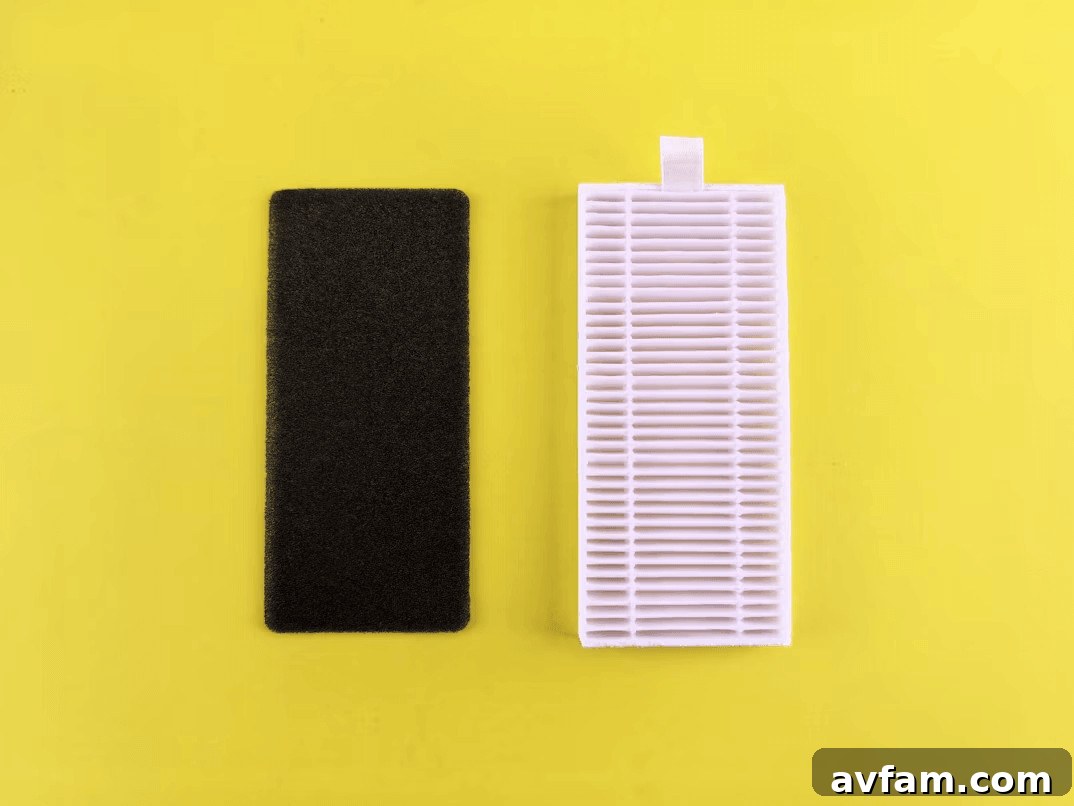
Clogged air filters restrict airflow through heating systems and hinder proper circulation. Dirty filters and blocked vents increase monthly heating costs and force equipment to run longer. Regularly replacing filters lets the system move maximum air volume through supply vents and return grilles.
Impact of Dirty Filters on Heat Output
Dust buildup on blower fans reduces airflow and weakens heat delivery over time. Blocked return registers starve the system of air and cause the furnace or air handler to work harder. Replace furnace filters according to the manufacturer’s recommendation—typically every 30 to 90 days depending on use—to maintain efficient operation.
Furniture or rugs placed over floor registers obstruct heat delivery. Move sofas, chairs, and large rugs away from supply openings and keep return grilles unobstructed so the system can circulate air evenly and reheat it efficiently.
Thermostat Settings and Placement
Thermostat location affects how accurately a system measures indoor temperature. A control mounted near a sunny window, a kitchen, or an appliance will read warmer and may shut off heating before the rest of the home reaches comfort. Installing the thermostat in a central interior hallway improves accuracy and promotes more consistent temperatures throughout the house.
Old mechanical thermostats can lose calibration and miss target setpoints by several degrees. Upgrading to a digital programmable or smart thermostat provides tighter control and allows scheduling that matches heating cycles to daily routines. Smart thermostats also enable remote adjustments when weather shifts, helping maintain comfort while managing energy use.
Heating System Capacity and Mechanical Problems
A heating system that is incorrectly sized for a home will struggle to maintain comfort. Undersized units may run continuously and still not reach set temperatures on cold days. Oversized units cycle off too quickly, preventing even heat distribution to distant rooms and upper floors.
Aging components—worn blower motors, deteriorating heat exchangers, and dirty burners—lose efficiency over time. Annual professional tune-ups help identify worn parts, clean essential components, and test safety controls so systems run reliably and safely during peak cold periods. Addressing minor mechanical noises and irregular performance early prevents unexpected failures when warmth is most needed.
Attic Insulation and Ductwork Losses
Heat naturally rises into attic spaces, so insufficient attic insulation allows valuable warmth to escape through the roof. Adding blown-in cellulose or fiberglass batts increases the thermal barrier and keeps lower living areas warmer. Proper attic insulation levels are a cost-effective way to reduce heat loss.
Ductwork that runs through unheated attics or crawlspaces can lose heat before air reaches room vents. Sealing duct joints with mastic and wrapping exposed metal ducts with foil-faced fiberglass insulation reduces heat loss and improves delivery. Also seal attic access hatches with weatherstripping and ensure attic ventilation is balanced so insulation stays dry and effective.
Practical Steps to Restore Indoor Heat
A systematic approach can restore steady comfort without immediate major replacements. Reverse ceiling fans to the clockwise setting on low so they push warm air trapped near ceilings back down into living zones. Keep interior doors open to promote consistent airflow, and use heavy rugs over uninsulated hardwood floors to reduce cold transfer from crawlspaces.
Close fireplace dampers when not in use or install inflatable chimney plugs to prevent warm air from escaping up chimneys. Combine simple maintenance—sealing drafts, replacing dirty filters, insulating windows, and scheduling annual system tune-ups—to see immediate improvements in comfort. These straightforward actions preserve indoor warmth, reduce energy waste, and keep heating systems running dependably for years.