
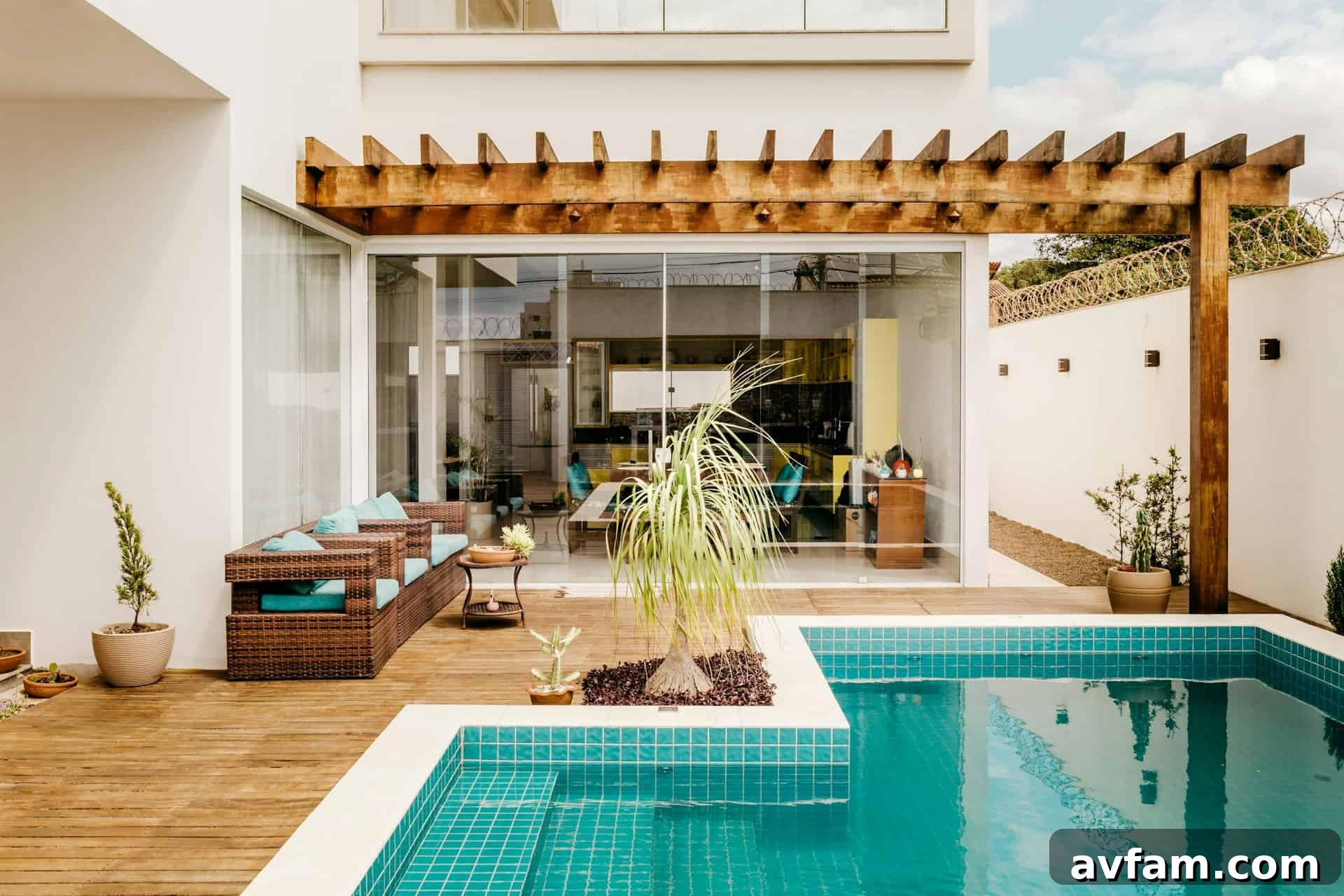
Outdoor living spaces have transformed from simple patios into sophisticated extensions of our homes, offering comfortable, stylish, and functional areas for relaxation, entertainment, and connection with nature. This growing trend reflects a desire to maximize every square foot of our properties, blurring the lines between indoor comfort and outdoor serenity. However, creating an outdoor living space that truly resonates with your lifestyle and enhances your home’s aesthetic can feel like a complex endeavor.
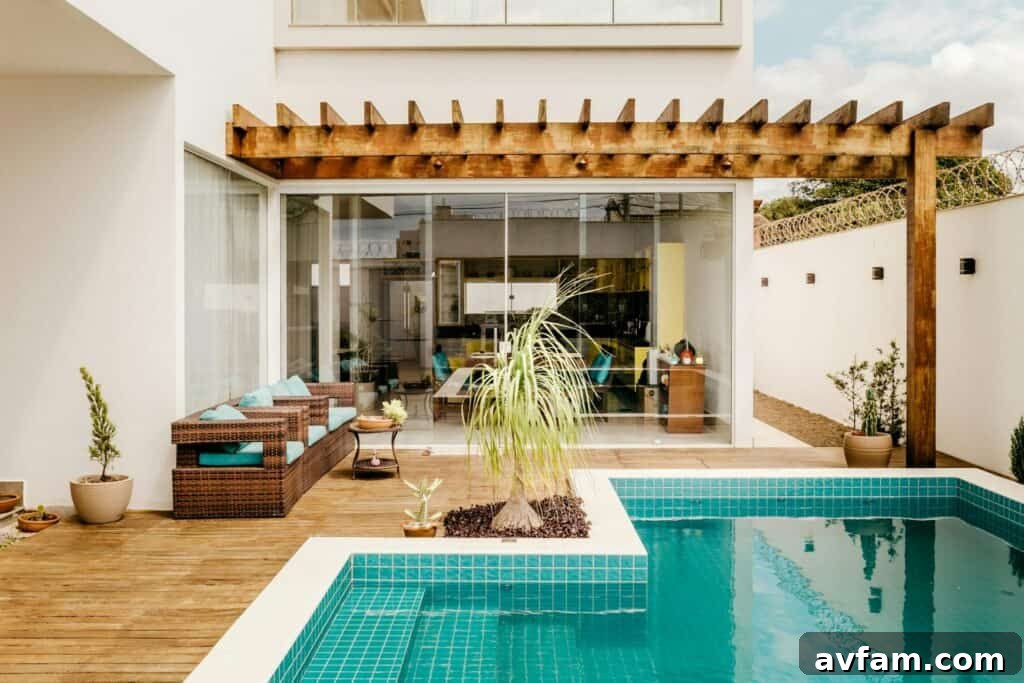
This comprehensive guide delves into the fundamentals of outdoor living space design, exploring crucial elements for functionality, creative ways to infuse style, essential maintenance tips, and innovative suggestions for tailoring your outdoor oasis to a myriad of uses. Whether you dream of a tranquil sanctuary or a vibrant hub for social gatherings, we’ll equip you with the knowledge to bring your vision to life.
Understanding the Core Principles of Outdoor Living Space Design
Designing an outdoor living space is akin to designing an additional room in your home, but with the added beauty of natural surroundings. It presents a unique opportunity to create a seamless transition between your indoor and outdoor environments, allowing you to embrace the fresh air and natural light while enjoying all the comforts of home. Thoughtful planning is paramount to unlocking your outdoor area’s full potential and crafting an inviting, functional, and aesthetically pleasing extension of your living area.
The Indispensable Role of Space Planning and Zoning
Effective space planning is the bedrock of any successful outdoor living area. It involves meticulously assessing the available footprint and strategizing its optimal utilization to meet your specific needs and desires. Key considerations include the area’s size and shape, existing landscape features, and desired functions. By carefully mapping out distinct zones, you can create a harmonious flow and maximize usability.
Think of your outdoor space as having different “rooms.” Perhaps a cozy lounging area for reading, a dedicated dining zone for al fresco meals, or a vibrant play space for children. Ensuring ample room for movement and clear pathways between these zones is crucial. For instance, if you plan an outdoor dining area, ensure there’s enough clearance for guests to pull out chairs and move around the table comfortably. Strategic placement of large elements like pergolas, fire pits, or water features can also define these zones and enhance the overall layout. Furthermore, consider privacy; strategically placed screens, hedges, or fences can create secluded retreats within your open-air environment.
Selecting a Cohesive Theme for Your Outdoor Sanctuary
Choosing a clear theme for your backyard design or patio space is instrumental in achieving a unified and stylish look. Your chosen theme will act as a guiding compass for every decision, from furniture selection and material choices to decorative accents and plant palettes. It ensures consistency and creates an atmosphere that truly reflects your personal taste.
When embarking on theme selection, always consider your home’s architectural style and the surrounding natural landscape. The goal is to create an outdoor space that complements your existing structure and seamlessly integrates with its environment. For a modern home with clean lines, a contemporary theme featuring sleek furniture, minimalist design, and geometric patterns might be ideal. Conversely, a rustic aesthetic might embrace natural wood, stone, and earthy tones, creating a cozy, natural retreat. Other popular themes include Mediterranean (terra cotta, wrought iron, vibrant colors), Coastal (light colors, natural fibers, beach-inspired decor), Tropical (lush greenery, vibrant blooms, exotic wood), and Bohemian (eclectic mix of textures, global patterns, relaxed seating). Whatever your preference, a well-defined theme will elevate your outdoor area from ordinary to extraordinary.
Key Elements for a Truly Functional Outdoor Living Space
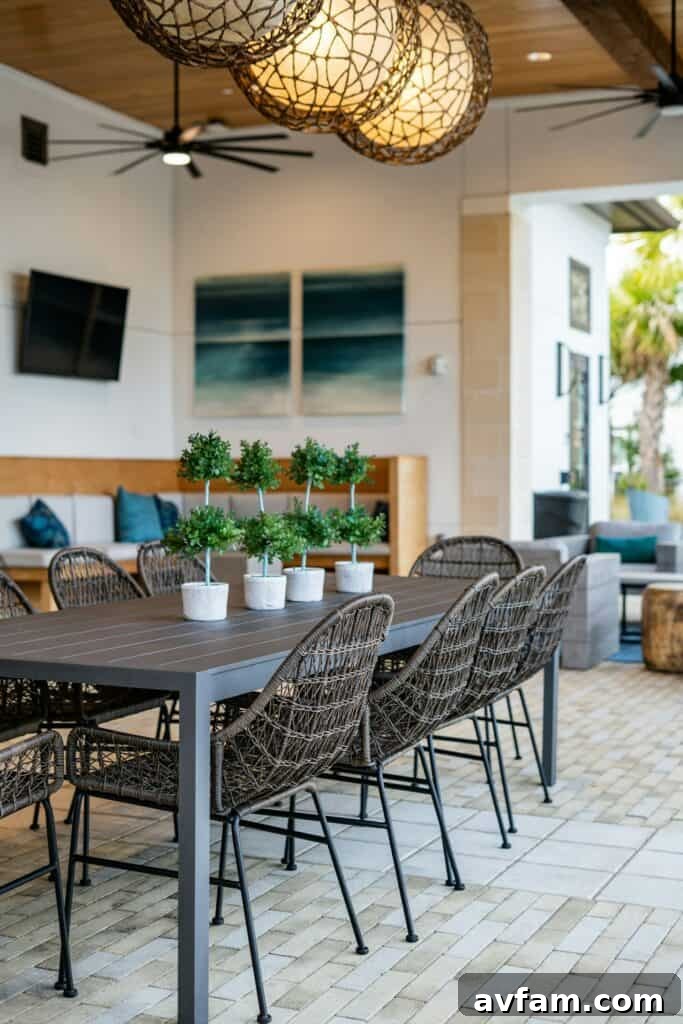
Beyond aesthetics, a functional outdoor living space must incorporate specific elements that ensure comfort, usability, and durability. These foundational components form the backbone of an enjoyable outdoor environment, allowing you to savor every moment spent outdoors.
Strategic Outdoor Furniture Selection
The right outdoor furniture is paramount for creating a comfortable and inviting space. The primary consideration should be durability; choose materials specifically designed to withstand various outdoor elements, from harsh sunlight and heavy rain to fluctuating temperatures. Popular materials include weather-resistant wicker, powder-coated aluminum, stainless steel, teak or cedar wood, and recycled plastics.
Beyond material, consider the scale of your outdoor area. Select furniture pieces that fit proportionally without overcrowding the space, ensuring easy movement and a sense of openness. Prioritize comfort by adding plush, weather-resistant cushions and decorative pillows that are both stylish and easy to clean. Modular seating arrangements offer flexibility, allowing you to reconfigure your space for different occasions. Don’t forget functional pieces like side tables for drinks and snacks, storage benches for stowing away essentials, and perhaps a stylish outdoor coffee table to serve as a central gathering point. The goal is to create an ensemble that is not only robust and visually appealing but also conducive to long hours of relaxation and conversation.
Thoughtful Lighting and Heating Solutions
To truly extend the usability of your outdoor living space from day to night, thoughtful lighting and heating are indispensable. Proper illumination creates a magical ambiance and ensures safety, while effective heating solutions allow you to enjoy cooler evenings in comfort. Integrate a variety of lighting types: ambient lighting (string lights, lanterns, deck lights) sets the mood, task lighting (spotlights for grilling, path lights for walkways) enhances functionality, and accent lighting (uplighting trees or architectural features) highlights key design elements. Smart lighting systems with dimmers and timers offer convenience and energy efficiency.
For colder evenings, various heating options can transform your space into a cozy haven. A fire pit serves as a captivating focal point for gatherings, available in wood-burning, propane, or natural gas versions. An outdoor fireplace adds a touch of rustic elegance and significant warmth, perfect for roasting marshmallows or simply enjoying the flickering flames. For more compact solutions, patio heaters – electric or propane-powered – provide targeted warmth without consuming much space. Always prioritize safety when installing and using any heating element, ensuring proper ventilation and clearances.
Essential Shade and Shelter Solutions
Protection from the sun’s harsh rays and unexpected weather is crucial for year-round enjoyment of your outdoor space. Investing in effective shade solutions will significantly enhance comfort and extend usability. Options range from simple, movable umbrellas that offer flexible shade to more permanent structures like pergolas and gazebos. Pergolas, often adorned with climbing vines or fabric canopies, provide dappled shade and an architectural focal point. Gazebos offer more complete shelter with a solid roof, creating an intimate, defined space.
Retractable awnings attached to your home offer on-demand shade and can be extended or retracted as needed. When choosing a shade solution, consider the size of your area, the direction of sunlight throughout the day, and your desired aesthetic. Materials should be durable and weather-resistant, complementing your overall outdoor design. Adequate shade not only protects from UV rays but also keeps your space cooler, making it more enjoyable during peak summer heat.
Selecting Durable Flooring and Surfaces
The choice of flooring and surfaces sets the foundation for your outdoor living space, influencing both its aesthetic and functionality. Material selection should prioritize durability, slip resistance, proper drainage, and ease of maintenance. Popular options include natural stone pavers (bluestone, travertine, flagstone), concrete (stamped, stained, or polished for various looks), wood decking (cedar, redwood, composite for low maintenance), and gravel or crushed stone for a more informal or rustic feel.
Consider how the flooring will interact with rain and moisture, ensuring proper grading for drainage to prevent pooling. The texture and color of your chosen surface should complement your theme and the surrounding landscape, providing a cohesive look. For example, light-colored pavers can help reflect heat, keeping the patio cooler, while dark wood decking might absorb heat but offer a rich, natural look. A well-chosen surface not only enhances the visual appeal but also provides a safe and comfortable ground for all your outdoor activities.
Elevating Your Outdoor Living Space with Style
While functionality forms the foundation, adding style allows you to infuse your outdoor living space with personality, creating a visually captivating and deeply personal retreat. A thoughtfully designed outdoor area can truly become an extension of your home, offering a unique setting for relaxation, entertainment, and a profound connection with the natural world. Unleash your creativity with these strategic styling tips.
Mastering Color, Texture, and Pattern
Introducing a harmonious interplay of color, texture, and pattern can instantly transform your outdoor area into a vibrant and inviting oasis. Begin by selecting a color palette that either complements or subtly contrasts with your home’s exterior and the surrounding natural landscape. Earthy tones can blend seamlessly, while pops of vibrant color through cushions, planters, or outdoor rugs can add energy and visual interest. Consider using a monochromatic scheme for sophistication or complementary colors for a dynamic look.
Texture is equally vital. Incorporate diverse tactile elements through weather-resistant textiles such as plush cushions, woven outdoor rugs, and flowing outdoor curtains. These soft furnishings not only provide comfort but also add layers of visual depth and can be easily updated to reflect changing seasons or moods. Beyond fabrics, embrace natural materials like rough-hewn wood, smooth stone, intricate rattan, or robust metalwork. A wooden furniture piece with visible grain, stone pavers with unique patterns, or decorative rattan baskets can introduce organic beauty and create a rich sensory experience that enhances the overall appeal of your backyard design.
Thoughtful Selection of Decorative Elements
Decorative elements are the brushstrokes that define your unique style and personality in your outdoor living space. Think of it as curating an outdoor gallery that celebrates your interests and passions. Integrate outdoor artwork, weather-resistant sculptures, and unique accessories that resonate with you. These curated pieces can serve as engaging conversation starters and compelling focal points, significantly elevating the ambiance of your outdoor area.
When selecting decor, always consider the scale and proportion relative to your outdoor space. A grand sculpture or a statement piece of artwork can command attention in a larger area, while smaller, thoughtfully placed accents like garden ornaments, charming wind chimes, or decorative lanterns can add delightful details that capture the eye. Don’t underestimate the transformative power of water features, such as elegant fountains or calming ponds, which introduce soothing sounds and captivating visual interest. Finally, plants in decorative planters and containers are essential; vary their heights, colors, and textures to create dynamic visual layers that breathe life into your space. Grouping pots of different sizes and materials can also create striking vignettes. Mirrors (weatherproof, strategically placed) can also open up smaller spaces.
The Integral Role of Landscaping and Greenery
Landscaping and greenery are not just background elements; they are integral to the aesthetic and feel of your outdoor living space. Integrating plants thoughtfully can create natural divisions, add privacy, introduce color and scent, and soften hard architectural lines. When choosing plants, consider your climate, soil conditions, and the amount of sun or shade your area receives. Opt for native plants or varieties known for being low-maintenance or drought-tolerant to ensure long-term sustainability and ease of care.
Think beyond just flowerbeds. Vertical gardens can maximize space in smaller areas, adding lushness without consuming valuable floor space. Container gardening offers flexibility, allowing you to rearrange plants or swap them out seasonally. Create focal points with a beautifully shaped tree, a vibrant flowering shrub, or a collection of interesting succulents. The strategic placement of plants can direct views, screen undesirable elements, and create a sense of enclosure, making your outdoor space feel more intimate and inviting. By carefully selecting and positioning greenery, you infuse your space with life, creating a dynamic and ever-evolving backdrop.
Essential Maintenance Tips for Your Outdoor Living Space
To ensure your outdoor living space remains a beautiful, functional, and inviting retreat for many years, consistent and proper maintenance is absolutely crucial. Regular care prevents premature wear and tear, preserves the aesthetics, and safeguards your investment. Incorporating these maintenance practices into your routine will keep your outdoor oasis in pristine condition.
Cleaning and Preserving Outdoor Furniture
Regular cleaning of your outdoor furniture is key to preventing the buildup of dirt, grime, mold, and mildew, all of which can deteriorate materials over time. Use appropriate cleaning products specifically designed for your furniture’s material – mild soap and water for wicker and most metals, specialized cleaners for teak or other woods, and diluted bleach solutions for stubborn mildew on fabrics. Always follow the manufacturer’s cleaning instructions to avoid damage. Beyond cleaning, consider applying protective coatings or sealants to wood to prevent weathering and fading, or waxing metal frames for added protection. Investing in high-quality outdoor furniture covers is a wise decision, especially during extended periods of non-use or harsh weather, as these significantly prolong the lifespan and maintain the appearance of your pieces.
Comprehensive Seasonal Care for Outdoor Spaces
Adopting a seasonal maintenance routine is essential for keeping your entire outdoor living space in optimal condition throughout the year. As seasons change, so do the needs of your outdoor environment. In the fall, prepare for winter by properly storing cushions, throws, and other fabric accessories indoors or in weatherproof containers to prevent moisture damage and mildew. Drain any water features to prevent freezing damage and cover larger furniture pieces. Inspect your deck, patio, and other hardscapes for any cracks or damage that may have occurred due to weather conditions or heavy use, addressing them promptly to prevent further deterioration.
In the spring, conduct a thorough spring cleaning: power wash hard surfaces, clean and inspect outdoor lighting fixtures, and replenish any necessary garden supplies. Replant annuals, prune shrubs, and fertilize perennial plants to promote healthy growth. Regularly remove weeds and unwanted plant growth, which compete for nutrients and can detract from your space’s beauty. Pay close attention to your irrigation system, checking for leaks or clogged nozzles. By proactively maintaining your outdoor space through seasonal changes, you ensure it’s always ready to be enjoyed.
Effective Water Management and Irrigation
Efficient water management is a critical aspect of outdoor living space maintenance, especially in areas prone to drought or with water restrictions. Proper drainage is paramount for hardscapes; ensure your patio or deck slopes away from your home’s foundation to prevent water accumulation and potential damage. Regular cleaning of gutters and downspouts connected to your outdoor structures also aids in managing rainwater runoff.
For your plants and lawn, intelligent irrigation systems can save water and ensure your greenery thrives. Consider installing drip irrigation for garden beds and containers, which delivers water directly to the plant roots, minimizing evaporation. Smart sprinkler systems that can be programmed based on weather forecasts or soil moisture levels further optimize water usage. Regularly check all hoses, sprinklers, and irrigation lines for leaks or blockages, and repair them promptly. Responsible water management not only conserves a vital resource but also contributes to the overall health and longevity of your outdoor landscape.
Maximizing Your Outdoor Living Space for Diverse Uses
Your outdoor living space holds immense potential to serve a multitude of purposes, adapting to various activities and lifestyles. To truly maximize its functionality and enjoyment, the key lies in creating designated, flexible areas tailored for different uses. This thoughtful zoning transforms your backyard into a multi-functional extension of your home.
Crafting Serene Spaces for Relaxation and Retreat
Everyone needs a sanctuary, and your outdoor space can be the perfect setting for ultimate relaxation. Design a cozy seating area with deeply comfortable chairs, a plush outdoor sofa, or a luxurious daybed, complemented by small side tables for holding beverages, books, or personal devices. Incorporate elements of shade, such as a stylish pergola draped with climbing vines, a large cantilever umbrella, or a fabric awning, to provide respite from the sun’s intensity. For an added touch of bliss, consider incorporating a freestanding hammock for gentle swaying or a swinging chair that invites quiet contemplation. Sensory elements like fragrant plants, a small trickling fountain, or subtle wind chimes can enhance the tranquil atmosphere, making it your go-to spot for unwinding after a long day or enjoying a peaceful morning coffee.
Designing Dynamic Zones for Entertainment and Socializing
For those who love to host, your outdoor living space can become a vibrant hub for entertainment and social gatherings. Designate a spacious dining area complete with a large outdoor table and comfortable chairs, perfect for al fresco meals and lively conversations. Ensure ample seating options with durable outdoor sectionals, individual lounge chairs, or even built-in benches that encourage guests to relax and mingle. Elevate your hosting capabilities by installing a barbecue grill or, for the avid entertainer, a fully equipped outdoor kitchen complete with a sink, mini-fridge, and plenty of counter space for meal preparation. Enhance the festive atmosphere with integrated outdoor speakers for music, dedicated game areas like a bocce ball court or a giant chess set, or, if space and budget permit, a refreshing swimming pool or a soothing hot tub to truly elevate the entertainment factor. Strategic lighting, from string lights to pathway illumination, will ensure the party can continue well into the evening.
Creating Family-Friendly and Pet-Friendly Outdoor Zones
For families with children and pets, the outdoor living space can be a vital area for play, exploration, and making memories. Designate specific zones for children’s activities, such as a secure swing set area, a sandpit, or a dedicated play structure. Prioritize safety by installing soft, impact-absorbing surfaces like rubber mulch or wood chips under play equipment. Fencing is essential for containing pets and ensuring children’s safety, especially if your property is near busy streets or water features. For pets, consider incorporating elements like a designated potty area, a shaded dog bed, or even a shallow water feature for them to cool off during hot days. Choosing durable, easy-to-clean materials for furniture and surfaces is also practical for busy family life, accommodating spills and active play without constant worry.
Incorporating Productive and Hobby-Oriented Spaces
Beyond relaxation and entertainment, your outdoor living space can also serve as a productive environment for various hobbies and pursuits. For gardening enthusiasts, create a dedicated gardening zone with raised garden beds for vegetables and herbs, a potting bench for easy planting, and organized storage for tools. If you work from home or enjoy creative projects, consider establishing an outdoor office nook with a comfortable chair, a small weather-resistant desk, and perhaps an umbrella for shade. This offers a refreshing change of scenery and can boost creativity. Alternatively, a quiet corner with a yoga mat and privacy screen can transform into an outdoor fitness or meditation area. By designating specific zones for your hobbies, you extend the utility of your outdoor space, making it a truly multi-functional asset that supports your well-being and passions.
Crafting a truly functional and stylish outdoor living space demands careful planning, a keen eye for detail, and a commitment to ongoing maintenance. By understanding the core principles of outdoor space design, meticulously incorporating essential elements like quality furniture and effective lighting, infusing your personal style through color and decor, and adhering to proper maintenance routines, you can transform your outdoor area into a breathtaking and inviting retreat. Whether your dream is a tranquil sanctuary for quiet reflection or a dynamic, vibrant entertainment hub for cherished gatherings, following these expert tips will guide you in designing an outdoor living space that not only suits your lifestyle and preferences but also significantly enhances your home’s value and your quality of life.