
Smoking vs. Grilling: Elevating Your Holiday BBQ Experience
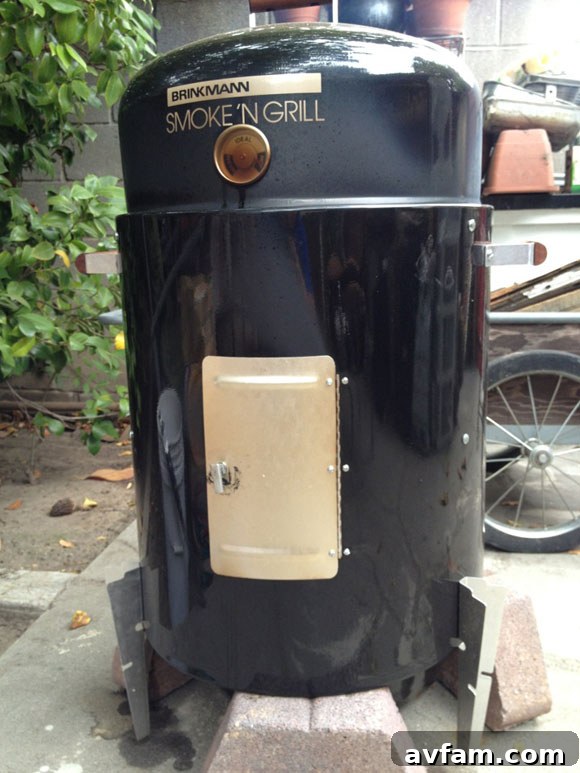
The Fourth of July is more than just a date on the calendar; it’s a vibrant celebration of freedom, community, and, for many, the ultimate excuse for an outdoor feast. For years, our Independence Day tradition revolved around the familiar sizzle of burgers and hot dogs on the grill – a classic, no doubt. However, a recent addition to our outdoor cooking arsenal, a versatile Brinkmann smoke and grill unit, has ignited a new culinary passion. This year, we decided to embark on a mouth-watering mission: smoking a succulent pork butt for the holiday. This journey with our new Brinkmann unit, which is quite capable and has some exciting modifications I’m eager to share later this week, naturally led us to ponder the age-old question for any barbecue enthusiast: what truly sets smoking apart from grilling, and which method promises the most memorable holiday spread?
While both grilling and smoking involve cooking over an open flame or heat source, they represent distinct culinary philosophies, each offering unique benefits. Grilling is about speed and char, delivering that iconic sear and smoky aroma in minutes. Smoking, on the other hand, embraces patience and precision, transforming cuts of meat over hours into tender, flavor-packed masterpieces. Let’s delve into the core differences and discover why smoking might just be the secret ingredient to your most unforgettable Fourth of July barbecue yet.
The Unparalleled Flavor of Smoked Meats: A Culinary Revelation
Without a doubt, the most significant advantage smoking holds over traditional grilling is the depth and complexity of its flavor profile. Grilling provides a fantastic char, caramelization, and a direct heat sear that seals in juices. But smoking introduces an entirely different dimension of taste, an aromatic tapestry woven from wood smoke that permeates every fiber of the meat. This isn’t just surface-level flavor; it’s a profound infusion that transforms the eating experience into something truly exceptional, making a smoked dish instantly recognizable and highly coveted.
The secret lies in the wood. Different types of wood impart unique flavor characteristics, allowing for endless customization. Hickory, with its strong, bold notes, is perfect for beef and pork, reminiscent of classic barbecue joints. Apple and cherry woods offer milder, fruitier undertones that beautifully complement poultry and lighter meats. Oak provides a versatile, medium smoke, ideal for a wide range of proteins, while mesquite delivers an intense, earthy flavor. The careful selection of wood is an art in itself, contributing significantly to the final taste symphony of your smoked creation.
Beyond the taste, the visual hallmark of expertly smoked meat is the ‘smoke ring’ – a distinct pinkish-red band just beneath the exterior surface. This ring is a result of a complex chemical reaction between nitric oxide, carbon monoxide, and the meat’s myoglobin during the slow cooking process. Its presence is a badge of honor for any pitmaster, signifying that the meat has been properly smoked at a low temperature for an extended period. Achieving this takes skill, patience, and a deep understanding of temperature control and smoke density, making every successful smoke a proud culinary achievement.
Furthermore, the long, slow cooking process inherent in smoking does more than just impart flavor; it tenderizes the meat unlike any other method. Connective tissues break down gradually, rendering tough cuts incredibly tender and moist. This extended exposure to smoke also helps create the coveted ‘bark’ – a flavorful, often crispy crust that forms on the exterior of the meat. This combination of a tender, juicy interior, a richly flavored bark, and the pervasive smoky aroma is what truly elevates smoked barbecue into an unforgettable feast, making it the preferred method for special occasions and those seeking a profound culinary experience.
Embracing the Low-Maintenance Lifestyle of Smoking
While the allure of flavor often takes center stage, one of the most underrated advantages of many smokers is their remarkably low maintenance profile during the cooking process. Unlike grilling, which frequently demands constant attention to prevent burning and ensure even cooking, many smokers – particularly traditional charcoal, electric, or offset units – operate on a more “set it and forget it” principle once the initial temperature and smoke are established. This hands-off approach liberates the cook, allowing them to engage with guests, prepare side dishes, or simply relax, rather than being constantly tethered to the cooking apparatus.
It’s important to clarify that “low maintenance” does not equate to “no maintenance.” Regular care is crucial to keep your smoker in peak condition, ensuring optimal performance and longevity. Essential maintenance tasks include:
- Cleaning Cooking Grids: Post-cook, the grids require diligent scraping and cleaning to remove food residue. Lightly oiling them before each use prevents sticking and maintains their integrity.
- Ash Management: For charcoal or wood-fired smokers, regularly emptying the ash is vital for maintaining proper airflow and preventing blockages. A dedicated ash bucket or shop vacuum can simplify this task.
- Grease Tray Cleaning: Drippings accumulate over time, making periodic cleaning of the grease tray or replacement of liners essential for hygiene and to prevent potential flare-ups.
- Exterior Wiping: A quick wipe-down of the smoker’s exterior helps protect against rust and preserves its appearance. For stainless steel parts, specific cleaners can maintain their shine.
- Seasonal Inspection: Before the start of each BBQ season, a thorough inspection of all components, including vents, gaskets, and thermometers, ensures everything is in working order.
While advanced units like pellet grills might involve more moving parts, electronic components, or even firmware updates, their core cleaning routines remain straightforward. For a typical dome or offset smoker, consistent cleaning and an occasional deep clean are generally all that’s needed. This inherent simplicity, combined with the extended cooking durations, paradoxically makes smoking a surprisingly relaxed and enjoyable method for preparing truly magnificent meals.
Dedicated Smokers vs. Combination Grill/Smokers: Finding Your Perfect Match
The outdoor cooking market offers a diverse array of equipment, ranging from highly specialized dedicated smokers to versatile combination grill/smoker units. The choice between these two often comes down to a careful consideration of space, budget, and culinary ambition. The primary drawback of combination units is often a compromise in specialized functionality or cooking capacity in either the grilling or smoking department. While they offer the undeniable convenience of two appliances in one, they typically sacrifice some optimal design elements that dedicated units proudly boast.
Smoking purists, those who meticulously craft low-and-slow barbecue and seek absolute precision in temperature and smoke management, will almost invariably gravitate towards dedicated smokers. These units are engineered for peak performance in smoking, often featuring superior insulation, precise airflow control, and larger capacities tailored specifically for extended cooks of substantial cuts of meat. An offset smoker, for instance, offers a distinct flavor profile and cooking experience that is hard to replicate in a combo unit.
However, for the average homeowner or casual barbecue enthusiast who enjoys smoking a few times a month alongside regular grilling, combination units are an excellent and practical solution. They are space-efficient, reduce the financial outlay of purchasing and maintaining multiple appliances, and provide the flexibility to effortlessly switch between searing steaks and slow-smoking a brisket. Modern combination units have evolved significantly, offering impressive efficiency and user-friendliness for both grilling and smoking, making them a fantastic entry point for those exploring the world of barbecue.
Ultimately, the decision hinges on your individual needs and lifestyle:
- Dedicated Smokers: Best for serious pitmasters, those frequently cooking for large gatherings, or individuals who prioritize absolute control over smoke flavor and temperature. They are an investment in specialized performance.
- Combination Units: Ideal for casual users, those with limited patio space, or individuals seeking versatility without the commitment to separate units. They offer a great balance of functionality and convenience for diverse cooking needs.
Understanding these trade-offs is crucial for selecting the right equipment that will effectively serve your outdoor cooking aspirations, whether you’re a seasoned expert or just beginning your smoking journey with a versatile unit like our Brinkmann.
Optimal Placement for Your Grill or Smoker: Prioritizing Safety and Performance
The strategic placement of your outdoor cooking unit is not merely about aesthetics; it is paramount for both operational performance and, critically, for safety. Whether you’re operating a high-heat grill or a low-and-slow smoker, placement decisions must prioritize hazard prevention and ensure a comfortable, efficient cooking environment. We cannot stress enough the importance of maintaining a safe distance – typically 5 to 10 feet – between your grill or smoker and any combustible materials. This includes buildings, wooden decks, fences, overhanging tree branches, and dense shrubbery. This buffer zone is a non-negotiable safeguard against accidental fires caused by hot coals, grease flare-ups, or stray embers, which can quickly escalate into dangerous situations.
Beyond safety, thoughtful placement significantly enhances the overall cooking and social experience. Smokers, in particular, benefit immensely from being positioned where they can receive a gentle, consistent breeze. This natural airflow is crucial for maintaining stable internal temperatures and for efficiently circulating smoke within the cooking chamber, leading to more even cooking and better smoke penetration. Equally important, a well-ventilated area ensures that the smoke disperses effectively away from your guests. The last thing anyone wants is to host a vibrant Fourth of July gathering only to have dense, acrid smoke irritating eyes and lungs, diminishing the enjoyment for everyone present. Consider the prevailing wind direction in your yard or patio and position your smoker so that the smoke drifts away from your main seating areas, ensuring a pleasant atmosphere.
Convenience also plays a vital role in optimal placement. Consider proximity to your kitchen for easy food prep and cleanup, effortless access to your chosen fuel source (charcoal, wood, pellets, or natural gas lines), and a stable, level surface for the unit to rest on. While a gentle breeze is beneficial, avoid overly exposed or windy spots that can make temperature regulation a constant battle, especially for charcoal smokers which are more susceptible to wind interference. If you plan to use a covered patio, ensure there is ample overhead clearance and open sides to allow for proper ventilation and to mitigate the risks of smoke buildup and carbon monoxide accumulation. Always consult your smoker’s manual for specific clearance requirements. By prioritizing both safety and practical considerations, thoughtful placement truly elevates both the safety and the overall enjoyment of your outdoor cooking endeavors, ensuring your holiday feast is both delicious and worry-free.
Embracing the Journey: Beyond the Basics of Smoking
The journey into the world of smoking, especially with a versatile unit like the Brinkmann, is an ongoing adventure filled with discovery and refinement. While we’ve delved into the fundamental distinctions, the superior flavor, the practical maintenance aspects, and crucial considerations for equipment choice and placement, the realm of barbecue offers an endless landscape for exploration. From experimenting with various rubs, marinades, and brines to mastering advanced techniques like cold smoking or using a water pan for moisture, and even personalizing your smoker with clever modifications for enhanced performance, there is always more to learn and perfect.
These continuous experiences not only sharpen your culinary skills but also deepen your appreciation for the craft, transforming cooking into a rewarding passion. Each successful cook builds confidence, and every experiment, even the less successful ones, provides invaluable lessons, pushing you further on your path to becoming a barbecue maestro.
Your Preference: Grilling or Smoking? The Choice is Yours!
As we eagerly anticipate another fantastic Fourth of July celebration, the question remains: what culinary path will you choose for your outdoor feast? Are you drawn to the quick char and intense heat of traditional grilling, delivering that immediate satisfaction and classic barbecue taste? Or are you enticed by the tender, smoky embrace of low-and-slow barbecue, promising a depth of flavor and a relaxed cooking experience that defines true pitmaster artistry? Both methods offer unique charms, and ultimately, the best choice is the one that brings you the most joy and delicious results.
We encourage you to share your thoughts, your favorite outdoor cooking traditions, and perhaps even your own smoking triumphs and challenges in the comments below. Let us know how you plan to celebrate and what delectable dishes will grace your holiday table!
Happy 4th of July, and may your holiday feast be filled with incredible flavors, joyful celebrations, and cherished memories with family and friends!