
Mastering the Art of Pruning: Essential Tips for a Healthy and Beautiful Garden
As the vibrant hues of spring and summer transform our landscapes, our gardens and yards often experience a burst of vigorous growth. While lush greenery is a welcome sight, it can quickly lead to overgrown plants, unruly shrubs, and dense canopies that obscure sunlight and hinder overall plant health. This natural abundance brings with it a crucial gardening task: pruning. Far from being a mere aesthetic chore, proper pruning is a vital practice that contributes significantly to the vitality, structure, and productivity of your plants. This comprehensive guide will equip you with the knowledge and techniques to effectively trim and shape your greenery, ensuring a thriving and visually appealing outdoor space.
Many gardeners approach pruning with a mix of enthusiasm and apprehension. The fear of making an irreversible mistake or damaging a cherished plant is common. However, with the right understanding and a thoughtful approach, pruning can become one of the most rewarding aspects of garden care, allowing you to sculpt your landscape and foster stronger, more resilient plants. We delve into the ‘why’ and ‘how’ of pruning, ensuring your efforts lead to a flourishing garden rather than unintended harm.
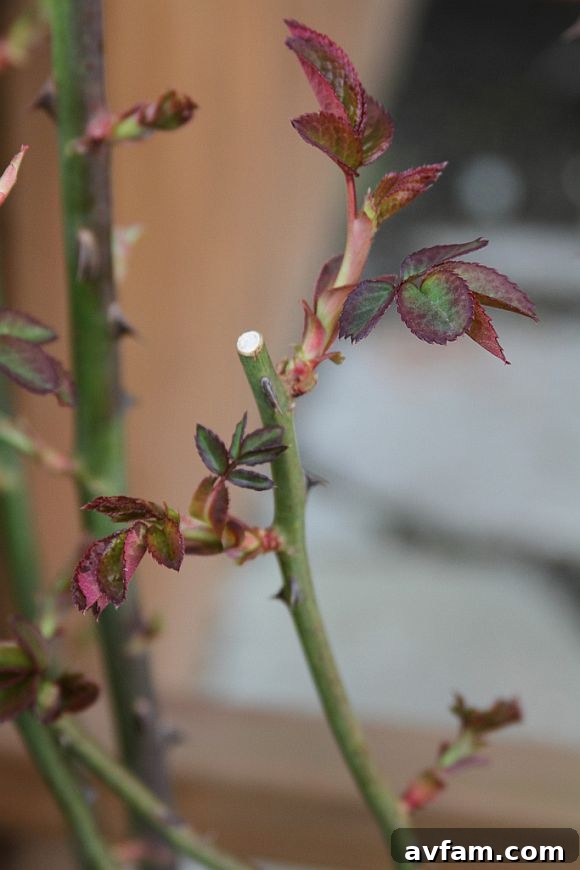
Why Pruning is Non-Negotiable for Garden Health
The act of pruning is more than just cutting; it’s a strategic intervention that supports a plant’s entire life cycle. As famously highlighted by the Texas A&M AgriLife Extension program, it is far better to leave a plant unpruned than to prune it incorrectly. Improper pruning can not only weaken a plant but also deform its natural shape, making it susceptible to diseases, pests, and environmental stress. Understanding the fundamental reasons behind pruning will empower you to make informed decisions for every cut.
1. Enhancing Plant Health and Vigor
One of the primary goals of pruning is to remove dead, diseased, or damaged branches. These compromised parts are not only unsightly but can also become entry points for pathogens and pests, potentially spreading infection throughout the entire plant. By systematically removing these elements, you improve air circulation within the plant’s canopy, reduce the risk of disease, and redirect the plant’s valuable energy resources towards healthy growth, flowering, and fruit production. This essential cleanup is often the first step in any pruning regimen and can dramatically improve a plant’s overall health.
2. Shaping and Structuring for Aesthetic Appeal and Functionality
Pruning allows you to guide a plant’s growth, maintaining its natural form or shaping it for specific purposes. Whether you’re aiming for a compact shrub, a neatly hedged border, or an espaliered fruit tree, strategic cuts can help achieve your desired aesthetic. For young trees, structural pruning is crucial for establishing a strong central leader and well-spaced scaffold branches, preventing future weak crotches or lopsided growth. For established shrubs, pruning can prevent them from becoming leggy or overgrown, ensuring a dense and attractive appearance. This thoughtful shaping creates a more harmonious and manageable landscape.
3. Boosting Flower and Fruit Production
For many flowering shrubs, perennials, and fruit-bearing plants, pruning is directly linked to increased yields and more vibrant blooms. By removing spent flowers (deadheading), you prevent the plant from putting energy into seed production, encouraging it to produce more flowers instead. For fruit trees, careful thinning of branches improves light penetration and air circulation, leading to larger, healthier fruits. Pruning at the right time can stimulate the development of new growth, which in turn bears more flowers or fruit, ensuring a bountiful harvest or a spectacular display of blossoms.
4. Ensuring Safety and Accessibility
Overhanging branches near walkways, driveways, or your home can pose significant safety hazards, especially during strong winds or storms. Pruning these limbs prevents potential property damage or personal injury. Similarly, clearing pathways and creating appropriate clearances around structures or utility lines are critical aspects of safety pruning. A well-pruned landscape is not only beautiful but also safer and more accessible for everyone.
The Core Philosophy of Pruning: Directing Plant Energy
As horticultural experts Douglas Welsh and Everette Janne wisely articulate, “Remember that pruning is the removal or reduction of certain plant parts that are not required, that are no longer effective, or that are of no use to the plant.” This fundamental principle underscores the purpose of every cut. By removing these superfluous or detrimental parts, you are essentially reallocating the plant’s finite energy resources. This redirection of energy is key to stimulating stronger growth in desired areas, encouraging the development of more flowers and fruits, and promoting robust, healthy limbs that remain on the plant.
Think of it as an energy management strategy for your garden. Every leaf, stem, and flower requires energy to grow and thrive. When a plant expends energy on dead wood, weak growth, or an excessive number of shoots, it depletes its reserves from areas where that energy could be put to better use. Pruning intervenes in this process, optimizing the plant’s natural drive for survival and reproduction by focusing its power on parts that contribute to its overall health and the gardener’s objectives.
Essential Pruning Tips for Success
Approaching pruning with a clear strategy and the right techniques will make all the difference. Here are detailed tips to guide your hand and ensure effective, beneficial pruning:
1. Plan Before You Cut: The Strategic Approach
Before making a single cut, step back and observe your plant. Consider its overall health, natural shape, and your specific goals. Do you want to reduce its size, encourage flowering, or remove damaged branches? Visualize the outcome of your pruning. This preliminary assessment will help you determine the type and number of cuts needed, ultimately reducing wasted effort and preventing unnecessary removal of healthy growth. Knowing your plant species and its specific pruning requirements is also vital. Research if it flowers on old wood or new wood, as this dictates timing.
2. Prioritize the “3 D’s”: Dead, Diseased, and Damaged Limbs
Your first cuts should always target branches that are dead, diseased, or damaged. These branches are liabilities, serving no productive purpose and potentially harboring pests or infections. Dead wood is typically brittle and lacks foliage. Diseased branches may show discoloration, cankers, or unusual growth. Damaged limbs might be broken, split, or rubbing against other branches. Removing these items often significantly reduces the plant’s volume and can sometimes be the only pruning required to restore health and structure.
3. Respect the Plant’s Natural Shape and Growth Habit
The most successful pruning mimics and enhances a plant’s inherent form. Avoid shearing deciduous shrubs into unnatural geometric shapes, which can lead to dense outer growth and sparse interiors. Instead, aim to thin out branches selectively to maintain an open structure that allows light and air to penetrate. If you are unsure about a plant’s natural growth habit, take time to observe it, consult a local landscaping expert, or refer to reputable gardening guides. Understanding whether a plant naturally grows upright, spreading, or weeping will inform your cuts and lead to a more graceful and healthy outcome.
4. Timing is Crucial, But Flexible
While specific timing can vary by plant species and climate, general guidelines exist:
- Late Winter/Early Spring: This is generally the ideal time for most deciduous trees and shrubs. During dormancy, plants are less stressed, diseases are less active, and you can clearly see the plant’s structure without leaves. Pruning at this time encourages a flush of vigorous new growth once spring arrives.
- After Flowering: For spring-flowering shrubs (e.g., lilacs, forsythias), prune immediately after their blooms fade. This allows them to produce flowers on “old wood” for the following year.
- Summer Pruning: Can be used for minor shaping, removing water sprouts or suckers, or to slow down the growth of an overly vigorous branch. However, extensive summer pruning can stunt new growth or encourage unwanted late-season flushes that may not harden off before winter.
- Fall Pruning: Generally discouraged. Pruning in the fall can stimulate new, tender growth that is vulnerable to winter cold damage and disease entry. Emergency removal of hazardous branches is an exception.
As Welsh and Janne suggest, minor corrective pruning can be done at any time of year if immediate action is needed for plant health or safety, but adhering to the optimal seasonal windows yields the best results.
5. Make Clean, Proper Cuts
The way you make a cut profoundly impacts a plant’s ability to heal. Always use sharp, clean pruning tools to ensure precise cuts that minimize damage to plant tissues. Dull tools can tear or crush stems, creating ragged wounds that are slow to heal and invite disease. When removing a branch, make your cut just outside the branch collar—the swollen area where the branch joins the trunk or a larger limb. This collar contains specialized cells that aid in wound closure. Avoid flush cuts (too close to the trunk) or leaving stubs (too far from the trunk), as both can impede healing and create entry points for disease.
6. Don’t Over-Prune: The 25% Rule
Resist the temptation to remove too much plant material at once. A general rule of thumb for woody plants is to remove no more than 25% of the total canopy in a single year. Excessive pruning can severely stress a plant, reducing its vigor, making it susceptible to pests and diseases, and potentially leading to erratic growth or even death. Gradual, thoughtful pruning over several seasons is always preferable to drastic reductions.
When to Seek Professional Help
While many pruning tasks are manageable for the average homeowner, some situations warrant the expertise of a certified arborist or professional landscaper. This includes pruning large, mature trees, dealing with branches near power lines, removing hazardous limbs that require specialized equipment, or when you’re unsure about the specific needs of a rare or valuable plant. Professionals have the knowledge, tools, and insurance to handle complex pruning safely and effectively, ensuring the long-term health of your larger landscape investments.
Embrace Your Green Thumb
Pruning is an ongoing dialogue with your garden, a practice that evolves with the seasons and the growth of your plants. By understanding its fundamental principles, prioritizing plant health, and applying thoughtful techniques, you can transform your outdoor space into a sanctuary of beauty and vitality. We encourage you to observe your plants closely, learn their unique needs, and approach each cut with purpose.
Do you regularly prune your yard’s landscaping, or do you prefer a more natural, untamed growth? What are your favorite pruning tools, or perhaps a secret tip you’ve learned along your gardening journey? Share your insights and experiences; we’d love to hear any additional pruning tips from fellow green thumbs!
Photo: Flickr.com/bob_jenkins