
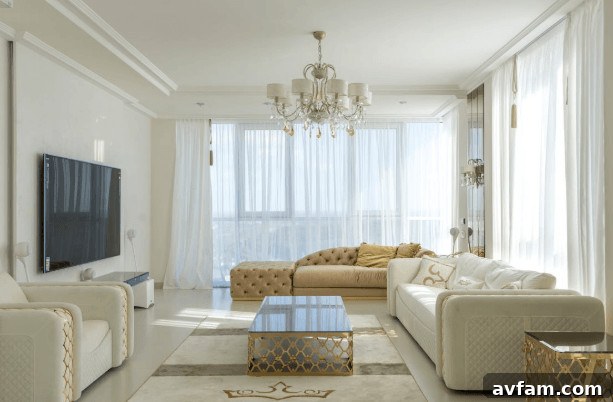
Your home is more than just a place to live; it’s a profound expression of who you are, a sanctuary that should mirror your unique values, passions, and sense of style. While many homeowners instinctively turn to furniture, carpets, or cupboards for personalization, a truly sophisticated and deeply personal transformation often begins with something far more profound: investing in fine art. Hanging carefully selected pieces on your walls is one of the most effective and elegant ways to infuse your living space with character, creating a unique haven of beauty, intrigue, and relaxation that truly speaks to your soul.
For those in pursuit of that singular item to breathe life into their interiors, to forge an environment that is distinctly their own, consider exploring the vibrant world of fine art. For instance, if you are looking to buy fine art in Wilton Manors, FL, you’ll discover a wealth of options that can elevate your home’s aesthetic from ordinary to extraordinary. With a diverse array of art mediums available, you can either cultivate a collection around a specific theme that resonates with you or simply acquire pieces that evoke an immediate, personal connection. The right artwork has the remarkable power to redefine the entire ambiance of your home, making it a single, impactful upgrade with far-reaching effects.
Cultivating a Sophisticated Home: Elevating Your Living Spaces
Creating a home that feels cultured and thoughtfully curated is an aspiration for many, yet the path to achieving it can often seem daunting. It’s about more than just aesthetics; it’s about crafting an environment that tells a story, stimulates thought, and provides comfort. Here, we delve into key strategies to transform your home into a sophisticated sanctuary that reflects depth and discernment.
1. Embrace the Transformative Power of Fine Art
The notion of purchasing fine art can sometimes feel intimidating, leading many to shy away from collecting meaningful pieces due to uncertainty about how to begin. However, the world of art is far more accessible than often perceived, and its impact on a home’s atmosphere is unparalleled. Fine art elevates a space, adding a layer of depth, sophistication, and personal expression that mass-produced décor simply cannot replicate.
Numerous reputable galleries and experienced art dealers are eager to guide aspiring collectors. They can demystify the process, helping you navigate the vast array of choices – from oil paintings and watercolors to sculptures, photography, and mixed media installations. Whether you’re drawn to abstract expressionism, classical portraiture, contemporary landscapes, or avant-garde sculpture, professional guidance can help you discover pieces that not only align with your aesthetic preferences but also resonate with your personal narrative. A skilled art curator can offer invaluable assistance, not just in selecting pieces but also in advising on proper hanging techniques, optimal lighting, and long-term storage to preserve your investment.
Beyond mere decoration, fine art signals good taste and demonstrates a deliberate effort to create spaces imbued with a certain feeling or message. It serves as a visual focal point, sparking engaging discussions and deeper conversations among guests. Imagine a stunning canvas or a thought-provoking sculpture becoming the centerpiece of your living room, inviting contemplation and dialogue. Each piece you acquire becomes a chapter in your home’s story, reflecting your intellect, your passions, and your journey.
2. Invest in Enduring Quality Furniture
In an age of rapid consumption, the temptation to opt for standard, mass-produced furniture can be strong. However, succumbing to this can inadvertently diminish the overall aesthetic and comfort of your home. Low-quality furniture often lacks durability, comfort, and timeless appeal, quickly making a space feel drab or unremarkable. The subtle discomfort of poorly constructed chairs or the quick wear-and-tear of a cheaply made sofa can significantly detract from your home’s welcoming vibe, regardless of its color scheme.
Investing in quality furniture is a foundational step in cultivating a sophisticated home. Well-crafted pieces, often made from durable materials with superior craftsmanship, offer exceptional comfort and longevity. They are designed to withstand the test of time, both in terms of physical integrity and aesthetic relevance. Quality furniture pieces are not just functional items; they are foundational elements that anchor a room, providing both beauty and ergonomic support. When guests visit, the comfort and robust feel of your furnishings subtly communicate your care for their experience, fostering an atmosphere of genuine hospitality and thoughtful design. This commitment to quality contributes to a cohesive and enduring interior design that feels both luxurious and lived-in.
3. Cultivate Timeless Style, Not Transient Trends
While keeping an eye on the latest design and decoration trends can be enjoyable and inspiring, blindly chasing every new fad can be detrimental to establishing a truly cultured home. Trends are, by their very nature, fleeting. What is fashionable today may feel dated and outmoded tomorrow, leading to a fragmented and often costly cycle of redecoration.
A cultured home is characterized by a sense of enduring style, built upon tried-and-true design principles rather than fleeting novelties. This doesn’t mean your home needs to be devoid of personality or contemporary elements; rather, it suggests a thoughtful integration of classic aesthetics with personal touches. Focus on foundational pieces with timeless appeal – clean lines, quality materials, and versatile color palettes. Resist the urge to jump on every bandwagon. Instead, discern what truly resonates with your personal taste and aligns with your home’s overall architectural style. Every component of your home should contribute to a coherent narrative. An indiscriminate adoption of disparate trends can result in a space that feels accidental, lacking a cohesive identity and a sophisticated flow, ultimately undermining the very culture you aim to create.
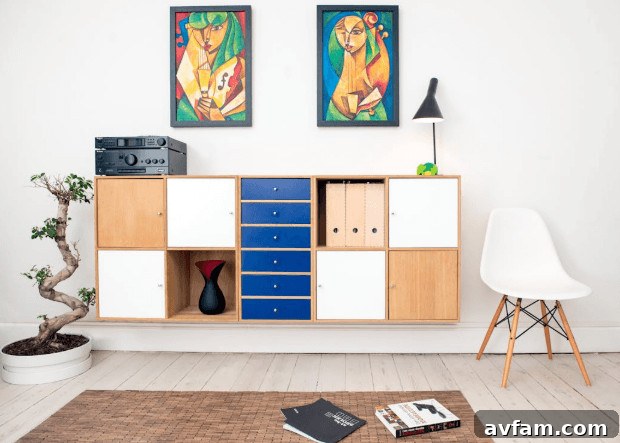
4. Design with Hospitality and Visitors in Mind
When curating your home’s interior spaces, it’s essential to consider the experience of your guests. A truly cultured home is not just beautiful for its inhabitants but also profoundly welcoming for visitors. You want people to feel not only invited but also genuinely comfortable, as if they are in a cherished second home during their visit. This thoughtful approach to hospitality subtly enhances your home’s cultivated feel.
Do not overlook the needs and comforts of guests when planning renovations or upgrades. This means ensuring comfortable seating arrangements that encourage conversation, providing clear pathways for easy movement, and perhaps even dedicating a well-appointed guest room or bathroom. Consider the small details: easily accessible refreshments, ample soft lighting, and perhaps even a thoughtfully curated selection of books or magazines. A home that prioritizes guest comfort demonstrates an innate understanding of gracious living and makes every visit a pleasant experience. By actively thinking about the journey and comfort of those who enter your property, you naturally design a home that is more refined, considerate, and ultimately, more cultured.
5. Master the Art of Color Harmony
Color is a powerful tool in interior design, capable of transforming mood and perception. While a vibrant home can be delightful, a haphazard use of color can create jarring, chaotic spaces that undermine a cultured aesthetic. The secret to a sophisticated interior often lies in mastering color harmony and maintaining a consistent theme throughout the main areas of your home.
Instead of an explosion of disparate hues, aim for a cohesive color palette that flows seamlessly from one room to the next. This doesn’t mean every room must be the same color, but rather that the colors should complement each other, creating a sense of unity and tranquility. Consider using a neutral base palette – creams, grays, whites, or subtle earth tones – as a calming backdrop, then introduce accent colors through artwork, textiles, and decorative objects. If you desire unique or themed areas, perhaps for a private study, a vibrant playroom, or a bold powder room, confine these more eclectic expressions to secondary spaces that are not at the very front or center of the house. Cultured and collected spaces avoid visual chaos; they are meticulously planned to combine themes and colors in a harmonious, rather than overwhelming, manner. By keeping this principle in mind, you can create a home where every color choice contributes to an elegant and refined atmosphere.
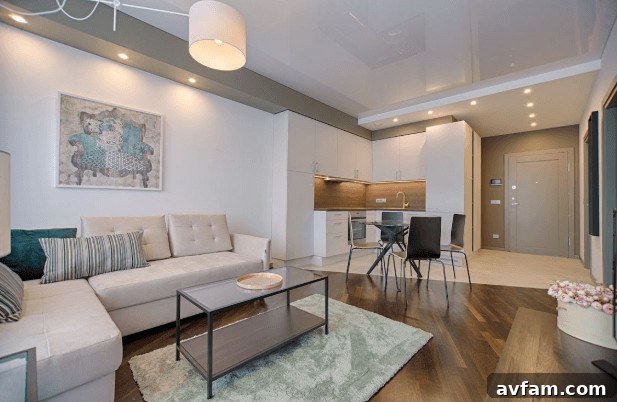
6. The Subtle Impact of Thoughtful Lighting
Beyond color and furniture, lighting plays an indispensable role in shaping the atmosphere of a cultured home. Often underestimated, thoughtful lighting can transform a space, highlight architectural features, and accentuate your art collection. Relying solely on overhead ambient lighting can make a room feel flat and uninviting. Instead, embrace the concept of layered lighting.
Layered lighting involves incorporating three types of light: ambient (general illumination), task (for specific activities like reading or cooking), and accent (to highlight focal points such as artwork, sculptures, or architectural details). Decorative light fixtures themselves can serve as sculptural elements, adding another layer of sophistication to your design. Think about the warmth of a dimmer-controlled lamp, the directional glow of a spotlight on a cherished painting, or the soft luminescence of indirect lighting. Strategic lighting not only enhances visual comfort and functionality but also creates mood and drama, making your home feel more intimate, inviting, and truly polished. It’s an art form in itself, bringing depth and dimension to every corner of your cultivated space.
7. Curate Your Collection: Books and Meaningful Objects
A truly cultured home tells a story, and often, that story is conveyed through the objects you choose to display. Bookshelves filled with literary treasures, carefully arranged curios, and meaningful mementos are powerful indicators of an intellectual curiosity and a life lived with intention. These elements offer glimpses into your interests, travels, and personal history, adding layers of personality and warmth that mere decoration cannot achieve.
However, the key lies in curation, not accumulation. Avoid clutter; instead, focus on intentional displays. A well-organized bookshelf, perhaps with a mix of new and vintage titles, interspersed with small sculptures or framed photographs, can become a captivating focal point. Showcase objects collected during your travels, family heirlooms, or artisanal pieces that hold personal significance. Each item should have a purpose or a story, contributing to the overall narrative of your home. These curated collections transform your space from a generic dwelling into a dynamic repository of memories and aspirations, inviting guests to engage with your world on a deeper level.
8. Integrate Nature: The Serenity of Biophilic Design
Bringing elements of the natural world indoors is another powerful way to infuse your home with a sense of calm, vitality, and cultivated beauty. This approach, known as biophilic design, recognizes humanity’s innate connection to nature and seeks to incorporate natural forms, patterns, and materials into interior spaces. Beyond mere aesthetics, indoor plants and natural elements are proven to improve air quality, reduce stress, and enhance overall well-being.
Consider incorporating a variety of plants, from striking floor-standing specimens to delicate tabletop arrangements. Select pots and planters that complement your existing decor, treating them as sculptural elements themselves. Beyond living plants, introduce natural materials like wood, stone, and natural fibers (linen, cotton, wool) into your furniture, flooring, and textiles. Large windows that frame natural views, or even subtle artwork depicting landscapes, can further enhance this connection. By thoughtfully integrating nature, your home becomes a more tranquil, restorative, and sophisticated environment, fostering a deeper connection to the living world around us.
Crafting a Cultured Living Space: An Achievable Journey
If you’ve been contemplating how to elevate your home’s styling to embody more culture and collected sophistication, this comprehensive guide offers a clear roadmap. From the profound impact of adding exquisite fine art to the foundational importance of upgrading surfaces and furniture, you now have a multitude of strategies to create spaces that are not only welcoming and comfortable but also deeply enjoyable for both you and your visitors.
Fine art, in particular, possesses an unparalleled ability to spark conversations, evoke emotions, and create an immersive experience the moment someone steps into a room. When backed by tasteful theming, harmonious color choices, and a commitment to quality, your art collection becomes the soul of a cultured home. This thoughtful synergy helps to establish truly welcoming spaces that are a pleasure to inhabit, fostering an ambiance of refined comfort and intellectual stimulation.
Remember, there are countless ways to upgrade and improve a home’s living spaces. The key to lasting elegance lies in intentionality. Be sure to stick with specific, well-thought-out ideas and resist the allure of every fleeting new trend that emerges. Your goal is to create a home that feels cohesive and connected, where each room flows seamlessly into the next, telling a unified story as people move through the different environments. A cultured and collected home will stand out from the crowd, not because it is garish, awkwardly designed, or memorable for its disorganization, but precisely because it radiates an understated elegance, thoughtful design, and a profound reflection of its inhabitants.