
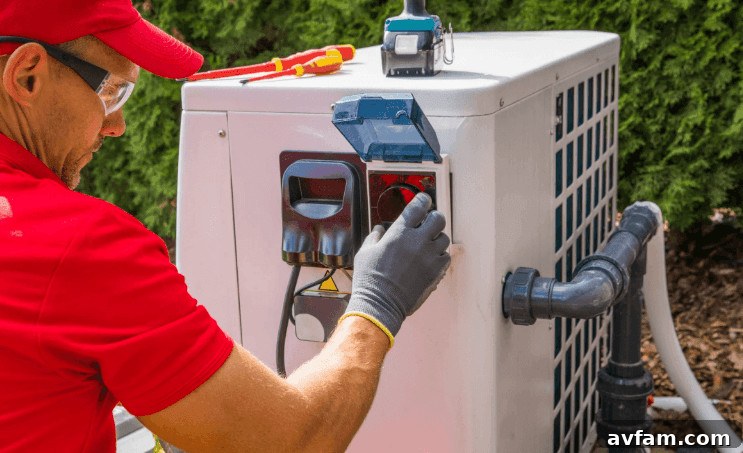
Your heating and cooling system is the hardest-working appliance in the home, and it’s easy to forget until it stops. Regular, simple maintenance keeps it efficient, quiet, and far less likely to fail on the hottest or coldest day of the year.
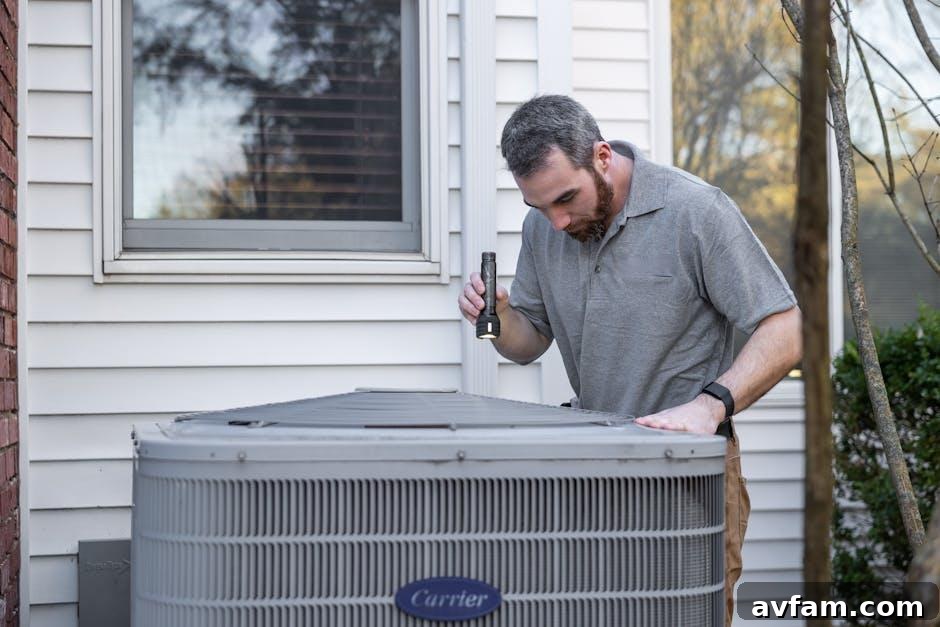
Photo by Kathleen Austin Kuhn on Pexels
Alt text: A technician servicing a home air conditioning unit
The key is knowing which tasks you can manage and which require a licensed professional. For larger jobs, hiring a qualified contractor is the safer choice. This guide explains which maintenance steps are DIY and which should be left to a pro.
Why HVAC Maintenance Matters
Neglect is expensive in three ways. A poorly maintained system runs harder, costs more to operate, and reaches the end of its useful life sooner. All three affect your budget.
Efficiency loss is subtle but costly. A clogged filter or dirty coil forces the system to work harder to provide the same comfort, quietly increasing energy bills over time.
Reliability is louder. HVAC systems often fail under peak load—on the coldest night or hottest afternoon—when contractors are busiest and emergency service is most expensive. Regular maintenance reduces the chance of emergency failures.
Finally, lifespan matters. Like other home equipment, a system that receives routine cleaning and service will generally last longer than one that is neglected. Replacing a prematurely failed unit is the most expensive outcome.
DIY vs Professional HVAC Tasks
The distinction is mostly about safety and refrigerant handling. Many maintenance tasks are homeowner-friendly, while some are off-limits without the right licensing. Typical examples include:
- Change filters (DIY). This is the single most important task—do it monthly or as recommended by the manufacturer.
- Clear the outdoor unit (DIY). Remove leaves, grass, and debris so airflow isn’t restricted.
- Check vents and registers (DIY). Make sure furniture or curtains aren’t blocking airflow.
- Refrigerant work (Pro). Handling refrigerant requires certification and proper equipment.
- Electrical and gas repairs (Pro). These carry safety and code implications and should be handled by a qualified technician.
Homeowner tasks focus on cleanliness and unobstructed airflow and can be done with basic tools. Tasks that involve refrigerant, gas lines, or wiring are regulated for safety reasons and should be left to licensed professionals.
How to Reduce Heating and Cooling Costs
Combining good habits with routine maintenance keeps comfort high and bills low. Some key points:
- Heating and cooling typically account for roughly half of a home’s energy bill.
- Replace air filters every 1 to 3 months for consistent performance.
- A clean filter can reduce HVAC energy use by as much as 15 percent.
- With proper care, a system commonly lasts 15 to 20 years.
These improvements add up over a year. A clean filter, sealed ducts, and a programmable thermostat can significantly lower energy use without sacrificing comfort. Simple habits—like setting the thermostat back 7–10 degrees while you’re away—also contribute to steady savings. Seasonal professional tune-ups further preserve efficiency.
When to Replace Instead of Repair
Replace a system when repair costs and declining performance make continued fixes uneconomical. Consider these signs:
| Sign | What It Suggests |
| Age over 15 years | System is nearing the end of its useful life |
| Rising energy bills | Efficiency is declining with age |
| Frequent repairs | Repair costs are accumulating |
| Uneven temperatures | System can no longer maintain consistent comfort |
| R-22 refrigerant | Older refrigerant type that is phased out and costly to service |
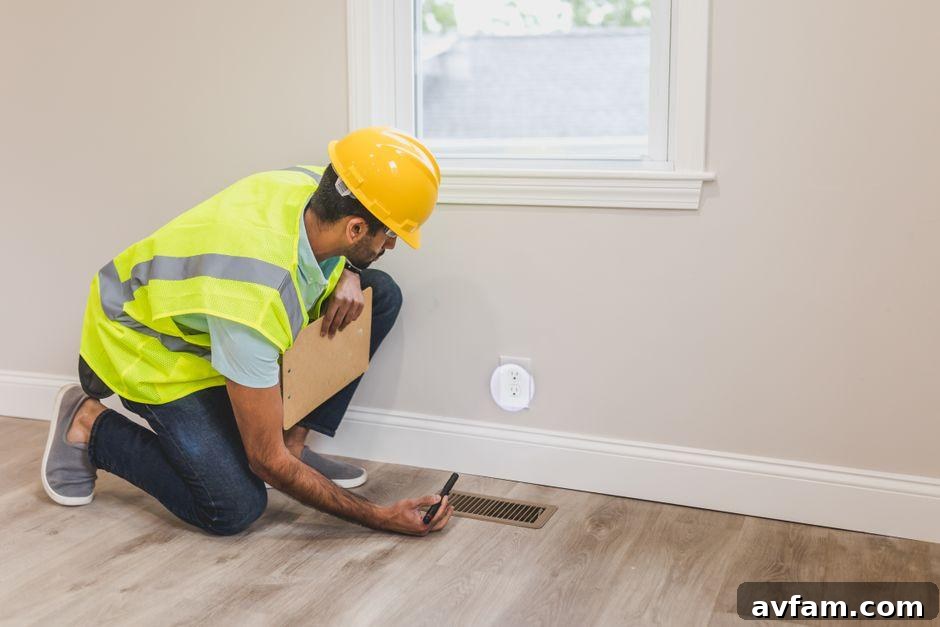
Photo by RDNE Stock project on Pexels
Alt text: A homeowner replacing an HVAC air filter
A single issue may only require a repair, but several of these signs together usually indicate replacement is the better choice—especially past the 15-year mark. A reputable contractor can assess repair costs versus the benefits of a new, more efficient system so you can make a clear, cost-based decision.
Simple Steps to Keep Your System Healthy
- Neglect increases bills, failure risk, and shortens equipment life.
- Regularly changing filters, maintaining airflow, and keeping the outdoor unit clear are easy homeowner tasks.
- Leave refrigerant, gas, and electrical work to licensed professionals.
- Heating and cooling account for roughly half of typical home energy use, so small improvements matter.
- When a system is old and experiencing frequent failures, replacement is often more economical than continuous repairs.
Comfort That Lasts
A little attention goes a long way. Handle straightforward maintenance yourself—change filters, clear debris, and keep vents open—and schedule seasonal professional tune-ups for more complex checks. By balancing DIY care with licensed contractor work when needed, you keep your home comfortable and your energy costs under control year-round.
Frequently Asked Questions
How Often Should I Service My HVAC System?
Have a professional tune the system once a year—ideally in autumn for heating and in spring for cooling. Between visits, change air filters every one to three months and keep the outdoor unit clear to catch issues early and maintain efficiency.
Can I Maintain My HVAC System Myself?
Yes for basic tasks: change filters, remove debris from the outdoor unit, and keep vents unblocked. No for refrigerant, gas line, or electrical work—those require a licensed technician for safety and code compliance.
How Long Does an HVAC System Last?
With regular maintenance, most systems last 15 to 20 years. Clean filters, timely repairs, and routine servicing extend life; neglect shortens it. When a system passes 15 years and needs frequent repairs, replacement is often the smarter financial choice.
How Can I Lower My Heating and Cooling Bills?
Begin with a clean filter, sealed ducts, and a programmable thermostat. Add seasonal professional tune-ups and use setback temperatures when you’re away. Because heating and cooling make up about half of a typical energy bill, these measures produce noticeable savings without sacrificing comfort.