
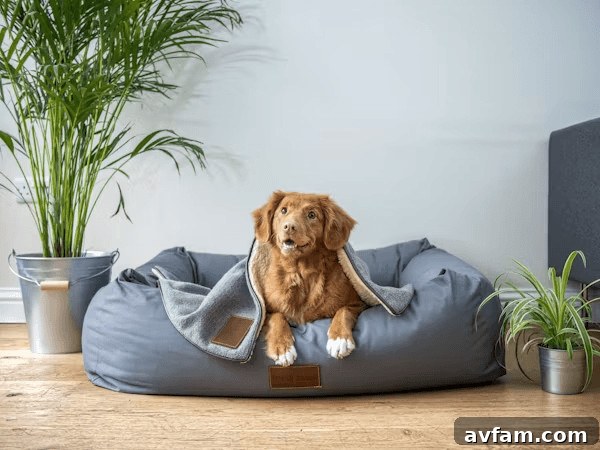
As pets age, everyday tasks that were once effortless can become harder. Stairs, slick floors, high furniture, and hard-to-reach food and water bowls may create unnecessary obstacles. Thoughtful, practical changes to your home can make it safer and more comfortable for a senior dog or cat, helping them move more easily and maintain quality of life.
Improve Flooring for Better Stability
Older pets often have reduced strength, flexibility, and coordination. Smooth surfaces like hardwood, tile, and laminate are attractive and durable, but they can be slippery and difficult for a pet with joint stiffness or weak hind legs.
Adding non-slip runners, area rugs, or traction pads along common routes provides secure footing and reduces the risk of falls. Place them where your pet walks most: hallways, the area around food and water bowls, and near favorite resting spots. Use rugs with a reliable, non-skid backing or add a non-slip underlay to keep them in place.
If you are renovating floors, choose materials with a bit more texture or matte finishes to improve grip. Keep floors clean and dry to prevent accidents; a quick wipe of spills and regular grooming to reduce loose fur can significantly improve traction.
Make Stairs and Entryways Easier to Navigate
Stairs are a common barrier for senior pets, particularly those with arthritis or balance issues. If climbing stairs is painful or risky, consider installing a secure ramp where feasible or limiting your pet’s access to upper levels.
Entryways are another priority: a low-profile mat can help pets get traction when they come inside, and good lighting makes steps and changes in flooring easier to see. Keep walkways free from shoes, bags, and other clutter so your pet has a clear path.
For animals with significant mobility limitations, creating a comfortable living area on a single level can reduce the need for stair use. Tailor your home so your pet can access essentials without frequent climbing.
Create a Comfortable Resting Area
Senior pets usually nap more and need supportive beds that reduce pressure on aching joints. Provide a plush orthopedic or memory-foam bed in a quiet part of the house that still allows your pet to feel included in family life.
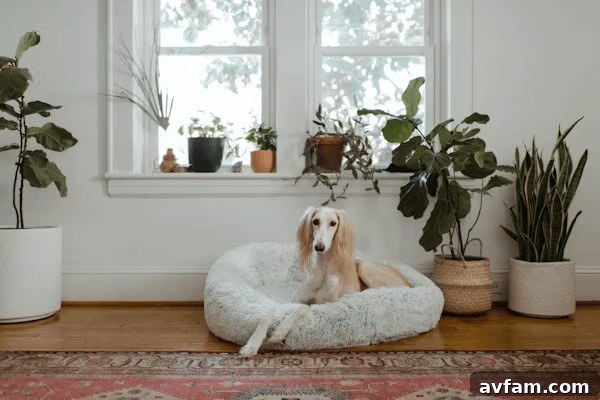
Place the bed away from cold drafts and direct heat, and avoid busy walkways. Make sure it is easy to reach without climbing over furniture or walking across slippery floors. As your pet’s needs evolve, keep an additional calm, familiar space available to help them adjust comfortably to each stage of aging.
Adjust Food and Water Stations
Bending down to eat or drink can be uncomfortable for older animals. Raising bowls to a comfortable height can ease strain on the neck and joints; the correct height depends on your pet’s size and mobility. Elevated feeders are widely available, or you can use a stable, low platform to lift bowls slightly.
Place bowls on stable, slip-resistant flooring and use a waterproof mat underneath to catch spills and protect the surface. Keep food and water stations on the same level as your pet’s primary living area to avoid unnecessary stairs or narrow passages.
Improve Lighting Around the Home
Aging pets can experience changes in vision, making dim or shadowed areas difficult to navigate. Brightening hallways, stairwells, and entryways helps pets distinguish steps and furniture and reduces disorientation.
Consider installing brighter bulbs in key fixtures, and use plug-in night lights or motion-activated lamps near beds, food stations, and doors to add visibility without major electrical work. Better lighting supports safer movement during day and night.
Keep Outdoor Areas Safe
Outdoor time remains beneficial for many older pets, but yards can present hazards like uneven walkways, cracked pavers, and exposed roots. Inspect and repair surfaces to reduce tripping risks, and ensure pathways are as smooth and level as possible.
A secure fence helps protect animals that move more slowly or become disoriented. Provide easily accessible water and a shaded resting spot. Check decks and porches for secure railings and non-slip stair treads, and perform routine maintenance to prevent small issues from becoming safety hazards.
Plan Improvements Around Your Pet’s Needs
You do not need a major renovation to make a meaningful difference. Start by observing how your pet moves through the home: note where they hesitate, slip, or struggle to reach favorite spots. Prioritize simple, targeted changes—better traction, easier access to essentials, a supportive bed, and improved lighting—that meet your pet’s current needs.
Small, practical adjustments can make daily life more comfortable and help senior pets continue enjoying familiar surroundings for as long as possible. By planning and adapting your environment, you can support your pet’s mobility, safety, and well-being through the later stages of life.