
Unlocking Ocean Wonders: The Ultimate Guide to Exploring Tide Pools Responsibly
The rhythmic dance of the ocean, an ancient ebb and flow, constantly reshapes our coastlines. With each retreating tide, a magical world is unveiled: the tide pool. These miniature marine ecosystems, pockets of seawater trapped amongst rocky shores, coral formations, and sandy depressions, offer a mesmerizing glimpse into the vibrant life beneath the waves. From the delicate sway of seaweeds and intricate corals to the scuttling movements of crabs, the vibrant hues of sea slugs, and the iconic embrace of sea stars, tide pools teem with an astonishing diversity of marine flora and fauna.
For many, exploring these natural aquariums is more than just a hobby; it’s an immersive experience that connects us directly with nature’s resilience and beauty. However, the delicate balance within these intertidal zones makes them incredibly fragile. The rock formations, coral reefs, and the organisms themselves are susceptible to damage from careless footsteps, human intrusion, or improper interaction. To ensure these captivating environments thrive for generations to come, responsible exploration is paramount. This comprehensive guide will equip you with the knowledge and ethical practices to maximize your fun while safeguarding the precious inhabitants of the tide pool.
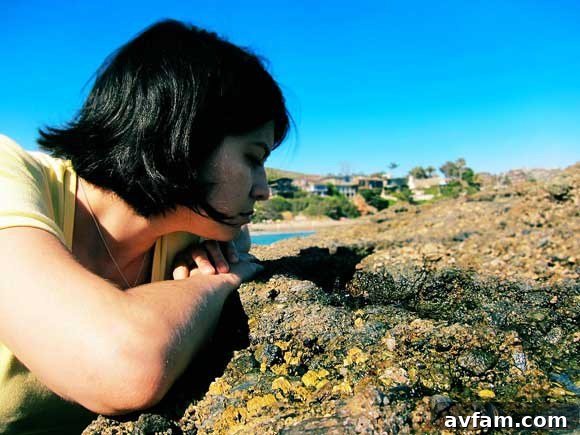
Understanding Tide Pool Ecosystems
Before embarking on your adventure, a basic understanding of tide pools and their ecological significance can greatly enhance your appreciation and reinforce responsible behavior. Tide pools form in the intertidal zone, the area of the shoreline that is submerged at high tide and exposed at low tide. As the tide recedes, water gets trapped in depressions, creating isolated pools. The organisms living here are masters of adaptation, capable of withstanding extreme fluctuations in temperature, salinity, and exposure to air and sun.
These miniature marine habitats act as vital nurseries for juvenile marine life, food sources for birds and other coastal creatures, and crucial biodiversity hotspots. Each rock, every patch of algae, and every crevice serves as a home or refuge. The intricate web of life, from microscopic plankton to larger invertebrates, is a testament to nature’s incredible ingenuity. Recognizing their importance is the first step towards becoming a conscientious tide pool explorer.
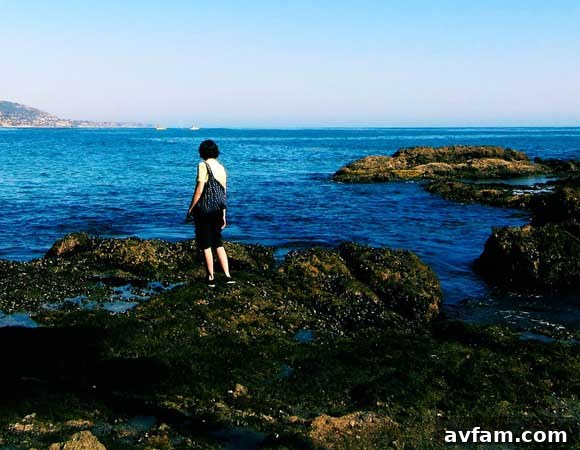
Planning Your Responsible Tide Pool Adventure
Preparation is key to a safe, enjoyable, and environmentally friendly tide pool experience. A well-planned trip minimizes risks and maximizes your chances of discovering incredible marine life.
Master the Tides with Tide Tables
The most crucial step in planning any tide pool visit is consulting a reliable tide table. These tables predict the times of high and low tides, essential information for both safety and optimal viewing. Low tide, particularly a “negative tide” (an exceptionally low tide), is when tide pools are most exposed and accessible. Plan to arrive at least an hour before the predicted low tide, giving you ample time to explore as the water recedes and to safely return before the incoming tide makes the area inaccessible or dangerous.
Websites and apps like Surfline (which also provides swell and direction info for nearby surf) or local NOAA resources are excellent tools. Always be aware of the tide’s schedule; getting cut off by an incoming tide can be a serious safety hazard.
Discovering Hidden Gems: Uncharted Tide Pools
While popular tide pools are fantastic, there’s a unique thrill in discovering a less-explored spot. Our friend Gregory Han shared an ingenious method for finding secret tide pools: using Google Maps. Scan the coastline for low-lying coastal areas with public beach access. Shallow water often appears as a lighter blue, and a tide pool will frequently have the dark, distinct outline of a reef or rock feature surrounded by this lighter water. This technique allows you to virtually scout potential locations, offering a sense of adventure even before you arrive. Remember to prioritize safety when exploring remote areas; inform someone of your plans and estimated return time.
Essential Gear for Enhanced Exploration
Having the right equipment not only ensures your comfort and safety but also supports responsible interaction with the environment.
Footwear: Your Foundation for Safety and Protection
The phrase “Tread Lightly” cannot be overemphasized when exploring tide pools. The surfaces can be incredibly slippery due to algae and seaweed, and sharp rocks or hidden shells pose a risk. Secure, closed-toe shoes with tough, non-slip outsoles are essential. Old sneakers, water shoes, or sturdy hiking sandals with good grip are ideal. Avoid flip-flops or flimsy sandals, which offer no protection or stability and can easily come off. Mindful walking, watching where you place your feet, is crucial not only for your safety but also for preventing accidental crushing of delicate marine life or damage to the fragile reef structures beneath.
Sun Protection: Shielding Yourself and the Environment
Tide pooling often involves extended periods in direct sunlight. Protecting your skin is vital. Apply sunscreen generously *before* you reach the tide pool area, ideally on the beach, to prevent any sunscreen from dripping or washing into the sensitive aquatic environment. Consider using mineral-based, “reef-safe” sunscreens, which avoid chemicals harmful to marine ecosystems. Additionally, wide-brimmed hats, sunglasses, and light, long-sleeved clothing offer excellent physical barriers against the sun’s rays, further reducing the need for excessive sunscreen application.
Tools for Enhanced Observation
While the naked eye reveals much, a few simple tools can unlock even deeper wonders:
- Magnifying Glass: Bring a small, waterproof magnifying glass. You’ll be astonished by the intricate details and miniature organisms that become visible – the tiny antennae of a shrimp, the delicate structure of an anemone’s tentacles, or the patterns on a snail’s shell. It’s like having a portable window into a micro-world.
- Wildlife Guidebook: A laminated, waterproof guidebook to local marine life is invaluable. Dive shops or nature centers often sell these. They help you identify the creatures you encounter, from specific species of sea stars and crabs to various types of algae and shellfish, enriching your understanding of the ecosystem. Knowing what you’re looking at deepens your appreciation and connection to the environment.
- Camera: Capture the beauty of the tide pool without disturbing it. A waterproof camera or a phone with a protective case allows you to document your discoveries and share the magic with others, promoting appreciation and conservation.
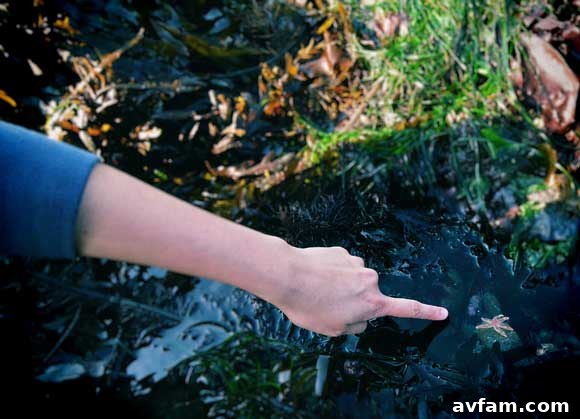
Ethical Tide Pooling: Leave No Trace, Take Only Memories
The core principle of responsible tide pooling is to minimize your impact and leave the environment exactly as you found it. This ethos protects the delicate balance of these unique habitats.
Observe, Don’t Disturb: The Golden Rule
The most important rule for tide pooling is to observe everything but touch nothing. Most wildlife organizations advocate for leaving tide pools completely undisturbed, and for good reason. Even a gentle touch can transfer oils from your skin, cause stress to an animal, or disrupt its natural behavior. Animals removed from their watery homes, even for a few seconds, experience severe stress and can quickly dehydrate or overheat, leading to their demise. If an animal is firmly attached to a rock, like a sea star or an anemone, attempting to remove it can cause irreparable damage. Appreciate the marine life from a respectful distance; your best tool for interaction is your eyes and a magnifying glass, not your hands.
Mind Your Steps: Protecting Fragile Habitats
Every step you take in a tide pool area has the potential to impact the ecosystem. Avoid walking directly on fragile organisms like corals, anemones, or sea urchins. Even stepping on seemingly empty rocks can crush camouflaged snails, crabs, or microscopic life. Whenever possible, walk on bare rock, sand, or areas with dense, robust seaweed where impact is less likely. Be mindful of your surroundings, moving slowly and deliberately. The health of the tide pool depends on your careful movements.
Safety First: Watch the Waves
While exploring tide pools, it’s easy to become engrossed in the wonders at your feet. However, never forget the power of the ocean. Rogue waves can unexpectedly sweep over tide pools, knocking you off balance, pulling you into deeper water, or causing injury against sharp rocks. Always keep an eye on the incoming ocean, periodically looking up and scanning the horizon. Be aware of your escape routes and always ensure you have a clear path back to higher ground, especially as the tide begins to turn.
Leave No Trace: Preserve the Pristine
The principles of “Leave No Trace” that apply to hiking and camping are equally vital for tide pooling. This means packing out everything you pack in, including all trash, food wrappers, and any personal items. Go a step further by refraining from taking “souvenirs” such as shells, rocks, or even small pieces of seaweed. These natural elements are integral parts of the ecosystem, providing shelter, food, or structure for other organisms. Leave nature untouched, allowing others to experience its raw beauty just as you did, and ensuring its health for future generations.
The Deeper Connection: Beyond the Sights
While the visual spectacle of tide pools is undeniable, remember to engage all your senses. Take a moment to simply breathe in the crisp, briny scent of the ocean air. Listen to the rhythmic crash of distant waves, the gentle lapping of water in the pools, and the calls of seabirds overhead. This holistic experience can be as amazing and enriching as the sights themselves, fostering a deeper connection to nature and a sense of peace. Tide pooling offers a unique opportunity for mindfulness, a chance to be fully present in an extraordinary natural setting.
By following these guidelines, you become not just an explorer, but a steward of these incredible marine environments. Your responsible actions help protect the delicate balance of tide pool ecosystems, ensuring that their magic endures for all who seek to unlock their ocean wonders.
photo: courtesy of Gregory Han