
Unlock Home Comfort: The Ultimate Guide to Attic Fans and Their Installation
Imagine stepping into your home on a sweltering summer day, only to find a refreshing oasis of cool air, even before your air conditioner kicks into high gear. This isn’t a pipe dream; it’s the everyday reality for homes equipped with an unsung hero of energy efficiency: the attic fan. Many of us, myself included, grew up in homes where an attic fan quietly worked its magic, significantly contributing to indoor comfort during peak summer months. It’s one of those brilliant inventions you don’t truly appreciate until it’s missing.
The good news is, if your home currently lacks this incredible asset, you’re not out of luck. Installing an attic fan is a highly achievable home improvement project, one that can dramatically transform your living environment. This comprehensive guide will delve into the myriad benefits of attic fans, explore the different types available, and provide a clear overview of the installation process, empowering you to make an informed decision about enhancing your home’s comfort and energy efficiency.
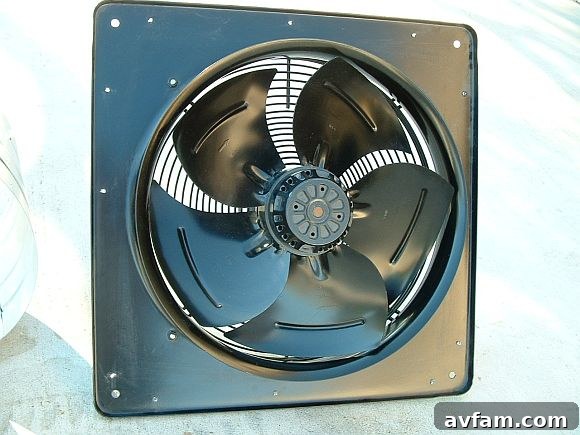
The Unsung Hero: Why Every Home Needs an Attic Fan
An attic fan is far more than just another appliance; it’s a strategic investment in your home’s long-term health, comfort, and financial efficiency. Its primary function is elegantly simple yet profoundly impactful: to expel superheated air from your attic, replacing it with cooler, ambient air. This continuous ventilation prevents a build-up of heat that can otherwise permeate your entire home. Let’s explore the core advantages:
Drastically Lower Your Utility Bills
During summer, the sun relentlessly beats down on your roof, heating your attic to extreme temperatures—often exceeding 150°F (65°C). This oven-like heat then radiates downwards, forcing your air conditioning system to work overtime, struggling against an invisible opponent. An attic fan breaks this cycle. By continuously drawing out the hot, stagnant air and replacing it with cooler outdoor air, it significantly reduces the heat load on your living space. This means your air conditioner won’t have to run as frequently or as intensely, translating into noticeable savings on your monthly electricity bills. Many homeowners report a reduction of 20-30% on their cooling costs, making the attic fan a true champion of energy efficiency.
Enhance Indoor Comfort All Year Round
Beyond the direct financial savings, an attic fan fundamentally improves the comfort within your home. Eliminating that oppressive ceiling heat makes rooms feel cooler and more consistent in temperature. But the benefits extend beyond just cooling. Attic fans also play a crucial role in managing humidity. Excess moisture trapped in the attic can lead to stuffiness throughout the house and contribute to issues like mold and mildew. By improving air circulation, an attic fan helps reduce this humidity, creating a fresher, healthier, and more pleasant indoor environment for you and your family. This improved air quality can even contribute to better sleep and overall well-being.
Extend Your Roof’s Lifespan
It might seem surprising, but an attic fan can significantly prolong the life of your roofing materials. The extreme heat and moisture trapped in an unventilated attic are detrimental to shingles, decking, and rafters. Intense heat can cause asphalt shingles to prematurely age, crack, warp, and become brittle, drastically shortening their lifespan. Furthermore, moisture condensation can lead to wood rot, delamination of plywood decking, and even contribute to the growth of destructive mold and mildew. By keeping the attic cooler and drier, an attic fan mitigates these damaging effects, protecting your roof from premature degradation and saving you from costly repairs or early roof replacement down the line. It’s a proactive measure that safeguards one of your home’s most vital components.
Improve Overall Air Quality and Reduce Structural Stress
Proper attic ventilation, facilitated by a fan, isn’t just about temperature; it’s about the air itself. Stagnant air in an attic can become a breeding ground for musty odors, mold spores, and even pest infestations. By consistently circulating air, an attic fan helps to flush out these undesirable elements, contributing to healthier air throughout your entire home. Moreover, the constant expansion and contraction of building materials due to extreme temperature fluctuations in an unventilated attic can put stress on your home’s structural components. Maintaining a more stable attic temperature reduces this stress, preserving the integrity of your home’s framework over time.
Understanding Attic Fan Types and Placement
When considering an attic fan, you’ll encounter a few primary types, each with its own installation considerations and benefits. The choice often comes down to your home’s existing structure and your comfort level with DIY projects.
Gable-Mounted Attic Fans
Gable-mounted fans are typically installed in existing gable vents (the triangular wall sections at the ends of your attic). They work by drawing air into the attic through soffit vents and exhausting it out through the gable vent. This type is often considered the easiest to install for DIY enthusiasts because it doesn’t require cutting into the roof shingles, which can be a daunting task for many homeowners. Instead, you’ll typically mount the fan directly behind the existing gable vent, securing it to the framing. This makes them a popular choice for their relative simplicity and reduced risk of roof leaks, which can be a concern with roof-mounted units.
Roof-Mounted Attic Fans
Roof-mounted fans are installed directly onto the roof surface, usually near the ridge or peak. They are designed to pull hot air from the highest point of the attic and expel it directly upwards. These fans are highly effective because heat naturally rises, and a roof-mounted fan captures this heat at its source. They are suitable for almost any attic design, particularly those without suitable gable vents or where maximum ventilation is desired. However, their installation is more complex as it involves cutting an opening in the roof deck and carefully flashing the unit to prevent water intrusion. This often necessitates working with shingles and ensuring a watertight seal, which might lead some homeowners to opt for professional installation.
Whole House Fans (A Brief Distinction)
It’s important to briefly differentiate attic fans from whole house fans, as the terms are sometimes confused. While both improve ventilation, a whole house fan is designed to cool the *entire living space* by drawing air from the conditioned areas of your home up into the attic and out through attic vents. This creates a powerful airflow that rapidly cools the house by replacing hot indoor air with cooler outdoor air. An attic fan, conversely, focuses solely on cooling the attic itself, preventing heat from transferring *down* into the living space. Both are valuable tools for home cooling, but they serve distinct purposes and are typically operated differently.
Is a DIY Attic Fan Installation Right for You?
Installing an attic fan can be a rewarding DIY project, potentially saving you the cost of professional labor. As hinted by resources like Popular Mechanics, the project can be quite accessible, with costs for the fan itself often around $100. However, before you roll up your sleeves, it’s crucial to assess your attic’s readiness and your own comfort level with electrical work and construction. For a full breakdown of the project, always consult detailed tutorials and, when in doubt, consider professional assistance.
Assessing Your Attic’s Readiness and Existing Ventilation
The first prerequisite is, naturally, an attic. Beyond that, the most critical factor is your attic’s existing ventilation system. An attic fan is an exhaust fan; it works by pulling hot air *out*. For it to work effectively, there must be an adequate supply of cooler air flowing *in* from outside. This “intake” air typically comes from soffit vents (located under the eaves of your roof) or sometimes from other types of passive vents. Popular Mechanics rightly emphasizes the importance of balanced ventilation: they recommend a minimum venting system have 1 square foot of roof vent area for every 300 square feet of attic area. If your attic lacks sufficient intake ventilation, simply installing an exhaust fan won’t be effective and could even draw conditioned air from your living space, wasting energy. Ensure your soffit vents are clear and unobstructed before proceeding.
Essential Tools and Materials
While the specific tools might vary slightly depending on whether you choose a gable or roof-mounted fan, a general list of what you’ll need includes:
- The attic fan unit (thermostatically controlled is highly recommended).
- Plywood or framing lumber for mounting (especially for gable fans).
- Electrical wiring, a junction box, wire connectors, and possibly a wall switch.
- Basic hand tools: screwdriver, utility knife, measuring tape, hammer.
- Power tools: drill, reciprocating saw or jigsaw (for cutting openings).
- Safety gear: work gloves, eye protection, dust mask, and a sturdy ladder.
- For roof-mounted fans: roofing cement, flashing, and tools for working with shingles.
A Simplified Installation Overview
This overview simplifies the process, and it’s essential to follow the specific instructions provided by your fan’s manufacturer and consult comprehensive guides for detailed steps. If you are not comfortable with electrical work, always hire a licensed electrician.
- Planning and Placement: Decide on the fan type (gable or roof) and its exact location. For gable fans, this is usually centered in an existing gable vent. For roof fans, choose a location away from obstructions and near the attic’s peak for optimal heat removal. Ensure there’s sufficient clearance around the fan.
- Preparing the Opening: For a gable fan, you might need to frame an opening in the wall behind the existing vent, then install a louvered shutter that opens when the fan runs. For a roof fan, carefully cut a circular or square opening in your roof deck according to the template provided by the manufacturer. This step requires precision and attention to detail, particularly with shingle removal and flashing.
- Mounting the Fan: Securely mount the fan unit. For gable fans, this often involves attaching the fan housing to a piece of plywood that is then framed into the attic opening. For roof fans, the fan’s base is fastened directly to the roof decking, and then carefully sealed with flashing and roofing cement to prevent leaks.
- Electrical Wiring: This is a crucial step. The fan will need a dedicated electrical circuit. Most attic fans come with a built-in thermostat (and often a humidistat) that automatically turns the fan on and off based on attic temperature. You’ll need to run appropriate gauge wiring from a power source (often an existing junction box or a new circuit from your electrical panel) to the fan. Always ensure the power is off at the breaker before working with electricity. If you’re unsure, consult or hire a qualified electrician for this part of the project.
- Sealing and Testing: Once the fan is mounted and wired, ensure all connections are secure, and any openings (especially on the roof) are thoroughly sealed against weather. Restore power and test the fan’s operation, checking that the thermostat functions correctly.
Maximizing Your Attic Fan’s Efficiency
To get the most out of your attic fan, proper operation is key. Set the thermostat to a temperature that effectively removes heat but isn’t so low that it runs constantly (e.g., between 90-105°F or 32-40°C). Remember that the fan’s primary role is to vent the attic, not directly cool your living space. Regularly check that your intake (soffit) vents remain clear of insulation or debris to ensure unobstructed airflow. Combining an attic fan with proper attic insulation creates a formidable barrier against heat transfer, significantly enhancing your home’s overall energy performance and comfort.
Embrace a Cooler, More Efficient Home
Attic fans are truly a powerful, yet often underestimated, tool in the battle against high energy bills and uncomfortable indoor temperatures. From extending the life of your roof to providing a haven of cool comfort, their benefits are far-reaching. While the installation may seem like a significant undertaking, with careful planning, the right tools, and a bit of DIY spirit, it’s a project many homeowners can successfully tackle, as detailed by resources like savenrg.com. If you’re seeking a smart, cost-effective way to improve your home’s comfort and energy footprint, considering an attic fan is an excellent place to start. It’s an investment that pays dividends in comfort, savings, and peace of mind for years to come.