
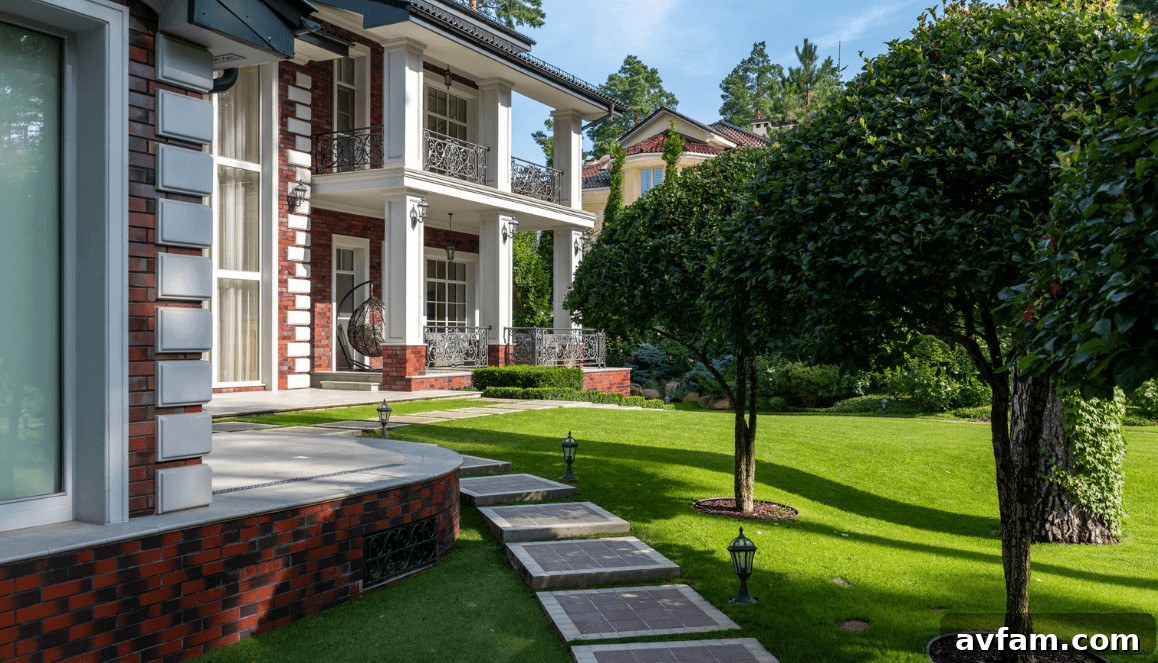
Transforming a backyard begins with a clear vision and smart choices. Stone features, paved walkways, and dedicated dining areas shape how homeowners use and enjoy their property across changing seasons and weather conditions.
Creating smooth movement between different areas makes a yard feel larger and far more functional. Thoughtful layouts convert underused patches of grass into inviting extensions of the home, improving flow and encouraging people to spend more time outdoors.
Mapping Out Your Outdoor Layout
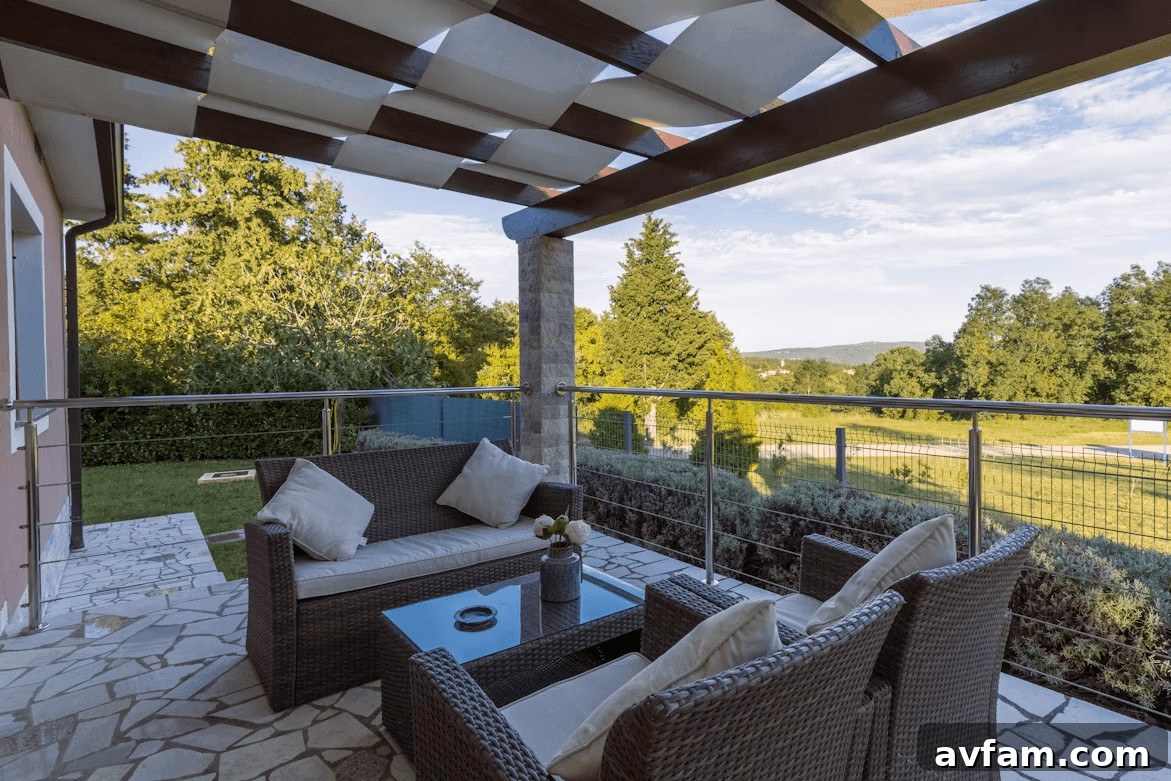
Effective layout design starts by observing how people move through the yard daily. Homeowners planning hardscaping often prioritize creating natural walking corridors between doorways, seating areas, and functional zones like grills or play spaces. Clear, intuitive connections prevent awkward foot traffic across open lawns and make the yard easier to use.
Before buying materials, draw simple site plans of the yard and mark where sun and shade fall throughout the day, as well as spots where water collects after rain. Mapping these conditions early reduces costly adjustments later and helps determine the best locations for patios, paths, and planting beds.
Consider how your household uses the outdoor spaces when sizing patios. For example, a dining table for six typically needs a flat area of at least 12 by 12 feet. Outdoor kitchens or built-in grills require extra clearance for safe circulation and service access.
Building Strong Foundations For Stone Features
Proper base preparation is essential for long-lasting patios and pathways. A compacted gravel base provides drainage and support so pavers remain level through freeze-thaw cycles. Skipping base work commonly leads to settling and uneven surfaces within a few seasons.
Work carefully around existing plants and trees, and limit heavy equipment traffic to designated paths to avoid damaging root systems and compacting soil near important plants. Compacting crushed stone in thin layers creates a dense foundation; topping that base with a thin layer of coarse sand sets a smooth bedding for pavers.
Slope and drainage are equally important. A gentle slope that directs water away from building foundations prevents standing water on hard surfaces. Check slopes during installation with a long level to ensure proper runoff away from structures.
Selecting Durable Materials For Walkways
Walkway materials range from natural flagstone to manufactured concrete pavers and crushed gravel. Natural stone offers varied colors and textures, while concrete pavers provide uniform thickness for simpler installation. Both perform well in high-traffic areas when installed over a solid gravel base.
Consider surface texture for safety, especially near pools or hose bibs. Smooth stone can become slippery when wet; textured surfaces improve traction during heavy rain. Common residential walkway options include:
- Natural flagstone for a rustic, organic look
- Interlocking concrete pavers for consistent, easy-to-repair paths
- Crushed gravel for budget-friendly, permeable surfaces
- Permeable paving systems to help manage stormwater runoff
Material costs vary by region and availability. Using locally sourced stone often lowers shipping costs and helps the landscape blend naturally with nearby terrain.
Integrating Living Features With Built Surfaces
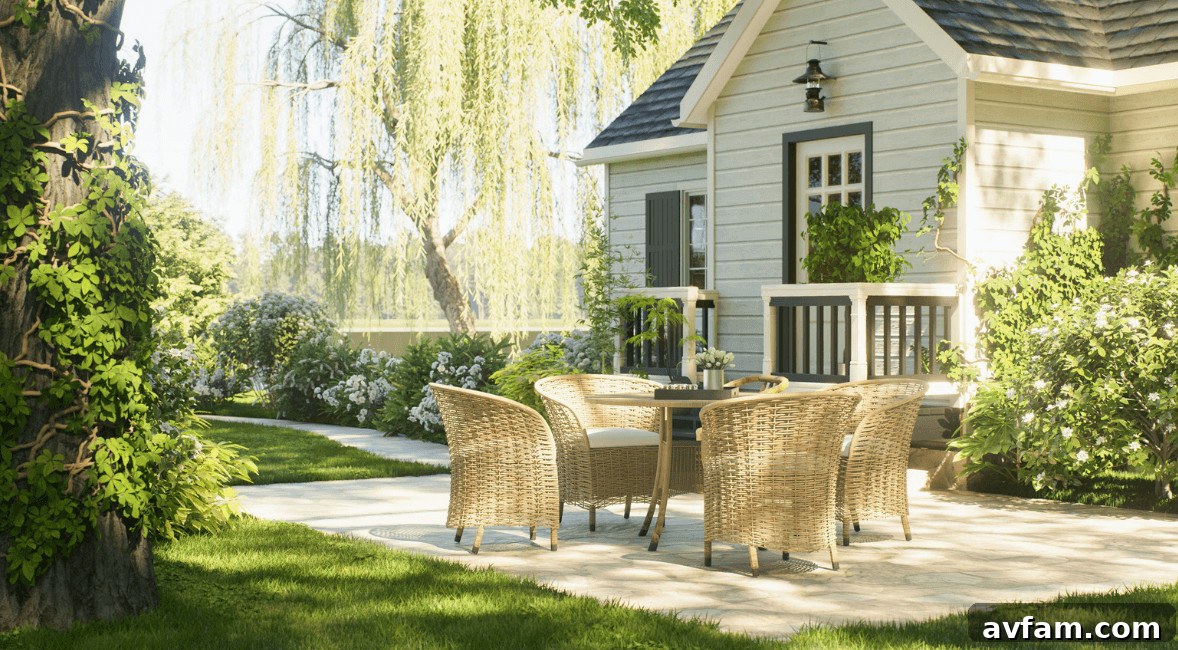
Hard surfaces look best when balanced with plantings. Deep green foliage and low shrubs soften edges around pavers and stone walls, creating a welcoming transition from built to natural areas. Perennials along patio edges frame the space, while low-growing groundcovers between stepping stones add greenery and suppress weeds.
Keep soil beds slightly lower than stone tops to avoid dirt spilling onto walkways, and use drip irrigation beneath gravel beds to water plants directly without wetting paver surfaces. Targeted irrigation reduces algae growth on stone and conserves water compared with overhead sprinklers.
Custom seating walls, integrated fire features, and defined garden borders help create cohesive outdoor living rooms that suit how families entertain and relax. Thoughtful plant placement and durable materials make these spaces comfortable and low maintenance.
Connecting Different Levels With Steps And Walls
Sloped yards benefit from careful grading and retaining walls to prevent erosion and create usable terraces. Engineered wall units and reinforced soil solutions provide stable, long-lasting support for level patios and planting areas. Wide treads and low risers make steps safe and comfortable to climb; consider lighting integrated into risers for nighttime visibility.
Freestanding walls can define zones while preserving sightlines across the yard. Low walls around patios serve as informal seating, and capped tops offer a convenient place for drinks or plates during gatherings.
Adding Purposeful Lighting Along Paths
Path lighting guides visitors safely without causing glare. Downward-facing fixtures illuminate stone treads and pavers directly, while low-voltage LED or solar options keep energy use minimal. Place lights to avoid dark gaps along walkways and position fixtures near steps to reduce tripping risks.
Installing fixtures within plant beds protects lenses from lawnmower damage. Run power lines in conduit below grade to prevent accidental cuts during gardening, and use timers or photocells to automate evening lighting for convenience and security.
Managing Water Runoff Around Built Features
Good drainage is essential for any stone project. Ensure finished grades slope away from buildings and use channel drains or slotted inlets where water tends to pool. Routing runoff into rain gardens or permeable beds helps keep water on site and supports plantings.
Joint sand or polymeric sand locks pavers together and reduces weed growth; refreshing joints periodically helps maintain stability. Combining sloped grading, proper base layers, channel drains, and permeable materials results in durable, functional stone features that perform well in wet weather.
With solid foundations, durable materials, and thoughtful layouts, stone patios and walkways can transform a plain yard into an inviting outdoor retreat for cooking, relaxing, and entertaining for many years.