
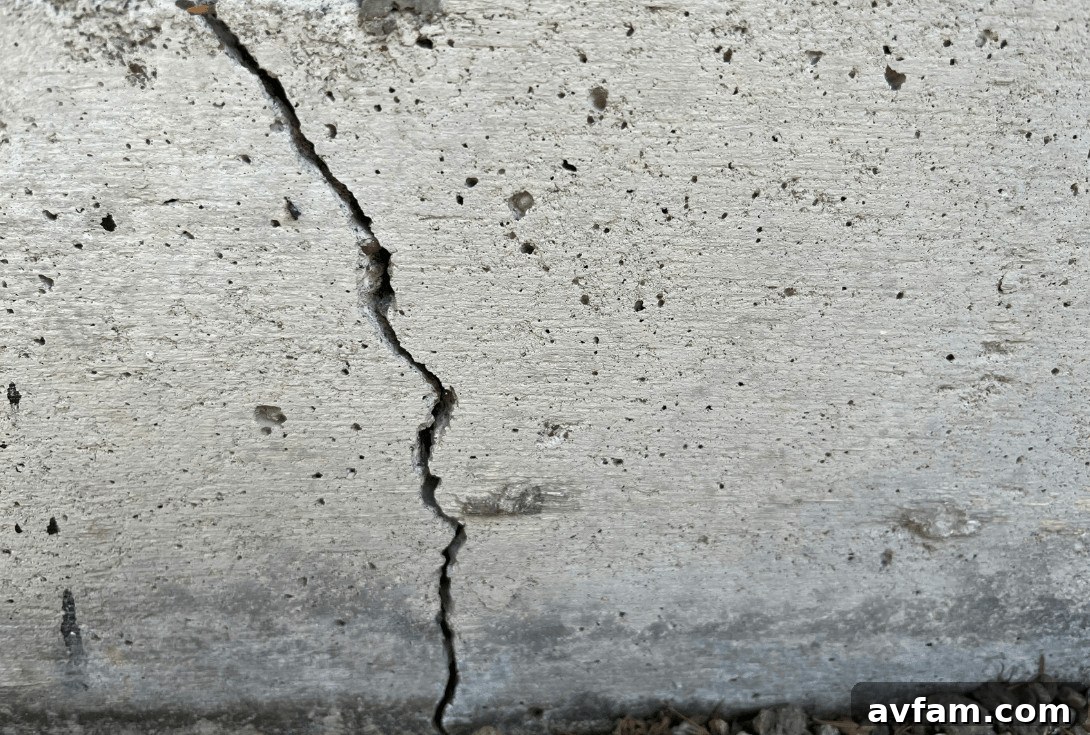
Few things alarm homeowners faster than discovering a crack in their foundation. Whether it’s a thin line across a basement wall or a fissure near a window, it’s natural to wonder whether it’s a cosmetic issue or the beginning of a more serious structural problem.
Not every crack signals a loss of structural integrity. Many foundations develop small, superficial cracks as concrete cures and the house settles. At the same time, some cracks do indicate movement beneath the home and should be evaluated sooner rather than later.
Understanding how to distinguish cosmetic cracks from structural ones helps homeowners avoid unnecessary repairs, prioritize maintenance, and address genuine problems before they become costly.
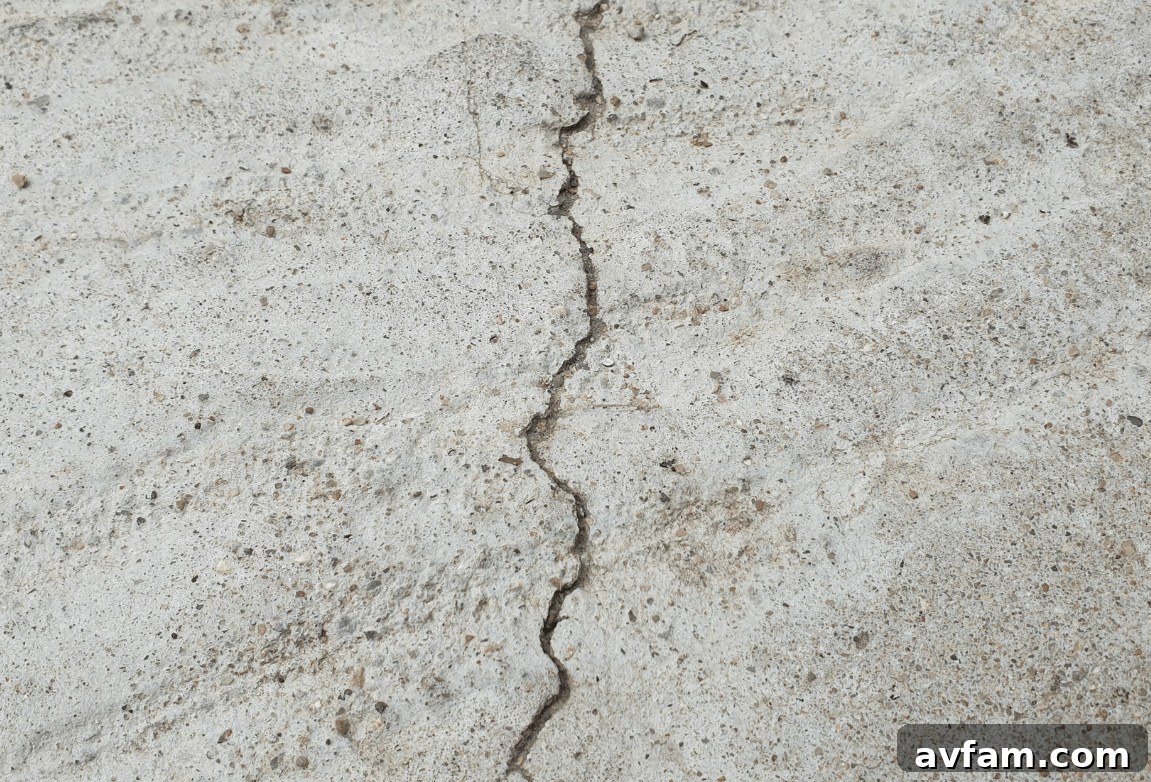
Why Foundation Cracks Occur
Concrete performs exceptionally well under compression, but it is not immune to movement and stress. Soil beneath a house expands and contracts as moisture levels change. Temperature shifts, seasonal freeze-thaw cycles, and normal settlement all exert pressure on a foundation.
During the first few years after construction, concrete commonly forms hairline cracks as it cures. These are often expected and not necessarily a sign of structural failure. The challenge is identifying when a crack is beyond typical aging and indicates active movement or pressure on the foundation.
Typical Features of Cosmetic Foundation Cracks
Cosmetic cracks tend to share several characteristics. They are usually very narrow—often less than the thickness of a credit card—and typically appear as straight vertical lines. They remain unchanged for long periods, do not cause walls to bow, and rarely allow water penetration.
Homeowners frequently notice these surface cracks while cleaning, painting, or finishing a basement. Although cosmetic cracks seldom threaten structural safety, monitoring them by taking periodic photographs and notes helps ensure they stay stable.
Warning Signs That a Crack May Be Structural
Certain cracks warrant closer attention because they may reflect broader foundation movement. A crack becomes increasingly concerning if it widens over time, changes shape, or appears with other signs of structural distress.
Key warning signs include:
- Cracks wider than about 1/4 inch
- Stair-step cracks in masonry walls
- Horizontal cracks running across foundation walls
- Bowing or bulging walls
- Doors and windows that suddenly stick or become difficult to open
- Uneven, sloping, or sagging floors
- Gaps forming between walls, ceilings, or trim
- Water entering through the crack after rain
While one warning sign alone may not confirm structural damage, several signs appearing together should prompt a professional evaluation.
Why Horizontal Cracks Are More Concerning
Vertical cracks often reflect normal settlement, but horizontal cracks typically indicate more serious conditions. Excessive moisture in the soil outside the foundation can create lateral pressure against basement walls. Over time, that pressure can cause walls to bend inward or lose stability.
If a horizontal crack widens or is accompanied by visible wall movement, delaying repairs increases the risk of severe, costly damage.
Stair-Step Cracks and Uneven Settlement
Brick, block, or stone walls sometimes show stair-step cracking that follows mortar joints. Small stair-step cracks can result from minor settlement, but larger or expanding patterns often indicate uneven movement under different parts of the foundation.
When one area of the house settles more than another, stress transfers through the structure and becomes visible as masonry cracking. Regular monitoring is important because slow expansion often signals continuing movement.
Moisture Makes Foundation Problems Worse
Water is a primary contributor to foundation issues. Poor drainage, clogged gutters, overloaded downspouts, improper grading, and plumbing leaks increase moisture around the foundation. As soil soaks up water it swells; during dry periods it contracts. This cycle places repeated stress on foundations and raises the likelihood of cracking and movement.
Reducing excess moisture around the home—through proper drainage, gutter maintenance, and prompt plumbing repairs—is one of the most effective ways to lower future foundation risks.
Don’t Judge a Crack by Looks Alone
Appearance alone doesn’t determine whether a crack is harmless. Location, direction, depth, rate of change, and the condition of surrounding structural elements all matter.
A thin vertical crack that has remained unchanged for years may only need routine monitoring, while a similar crack that suddenly widens could indicate active movement. Experienced foundation specialists evaluate the whole structure rather than focusing solely on a single crack.
Monitoring Cracks Before Acting
Not every crack requires immediate repair. For small, likely cosmetic cracks, homeowners can document condition with clear photos, measurements, and date-stamped notes. Marking the crack’s ends with pencil or tape and checking it every few months helps determine whether it is growing.
If the crack stays stable and no other symptoms appear, it may reflect normal settlement. If it changes, new cracks emerge, or other warning signs develop, a timely professional assessment is recommended.
When to Seek Professional Assessment
Foundation problems rarely resolve on their own. Ignoring active movement lets minor issues become larger and more expensive to fix. Consider a professional inspection if:
- Cracks continue growing
- Water regularly enters through foundation walls
- Multiple cracks appear throughout the home
- Floors become uneven
- Basement walls begin bowing
- Doors and windows no longer operate normally
- New cracks appear after heavy rainfall or drought
Early intervention usually provides more repair options and can limit long-term costs.
Preventive Steps to Reduce Future Foundation Issues
While not all foundation problems are preventable, regular maintenance reduces unnecessary stress on the structure. Keep gutters clean, extend downspouts away from the foundation, grade soil to direct water away from the house, repair plumbing leaks promptly, and avoid heavy watering close to exterior walls. Be mindful of large trees planted near the home, as root systems can affect soil moisture over time.
Routine exterior inspections help homeowners identify drainage or grading issues before they damage the foundation.
Final Thoughts
Finding a crack in your foundation is not always a sign of catastrophic failure. Many small vertical cracks are simply part of a concrete foundation’s normal aging and can remain stable for decades. The important step is recognizing the warning signs that separate cosmetic cracks from those caused by active structural movement.
Watch for changes in crack width, horizontal or stair-step patterns, water intrusion, sticking doors, uneven floors, and bowing walls. By monitoring cracks, addressing drainage issues promptly, and seeking professional advice when warning signs appear, homeowners can protect their property’s value and long-term structural stability before minor issues turn into major repairs.