
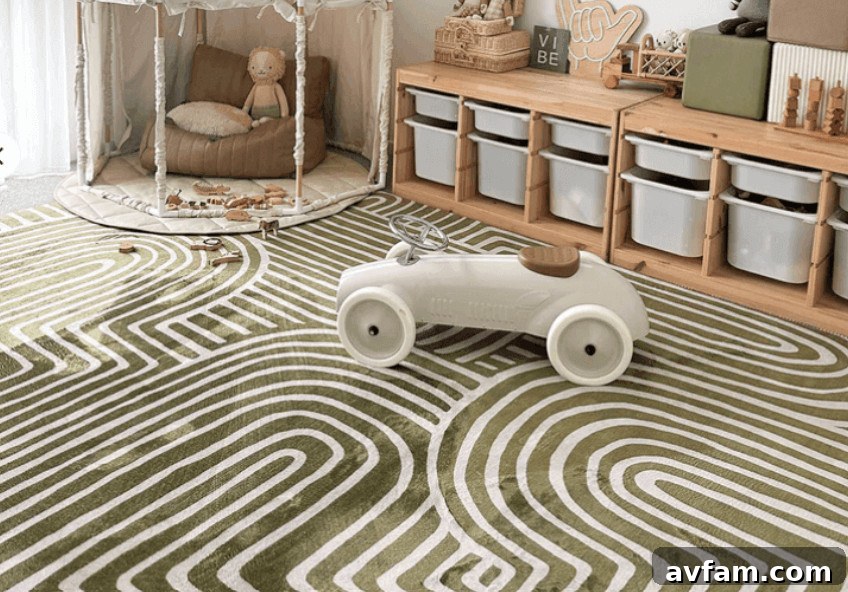
Designing a safe, attractive, and functional playroom requires more than pretty decor. Selecting the right baby play mat and playroom rug is a practical step that supports your child’s development while protecting floors and reducing the risk of bumps and scrapes. Well-chosen mats and rugs can define activity zones, add color and texture, and create a comfortable surface where your child can explore, learn, and play.
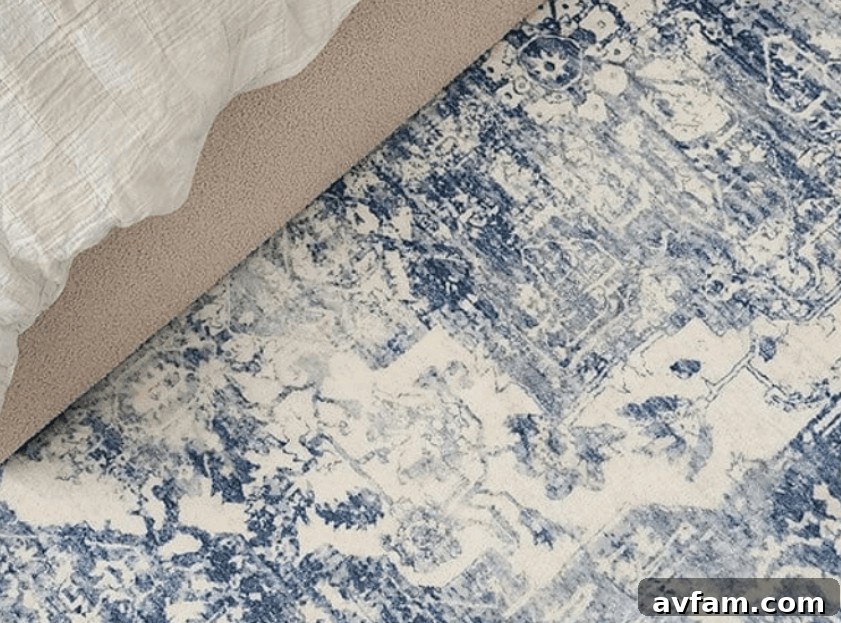
Benefits of Using a Premium Baby Play Mat in a Playroom
- Safety and cushioning for active play: Babies and toddlers spend hours crawling, rolling, standing, and learning to walk. A quality baby play mat provides impact absorption and a non-slip surface that helps prevent injuries on hard floors.
- Sensory stimulation and developmental support: Colorful patterns, varied textures, and printed shapes on a mat stimulate sight and touch, encouraging fine motor skills, hand-eye coordination, and early cognitive recognition.
- Hygiene and easy maintenance: Premium mats are often made from water-resistant or wipeable materials that resist stains and are simple to clean—important when spills, crumbs, and diaper changes are part of daily life.
Choosing the Right Play Mat for Your Playroom: Factors to Consider
- Material: Prioritize non-toxic, phthalate-free materials that are soft but durable. EVA foam, high-quality PVC alternatives, and other certified safe materials offer cushioning without compromising safety.
- Size and coverage: Measure your play area and choose a mat that provides enough space for toys and movement while fitting comfortably within the room. Larger formats work well for open playrooms; interlocking tiles allow flexible layouts.
- Design and educational value: Select patterns that appeal to your child and complement the room—alphabets, numbers, roads, or simple shapes can double as learning tools during everyday play.
Investing in the right play mat gives you a safer, more comfortable surface that supports your child’s exploration and growth. Consider durability and ease of cleaning to ensure the mat remains functional and attractive as your child grows.
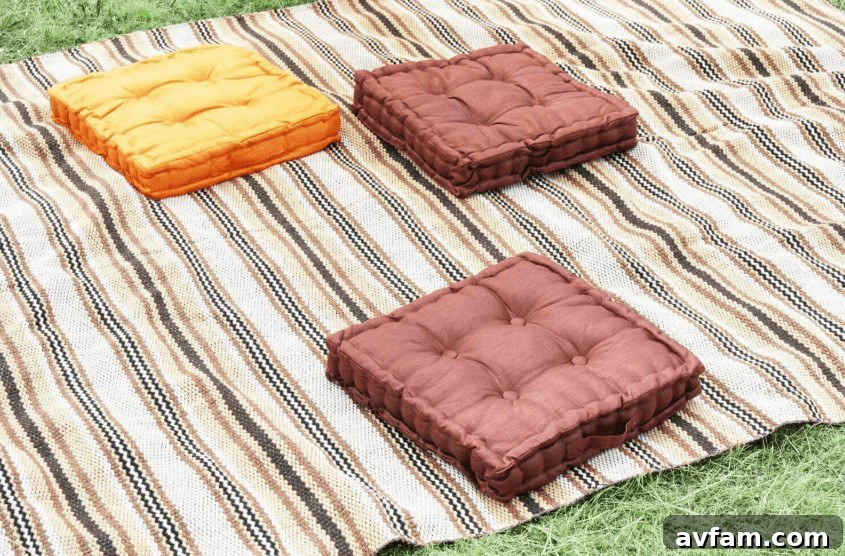
Incorporating a Playroom Rug in Your Child’s Space
A playroom rug can be both decorative and practical, creating warmth and defining play zones while offering additional cushioning. The right rug enhances aesthetics and supports long stretches of floor play comfortably.
- Visual interest through color and pattern: Rugs introduce color, texture, and theme into a child’s room. Whether you choose vibrant hues or muted tones, a rug helps reinforce the room’s personality and can be coordinated with bedding, storage, and wall art.
- Comfort for everyday play: Rugs soften hard surfaces, making floor time more comfortable for small hands and knees. A plush area under a reading nook or activity table encourages longer, more focused play sessions.
- Rugs as learning tools: Many playroom rugs feature letters, numbers, shapes, maps, or activity zones. These visual cues support informal learning during play and can be used for games that build language and numeracy skills.
Tips for Styling Your Colorful Interiors with Play Mats and Rugs
- Use contrasting colors: If walls and furniture are neutral, choose a rug or mat with bright accents to create a focal point and energize the room.
- Layer for texture and zoning: Layering a smaller colorful rug over a larger neutral base or using a mat on top of a rug can define activity areas and add depth to the layout.
- Consider size and shape: Round or oval rugs can soften corners in smaller rooms, while rectangular mats work well in larger or rectangular play areas. Match rug shape to the room’s flow and furniture placement.
- Mix patterns thoughtfully: Coordinate patterns with solid colors in textiles to avoid visual clutter. A balanced mix of prints and solids keeps the space playful without overwhelming the senses.
Thoughtful styling ensures that play mats and rugs are both beautiful and functional. Choose pieces that match your practical needs—easy cleaning, durability, and safety—while reflecting personal taste and encouraging imaginative play.
Conclusion
A well-chosen baby play mat and playroom rug transform a room into a safe, inviting, and developmentally supportive environment. These elements protect children as they explore, add visual interest, and can even serve as informal learning surfaces. With attention to material, size, and design, you can create a playroom that is both practical for caregivers and delightful for little ones.