

Home renovations can make your living space more comfortable, functional, and valuable—but costs often rise faster than expected. Whether you’re updating a bathroom, replacing flooring, adding storage, or planning a larger remodel, a clear budget helps you make better decisions before work begins.
Budgeting for renovations is not only about limiting spending. It’s about understanding the true cost of the project, prioritizing what matters, saving intentionally, and choosing payment methods that reduce financial stress. With a thoughtful plan, you can improve your home while keeping finances under control.
Start With a Clear Renovation Goal
Before you price materials or call contractors, define the renovation’s purpose. Are you addressing a safety issue, improving functionality, refreshing the look of a room, adding storage, boosting energy efficiency, or preparing the property for resale?
A clear goal helps you separate must-haves from nice-to-haves. For example, replacing damaged subflooring is a necessity, while choosing premium tile might be optional. If the goal is resale value, prioritize improvements that appeal to buyers; if it’s daily comfort, focus on how your household uses the space.
Clarifying the goal early also prevents scope creep, where a small project expands into many additional tasks. Defining the scope keeps small projects like a laundry room refresh from turning into a full-scale renovation unless you plan for it.
Research the Real Cost of the Project
Renovation costs vary widely based on location, material quality, labor availability, home age, and complexity. Start by researching typical cost ranges for similar projects and compare budget, mid-range, and premium options to set realistic expectations.
Look beyond obvious expenses. A bathroom remodel often includes demolition, tile, fixtures, plumbing, electrical work, permits, inspections, waterproofing, disposal fees, and cleanup. Flooring projects can require underlayment, trim, delivery fees, tool rentals, and removal of old materials.
If you plan to hire professionals, get multiple estimates from contractors or suppliers. Comparing quotes helps you understand what’s included and whether your budget is realistic. The cheapest bid isn’t always the best if it omits important details or quality assurances.
Create a Line-Item Budget
Break the budget into clear categories rather than listing a single total. Itemizing costs makes it easier to track spending and adjust when prices change.

Typical categories include materials, finishes, tools, equipment rentals, labor, permits, inspections, delivery, disposal, temporary storage, design fees, and cleanup. Also include a category for smaller supplies—fasteners, paint brushes, outlet covers, caulk, tape, blades, and protective gear—as these can add up quickly.
A line-item budget lets you see where to save and where to invest. For instance, you might choose a more economical vanity to allocate funds for better lighting or select mid-range flooring to allow for professional installation.
Decide What You Can DIY
DIY can be a smart way to save money if you have the skills, tools, and time. Tasks like painting, simple landscaping, swapping hardware, installing basic shelving, and cosmetic updates are often suitable for handy homeowners. Complex work—major electrical, plumbing, roofing, structural changes, gas-line work, or large tile installations—usually requires licensed professionals.
Be realistic about the cost of mistakes. A DIY job that seems cheaper can become more expensive if materials are wasted, repairs are required, or a professional must redo the work. Include tool purchases or rental costs in your budget; buying a saw, ladder, sander, or specialty tool affects the true cost of DIY work.
Start Saving Before Work Begins
Begin saving ahead of the project when possible. A dedicated home improvement fund reduces dependence on credit and avoids rushed financing. Set a monthly savings goal based on the estimated cost and your target start date.
Keeping renovation funds separate from everyday spending makes it easier to monitor what’s available. Many homeowners use a separate savings account for project funds and transfer money only when paying for materials or labor.
Before buying supplies or paying contractors, make sure funds are organized and accessible. Some people transfer savings into a checking account dedicated to project expenses to track deposits, invoices, emergency costs, and supply runs without mixing them with household bills.
Compare Payment Options Carefully
How you pay depends on project size, your savings, interest rates, and timing. Cash savings are often best for smaller projects because they avoid interest. Credit cards may work for minor purchases if you can pay the balance quickly; otherwise they can become costly.
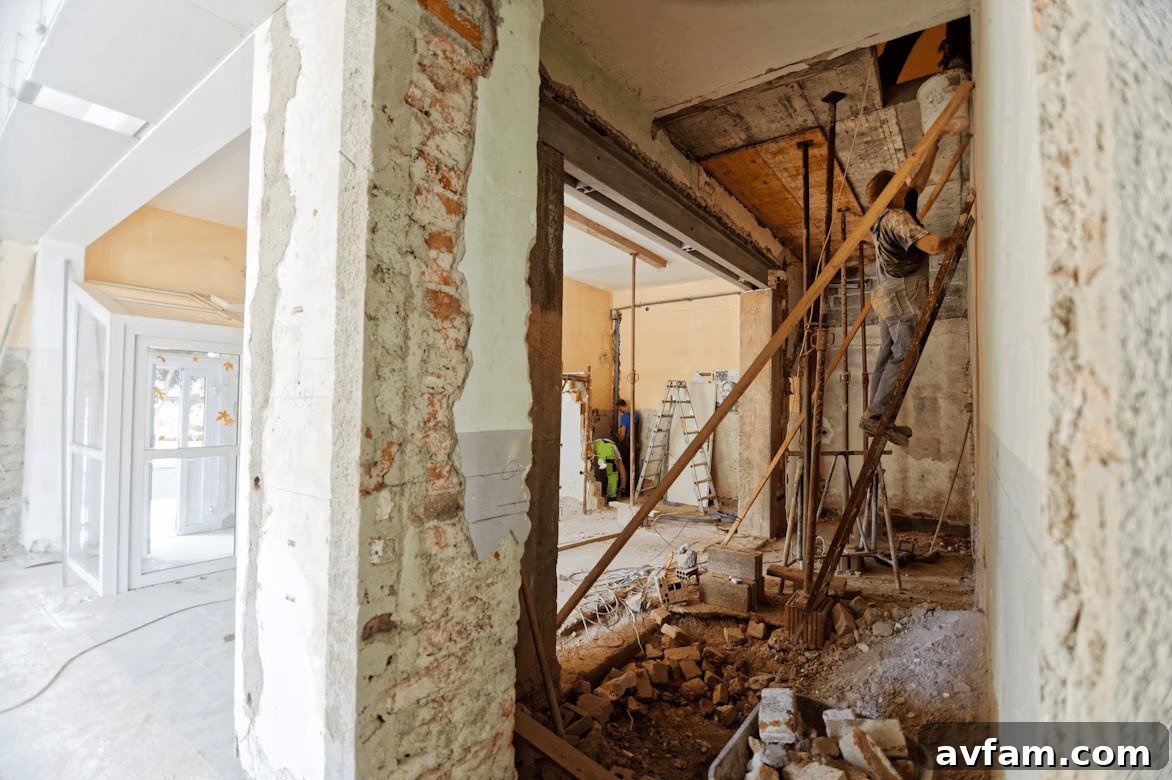
For larger renovations, consider personal loans, home equity loans, HELOCs, contractor financing, store financing, or cash-out refinancing. Each option has trade-offs: fixed versus variable rates, fees, and whether your home serves as collateral. Compare total cost, repayment terms, and risks before deciding.
Track Spending During the Project
Update your budget as the project progresses. Keep receipts, record every purchase, and compare actual spending to estimates. Even frequent small purchases can push a project over budget if not tracked.
Review the budget regularly while work is underway—weekly if possible. If one category overruns, identify areas to reduce spending. Active tracking helps you spot issues early instead of facing surprise costs at the end of the project.
Know When to Scale Back
If costs rise, adjust the plan and prioritize safety, functionality, and structural needs. Cosmetic upgrades and premium finishes can usually wait.
Phasing the renovation is another option: complete essential repairs now and return to decorative upgrades later. A smart renovation improves your home without creating long-term financial pressure.
Final Thoughts
Renovation budgeting combines vision with discipline. Define your goal, research costs, build a detailed line-item budget, save in advance, compare payment options, and track spending to reduce financial surprises.
A well-planned upgrade can enhance your home without causing lasting financial stress. The more prepared you are before work begins, the smoother the renovation will feel from start to finish.