
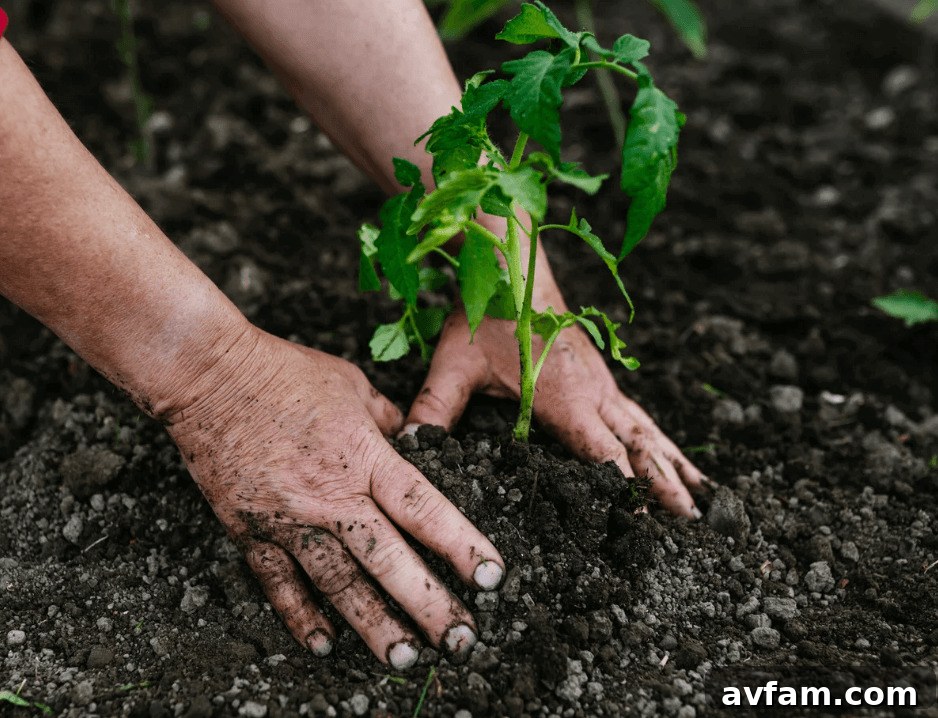
There’s an undeniable magic in the simple act of digging hands into earth, planting a tiny seed, and watching life unfold. For centuries, across countless cultures, gardening has been more than just a hobby or a means of sustenance; it’s a profound connection to the natural world. In our increasingly fast-paced, digitally dominated lives, the ancient wisdom of gardening is proving more relevant than ever. Modern science is now catching up to what seasoned gardeners have always intuitively known: cultivating a garden is a powerful, accessible pathway to profound mental and emotional well-being.
The Earth’s Embrace: Science-Backed Benefits for Your Mind
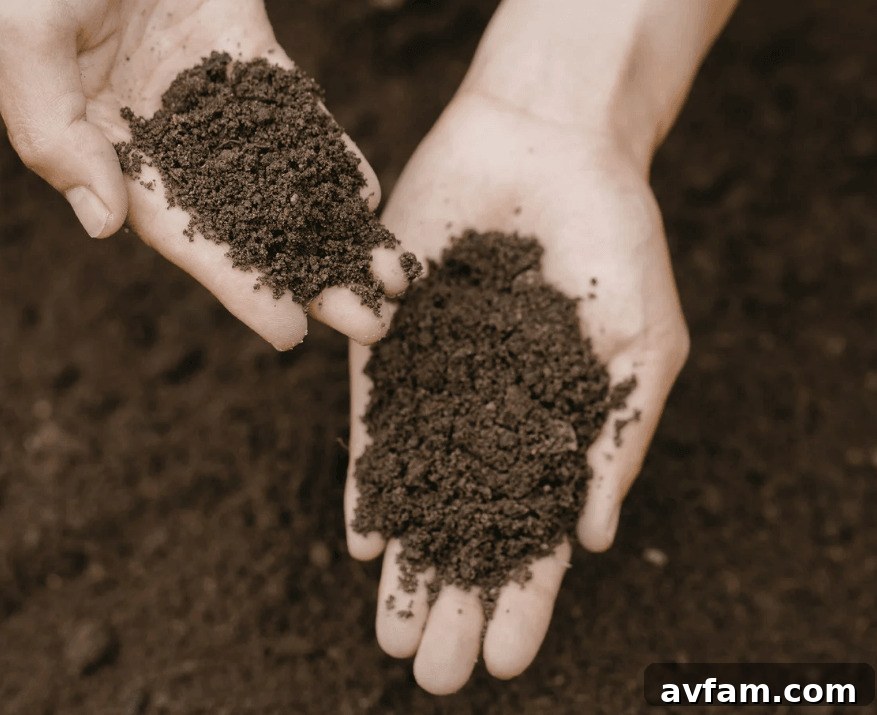
The notion that simply touching soil can elevate your mood might sound too simplistic, yet scientific research strongly supports it. Studies have revealed the presence of a naturally occurring bacterium in healthy soil, Mycobacterium vaccae. When inhaled or ingested (harmlessly, through contact with the soil), this microscopic ally triggers the release of serotonin in the brain. Serotonin, often referred to as the “feel-good” hormone, is a crucial neurotransmitter that regulates mood, sleep, and appetite. Its levels are frequently targeted by antidepressant medications, making the act of simply getting your hands dirty a surprisingly potent, natural mood booster.
Beyond this fascinating biological interaction, gardening inherently demands a deceleration of life. In a world saturated with constant notifications, endless to-do lists, and overwhelming noise, the deliberate actions of watering, weeding, pruning, or even just observing a budding flower compel a singular, quiet focus. This isn’t just a distraction from daily stressors; it’s an active practice of mindfulness. Mindfulness, the art of being fully present and aware of the current moment without judgment, is one of the most extensively researched and effective tools for mitigating anxiety, combating depressive thoughts, and enhancing overall psychological resilience. The repetitive, rhythmic tasks of gardening naturally draw you into this mindful state, quieting the incessant chatter of the mind.
Furthermore, spending time outdoors in your garden exposes you to natural light, which is vital for regulating your circadian rhythm and boosting Vitamin D production. Vitamin D deficiencies have been linked to various mood disorders, underscoring another subtle yet significant way gardening contributes to mental health. The fresh air, gentle exercise, and sensory engagement—the scent of damp earth, the vibrant colors of blossoms, the delicate texture of leaves—all combine to create a deeply restorative experience that recharges the mind and body.
Breaking the Cycle: Escaping Overthinking in the Garden
Mental health challenges often manifest as an inward spiral, trapping individuals in cycles of rumination. This destructive pattern involves replaying worries, dissecting past events, and anticipating worst-case scenarios, acting as a core feature of anxiety and depression. Gardening offers a powerful, organic circuit breaker for this loop. When your attention is fully absorbed in the tangible, immediate tasks of the garden – whether it’s carefully transplanting delicate seedlings, identifying an unwelcome pest, or puzzling over why your tomatoes aren’t thriving – your brain simply doesn’t have the mental bandwidth to entertain those spiraling negative thoughts. The garden presents real, physical problems that demand practical solutions.
This engagement shifts focus from abstract internal worries to concrete external challenges. Every successful cultivation, every weed pulled, every pest managed, and every plant brought back to health, no matter how small, contributes to a quiet but profound sense of accomplishment. Successfully tackling these minor garden dilemmas builds self-efficacy and confidence that subtly permeates into other aspects of life. It’s a tangible demonstration that your actions have an impact, countering feelings of helplessness that often accompany depressive states. The garden becomes a living classroom for resilience, teaching you that even when things don’t go perfectly, there’s always a way to learn, adapt, and try again.
As NorthCountyMulch.com in Escondido, CA, aptly states, the quality of your soil forms the fundamental basis for all growth. This philosophy extends far beyond the literal garden bed. Just as a plant requires a rich, supportive environment to flourish, so too do human beings. We need the right conditions to thrive: adequate rest, nourishing sustenance, meaningful connections, and a compelling sense of purpose. Gardening, through its very nature, has an extraordinary way of teaching and providing all these essential elements simultaneously. It underscores the importance of a strong foundation, patience, and consistent care – principles that are equally vital for personal well-being.
The Rhythm of Growth: Purpose, Progress, and Patience
One of the most frequently overlooked yet profoundly impactful aspects of sustained mental wellness is the presence of something to anticipate, a future to look forward to. Gardening delivers this vital ingredient in an abundance of small, consistent, and deeply satisfying doses. Each planted seed holds the promise of future life; every pruned branch invites new growth. From the initial sprout pushing through the soil to the first vibrant bloom or the ripening of a fruit, every stage of a plant’s development offers a tangible, visual reward for your dedicated effort and presence.
This inherent rhythm of cause and effect – consistent effort leading to visible, tangible results – is profoundly gratifying to the human psyche. It directly confronts the pervasive sense of helplessness and futility that often accompanies depression, where individuals might feel “nothing I do matters.” In the garden, this narrative is powerfully replaced by undeniable proof: care produces change, effort yields growth. You can literally see, touch, and often taste the fruits (or vegetables, or flowers) of your labor. This tangible evidence reinforces a sense of agency and accomplishment, transforming abstract emotional states into concrete realities.
Gardening teaches patience, a virtue increasingly scarce in our instant-gratification society. You learn to respect natural cycles, understanding that some things simply cannot be rushed. The delayed gratification of a bountiful harvest after months of tending fosters a deep appreciation for process and persistence. It offers a unique form of hope – a steadfast belief in the potential for growth, even after setbacks. Observing a garden’s resilience through changing seasons and minor adversities can also mirror and inform our own ability to overcome challenges, reminding us that renewal and beauty often follow periods of struggle.
Cultivating Connection: The Social Tapestry of the Garden
While often perceived as a solitary pursuit, gardening has a vibrant social dimension that significantly contributes to mental well-being. Community gardens, in particular, are burgeoning hubs across the globe, providing invaluable shared green spaces. These gardens foster a unique sense of camaraderie, offering a natural reason for neighbors to interact, share knowledge, and build relationships across a fence. For individuals grappling with loneliness – a significant and growing risk factor for mental health decline – the sense of belonging and community forged in these shared spaces can be an immense source of support and healing.
Beyond organized community efforts, the very act of growing food or flowers, even in a private garden, often inspires generosity. Sharing a surplus of tomatoes with a neighbor, gifting a bouquet of freshly cut flowers to a friend, or donating homegrown produce to a local food bank creates a quiet but powerful loop of giving. Research consistently demonstrates that acts of altruism and generosity are not just beneficial for the recipient; they profoundly boost the giver’s mood, reduce stress, and enhance feelings of purpose and connection. This reciprocity strengthens social bonds and reinforces a positive self-image, contributing to a more fulfilling and mentally healthy life.
Garden clubs, workshops, and seed swap events further expand this social network. These gatherings provide opportunities to learn from experienced gardeners, exchange tips and tricks, and connect with like-minded individuals who share a passion for cultivation. This shared interest can transcend age, background, and social status, creating diverse and supportive communities that enrich lives in countless ways.
Starting Small, Growing Big: Accessibility in Gardening
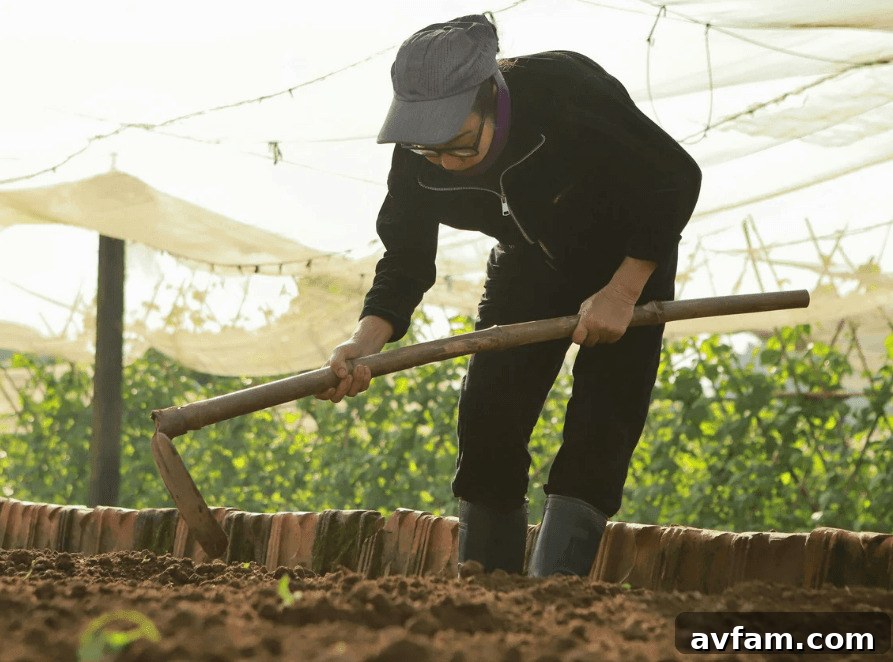
One of the most pervasive misconceptions preventing people from embracing gardening is the belief that it demands vast outdoor space, expensive tools, or years of acquired expertise. This simply isn’t true. The beauty of gardening lies in its inherent adaptability and accessibility. The mental health benefits are not proportional to the size of your plot; rather, they scale directly with your engagement and presence. Even the smallest spaces can be transformed into thriving green sanctuaries.
A few terracotta pots on a sunny balcony can become a vibrant herb garden or a haven for colorful annuals. A compact raised bed can yield an impressive harvest of salad greens or root vegetables. A single tomato plant thriving on a sunny windowsill, or even a collection of low-maintenance succulents, can provide all the therapeutic benefits without requiring a significant investment of time or resources. The key is to simply begin, allowing your curiosity and creativity to guide you.
The mental health advantages of gardening stem from the act of nurturing, observing, and connecting. Even a brief ten-minute session of watering your plants, pruning a dead leaf, or simply observing the intricate patterns of nature first thing in the morning can serve as a powerful anchor for your entire day, infusing it with a sense of calm, intention, and purpose. It’s about developing a habit of connecting with living things, fostering a sense of responsibility, and celebrating small triumphs. This low-barrier entry point makes gardening an incredibly democratic form of therapy, available to almost anyone, anywhere.
The Enduring Wisdom: A Deeper Connection to Life
There’s a profound reason why gardens have served as sanctuaries and symbols of healing across countless cultures and historical epochs. From ancient monastic gardens designed for contemplation to modern-day therapeutic landscapes, the instinct to turn to the earth in times of grief, recovery, and transition runs deep within the human spirit. Hospitals integrate horticultural therapy into rehabilitation programs, utilizing the therapeutic power of plants to aid physical and mental recovery. Veterans programs incorporate gardening to help individuals process trauma and rebuild a sense of purpose. Schools plant learning gardens, not just for scientific education, but to instill a connection to nature and foster a sense of responsibility in young minds. This widespread adoption underscores the universal and timeless healing properties of gardening.
Getting your hands dirty is not an escape from the complexities of modern life; rather, it’s a deliberate and profound way of re-engaging with it on more fundamental, slower, and gentler terms. The garden operates on its own ancient clock, indifferent to the pressures of your professional accomplishments or the daunting pile of unread emails in your inbox. It asks for only a few essential things: water, light, and consistent attention. In return, it offers growth, beauty, sustenance, and an unparalleled sense of peace.
In this simple, reciprocal relationship, the garden often holds up a mirror to our own deepest needs. Just as the plants in our care require consistent nourishment, sunlight, and careful attention to flourish, so too do we. By tending to a garden, we are, in essence, tending to ourselves, cultivating a richer, more resilient, and more peaceful inner landscape. It’s a powerful reminder that our well-being is intrinsically linked to the living world around us, and that sometimes, the most profound answers lie just beneath the soil.