
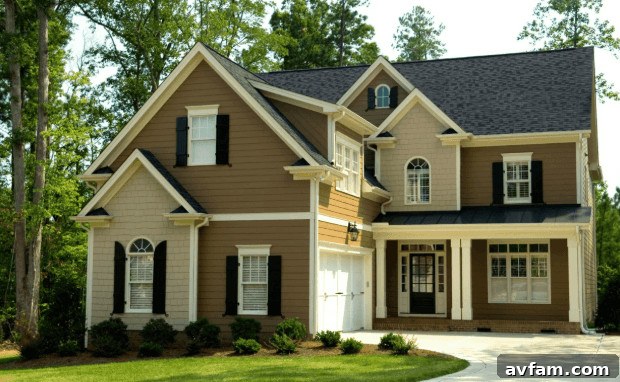
The journey to creating a truly remarkable home often begins with an intoxicating vision of beauty. We imagine clean lines, perfectly matched finishes, and that serene sense of everything falling into place just as we dreamed. There’s undeniable satisfaction in a home that looks stunning, a space that momentarily takes our breath away and evokes a feeling of being cultured and collected.
Yet, the reality of daily life quickly introduces a different perspective. After the initial thrill subsides and the routines of living begin to settle in, a subtle truth emerges: a home that merely looks good doesn’t always perform well. The fleeting charm of aesthetics can give way to the enduring demands of functionality. What might have seemed like a minor design flaw at first – a drawer that consistently sticks, a light switch inconveniently placed, or an open layout that now feels more chaotic than contemporary – gradually transforms into a persistent source of frustration.
Over time, these seemingly small inconveniences accumulate, diminishing the joy and ease your home should provide. Preparing your living space for long-term use means diving deeper than surface-level appeal. It’s about crafting an environment that instinctively supports your habits, gracefully adapts to life’s inevitable changes, and continues to feel utterly right long after the excitement of its completion has faded. Because ultimately, the initial visual impact of your home recedes into the background, and what truly comes to the forefront is how effortlessly it works for you, day in and day out.
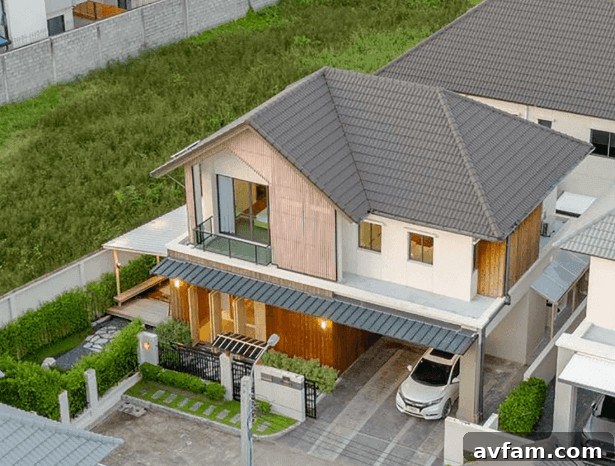
Design for Longevity: Thinking in Years, Not Just the Present Moment
It’s tempting to design a home solely for your current lifestyle. We gravitate towards what we like right now, what feels right today, and what perfectly fits our immediate routine. However, life is a dynamic journey, constantly evolving and shifting. What serves you perfectly at one stage may prove inadequate or even cumbersome at another. Priorities change, families grow or shrink, careers evolve, and our personal needs transform over time. Spaces that once felt ideal can suddenly feel misaligned, and choices that seemed insignificant can begin to profoundly shape your daily experience in unexpected ways.
Consider the practical implications: will open shelving, while aesthetically pleasing, maintain its simplicity when your schedule becomes busier and you have less time for meticulous organization? Will a minimalist storage approach still be practical when life naturally accumulates more belongings, from children’s toys to new hobbies? What about that open-concept layout – will it continue to support you if your home needs to simultaneously function as a quiet workspace, a vibrant family hub, a peaceful sanctuary for rest, and an entertaining area for guests?
Designing for the long term isn’t about over-analyzing every single detail to the point of paralysis. Instead, it’s about posing a more profound question during the design phase. Move beyond “Do I like this look?” to “Will this design choice genuinely serve my evolving needs years down the line?” This simple yet crucial shift in perspective will fundamentally alter how you approach almost every decision, from major architectural elements to minor fixture selections, ensuring your home remains a source of comfort and efficiency, rather than a constant point of friction.
Functionality: The Unseen Pillar of Enduring Home Design
A truly well-functioning home doesn’t strive to impress with flashy features or extravagant aesthetics. Its genius lies in its quiet efficiency, its ability to seamlessly make your life easier without drawing attention to itself. You experience this profound ease in subtle yet impactful ways: mornings flow smoothly, every item has its logical place, and moving through your space feels intuitive and natural, rather than a series of minor frustrations. This level of effortless living is never an accident; it’s the direct result of thoughtful, strategic decisions made early in the design process.
The Critical Role of Smart Storage Solutions
Storage often plays a far more significant role in a home’s liveability than most people anticipate. It’s not merely about the sheer volume of space you possess, but crucially, about how accessible and usable that space truly is. Ease of access will almost always outweigh a design that prioritizes perfect concealment at the expense of practicality. A beautifully clean-lined cabinet, for instance, might look impeccable, but if it forces you to rummage and struggle to retrieve daily necessities, it quickly transitions from an aesthetic triumph to a daily irritation. Thoughtful storage considers ergonomics, logical placement, and the specific items it will house, ensuring everything is within reach and easily organized.
The Kitchen: Where Functionality Becomes Paramount
Nowhere does the principle of function over fleeting form become more glaringly obvious than in the kitchen. This is a space that demands continuous performance, day in and day out. It endures heavy movement, repetitive tasks, and the unavoidable realities of meal preparation and real-life messes. In the kitchen, there is simply no room for poor design to hide; its shortcomings are exposed with every meal prepared, every dish washed. This is typically the point where homeowners, frustrated by inefficient layouts or impractical cabinetry, find themselves turning to search engines, typing queries such as “kitchen cabinet builders near me.” Their motivation isn’t a desire for something overly fancy, but a deep longing for a space that genuinely *works*.
Engaging with experienced custom kitchen cabinet builders or designers can completely transform the outcome. These professionals possess an invaluable understanding of how people actually navigate a kitchen, how storage should strategically support daily routines, and how seemingly small details – like drawer heights, pantry configurations, or appliance placement – can eliminate friction from everyday culinary tasks. When kitchen functionality is expertly executed, it fades into the background, allowing you to focus on cooking, entertaining, and enjoying the heart of your home without impediment. It simply works, allowing you to thrive.
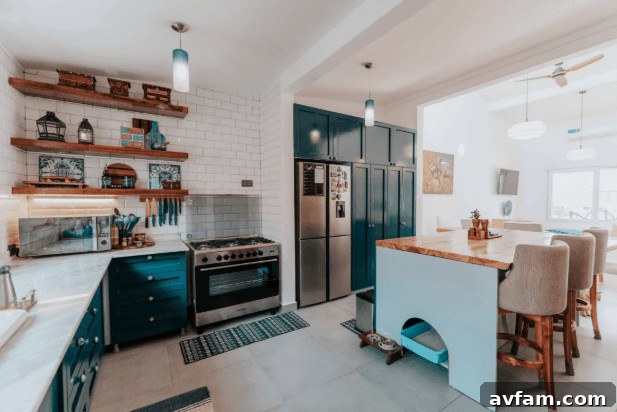
Embracing Materials That Mature Gracefully with Time
The allure of certain materials can be immediate and striking, yet their long-term liveability often tells a different story. Some surfaces and finishes, while initially captivating, prove to be incredibly high-maintenance. Every fingerprint becomes a glaring mark, every minor scratch feels like irreparable damage, and the constant effort required to maintain their pristine appearance can quietly erode the comfortable, lived-in feel of your home. This ongoing battle against daily wear and tear can create an atmosphere of anxiety rather than relaxation.
In contrast, other materials possess an inherent forgiving quality. They are designed to age not just gracefully, but beautifully. Instead of resisting the inevitable marks of life, they embrace them, developing a rich patina and character that tells a story. They soften over time, gaining depth and personality that only comes with sustained use. Natural materials like solid wood, particularly those with visible grain, and unpolished or honed natural stone (such as marble, granite, or slate) are prime examples. These materials don’t require perpetual perfection to maintain their appeal; in fact, minor imperfections often enhance their charm, making them feel more authentic and inviting.
This approach doesn’t advocate for neglecting durability. High-traffic areas and frequently used surfaces absolutely need to withstand robust use. However, there’s immense value in selecting materials that don’t constantly fight against the natural rhythms of daily life. Choosing robust yet forgiving options allows your home to feel truly lived-in, comfortable, and resilient. Because, in the ongoing dialogue between our homes and our daily lives, daily life will always, inevitably, prevail.
Proactive Adaptability: Planning for Future Changes Today
Many homes are conceived and designed around a static, fixed vision of life. Yet, life itself is anything but static. Our routines are dynamic, our needs evolve, and we often find ourselves utilizing spaces in ways we hadn’t originally envisioned. In this fluid landscape, flexibility quickly becomes a more valuable asset than rigid perfection. A home that can effortlessly adapt to new demands is a home that truly serves its inhabitants for years to come.
Building in this kind of flexibility doesn’t require drastic measures. It can be achieved through thoughtful, seemingly minor choices. Consider rooms that are inherently multi-functional – a guest bedroom that can easily transform into a productive home office, or a dining area that doubles as a crafting space. Implement layered lighting systems that can adjust to various moods, tasks, and times of day. Design layouts that offer multiple pathways and don’t confine you to a single, prescribed way of moving through your space. Even small considerations contribute significantly: extra electrical outlets in strategic locations, slightly more open floor space than strictly necessary, or storage solutions that are versatile rather than overly specialized.
These forward-thinking choices might not feel urgent or even particularly important during the initial design phase when your current needs dominate. However, as the years unfold and your life inevitably shifts, these subtle elements of adaptability will prove invaluable, making every transition smoother and every new challenge easier to accommodate. They transform your home into a resilient, living entity that grows and changes alongside you.
The Cumulative Essence of True Comfort
Genuine comfort isn’t always immediately apparent. It’s a quality that accrues slowly, building layer by layer through countless everyday interactions and experiences within your home. It’s the optimal height of your kitchen counters that prevents back strain during extended cooking sessions, or the enduring support of your living room seating after hours of relaxation, not just a fleeting few minutes. It’s the thoughtful integration of natural light that either energizes your day or subtly works against your rhythm, depending on its design. These are the nuanced details that collectively shape your long-term experience and perception of your home.
It’s a natural inclination to be drawn to what is visually striking – something bold, impressive, or attention-grabbing. However, lasting comfort transcends mere aesthetics. It emanates from a profound understanding of how you actually live, move, and interact within your personal sanctuary. When your home is thoughtfully designed to anticipate and support these intricate patterns of daily life, everything simply feels easier, more harmonious, and deeply reassuring. This deep-seated comfort is the silent, ongoing reward of a truly well-designed living space, contributing significantly to your overall well-being and sense of peace.
Maintenance: An Integral Part of the Design Equation
Every single design choice made for your home inherently comes with an associated level of maintenance. Some choices lead to minimal upkeep, demanding little time or effort. Others, however, can quickly add up, creating a significant ongoing burden. Consider a high-gloss finish that relentlessly highlights every fingerprint and smudge, or a delicate surface that requires constant, specialized care. Details that consistently demand just a little too much effort to keep clean can chip away at your enjoyment of a space.
Initially, during the excitement of a new design or renovation, these maintenance considerations might seem negligible. The enthusiasm often outweighs the perceived effort. But as time progresses, the convenience of low-maintenance features starts to matter significantly more. This isn’t because you care less about your home’s appearance, but rather because your valuable time and energy naturally shift towards other life priorities, responsibilities, and pursuits. The constant battle against upkeep can become a source of stress rather than satisfaction.
Designing for long-term use necessitates an honest evaluation of these factors. It means making conscious decisions about what you are genuinely willing to maintain and, crucially, what you are not. Prioritizing ease of care allows you to reclaim precious time and energy, fostering a more relaxed and enjoyable home environment. Ultimately, the most sustainable and satisfying systems are those that are effortlessly maintained, allowing your home to retain its beauty and functionality without becoming a constant chore.
The Enduring Value of Thoughtful Early Planning
There’s a quiet, understated elegance about a home that has been meticulously designed with the long term in mind. Such a dwelling doesn’t require incessant updates to stay relevant or rely on fleeting trends to feel current. Instead, it possesses an intrinsic timelessness, a fundamental solidity that allows it to continue performing its role effortlessly, day after day, year after year. This enduring quality is precisely what cultivates a profound sense of well-being and satisfaction for those who live within its walls.
These remarkable spaces are not born from chance or solely from aesthetic pursuits. They are the direct result of deliberate decisions that champion real-world use and everyday experience above all else. They prioritize how a home functions, how it supports its inhabitants’ lives, and how it evolves with them, rather than focusing purely on initial visual appeal or first impressions. The investment made in thoughtful planning, durable materials, and adaptable design early on yields dividends in comfort, efficiency, and emotional well-being for decades to come. It transforms a mere structure into a cherished, reliable sanctuary.
Final Thoughts: Building Trust, One Detail at a Time
While a beautifully designed home can certainly capture attention and spark initial admiration, a home that truly excels in its functionality earns something far more valuable: trust. When your living space consistently supports your daily life, adapts to your needs, and simplifies your routines, it fosters a deep sense of confidence and ease. This trust is the ultimate hallmark of superior home design.
Approaching home design with this philosophy in mind allows you to perceive your environment through a different lens. You begin to notice the subtle yet significant details: the seamless daily interactions, the precise elements of your space that either empower your activities or subtly impede your flow. It’s in these often-overlooked components that the true essence of a well-loved, well-lived home resides. And as the years unfold, these thoughtful details, these unwavering commitments to functionality and adaptability, become not just important, but absolutely everything, defining the very heart and soul of your cherished sanctuary.