
The Unexpected Secret to Effortlessly Moving Heavy Appliances: Windex
Moving heavy household appliances is a task that often fills homeowners with dread. Whether you’re rearranging your laundry room, cleaning behind your refrigerator, or simply fine-tuning the placement of newly delivered units, the sheer weight and bulk of modern washers, dryers, and refrigerators can make the job seem impossible without professional help or a small army of friends. Not only is there the risk of personal injury from back strain or dropped items, but also the ever-present danger of scratching or damaging expensive flooring surfaces. However, what if we told you there’s a simple, readily available household product that can transform this back-breaking chore into a surprisingly smooth and safe operation? Enter Windex – the humble window cleaner with an astonishing secret superpower for appliance relocation.
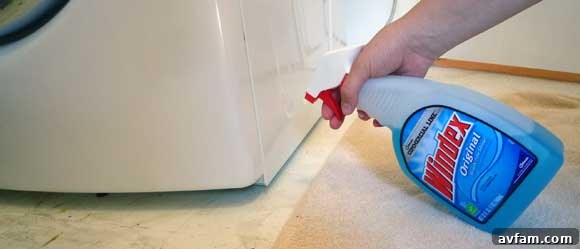
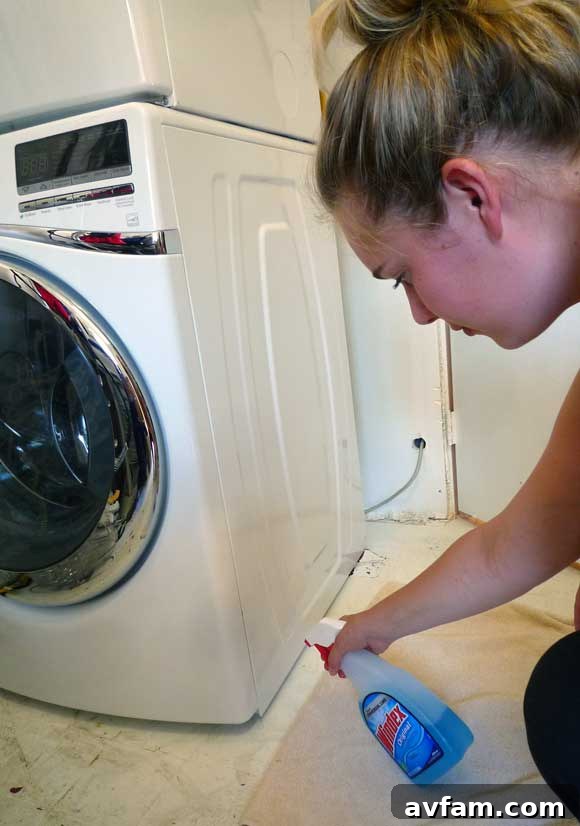
Our own experience perfectly illustrates this revelation. Recently, we became the proud owners of a new Whirlpool Duet washer and dryer from Lowe’s. The delivery and stacking went smoothly enough, but once these formidable machines were stacked, their combined weight made them virtually immovable by conventional means. Just when we thought we’d need to call in reinforcements for even minor adjustments, the savvy delivery crew offered a game-changing tip: spray Windex on the floor just around the appliance’s feet. Skeptical but hopeful, we watched as they applied a generous mist. The result was instantaneous and incredibly satisfying. As soon as the appliance’s feet touched the Windex-treated surface, the stacked washer and dryer slid across the floor with an astonishing ease, “like butter,” as they say. This simple act demystified a challenge that had previously seemed insurmountable.
Why Windex is the Ultimate Appliance Moving Lubricant
The experienced delivery professionals explained their preference for Windex or any similar window cleaner over plain water, and their reasoning was compelling. Windex isn’t just a surface cleaner; its unique chemical composition makes it an excellent temporary lubricant. Here’s why it stands out as the ideal choice for maneuvering heavy appliances:
- Superior Friction Reduction: Window cleaners contain ingredients like isopropyl alcohol (in many formulations) and various surfactants (detergent-like compounds) that significantly reduce the static and kinetic friction between the appliance’s feet and the floor surface. This creates a temporary slick barrier that allows even the heaviest items to glide with minimal effort, eliminating the resistance that typically makes moving appliances so difficult.
- Rapid Evaporation: Unlike water, which can sit and potentially warp certain floor types (especially hardwood or laminate) or create a prolonged slip hazard, Windex’s alcohol content ensures it evaporates quickly and cleanly. This means less residue, fewer streaks, and a safer environment shortly after the move, requiring minimal post-task cleanup. You won’t be left with a sticky mess or standing water, which can attract dirt or cause damage.
- Significantly Reduced Risk of Floor Damage: While no method guarantees zero risk, using Windex drastically lowers the chances of scratching, scuffing, or denting your floors. The lubricant allows the appliance to slide smoothly rather than dragging, which is the primary cause of damage on delicate surfaces like hardwood, tile, or vinyl. Without any form of lubrication, the concentrated pressure and friction from dragging a heavy object can easily leave permanent, unsightly marks.
- Accessibility and Cost-Effectiveness: Windex is a common household staple, meaning you likely already have it on hand, or it’s incredibly easy to acquire. It’s inexpensive and readily available at any grocery or hardware store, making it a practical and budget-friendly solution compared to investing in specialized moving equipment that might only be used once.
A Step-by-Step Guide to Sliding Appliances with Windex
Feeling confident in fine-tuning the location of our newly installed units without additional help, we’ve come to rely on this simple yet effective technique. The next time you face the challenge of moving heavy equipment, here’s how to effectively and safely use Windex to achieve effortless relocation:
1. Preparation is Essential
- Empty and Disconnect: Always ensure the appliance is completely empty. For washers and dryers, disconnect water lines, drainage hoses, and power cords. For refrigerators, empty all contents and unplug it from the wall. Secure any loose parts like hoses or cords with tape to the appliance itself to prevent them from getting caught underneath during movement.
- Clear the Path: Remove any and all obstacles from the appliance’s intended path. This includes rugs, small furniture, pet bowls, or anything that could impede movement, cause a tripping hazard, or become damaged itself. A clear path ensures smooth, uninterrupted gliding.
- Assess Your Floor Type: While Windex is generally safe and highly effective, it’s always wise to be aware of your specific floor type. It works exceptionally well on hard surfaces such as hardwood, laminate, tile, polished concrete, and vinyl. For carpeted areas, however, specialized furniture sliders are typically a better choice, as Windex will only dampen the carpet and won’t provide the necessary slickness.
2. Strategic Windex Application
- Achieve a Slight Initial Lift (If Necessary): For very heavy appliances, or those that have settled, you might need a slight initial lift to get the appliance’s feet off the ground just enough to spray underneath. A sturdy lever, a pry bar, or even strong furniture sliders (used momentarily) can help elevate one side. However, for minor adjustments of appliances that aren’t deeply settled, you can often spray just around the visible feet.
- Spray the Movement Path: Liberally spray Windex directly onto the floor surface where the appliance’s feet will be moving. Don’t drench the floor excessively, but ensure there’s a visible, slick, even film. Work in small sections, spraying just a few inches ahead of the appliance at a time, especially if you’re making a significant move. This prevents the Windex from drying prematurely before you reach that section, ensuring continuous lubrication.
3. The Controlled Slide Technique
- Gentle, Consistent Nudges: Once the Windex is applied, gently push or nudge the appliance. You’ll be amazed at how easily it glides with minimal force. Avoid sudden, forceful shoves, which can still cause damage to the appliance or floor, or lead to a loss of control.
- Small, Measured Movements: For optimal precision and safety, make small, controlled movements. Guide the appliance slowly and deliberately into its desired position. If you’re moving it a significant distance, you may need to reapply Windex along the path as you go to maintain the slick surface.
- Maintain Positive Control: Always keep a firm grip on the appliance. If possible, have a helper assist with guiding, especially for larger items like side-by-side refrigerators or stacked laundry units. This cooperative effort ensures the appliance doesn’t veer off course, tip over, or become unwieldy.
4. Post-Move Cleanup and Reconnection
- Quick and Clean Drying: The beauty of Windex is its quick-drying nature. Any residual film will evaporate rapidly, leaving virtually no trace. You can wipe down the area with a dry cloth or paper towel if you wish for immediate dryness, but it’s often not strictly necessary.
- Reconnect and Test Thoroughly: Once the appliance is in its final, desired position, carefully reconnect all power, water, and gas lines as appropriate for your specific unit. Double-check all connections for leaks, kinks, or improper seating before turning on power or water supply to prevent hazards.
Essential Safety Precautions When Moving Heavy Appliances
While Windex makes the physical act of sliding easier, moving heavy appliances still requires a strong emphasis on safety to prevent injury to yourself or damage to your home. Here are critical precautions to always observe, regardless of the moving method:
- Prioritize Disconnection of Utilities: Before any movement begins, ensure that all utilities (electricity, water, gas) are safely and completely disconnected. Even small movements can snag cords or hoses, leading to leaks, electrical shorts, or highly dangerous gas hazards.
- Practice Proper Lifting Mechanics: If any lifting is required, even just a slight tilt, remember to lift with your legs, not your back. Bend at your knees, keep your back straight, and use your powerful leg muscles to power the lift.
- Enlist Assistance for Heavy Items: For exceptionally heavy or awkwardly shaped appliances (like side-by-side refrigerators, large ranges, or stacked laundry units), never hesitate to ask for help from another person. A second pair of hands can prevent tipping, provide better control, and significantly reduce the risk of personal injury.
- Wear Appropriate Protective Gear: Closed-toe shoes with good grip are a must to protect your feet from dropped items or stubbing. Gloves can provide a better grip, protect your hands from sharp edges, and prevent pinch points.
- Mind the Surroundings and Obstacles: Be acutely aware of doorframes, narrow hallways, and tight corners. Measure these spaces beforehand to avoid getting stuck or damaging walls and trim. Use moving blankets, cardboard, or painter’s tape to protect doorjambs if necessary.
- Test on Inconspicuous Areas (Rarely Needed but Good Practice): Although Windex is highly unlikely to cause damage to most modern flooring, if you have very sensitive, antique, or uniquely finished flooring, it’s always a good practice to test Windex on a small, hidden spot first to ensure there are no adverse reactions.
- Avoid Over-Lubrication: While you want a slick surface, avoid saturating the floor excessively, especially near electrical outlets or where water connections might be. A thin, even film of Windex is sufficient to provide the necessary lubrication.
Windex vs. Other Appliance Moving Solutions
While Windex is an excellent tool for specific scenarios, it’s helpful to understand how it compares to other common appliance moving aids and why it might be the superior choice for certain tasks:
Furniture Sliders
- Pros: Excellent for carpeted surfaces, reusable, and can sometimes be left under appliances for future adjustments. Available in various sizes and shapes to fit different furniture feet.
- Cons: Typically require significant lifting to place them under the appliance. On hard floors, some types can get stuck or create friction if not specifically designed for smooth surfaces. They don’t offer the same continuous, low-friction “glide” as Windex directly on the floor for precise movements.
Moving Blankets or Cardboard
- Pros: Provide a protective layer between the appliance and the floor, which can be beneficial. Can offer some lubrication on hard surfaces if folded smoothly and thick enough.
- Cons: Can bunch up, tear, or lose their effectiveness quickly with very heavy items. They may not be slippery enough for exceptionally heavy items or precise movements. They also don’t prevent scratching as effectively as Windex directly lubricating the contact points on the floor.
Specialized Appliance Dollies
- Pros: Designed specifically for moving extremely heavy appliances, making relocation across longer distances much easier and safer. Many feature straps, sturdy wheels, and leverage bars.
- Cons: Expensive to purchase or rent for a one-time use. They can be bulky to store. Not practical or necessary for small, precise adjustments within a room, where Windex excels.
Plain Water or Soapy Water
- Pros: Readily available and essentially free.
- Cons: Water dries slowly, can leave streaks, and often doesn’t provide sufficient lubrication for very heavy items. Soapy water creates a sticky residue that requires extensive cleaning and can attract dirt, potentially damaging some floor finishes over time. Windex is far superior in terms of quick evaporation, effective lubrication, and clean results.
For fine-tuning placement or making moderate moves on hard floors, Windex truly shines as a simple, effective, and clean solution that homeowners can readily implement without needing specialized equipment or significant investment.
Conclusion: Empowering Your Appliance Relocation Tasks
Gone are the days of wrestling with heavy appliances, risking back injuries, or cringing at the thought of scuffed floors. The surprising efficacy of Windex as an appliance moving aid is a testament to ingenious problem-solving and a practical tip that every homeowner should keep in their arsenal. From our own positive experience with the new Whirlpool Duet washer and dryer, we can confidently say that this simple trick saves significant time, effort, and prevents potential damage.
Empowered by this insider tip from experienced delivery professionals, you can now approach appliance relocation tasks with newfound confidence. Whether it’s a minor adjustment to perfectly align your refrigerator, a deep clean behind your stove, or a complete laundry room rearrangement, reaching for the Windex alongside your hand truck (if needed for longer distances) will make the process remarkably smoother, safer, and far less stressful. So, the next time you face the daunting task of moving that weighty appliance, remember the clear blue solution – your floor (and your back) will undoubtedly thank you for it.