
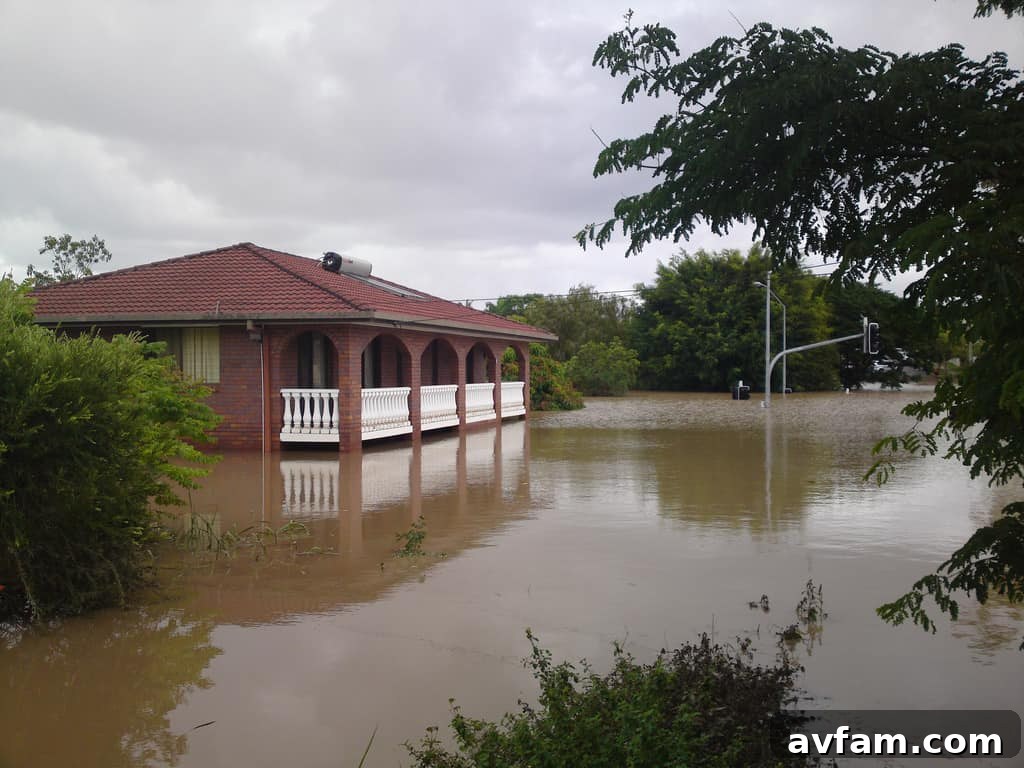
Across the nation, communities frequently face the devastating impact of floods. From torrential downpours to powerful hurricanes, water can leave homes and cities in disarray. Navigating the aftermath of flood water damage can be overwhelming, but with the right information and a structured approach, you can effectively manage the recovery process for your home. This comprehensive guide is designed to equip you with essential knowledge and actionable steps to tackle water damage after a flood, ensuring a safer and more efficient restoration journey.
Whether it’s just a few inches or several feet, floodwater can inflict severe damage. While the situation may seem dire, not all is lost. Your immediate priority, however, must be ensuring safety. Before attempting to save any belongings or commence cleanup, thoroughly assess the affected area for potential hazards. Prioritizing personal safety is paramount in any water damage restoration scenario.
Check for Danger: Prioritizing Safety After a Flood
The first and most critical step in addressing flood water damage is to ensure your safety and the safety of anyone assisting you. Floodwaters can conceal numerous dangers, transforming a restoration effort into a hazardous situation if precautions are not taken. Your primary concern should be electrical hazards. As you approach a water-damaged area, meticulously check for submerged outlets, fallen power lines, compromised light fixtures, or appliances that may have been affected before, during, or after the flood.
For instance, consider a scenario where an upstairs bathroom floods, causing the ceiling on the first floor to collapse. If that ceiling contained a light fixture or ceiling fan, the sheer weight of the saturated building materials and water could easily rip the fixture from its housing. Exposed live wires in standing water pose an immediate and severe electrocution risk. If there is any suspicion of electrical exposure, or if you see visible sparking or hear buzzing, immediately cut off the main power supply to your entire home from the breaker box. Do not proceed until the electrical danger is safely resolved, potentially by a qualified electrician. Beyond electricity, also be vigilant for gas leaks (indicated by a sulfur or rotten egg smell), structural instability in walls or ceilings, and the presence of contaminated water, which can harbor bacteria and chemicals. Always wear appropriate personal protective equipment (PPE) such as waterproof boots, gloves, and masks when entering affected areas.
Identify the Source of Water Damage: Understanding Water Categories
Understanding the source and contamination level of the water is crucial for determining safe cleanup methods and salvageable items. Water damage is typically classified into three distinct categories:
- Category 1: Clean Water – This refers to water that originates from a sanitary source and poses no immediate threat of contamination. Examples include an overflowing sink or bathtub, a broken water supply line, a leaking fixture shut-off valve, or melting ice. Category 1 water is considered potable (drinkable) and carries a minimal risk of microbial contamination or respiratory danger. While clean initially, if left untreated, it can degrade to Category 2 or 3 over time as it interacts with building materials and environmental factors.
- Category 2: Gray Water – Also known as “gray water,” this category contains a significant level of chemical, biological, or physical contaminants. It is not drinkable and can cause illness if ingested, but it is not raw sewage. Sources of Category 2 water include dishwasher runoff, washing machine overflow, toilet overflows containing urine (but not feces), or a broken sump pump. While not as hazardous as Category 3, prolonged exposure or delayed cleanup can lead to rapid bacterial growth and potential health risks. Proper protective gear is advised when handling gray water.
- Category 3: Black Water – This is highly contaminated water that contains pathogenic agents, toxic chemicals, and other harmful substances. It is grossly unsanitary and poses a severe health risk upon contact, ingestion, or inhalation. Examples of Category 3 water include sewage backup, floodwater from rivers or oceans that has flowed over open ground before entering a structure, or any water mixed with chemical spills. Due to the extreme health hazards, Category 3 water must always be handled by certified professionals wearing full personal protective equipment (PPE), including respirators, and who have received proper immunizations. DIY cleanup of black water is strongly discouraged and can lead to serious illness.
Stop the Source of Water: Limiting Further Damage
Once you’ve ensured safety and identified the water category, the next immediate action is to stop the water flow. If the water is Category 1 or 2, you can generally proceed with this step yourself. However, if dealing with Category 3 black water, it is imperative to wait for a professional water damage restoration team due to the severe contamination risks. Their expertise and specialized equipment are essential for safely managing and stopping the source.
For clean or gray water scenarios, locate the primary water shut-off valve for your home. This is often found where the main water line enters the house, typically in a basement, utility closet, or near the water meter. It’s good practice to test this valve annually to ensure it functions correctly and isn’t seized. If the leak originates from a specific appliance or fixture, such as a toilet or washing machine, you may be able to turn off its local shut-off valve, isolating the problem without cutting water to the entire building. Acting quickly to stop the flow prevents the problem from escalating, minimizing the total area of damage and the overall cost of water damage repair.
In cases of a continuous large volume of sewage originating from a drain line, this indicates a significant blockage in your main sewer line or a malfunction in the municipal sewer system affecting your entire neighborhood. In such an emergency, immediately contact your city’s wastewater or public works department. Report the issue promptly, as they are responsible for addressing municipal sewer problems and preventing further flow of raw sewage into your property and the environment.
Prevent Further Damage: Immediate Actions for Flood Cleanup
Once the water source is contained and the area is safe, swift action is crucial to prevent secondary damage, such as mold growth and structural deterioration. Every hour counts in water damage restoration:
- Furnishings – Immediately relocate any furniture that is immersed in water or sitting on damp flooring. This is particularly important for wood furnishings, especially those with dark stains, as they are prone to bleeding dyes that can permanently stain carpets or lighter surfaces. Composite wood furnishings, like those made from MDF or particleboard, will swell rapidly when exposed to water and are nearly impossible to restore to their original appearance or structural integrity. Elevate furniture on blocks or aluminum foil to prevent contact with wet surfaces and minimize damage. Remove upholstered items and attempt to dry them outdoors if weather permits, or with fans if indoors.
- Wall Coverings – After moving furnishings, thoroughly inspect your walls. If water has wicked up drywall or plaster, prompt action is required. Remove baseboards and/or wainscoting and wallpaper immediately. Water often gets trapped behind these elements, creating a moisture barrier that impedes drying and fosters an ideal environment for mold growth. Speaking of mold, it can begin to grow on porous surfaces within 24-48 hours of dampness. If you discover mold, especially large patches or a strong musty odor, cease your demolition and contact a certified mold remediation expert. Disturbing mold can release spores into the air, exacerbating the problem and posing health risks, particularly for children, seniors, or individuals with respiratory conditions. If no mold is present and the drywall feels firm, leaving it in place might be an option for light water damage, as it may be salvageable with proper drying. For significant saturation, cutting out the lower portion of the drywall (at least 12-18 inches above the waterline) is often necessary to allow wall cavities to dry.
- Flooring – Once furnishings are removed and wall finishes addressed, turn your attention to the flooring. As a general rule for Category 1 water damage, carpet and its underlying cushion (pad) can often be cleaned, sanitized, and salvaged. However, if damaged by Category 2 (gray) water, the carpet cushion must be disposed of, but the carpet itself may be professionally cleaned and disinfected for reuse. For Category 3 (black) water damage, all porous flooring materials, including carpet, pad, and often wood or laminate, must be disposed of immediately. The concrete slab or subfloor beneath must then be professionally treated with anti-microbial agents to prevent contamination and mold. This level of cleanup requires specialized training and equipment, making it a job for certified restoration experts to ensure safe and thorough remediation.
Set Up for Successful Drying: The Science of Water Damage Restoration
Drying a water-damaged building is not merely about airing it out; it’s a precise science that involves controlling temperature, humidity, and airflow. This process demands specialized knowledge and equipment that most homeowners do not possess. For moderate to heavy water damage, especially after significant flooding, we highly recommend contacting a professional water damage restoration company. These experts utilize industrial-grade dehumidifiers, air movers, and moisture meters to thoroughly dry affected areas, preventing long-term issues like structural damage and persistent mold growth.
However, for light water damage scenarios, and after you have diligently followed the safety and prevention steps outlined above, here are some actionable tips for effective DIY drying:
Begin by maximizing air circulation. Strategically place floor fans approximately 12 feet apart along the perimeter of the room(s), ensuring the airflow is directed in a clockwise or counter-clockwise pattern. This creates a powerful vortex effect, pushing moist air towards the outer edges of the room and facilitating evaporation. If you have access to a commercial-grade dehumidifier, position it along the room’s perimeter to capture the moisture that the air movers dislodge. Crucially, ensure the condensate line from the dehumidifier is directed to a drain or routed out of the building. Collecting condensation in a bucket within the same room only reintroduces moisture into the air, significantly slowing down the drying process and increasing the risk of mold. Open windows and doors periodically to allow for fresh air exchange, especially on dry, low-humidity days, but be mindful of outdoor humidity levels.
If you experienced a Category 1 water loss and your carpet is wet, carefully pull it away from the tack strips along the walls. If possible, lift the carpet and attempt to blow air underneath it using your fans. This technique helps to dry both the carpet and the subfloor simultaneously. For light damage, this method, combined with proper air movement and dehumidification, should allow the affected area to dry overnight. Regularly monitor moisture levels using a moisture meter if you have one, or by touch, to ensure complete dryness. Any lingering dampness can lead to mold, odors, and material degradation.
Always prioritize safety when attempting any form of water damage restoration. If at any point you feel overwhelmed, uncertain, or if the damage appears more extensive than anticipated, do not hesitate to call a professional restoration company. Reputable companies possess advanced equipment, extensive training, and critical expertise to safely and effectively return your home to its pre-loss condition, often preventing costly long-term problems. While a do-it-yourself approach can be effective for minor incidents, the steps provided above are designed to minimize damage and accelerate recovery, ensuring your home gets back to normal quickly and safely.
What to Salvage After Water Damage: A Critical Assessment
Deciding what to keep and what to discard after water damage is a critical and often difficult decision. The salvageability of an item largely depends on the category of water involved and the material composition of the item itself. Let’s begin with the clearest-cut scenario: Category 3 water damage. Remember, Category 3 water is heavily contaminated with sewage, toxic chemicals, or other biohazards. This includes not only raw sewage but also water that originates from a source of raw sewage. For instance, a toilet overflow where water comes from the bowl, even if the water in the bowl appeared “clean” just before the overflow, must be treated as Category 3 due to the inherent contamination risk from the sewer system. To illustrate, no matter how clean the water might appear in a toilet bowl, you wouldn’t use it for consumption, reinforcing the need for extreme caution with Category 3 incidents.
Salvaging After Category 3 Water Damage
When Category 3 water damage occurs, the rule of thumb is to discard all porous materials. These materials absorb contaminants and are almost impossible to thoroughly clean and sanitize to a safe level. This includes, but is not limited to, drywall, carpet, carpet pad, insulation, baseboard made of wood or composite materials, wood flooring, area rugs, upholstered furnishings, mattresses, clothing, and books. Anything that can absorb and retain harmful bacteria or chemicals should be removed and disposed of properly, always with full personal protective equipment (PPE) to prevent exposure. This stringent measure is taken for the safety and health of your family and future occupants.
However, there are rare exceptions. If you possess an extremely valuable antique rug, a unique piece of art, or an heirloom from a significant historical period that is worth a fortune, you might consider consulting a specialized restoration company that deals specifically with textiles or fine art. These experts may employ advanced techniques to attempt salvage, but this is an exception and comes at a great cost. For common household items and building materials, if they are not unique or irreplaceable, they should be discarded without hesitation to ensure a truly safe and clean environment.
Conversely, non-porous materials often can be salvaged after Category 3 contamination. Items like ceramic tile, concrete subfloors, plumbing fixtures (toilets, sinks, bathtubs), metal appliances (if thoroughly disinfected and dried internally by a professional), glass, and hard plastic items can typically be cleaned and disinfected. Use a relatively strong biocide cleaner, often available from janitorial supply companies, following the product’s use label explicitly. Failure to adhere to usage instructions can harm the occupants of the home and is also illegal, so always prioritize safety and proper application.
Salvaging After Category 1 and 2 Water Damage
In stark contrast to Category 3 water damage, the decision to salvage materials after Category 1 or 2 water damage primarily hinges on the actual physical damage to the material itself, rather than solely on contamination. While Category 2 water does contain contaminants, these are generally manageable with thorough cleaning and sanitization. The focus shifts to assessing whether the material has warped, swelled, delaminated, stained, or suffered other forms of irreparable damage. In essence, your concern is more about the integrity and finished appearance of the product and less about endangering the occupants from severe biohazards. If an item can be effectively dried, cleaned, and restored to its pre-damage condition without compromising its structural integrity or aesthetic, it is often a candidate for salvaging.
Guidelines for Salvaging Materials: A Detailed Breakdown
Here’s a more detailed look at specific materials and their salvage potential after Category 1 or 2 water damage:
- Carpet – For Category 1 water damage, the carpet and its pad can often be cleaned, disinfected, and re-installed. However, for Category 2 water, the carpet pad should generally be removed and replaced due to its high absorbency and difficulty in thorough cleaning. The carpet itself can still be professionally cleaned, sanitized, and deodorized. Note that Category 2 water, which may contain soaps, detergents, or dirt, might cause permanent staining, but it is often worth attempting to dry and clean the carpet before resorting to replacement.
- Wood Flooring – Assessing water damage to wood flooring is notoriously challenging. As a very general rule, solid natural wood floors (hardwood) can sometimes be salvaged by highly experienced and qualified restoration companies. This process, which often involves controlled drying, sanding, and refinishing, can be very costly. Engineered wood floors, typically made of multiple layers with a wood veneer, are usually permanently damaged by water and require replacement due to delamination and swelling of the core layers. The ability to salvage wood floors is a topic of considerable debate within the water damage restoration community, often depending on the type of wood, the duration of exposure, and the extent of cupping or crowning.
- Baseboard – If baseboards were removed immediately after water damage occurred and drying commenced promptly, they might be salvageable, especially if they are natural wood. However, if your baseboards are made from engineered materials like MDF (Medium-Density Fiberboard), even minimal exposure to moisture will cause them to swell and delaminate, making them unsalvageable. Act fast if you have natural wood baseboards to increase your chances of saving them.
- Cabinets – Cabinets present a unique challenge in water damage scenarios. While they can often be salvaged if dried correctly, effectively drying under and behind cabinets is difficult. The best approach involves removing any standing water in the area, carefully detaching the baseboard covering the toe-kick (the recessed area at the bottom), and then drilling several approximately 1-inch diameter holes every 12 inches or so into the toe-kick. This allows for crucial air circulation underneath the cabinets. Most professional restoration companies have specialized adaptors for their air movers that can direct powerful airflow into these drilled holes. If there’s a strong possibility that the drywall behind the cabinets became saturated, you may need to remove the cabinets entirely to properly dry the wall cavity and prevent hidden mold growth.
- Drywall and Plaster – Similar to baseboards, early intervention is key for drywall and plaster. These materials can absorb a small amount of water and be successfully dried. For drywall, if the paper facing is wet but the gypsum core inside has not yet started to degrade or become mushy, you are likely able to salvage it. However, if the paper is saturated, visibly peeling, or the gypsum feels soft and crumbling, it is likely too late, and the affected sections will need to be cut out and replaced.
- Insulation – Batt insulation (fiberglass or cellulose) is highly absorbent and, once wet, becomes a prime breeding ground for mold if not completely dried out. Given the difficulty of drying insulation thoroughly within a wall cavity, it should almost always be removed and replaced, even if only slightly wet. Since this typically necessitates removing drywall from at least one side of the wall, any flooding that rises above the sill plate of an insulated wall will generally require the removal and replacement of both the drywall and the insulation.
- Wallpaper – Unfortunately, wallpaper has very poor salvage potential. Water penetrates the paper and dissolves the adhesive, causing it to delaminate, bubble, and often promote mold growth underneath. It is almost always necessary to remove and replace water-damaged wallpaper.
- Rugs – Area rugs can often be cleaned by a professional rug cleaner, especially if the water was Category 1 or 2. However, you will need to carefully evaluate the sentimental and monetary value of the rug against the cost of professional cleaning and potential repair. For highly valuable or delicate rugs, specialized textile restoration may be required.
- Sheet Vinyl – Sheet vinyl flooring is notoriously difficult to dry thoroughly, and water can become trapped underneath, leading to delamination, discoloration, and mold growth months after the initial incident. Since sheet vinyl is typically a more economical material, it is usually more practical and cost-effective to remove and replace it rather than attempting to salvage it, especially if the subfloor underneath has also been compromised.
- Furniture – Depending on how quickly the damage is addressed, most furniture can be saved. Promptly move furniture off the ground or out of standing water as quickly as possible. Elevate wooden furniture on blocks to prevent warping and expedite drying. For upholstered furniture, use fans to promote airflow and consider professional cleaning once dry. The faster furniture is dried, the lower the odds of mold growth, warping, or permanent staining.
Understanding Flood Insurance: Protecting Your Home from Water Damage
It’s crucial to understand that standard homeowner’s insurance policies typically do not cover flood damage. Flood insurance is a separate policy, and in the United States, it is primarily provided through The National Flood Insurance Program (NFIP), a federal government agency. This program ensures that flood insurance consumers benefit from consistent pricing across the country, making it accessible to many homeowners.
However, the NFIP’s consistency also means its operations are entirely reliant on Congress’s ability to keep the program active and funded. This has historically been a challenge, especially during periods of heavy legislative activity or after major flood events, leading to uncertainty for policyholders. Coverage from the NFIP is available in participating communities across the U.S., Puerto Rico, and the U.S. Virgin Islands. Unlike other types of insurance where agents might be limited by state, flood insurance agents are authorized to write coverage nationally for eligible properties.
For more detailed information about flood insurance, including specific coverage options for homeowners, renters, and condo owners, it is highly recommended to visit Floodsmart.gov, the official website of the NFIP. This resource provides comprehensive guides, eligibility requirements, and details on how to purchase a policy.
You can also check FEMA’s flood zone map to determine if your property is located in a Special Flood Hazard Area (SFHA). While properties in SFHAs are often mandated to carry flood insurance, it’s a critical point that the majority of flood insurance claims are actually paid out for buildings located outside these designated high-risk zones. This underscores the importance of flood insurance for everyone, regardless of their perceived risk. If your property is not in a special flood zone, coverage costs can be relatively affordable, often around $400 or less per year, though an authorized insurance agent can provide you with an exact quote tailored to your specific property and coverage needs. Investing in flood insurance is a proactive step towards financial protection and peace of mind in the face of unpredictable natural disasters.
Water Damage After a Flood Can be Overcome
While flood water damage can be incredibly destructive, leading to significant financial losses, it’s important to remember that such disasters can be overcome. Fortunately, flood insurance can help cover larger losses and facilitate the replacement of damaged items. However, the true challenge often lies in the loss of items with immeasurable sentimental value – photographs, heirlooms, and personal mementos that water damage after a flood can tragically destroy.
Despite these profound challenges, resilience is key. The journey to recovery and restoration can be long, but it is achievable. Remember that you do not have to tackle everything in one day, one week, or even a few months. Take your time, focus on one step at a time, and seek assistance from professionals and support networks when needed. With perseverance, careful planning, and patience, you will undoubtedly restore your home and reclaim your sense of normalcy.