
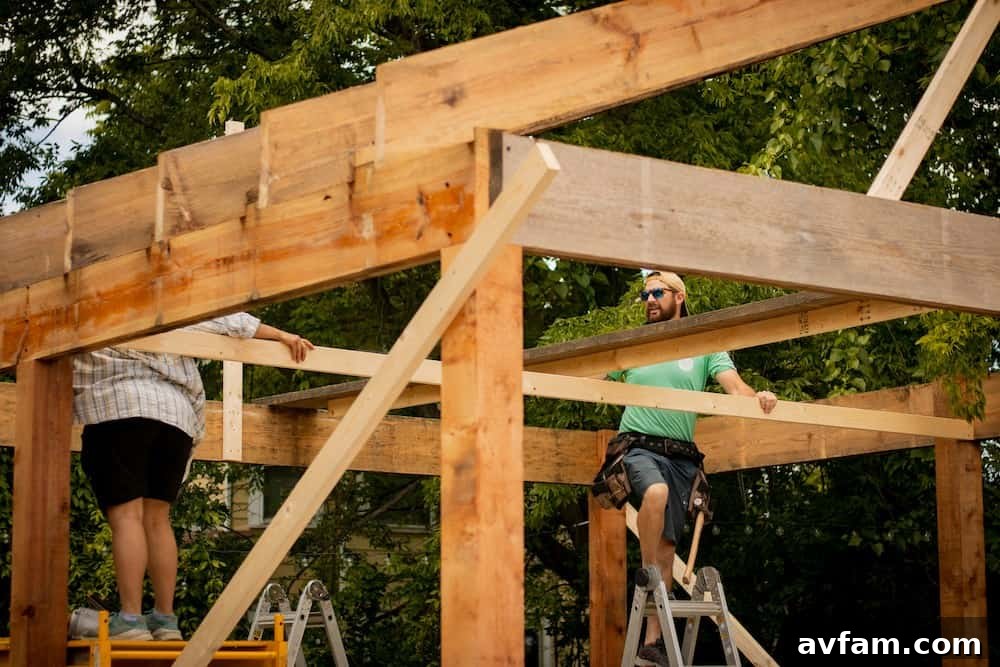
In an era where environmental consciousness is paramount, the concept of sustainable home building has emerged as a critical imperative. Traditional construction methods and materials have historically exerted a substantial negative impact on our planet, contributing significantly to ecological degradation, resource depletion, and climate change. However, a transformative shift is underway within the global construction industry, driven by an urgent recognition of these challenges and powered by relentless innovation. This comprehensive exploration delves into the compelling need for sustainable home building, highlights the pivotal role of innovation in fostering greener practices, showcases groundbreaking materials and techniques, forecasts the future trajectory of eco-conscious construction, and underscores the profound importance of embracing sustainable principles for a resilient tomorrow.
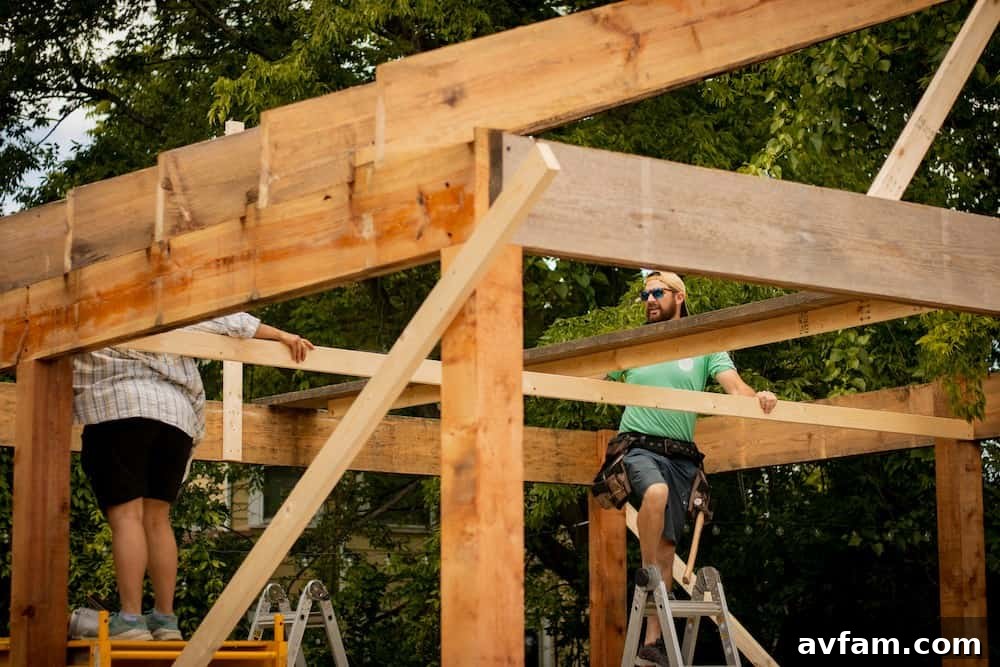
Understanding the Urgent Need for Sustainable Home Building
The environmental footprint of conventional building practices is undeniable and far-reaching. From the initial extraction of raw materials to energy-intensive manufacturing processes, extensive transportation, construction waste generation, and the long-term operational energy consumption of buildings, every stage contributes to a cycle of environmental strain. The depletion of finite natural resources, coupled with substantial greenhouse gas emissions, poses an existential threat to future generations and the delicate balance of our ecosystems. This stark reality has fueled a global awakening and a concerted movement towards sustainable home building, aiming to minimize ecological damage and create healthier living spaces.
The Pervasive Impact of Traditional Building Materials
Materials like concrete and steel, long celebrated for their strength, durability, and versatility, form the backbone of modern infrastructure. Yet, their production comes at a steep environmental cost. The manufacturing of cement, a key component of concrete, is responsible for a significant percentage of global CO2 emissions. Similarly, steel production demands enormous amounts of energy and contributes to air and water pollution. Beyond manufacturing, the extraction of aggregates for concrete, iron ore for steel, and timber for wood products frequently leads to deforestation, habitat destruction, soil erosion, and disruption of natural landscapes. These processes not only diminish biodiversity but also contribute to climate change by releasing sequestered carbon. It is therefore imperative to actively seek and implement alternative materials and methods that can mitigate these profound environmental impacts without compromising structural integrity or occupant safety.
The Global Shift Towards Sustainable Construction Practices
Thankfully, the construction sector is undergoing a profound paradigm shift. A growing number of developers, architects, builders, and discerning homeowners are actively prioritizing sustainable practices, driven by a desire to reduce their environmental footprint, conserve resources, and embrace a more responsible approach to development. This movement extends far beyond simply selecting green materials; it encompasses a holistic embrace of eco-friendly construction techniques, energy-efficient designs, and integrated systems thinking. Innovation stands at the forefront of this transformation, offering novel solutions to complex environmental challenges.
One increasingly popular and effective sustainable technique is passive solar design. This intelligent approach optimizes a building’s orientation, window placement, and material selection (particularly those with high thermal mass) to maximize natural light and harness the sun’s radiant heat. By strategically capturing and storing solar energy during colder months and minimizing heat gain in warmer seasons, passive solar designs significantly reduce the need for artificial heating and cooling systems. This translates directly into substantial energy savings, lower utility bills for homeowners, and a dramatic reduction in greenhouse gas emissions, while simultaneously creating a more comfortable, naturally lit, and healthier indoor environment.
Furthermore, the integration of renewable energy sources has become a cornerstone of modern sustainable home building. Technologies such as rooftop solar photovoltaic (PV) panels and compact wind turbines harness clean, inexhaustible power from nature, generating electricity without producing harmful emissions. This reduces reliance on fossil fuels, enhances energy independence for homeowners, and contributes directly to mitigating climate change. Advanced battery storage systems are also becoming more common, allowing homes to store excess renewable energy for use when the sun isn’t shining or the wind isn’t blowing, further maximizing efficiency and resilience.
Other vital eco-friendly techniques include advanced framing to reduce lumber waste, rainwater harvesting systems for irrigation and non-potable uses, greywater recycling systems to reuse water from sinks and showers, and the installation of high-efficiency HVAC systems and appliances. The emphasis is on creating homes that are not only structurally sound but also exceptionally resource-efficient and environmentally benign throughout their entire lifecycle.
The Indispensable Role of Innovation in Sustainable Home Building
Innovation is the driving force behind the advancements in sustainable home building. It provides the crucial solutions needed to overcome the limitations and environmental drawbacks of conventional materials and construction methods. By continuously exploring, developing, and implementing new materials, groundbreaking technologies, and refined construction techniques, we can dramatically reduce the environmental impact of our homes, create resilient structures, and pave the way for a truly greener, more sustainable future for the built environment.
How Innovation Propels Sustainability Forward
Through relentless innovation, we are developing materials and integrated building systems that are inherently more energy-efficient, require fewer virgin resources, and boast significantly lower embodied carbon footprints. For instance, continuous advancements in insulation technologies – from highly efficient rigid foam panels and blown-in cellulose to vacuum insulated panels – have revolutionized building envelopes. Superior insulation dramatically reduces heat transfer between the interior and exterior, leading to a substantial decrease in the demand for heating and cooling. This not only translates into considerable financial savings for homeowners through lower energy bills but also significantly curtails greenhouse gas emissions from energy generation, fostering a healthier global climate.
Beyond energy efficiency, innovation also champions the development and widespread adoption of materials that are designed for circularity. This means materials that can be easily recycled, repurposed, or even biodegradable at the end of their useful life, thereby minimizing landfill waste and conserving finite resources. Recycled steel, for example, has gained immense popularity in construction due to its inherent strength, durability, and infinitely recyclable nature. By utilizing steel salvaged from old structures or industrial waste, the need for new steel production – an energy-intensive process that generates substantial carbon emissions – is drastically reduced. Similarly, advancements in composite materials, made from recycled plastics and wood fibers, offer durable and low-maintenance alternatives for decking and siding, further diverting waste from landfills.
Furthermore, innovation in digital design and construction methods, such as Building Information Modeling (BIM) and modular construction, contribute significantly to sustainability. BIM allows for precise planning and clash detection, reducing material waste on site. Modular construction, where building components are factory-assembled, leads to greater efficiency, quality control, and less waste due to optimized processes and protection from weather elements.
Navigating Challenges and Unlocking Opportunities in Material Innovation
While the promise of material innovation is immense, its path is not without its complexities and hurdles. The development of truly novel and sustainable materials demands extensive research and development, rigorous testing to ensure performance and safety, and robust collaboration among scientists, engineers, architects, manufacturers, and policymakers. It is an intricate, often costly, and time-consuming process that requires meticulous consideration of factors such as structural integrity, long-term durability, cost-effectiveness (both upfront and lifecycle), scalability of production, and, critically, comprehensive environmental impact assessments.
However, these challenges are increasingly viewed as catalysts for opportunity. As global awareness of environmental issues intensifies and consumer demand for sustainable products grows, so too does the impetus for groundbreaking innovation. The construction industry is experiencing an unprecedented surge in investment, research funding, and entrepreneurial drive specifically dedicated to identifying and developing environmentally superior alternatives to traditional building materials. This dynamic environment creates a powerful positive feedback loop: as material innovation progresses, it unlocks new possibilities for sustainable building, which in turn fuels further research and adoption, accelerating the industry’s transition towards a greener future.
Moreover, material innovation’s influence extends beyond the initial construction phase, permeating the entire lifecycle of a building, including its maintenance, repair, and eventual deconstruction. Breakthroughs like self-healing concrete, which incorporates specific bacteria or encapsulated polymers that react to moisture to repair microscopic cracks, exemplify this extended impact. Such innovations can dramatically extend the lifespan of buildings, significantly reducing the frequency and cost of repairs, and most importantly, diminishing the environmental impact associated with the continuous production, transportation, and disposal of conventional repair materials. This not only represents substantial cost savings but also embodies a circular economy approach, minimizing waste and maximizing resource efficiency throughout a building’s long existence.
In essence, innovation is the cornerstone upon which the future of sustainable home building is being constructed. By actively embracing cutting-edge materials, advanced technologies, and intelligent construction methodologies, we are creating homes that are not only aesthetically pleasing and functionally superior but also inherently environmentally responsible. The ongoing challenges in material innovation are being met with unwavering determination, collaborative spirit, and a clear vision, collectively paving the way for a resilient, eco-conscious, and thriving construction industry.
Key Innovative Materials Driving Sustainable Home Building
The quest for sustainable living has propelled several innovative materials to the forefront of eco-friendly construction. These materials, celebrated for their unique properties and reduced environmental footprints, offer viable and often superior alternatives to their conventional counterparts, contributing significantly to a more sustainable built environment.
Bamboo: A Versatile and Rapidly Renewable Building Material
Bamboo stands out as an exceptionally sustainable building material due to its astonishingly rapid growth rate – some species can grow several feet in a single day – and its widespread natural abundance across various climates. This remarkable grass can be harvested sustainably without destroying its root system, allowing for continuous regeneration. Its versatility in construction is vast, serving as a robust alternative for structural elements, flooring, wall panels, roofing, and even decorative finishes. Bamboo boasts an impressive strength-to-weight ratio, often comparable to steel, yet remains incredibly lightweight and possesses excellent flexibility, making it resistant to seismic activity. Its widespread use significantly reduces the demand for slow-growing traditional timber, thereby helping to conserve vital forest ecosystems, protect biodiversity, and prevent deforestation.
Beyond its ecological benefits, bamboo also offers distinct aesthetic appeal. Its natural beauty, characterized by warm hues, unique grain patterns, and inherent elegance, adds a touch of organic sophistication to sustainable homes. Incorporating bamboo creates interiors that feel serene, inviting, and deeply connected to nature, blurring the lines between modern design and ecological harmony. Imagine the tranquil ambiance of a living room featuring polished bamboo flooring or the minimalist charm of a kitchen adorned with bamboo cabinetry, where every element contributes to a peaceful, healthy, and visually appealing living space.
Recycled Steel: A Durable and Infinitely Reusable Resource
Recycled steel represents a cornerstone of sustainable construction, offering a high-performance alternative to virgin steel production. The process of recycling steel is remarkably energy-efficient, requiring significantly less energy – often up to 75% less – compared to manufacturing new steel from raw ore. By utilizing recycled steel, the industry dramatically reduces the need for energy-intensive mining operations, limits associated environmental disruption, and slashes greenhouse gas emissions. Recycled steel can be seamlessly integrated into various aspects of construction, providing robust structural support for frameworks, durable roofing materials, resilient cladding systems, and essential reinforcement bars (rebar). Its inherent strength and exceptional durability ensure long-lasting structures while minimizing the overall environmental impact of a project.
Furthermore, the extensive use of recycled steel in sustainable home building plays a crucial role in waste reduction and the promotion of a circular economy. By repurposing steel sourced from demolition sites, old industrial structures, or consumer waste, vast quantities of material are diverted from landfills, preventing unnecessary accumulation and environmental burden. This closed-loop approach means resources are continually reused and recycled, diminishing the need for new material extraction and promoting a more sustainable, resource-efficient industrial model for future generations.
Rammed Earth: An Ancient Technique for Modern Sustainable Living
Rammed earth is a time-honored construction technique, experiencing a significant resurgence in contemporary sustainable building due to its ecological advantages and unique aesthetic. This method involves compacting a carefully formulated mixture of local soil, aggregates (like gravel or sand), and a small percentage of natural stabilizers (such as lime or cement) into reusable formwork. The result is exceptionally strong, load-bearing walls that possess remarkable thermal mass properties. This inherent thermal mass allows rammed earth walls to absorb heat during the day and slowly release it at night, effectively regulating indoor temperatures naturally. This passive thermal regulation significantly reduces the need for mechanical heating and cooling systems, leading to substantial energy savings and a smaller carbon footprint. The construction process itself is relatively low-tech and requires minimal embodied energy compared to conventional materials, making it a highly sustainable choice.
Envision inhabiting a rammed earth home, where the thick, solid walls exude a profound sense of permanence, tranquility, and an undeniable connection to the natural world. The distinct layers formed during the ramming process create an organic, variegated texture, while the natural earthy tones and pigments derived from the local soil lend a unique, warm ambiance. Rammed earth homes are not only highly energy-efficient and ecologically responsible but also offer superior sound insulation, fire resistance, and exceptional indoor air quality, free from volatile organic compounds (VOCs). They provide a unique and serene sanctuary, offering a healthy and sustainable living environment that harmoniously blends ancient wisdom with modern comfort.
Reclaimed Wood: History, Character, and Eco-Conscious Design
Reclaimed wood refers to timber that has been salvaged from previous structures, such as old barns, factories, warehouses, or even underwater logging sites, and repurposed for new construction projects. Its use is a powerful embodiment of sustainability, as it dramatically reduces the demand for newly harvested timber, thereby directly contributing to the preservation of vital forests, protection of natural habitats, and maintenance of global biodiversity. Beyond its ecological benefits, reclaimed wood possesses an unmatched aesthetic appeal and rich character, impossible to replicate with new materials. Each piece tells a story through its unique knots, nail holes, growth rings, weathered textures, and distinctive patinas, imbuing sustainable homes with a profound sense of history, authenticity, and rustic charm.
Imagine walking into a sustainably built home featuring magnificent reclaimed wood flooring, where every plank whispers tales of its former life. Or perhaps, observing grand structural beams rescued from a century-old factory, now proudly supporting a modern eco-conscious dwelling. Reclaimed wood finds versatile applications in flooring, wall paneling, ceiling beams, cabinetry, furniture, and decorative accents, adding warmth, depth, and a bespoke quality to any interior. Not only does the choice of reclaimed wood significantly reduce waste and conserve natural resources, but it also elevates the design, transforming a house into a truly unique, soulful, and one-of-a-kind home that resonates with both historical significance and contemporary environmental responsibility.
Hempcrete: A Lightweight and Carbon-Negative Alternative
Beyond these established materials, newer innovations are continuously emerging. Hempcrete, a biocomposite material made from the woody core of the hemp plant (hurd) mixed with a lime-based binder, is gaining traction. It’s lightweight, fire-resistant, mold-resistant, and boasts excellent thermal and acoustic insulation properties. Crucially, hemp sequesters carbon dioxide as it grows, making hempcrete a carbon-negative building material that actually locks away CO2 within the building fabric, contributing positively to climate goals.
Cellulose Insulation: Recycled Content for Enhanced Efficiency
Another eco-friendly material is cellulose insulation, primarily made from recycled paper products like newsprint. It’s treated with non-toxic borate compounds to enhance fire resistance and deter pests. Cellulose insulation offers excellent thermal performance and sound dampening, reduces waste by utilizing recycled content, and typically has a very low embodied energy during its manufacturing process. It’s an effective way to improve a home’s energy efficiency while diverting waste from landfills.
The Future Horizon of Sustainable Home Building
The journey towards a fully sustainable built environment is dynamic and continuous, constantly evolving with new scientific discoveries and technological breakthroughs. Current innovations represent merely a stepping stone; predicted trends suggest that the industry will continue to transform at an accelerating pace, integrating even more advanced materials, sophisticated technologies, and comprehensive sustainable practices. This relentless pursuit of innovation is not just desirable but absolutely crucial for achieving long-term environmental sustainability, addressing the escalating challenges of climate change, and meeting the housing demands of a rapidly growing global population in an ecologically responsible manner.
Anticipated Trends in Sustainable Material Use
Looking ahead, we can expect the emergence of a new generation of building materials that are even more sustainable, energy-efficient, and engineered for specific environmental performance. Researchers are actively exploring and developing an exciting array of bio-based materials derived from renewable biological resources. Examples include mycelium (the root structure of fungi), which can be grown into structural blocks with remarkable properties; algae, investigated for its potential in creating bioplastics and bio-photovoltaic cells; and advanced composites utilizing agricultural waste like rice husks or sugarcane bagasse. These materials often boast lower embodied energy, are biodegradable, and can even offer carbon sequestration benefits.
Furthermore, advancements in smart materials and nanotechnology are set to revolutionize building performance. This includes self-healing concrete, already in early stages of implementation, which uses embedded capsules or bacteria to repair cracks automatically, significantly extending the lifespan of structures. Phase-change materials (PCMs) will become more integrated into building envelopes to actively regulate indoor temperatures by absorbing and releasing thermal energy. Aerogels, ultralight and highly insulative materials, will offer unprecedented thermal performance in minimal thicknesses. The focus will be on materials that not only perform well but actively contribute to the building’s overall sustainability and resilience.
The Transformative Role of Technology in Sustainable Building
Technology will undoubtedly play an increasingly pivotal and transformative role in shaping the future of sustainable home building. Advancements in the Internet of Things (IoT) will lead to highly integrated smart home systems that optimize energy consumption in real-time. Smart thermostats, lighting controls, and appliance management systems, all interconnected, will learn occupant behaviors and adapt to external conditions to minimize energy waste. Renewable energy integration will become more sophisticated with smart grids that balance energy supply and demand, and decentralized energy storage solutions that allow homes to act as mini power plants.
Artificial intelligence (AI) and machine learning will be leveraged extensively in the design and planning stages, allowing architects and builders to analyze vast datasets to optimize building performance for energy efficiency, material selection, and site-specific environmental conditions. AI can simulate various design scenarios to predict energy use, daylighting, and thermal comfort, leading to more informed and sustainable design decisions. Virtual reality (VR) and augmented reality (AR) will revolutionize client engagement and project visualization, allowing homeowners to experience their future sustainable homes before construction even begins, facilitating better design choices and reducing costly changes during the build phase.
Moreover, emerging technologies like 3D printing in construction promise faster build times, greater design flexibility, and significantly reduced material waste through additive manufacturing. Robotics will handle repetitive or hazardous tasks, improving safety and efficiency. Blockchain technology could even be used to track the lifecycle of materials, ensuring transparency and accountability for sustainable sourcing and recycling. The synergistic integration of these technologies will create homes that are not only eco-friendly but also intelligent, responsive, and exceptionally resilient to future environmental and societal changes.
Conclusion: Embracing Sustainability as the Foundation of Home Building
Embracing sustainable practices in home building is far more than a trend; it is an essential ethical choice and a profoundly wise investment in the future well-being of our planet and its inhabitants. By developing a comprehensive understanding of the urgent need for sustainability, recognizing the indispensable role of continuous innovation, actively exploring and adopting groundbreaking materials, and strategically anticipating future trends, we can collectively create homes that are not only environmentally benign but also deliver unparalleled long-term benefits to their occupants, communities, and the global ecosystem.
The Critical Importance of Adopting Sustainable Practices
Our world faces unprecedented environmental challenges, ranging from the escalating climate crisis and rampant biodiversity loss to the rapid depletion of finite natural resources and increasing pollution. It is an absolute imperative that we integrate sustainable practices into every facet of our lives, and the construction of our homes stands as a particularly impactful area. By making conscious, informed choices regarding site selection, design principles, material procurement, and construction methodologies, we can dramatically reduce our ecological footprint. Implementing environmentally friendly techniques, opting for low-impact materials, and designing for efficiency allows us to mitigate further damage to our fragile planet, conserve precious resources, and build a more resilient future for all.
The Far-Reaching Long-Term Benefits of Sustainable Home Building
Investing in homes built with sustainability at their core yields a multitude of benefits that extend far beyond initial environmental considerations. Financially, energy-efficient designs lead to significantly reduced utility bills over the lifetime of the home, offering substantial savings and a compelling return on investment. Environmentally, a smaller carbon footprint contributes directly to combating climate change and fostering cleaner air. From a health perspective, sustainable materials often minimize indoor air pollution by avoiding harmful volatile organic compounds (VOCs) and reducing exposure to toxins, thereby creating healthier and more comfortable living environments for occupants.
Furthermore, sustainable homes demonstrate enhanced resilience against extreme weather events and fluctuating energy costs, offering greater stability and security. They boast a higher resale value and increasingly appeal to a growing market segment of environmentally conscious buyers who are willing to pay a premium for eco-friendly properties. Beyond the individual homeowner, sustainable building practices contribute to the economic vitality of local communities by supporting green industries and creating skilled jobs. Ultimately, choosing sustainable home building is an act of foresight, ensuring a legacy of environmental stewardship, economic prosperity, and enhanced quality of life for generations to come. It is about building not just houses, but a better future.