

Transform Your Garage into the Ultimate Home Workshop
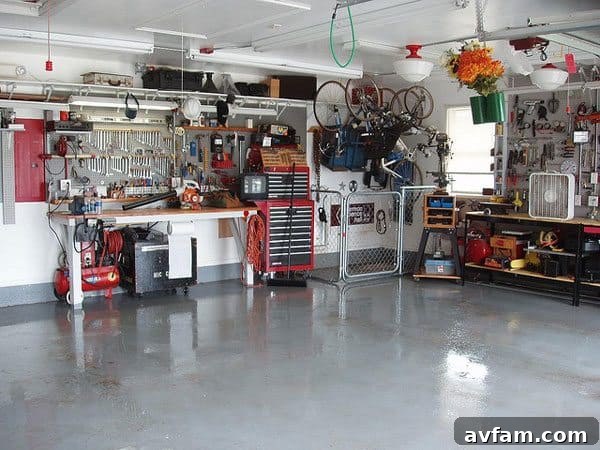
Is your garage currently a disorganized repository for forgotten items and future projects that never quite start? Many homeowners find their garage overtaken by a collection of seldom-used possessions—from empty boxes and outdated electronics to neglected sports gear and seasonal decorations. Instead of letting this valuable space become a mere storage unit, imagine transforming it into a highly functional and inspiring ultimate garage workshop, a dedicated area where creativity can thrive and projects can be brought to life. This comprehensive guide will walk you through the essential steps to convert your cluttered garage into a productive and enjoyable workspace.
The first crucial step in this transformation is decluttering. Before you can build your dream workshop, you need to clear out the old. Garage organizing can seem daunting, but it’s a vital foundation. One highly effective motivator is to hold a garage sale and commit to a firm date. This deadline forces you to make decisions about what stays, what goes, and what can be sold or donated, creating much-needed space for your new workshop vision. Once you’ve successfully purged the unnecessary, you’ll find that you don’t need to refill every corner with new items. Instead, focus on intelligently equipping your space with the essential tools and infrastructure that will empower you to tackle any project that comes your way, from simple repairs to intricate woodworking.
- Clean Workspace
- Tool Storage Solutions
- Optimizing Electrical Outlets
- Effective Workshop Lighting
- Climate Control: Heating and Cooling
- Durable Workshop Flooring
- Essential Workshop Tools
- Integrating Entertainment
- Advanced Dust Collection and Ventilation
Clean Workspace
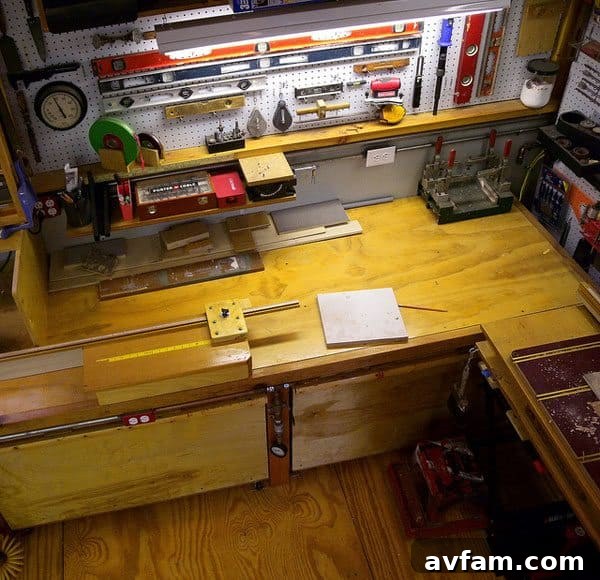
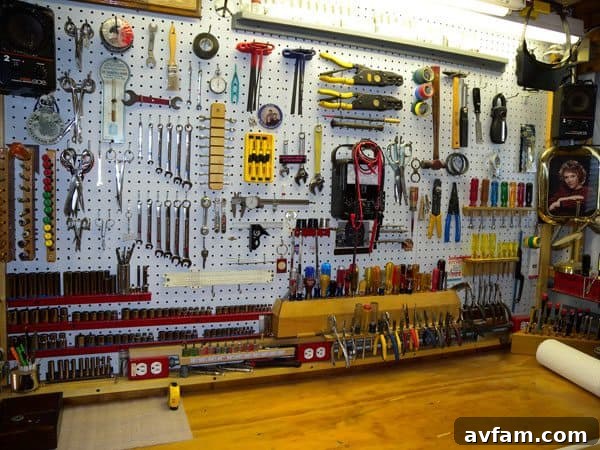
A clean and organized workspace is not merely about aesthetics; it is paramount for both safety and efficiency. Clutter on the floor poses a significant tripping hazard, especially when you’re carrying tools or heavy materials. By getting tools and materials off the floor and organizing them neatly on walls or in storage units, you minimize risks and make it incredibly easier to locate what you need. A well-organized space also promotes a sense of calm and focus, which is essential for detailed work.
Keeping your work table clear of debris, old projects, or random items is equally important. This provides you with the maximum operating room for current tasks, preventing the misplacement of small but crucial components like nuts, bolts, or screws, which can easily disappear amidst a pile of papers or trash. Starting each new project with a clean slate not only enhances productivity but also provides peace of mind, allowing you to dive into your work immediately without the added mental load of clearing out old, unfinished tasks. A clean workspace signals readiness and professionalism, even in a home setting, fostering a more positive and productive environment for all your DIY endeavors.
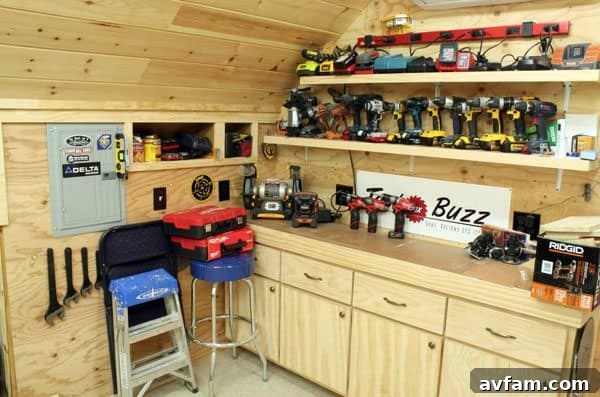
photo: ToolBoxBuzz
Tool Storage Solutions
Your tools represent a significant investment in your workshop, and protecting that investment is crucial. High-quality tool storage is not just about organization; it’s about safeguarding your tools from damage, rust, and loss. A robust tool chest or set of cabinets with smooth-rolling, ball-bearing drawers is an excellent starting point. When considering new or used options, pay close attention to the build quality; avoid units that show signs of rust or excessive dirt, as these can quickly corrode your valuable tools. Many enthusiasts also recommend installing drawer mats, which not only prevent tools from sliding around during movement but also provide a softer cushion, absorbing impacts and extending the life of your equipment.
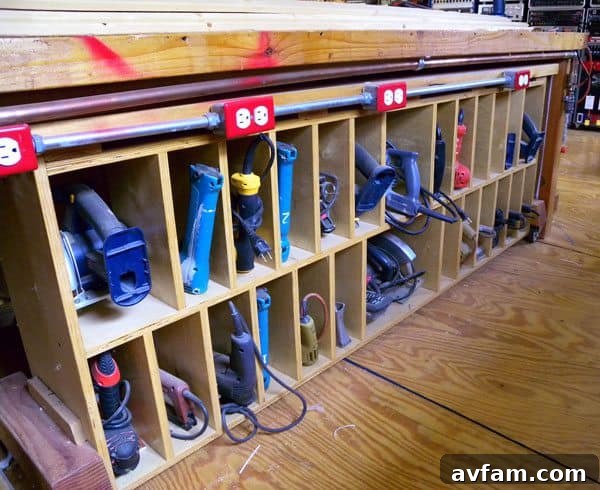
Beyond traditional tool chests, consider other innovative storage solutions. Pegboards offer incredible versatility for hanging hand tools, keeping them visible and easily accessible. Wall-mounted shelving units can store larger items, bins, and less frequently used equipment, maximizing vertical space. For power tools, dedicated shelving or custom-built cabinets can protect them from dust and damage. If security is a concern, especially for valuable or hazardous tools, investing in lockable storage units provides peace of mind. Effective tool storage means every tool has its designated place, making your workflow smoother and more efficient, ultimately enhancing the overall utility and enjoyment of your garage workshop.
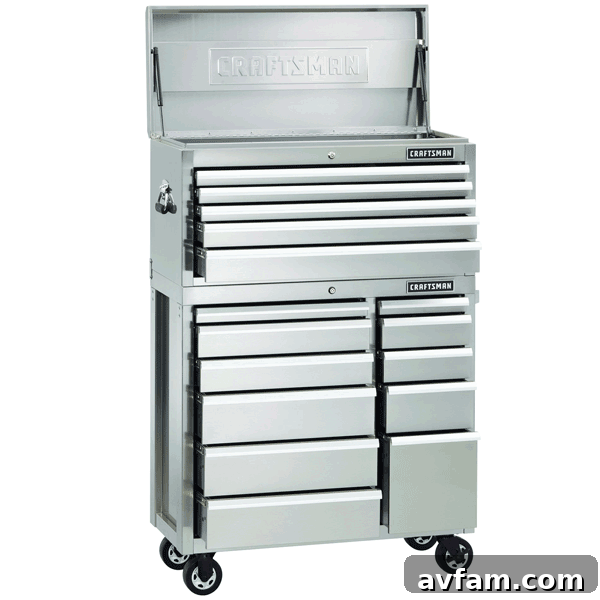
We’ve personally experienced the benefits of high-quality storage, having been extremely pleased with a stainless steel unit we won at the Craftsman Blogger Summit Build-Off event. The sleek stainless steel aesthetic adds a professional touch to any workshop, and the variety of drawer sizes thoughtfully accommodates an extensive range of tools and gadgets, from tiny precision instruments to larger power tool accessories. Such versatile storage makes finding the right tool quick and effortless, allowing you to focus more on your projects and less on searching for equipment.
Optimizing Electrical Outlets
Nothing disrupts a project faster than searching for an available power source or having to daisy-chain extension cords across the floor, creating dangerous tripping hazards. A well-designed garage workshop necessitates a thoughtful plan for electrical outlets. You’ll need ample outlets not just for charging cordless tool batteries but also for powering corded tools like saws, drills, and grinders. Beyond your primary tools, remember to account for additional electrical needs such as lighting fixtures, heating and air conditioning units, and even entertainment devices like radios or televisions. The general rule of thumb for a workshop is that you can simply never have too many outlets; it is always safer and more efficient to have an abundance of accessible power points rather than too few.
Planning is key to avoiding an overloaded electrical system. Consider the cumulative load your workshop equipment will draw. High-power tools, heaters, and air conditioners can quickly strain a standard circuit. For safety and compliance, it’s highly recommended to consult with or hire a certified electrician to help plan and install these additional outlets. An electrician can assess your current electrical service, recommend dedicated circuits for heavy-duty equipment, and ensure that all wiring meets local codes, providing a safe and reliable power infrastructure for your ultimate garage workshop. This professional input will prevent potential electrical hazards and allow you to operate all your tools and appliances without interruption or risk.
Effective Workshop Lighting
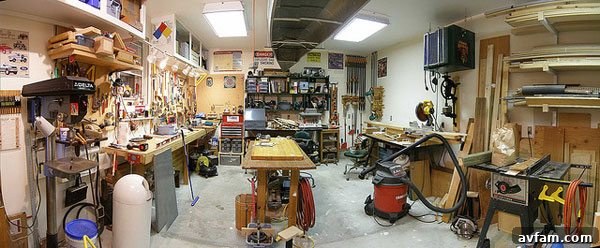
Standard garage lighting, typically limited to a bare bulb or two from the garage door opener and a few recessed fixtures, is usually inadequate for detailed workshop tasks. These lights are often designed merely for basic illumination to prevent tripping in the dark, not for precision work. When planning to use your garage as a dedicated workshop, a significant upgrade to your lighting system is essential. Proper lighting minimizes eye strain, improves accuracy, and dramatically enhances safety.
While track lighting can be an easy-to-install option providing some directional overhead light, it often falls short in providing overall room illumination, and its directional nature can create distracting shadows, especially when you’re leaning over a project like soldering. A multi-layered lighting approach is best. This typically includes general ambient lighting (such as bright LED shop lights or fluorescent fixtures that flood the space with light), task lighting (like adjustable work table lamps that provide focused illumination exactly where you need it, eliminating shadows), and accent lighting if desired. Consider LED fixtures for their energy efficiency, long lifespan, and bright, consistent output. Integrating smart lighting solutions, such as motion-activated switches, adds convenience; your hands can be full, and the lights still turn on automatically. This also prevents energy waste from lights accidentally left on, making your workshop both efficient and eco-friendly.
Climate Control: Heating and Cooling
Working comfortably year-round in your garage workshop often requires addressing its climate control. Most garages are not insulated during initial construction, making them extremely susceptible to external temperatures. To ensure comfort and productivity, especially during extreme seasons, it’s often necessary to take the extra step of insulating your garage walls, ceiling, and even the garage door. This foundational insulation will significantly improve the efficiency of any heating or cooling units you install.
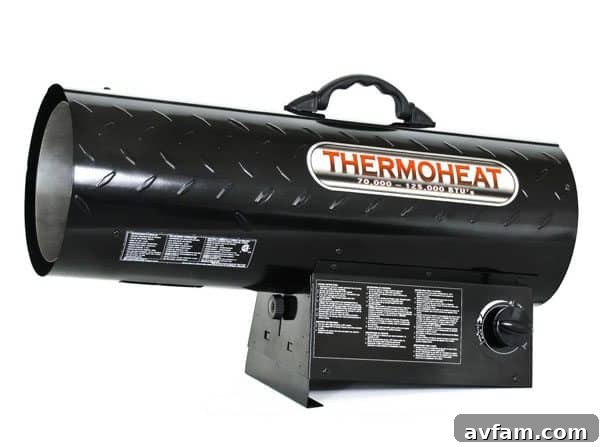
For supplemental heating, electric space heaters, infrared heaters, or radiant panel heaters can be effective. Many individuals also find success with propane or kerosene heaters, but extreme caution must be exercised when using these in semi-enclosed spaces due to the risk of carbon monoxide buildup and fire. Always ensure adequate ventilation if using combustion heaters. For cooling, portable or window-mounted AC units are common, but for a more integrated solution, a mini-split heat pump offers both efficient heating and cooling without requiring ductwork. When selecting units, ensure you have sufficient electrical outlets to power them safely and efficiently. Nobody enjoys working in a freezing environment bundled in a heavy coat that impedes movement, nor in a sweltering sauna where concentration is impossible. Proper climate control creates an inviting environment that encourages longer, more comfortable, and ultimately more productive hours in your workshop.

Durable Workshop Flooring
Standard concrete garage floors are far from ideal for a dedicated workshop. They are notoriously prone to staining from oil, paint, and chemicals, and can become dangerously slippery when wet. Furthermore, standing on hard concrete for extended periods can take a toll on your body, leading to fatigue and joint pain over years of work. Upgrading your workshop flooring is a smart investment in both safety and comfort.
One popular option is an epoxy finish. An epoxy coating not only seals the concrete, making it resistant to stains and easy to clean, but it can also be customized with anti-slip additives to provide superior grip, even when wet. It transforms a drab concrete slab into a professional-looking, durable surface. For those seeking a softer surface, interlocking garage floor tiles made from robust PVC or rubber offer excellent cushioning and can be installed relatively easily. Alternatively, commercial-grade rubber floor mats, similar to those used in restaurants or industrial settings, provide targeted comfort in high-traffic areas or at specific workstations. Brands like FLOR also offer durable modular options that combine aesthetics with resilience. When choosing, consider durability, ease of cleaning, slip resistance, and comfort to find the best flooring solution for your ultimate garage workshop.
Essential Workshop Tools
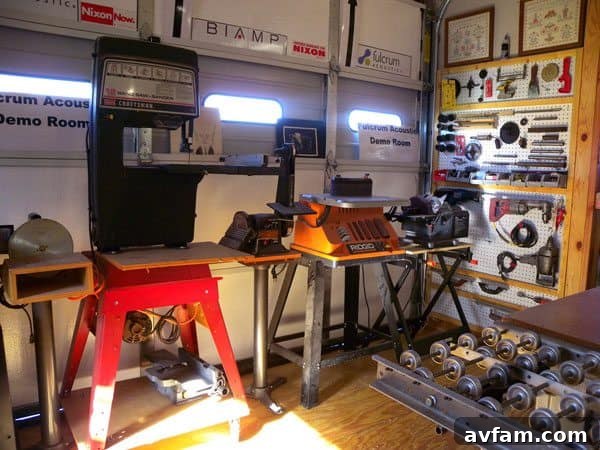
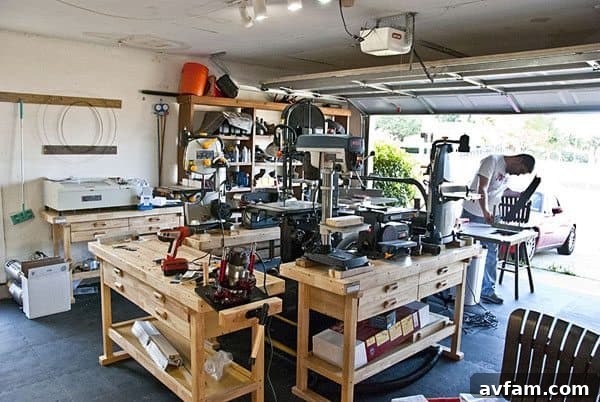
The selection of tools for a workshop is deeply personal, often reflecting the specific projects and passions of its owner, from the weekend DIY enthusiast to the seasoned craftsman. Brand loyalty frequently plays a significant role, with many dedicating themselves to specific manufacturers like DeWALT, Milwaukee, Snap-On, or Craftsman, each offering distinct advantages in terms of features, ergonomics, and battery platforms. Beyond the foundational set of hand tools (wrenches, screwdrivers, hammers, pliers, measuring tapes, chisels) and common power tools (cordless drills, impact drivers, circular saws, jigsaws, orbital sanders), several stand-alone tools can significantly expand the capabilities of any home workshop:
- Drill Press: Indispensable for creating perfectly straight, precision-cut holes and consistently repeatable bore depths, essential for intricate woodworking or metalworking.
- Table Saw: A cornerstone for any serious woodworker, offering unparalleled accuracy and speed for ripping long boards, cross-cutting large panels, and making intricate joinery cuts.
- Miter Saw: Ideal for precise cross-cuts and angled cuts in various materials, perfect for trim work, framing, and furniture building.
- Belt Sander: Designed for aggressive material removal, excellent for quickly smoothing rough lumber, shaping edges, or flattening surfaces before fine finishing.
- Router: A versatile tool for shaping edges, cutting dados, rabbets, and decorative profiles, enhancing the finish and detail of woodworking projects.
- Vise/Anvil: A fundamental workbench accessory, providing a secure grip for holding workpieces during cutting, filing, drilling, or pounding tasks. An anvil component is crucial for metal shaping.
- Air Compressor: Powers a wide range of pneumatic tools (nail guns, staplers, impact wrenches, paint sprayers) and is invaluable for cleaning dust and debris.
- Abrasive Blaster (Sandblaster): Excellent for stripping paint, varnish, rust, and grime from surfaces, preparing them for refinishing. Requires a dedicated blast booth or well-ventilated area.
- Welder: Essential for metal fabrication, allowing you to join metal pieces permanently. Combined with a metal bender and shear, it opens up vast possibilities for custom metalwork and repairs.
Investing in quality tools, learning their proper use, and prioritizing safety are critical for any successful workshop. Regularly maintaining your tools will ensure their longevity and performance, making your workshop a true hub of productivity and craftsmanship.
Integrating Entertainment
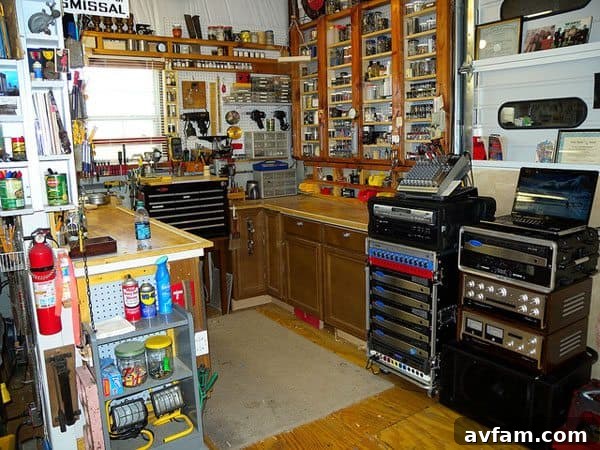
For many, working on projects is more enjoyable with a soundtrack. Incorporating an entertainment system into your garage workshop can significantly enhance the experience, turning tedious tasks into more engaging sessions. While a full-blown audio system with delicate components might be impractical in a dusty, noisy workshop environment, there are excellent rugged alternatives designed for such spaces.
Consider durable, portable listening stations, like those offered by brands such as DeWALT. These units are built to withstand the rigors of a workshop, often featuring robust casings and protection against dust and splashes. Many allow you to connect your smartphone or MP3 player via Bluetooth or auxiliary input, delivering surprisingly incredible sound quality. A major bonus for many DIYers is that these units are often powered by the same cordless battery systems as your power tools (e.g., DeWALT’s 20V MAX system), offering seamless power integration. They can also be plugged into an outlet, often serving as a charger for your tool batteries and even providing additional electrical outlets for convenience.
If you prefer visual entertainment, mounting a flat-panel TV on a wall is a straightforward addition. With a smart TV or a digital streaming device like Apple TV or Roku, you can easily stream movies, music, tutorials, or even live sports while you work. Adding a TV to your workshop definitely borders on “man cave” or “she-shed” territory, which is perfectly fine! This is your personal workspace, and tailoring it to your preferences, including entertainment, will make it a more inviting and productive environment. The goal is to create a space that truly works for you, maximizing both efficiency and enjoyment.

Advanced Dust Collection and Ventilation
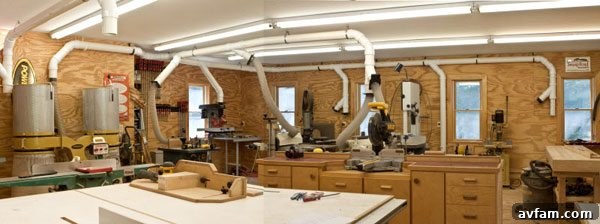
Maintaining a truly clean and healthy workshop environment goes beyond just sweeping the floor. If you are serious about keeping things pristine and protecting your health, your ultimate workshop should absolutely include an integrated approach to dust collection and air quality. This typically involves a combination of a dedicated dust collection system, a robust central vacuum, and an efficient air ventilation system. These three components work synergistically to manage airborne particles and heavy debris.
A dedicated dust collection system is vital for woodworking, connecting directly to tools like table saws, planers, jointers, and sanders to capture sawdust at the source. This significantly reduces the amount of airborne dust. For general cleanup and fine particles that escape the primary dust collector, a central vacuum system with strategically placed inlets around the workshop provides powerful suction without dragging a portable unit around. Finally, an air ventilation system—which could be as simple as an exhaust fan or a more elaborate air purification unit—filters the ambient air, removing fine dust, pollen, chemical fumes, and other airborne contaminants that contribute to poor air quality. All three of these systems are crucial for keeping dust, dirt, pollen, and other fine and heavy particles off your tools and clothes, and, most importantly, out of your lungs. Investing in superior air quality control creates a significantly safer, healthier, and more enjoyable work environment, ensuring you can breathe easy while you create.
Have we covered all the absolute must-haves for your ultimate home workshop, or did we leave out any key elements that you consider essential?