
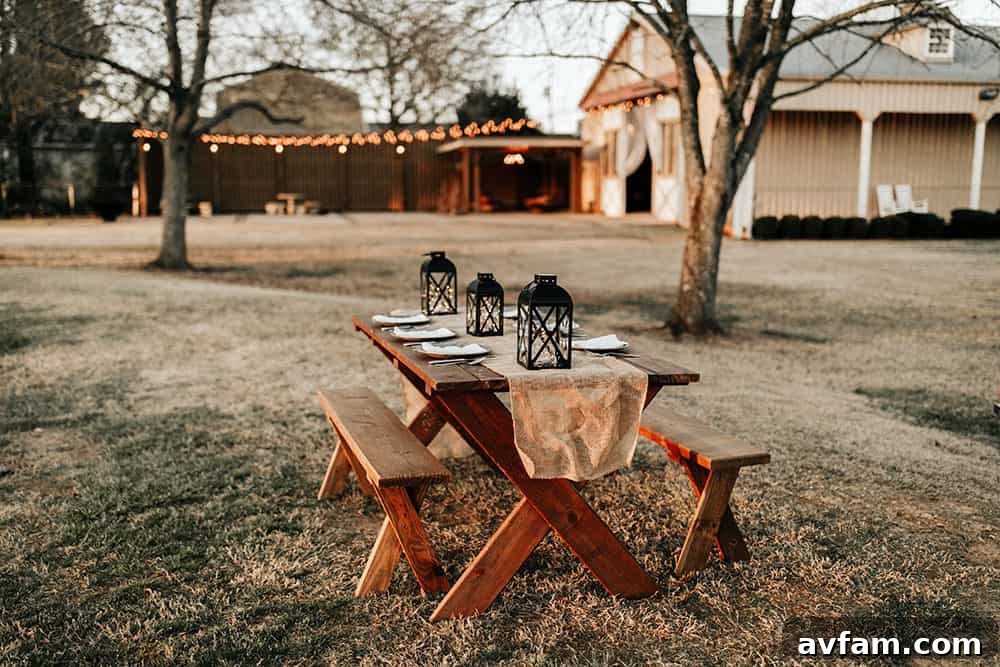
There’s something uniquely inviting about a picnic table. It transforms any outdoor area – be it a sprawling backyard, a cozy patio, or a spacious deck – into a welcoming hub for dining, socializing, and creating cherished memories. As a cornerstone of outdoor living, a well-placed picnic table encourages al fresco meals, impromptu gatherings, and lazy afternoons spent enjoying nature. The enduring question for many homeowners, however, isn’t whether to own one, but rather, how to acquire one: should you embark on the rewarding journey of building your own, or opt for the convenience of purchasing a ready-made model?
This article delves into the merits of both approaches, exploring the convenience of buying versus the satisfaction and customization potential of building. We’ll examine the cost-effectiveness, time investment, and various considerations that factor into making the best decision for your home and lifestyle. Ultimately, whether you’re a seasoned DIY enthusiast or prefer a ready-to-use solution, a picnic table is an invaluable addition to any outdoor space.
The Convenience of Buying: Ready-Made Picnic Tables
For many, the appeal of a ready-to-assemble or fully assembled picnic table is undeniable. It offers a swift solution to outdoor dining needs, bypassing the need for extensive tools, materials sourcing, and construction skills. This route is particularly appealing for those with busy schedules or a preference for immediate gratification.
Off-the-Shelf Value: Discovering Affordable Options
Local home improvement centers often stock a variety of picnic tables, providing accessible and budget-friendly options. We recently spotted a stack of these tables at our local Lowe’s home center, priced at an incredibly competitive $88. This price point makes a compelling argument for purchasing, as it can often be challenging to source the raw lumber, hardware, and accessories for a comparable build at the same cost.
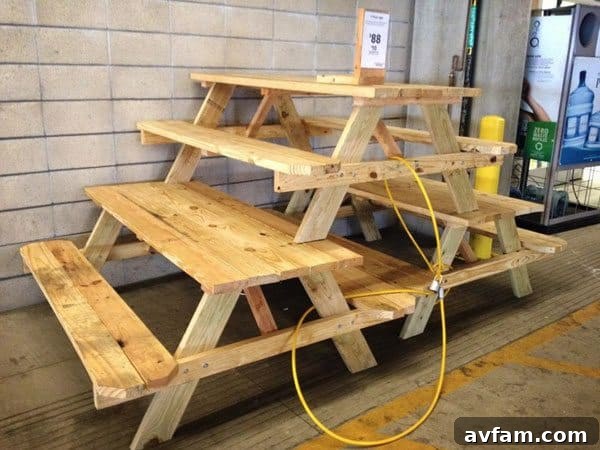
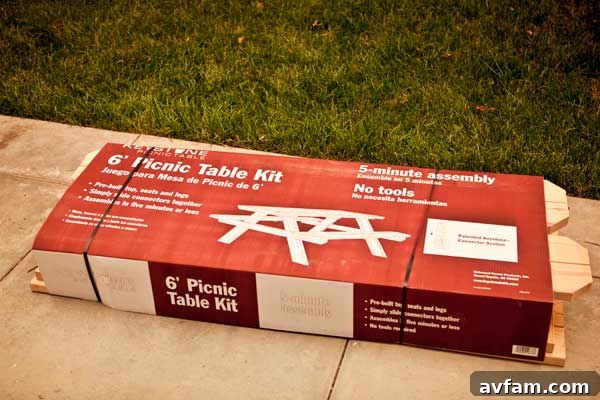
These store-bought tables typically come in a flat-pack box, meaning some assembly is still required. However, the heavy lifting of cutting lumber, drilling precise holes, and gathering specific nuts and bolts is eliminated. All components are pre-cut and pre-drilled, and the necessary hardware is usually included. This streamlines the assembly process, allowing most individuals to have their new picnic table ready for use in less than an hour, transforming their outdoor space almost instantly. The convenience of having everything prepped significantly reduces the overall time and effort involved, making it a highly attractive option for quick setup and enjoyment.
Online Retailers: A World of Options at Your Fingertips
Beyond brick-and-mortar stores, online marketplaces like Amazon offer an even broader selection of picnic tables, often with enhanced features or greater convenience. For example, you can purchase a similar style table on Amazon for around $113, with the added benefit of potentially requiring no assembly at all. This “assembly-free” option takes convenience to the next level, delivering a fully functional picnic table directly to your doorstep, ready for immediate use.
Factors to Consider When Buying:
- Material: Common materials include pressure-treated pine, cedar, redwood, recycled plastic, and aluminum. Each offers different levels of durability, weather resistance, and aesthetic appeal.
- Size and Seating Capacity: Ensure the table fits your available space and accommodates your typical number of guests.
- Assembly Level: Decide if you prefer flat-pack with minimal assembly or a fully pre-assembled unit.
- Durability and Warranty: Check product reviews and manufacturer warranties to ensure longevity, especially for items exposed to the elements.
- Style: Consider how the table’s design and finish will complement your existing outdoor decor.
Purchasing a picnic table offers a hassle-free path to enhancing your outdoor living area, providing immediate utility and enjoyment without the commitment of a DIY project.
The Rewards of Building: Crafting Your Own Picnic Table
For those who enjoy hands-on projects and the satisfaction of creation, building a picnic table offers a unique opportunity to customize every detail and ensure a high-quality, durable piece of outdoor furniture. The “Build It” approach allows for personalization that store-bought options simply cannot match.
Embracing the DIY Spirit
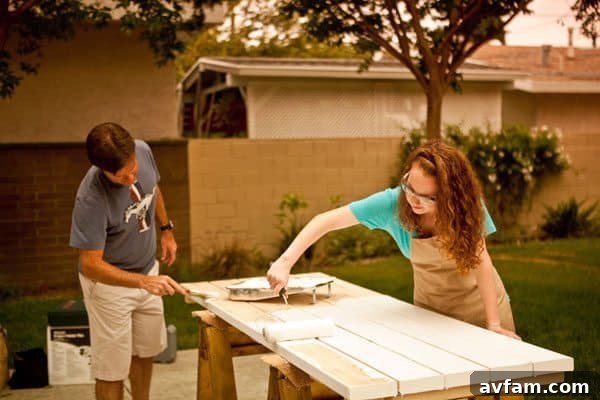
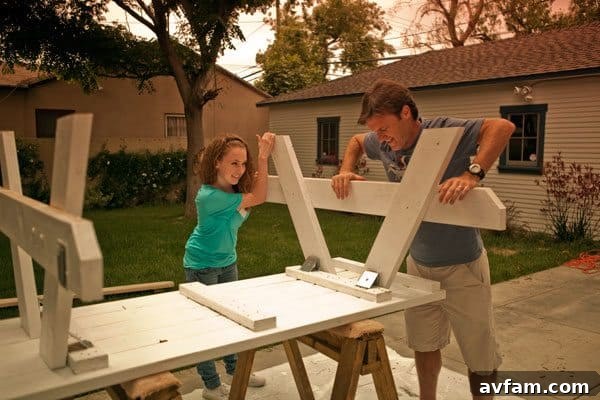
Last year, we undertook the project of building one of these tables ourselves. This experience allowed us to go a step further than basic assembly; we were able to sand the wood for a smooth finish and then paint it to match our outdoor aesthetic. However, the beauty of building is that you have complete control over the final look. Many prefer to keep the wood in its natural state, which, when properly sealed, can look incredibly rustic and appealing, seamlessly blending with natural surroundings.
The customization possibilities extend beyond just the finish. When you build, you can choose the exact type of lumber—opt for premium cedar or redwood for superior weather resistance and appearance, or pressure-treated pine for a more budget-friendly yet durable option. You can also tailor the dimensions to perfectly fit your space, whether you need an extra-long table for large gatherings or a compact one for a smaller balcony.
Accessing Comprehensive Building Plans
Even if you’re not an expert carpenter, detailed plans can guide you through the process. You can easily purchase high-quality picnic table design plans on Amazon or other woodworking resources. These plans are invaluable, providing not just step-by-step instructions but also a complete lumber cut list, a precise inventory of all necessary hardware (like carriage bolts, screws, and washers), and a list of recommended tools. This ensures you have everything you need before you even make your first cut, minimizing errors and maximizing efficiency.
Pros of Building Your Own Picnic Table:
- Customization: Tailor the size, shape, material, and finish to your exact preferences and outdoor decor.
- Quality Control: Select premium lumber and hardware for a more durable and long-lasting table.
- Cost Savings (Potentially): While not always cheaper than basic store models, building can save money compared to high-end, custom-built tables.
- Sense of Accomplishment: There’s immense satisfaction in creating something with your own hands.
- Skill Development: It’s a great way to learn or hone woodworking skills.
Cons of Building Your Own Picnic Table:
- Time Commitment: Building takes significantly more time for planning, sourcing, cutting, and assembling.
- Tool Requirement: You’ll need a range of tools, which can be an initial investment if you don’t already own them.
- Skill Level: Basic woodworking skills are beneficial to ensure structural integrity and a good finish.
- Potential for Errors: Mistakes can be costly in terms of wasted materials and time.
Building a picnic table is an investment in time and effort, but the result is a unique, high-quality piece of outdoor furniture that perfectly fits your needs and reflects your personal touch.
The Great Debate: Build It or Buy It? Community Insights
To gauge popular opinion, we shared the photo of the $88 Lowe’s picnic tables on Facebook, posing the question: “Build It or Buy It?” The responses were diverse and insightful, highlighting various perspectives on cost, quality, and the satisfaction of a DIY project.
- Todd Fratzel emphasized the financial aspect: “Look at the price….$88….I’m almost certain you can’t buy that lumber, the carriage bolts, screws, etc and build it for that. From what I can see it’s a decent table. Buy a good one…..I did the build it thing several times…each time I swore I wouldn’t do it again lol.” Todd’s point underscores that for basic models, mass production often makes buying more cost-effective than sourcing individual components.
- Jeff Williams agreed on the value: “Todd, good eye on seeing that tag. I viewed the picture initially on my phone. Couldn’t even make out the $88 tag. That is super cheap. I’d buy for that price.” This sentiment reinforces that for a ready-to-assemble table at such a low price, the convenience and savings are hard to beat.
- Mike DeGrande offered a whimsical, yet profound, take on building: “If you build it, the picnics will come.” This speaks to the emotional reward of creating something and the sense of community it fosters.
- John Vee focused on material quality for DIY projects: “Build but use better lumber than fir.” This comment highlights the desire for higher quality materials when building, suggesting that if one invests the time, they should invest in better wood for durability and aesthetics.
- Jeff Williams, while open to buying cheap, also considered quality builds: “If I was buying it would be a commercial grade table. I could build a pretty nice wood one for a couple hundred bucks though.” This shows a distinction between budget-friendly purchases and higher-quality, more durable options, whether bought or built.
The community’s feedback clearly illustrates that the “Build It or Buy It” decision isn’t one-size-fits-all. It’s a balance of budget, desired quality, available time, and personal enjoyment of the building process.
Essential Considerations for Your Picnic Table
Regardless of whether you choose to build or buy, a few key factors should influence your decision to ensure your picnic table meets your needs and stands the test of time.
Material Matters
- Wood: Pressure-treated pine is common for its affordability and resistance to rot and insects. Cedar and redwood offer natural beauty, superior resistance to decay, and longevity, but come at a higher cost. Fir, while inexpensive, may not be as durable for long-term outdoor exposure without significant treatment.
- Recycled Plastic: An excellent eco-friendly option that is virtually maintenance-free, resistant to fading, splintering, and insect damage. It’s often heavier and can be more expensive upfront.
- Metal: Aluminum or steel frames (often combined with wood or plastic tops) offer modern aesthetics and excellent durability. Rust-resistant coatings are crucial.
Size and Placement
Carefully measure your intended space. Consider not just the table’s footprint but also enough room for people to comfortably sit down, stand up, and walk around it. Think about the table’s function—is it for intimate family meals or large gatherings? Will it be permanently placed or moved occasionally?
Durability and Maintenance
Outdoor furniture is constantly exposed to the elements. For wooden tables, regular cleaning, sanding, staining, or sealing is essential to protect against moisture, UV rays, and general wear and tear. Plastic and metal tables generally require less maintenance, often just a simple wash with soap and water.
Style and Aesthetics
Your picnic table should complement the overall design of your outdoor living space. Whether you prefer a classic A-frame, separate benches for more flexibility, or a round design, consider how it integrates with your existing patio furniture, landscaping, and home architecture.
Customization and Personal Touches
Whether you buy a basic model or build from scratch, there are countless ways to add personal flair and enhance the functionality of your picnic table.
- Finishes: Paint or stain your wooden table in a color that matches your outdoor theme. A dark stain can give a rustic look, while a vibrant paint color can add a playful touch.
- Comfort: Add outdoor cushions to the benches for increased comfort. This makes long meals or extended conversations much more enjoyable.
- Functionality: Consider adding an umbrella hole if your table doesn’t have one, providing essential shade on sunny days. Integrated coolers or storage compartments can also be a clever addition.
- Lighting and Decor: Drape string lights overhead, add a vibrant tablecloth, or place a centerpiece of fresh flowers or candles to create an inviting ambiance for evening dining.
Conclusion: Your Perfect Picnic Table Awaits
The decision to build or buy a picnic table ultimately comes down to a blend of personal preference, budget, available time, and desired level of customization. For those seeking immediate utility, cost-effectiveness, and minimal effort, purchasing a flat-pack or pre-assembled table is an excellent choice. The $88 options found at local home centers or the slightly higher-priced, assembly-free models available online offer incredible value and convenience, getting you set up for outdoor dining in no time.
Conversely, if you possess a love for DIY projects, a desire for bespoke design, and the time to invest, building your own picnic table can be an immensely rewarding experience. It allows for superior material selection, precise customization to fit your space, and the deep satisfaction of creating a lasting piece of furniture with your own hands. The insights from our community poll perfectly encapsulate this dilemma, highlighting that both paths offer valid benefits.
Ultimately, a picnic table is more than just a piece of outdoor furniture; it’s a gathering point, a place for shared meals, laughter, and lasting memories. Weigh the pros and cons of each approach, consider your skills and resources, and choose the path that best suits you. Whichever route you take, investing in a picnic table is an investment in countless joyful outdoor moments for years to come.